
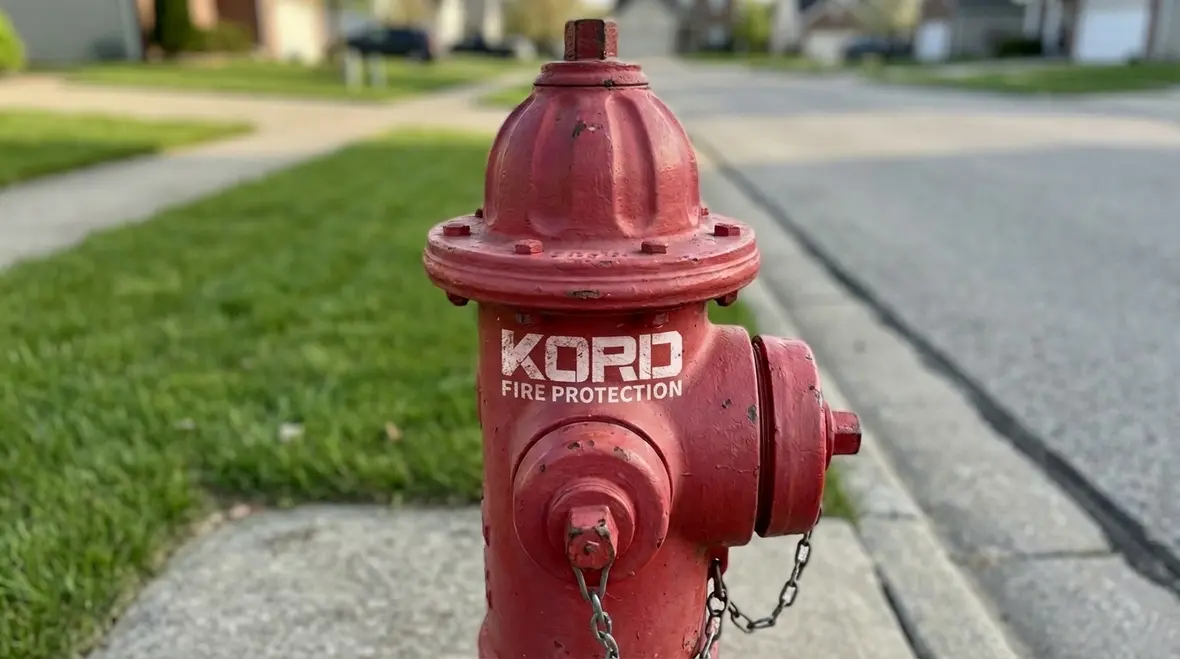
Fire Hydrant Parts and How a Fire Hydrant Works
Fire Hydrants 101: What a Fire Hydrant Is and What Each Part Does
In every neighborhood, it stands quietly at the curb. Painted red, yellow, or sometimes a color that seems chosen by a committee with strong opinions, it waits. Yet many people still ask, what is fire hydrant and what exactly does it do? At its core, a fire hydrant is a direct connection to a city’s water supply, designed to give firefighters fast and powerful access to water during an emergency.
However, that simple answer barely scratches the surface. As Kord Fire Protection technicians often explain to clients, a hydrant is not just a metal post on the sidewalk. It is a carefully engineered system built to perform under pressure, literally. And once people understand how each part works, they never look at that street corner fixture the same way again.
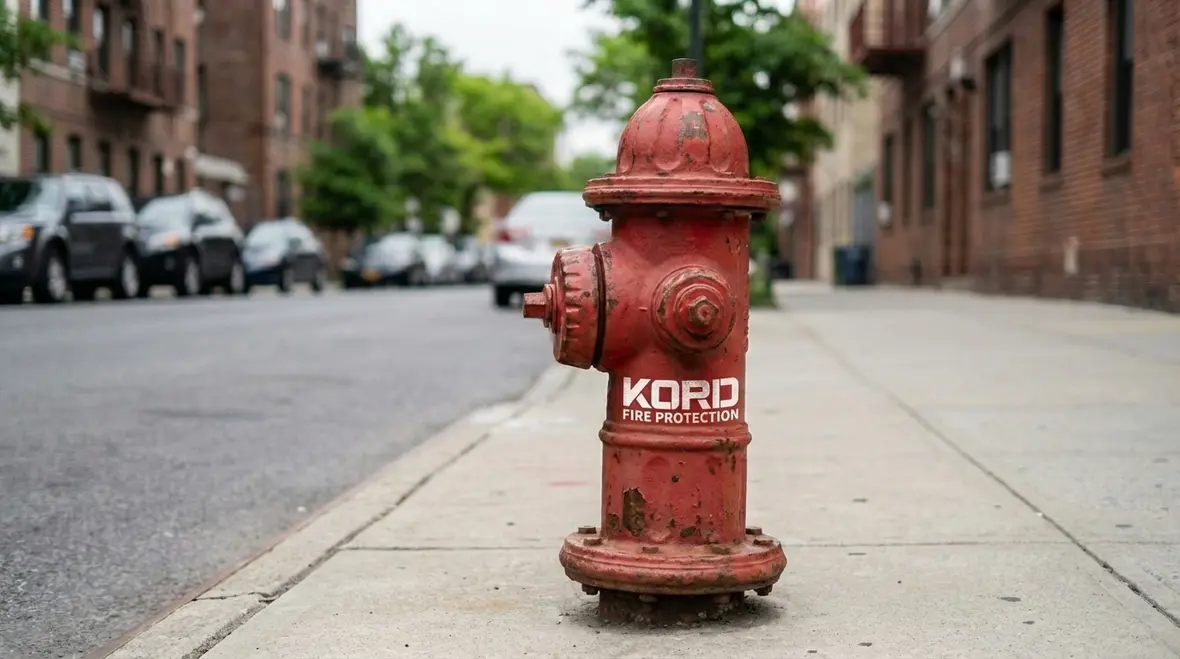
Understanding What Is Fire Hydrant and Why It Matters
When someone types into a search bar, what is fire hydrant, they usually want a basic definition. Yet the real story runs deeper.
A fire hydrant is a vertical pipe connected to an underground water main. It allows firefighters to tap into a steady water source quickly. Because seconds matter during a fire, hydrants must operate smoothly, deliver high flow rates, and withstand extreme pressure.
Moreover, hydrants serve as part of a larger municipal fire protection system. Cities design water mains with both daily water use and emergency demand in mind. Therefore, hydrants are not random installations. Engineers place them at specific intervals to ensure coverage and flow.
Kord Fire Protection technicians often note that a hydrant’s reliability can mean the difference between minor damage and total loss. In other words, it is not just about water. It is about timing, pressure, and precision.
And yes, while it may look like a cartoon character from a Pixar movie, it is far more disciplined than it appears.
If you want to dig even deeper into the bigger system around each hydrant, Kord Fire Protection’s guide to fire hydrant systems, types, and color codes connects the dots between street fixtures, water mains, and design decisions.
How Does a Fire Hydrant Actually Work?
From underground main to hose stream
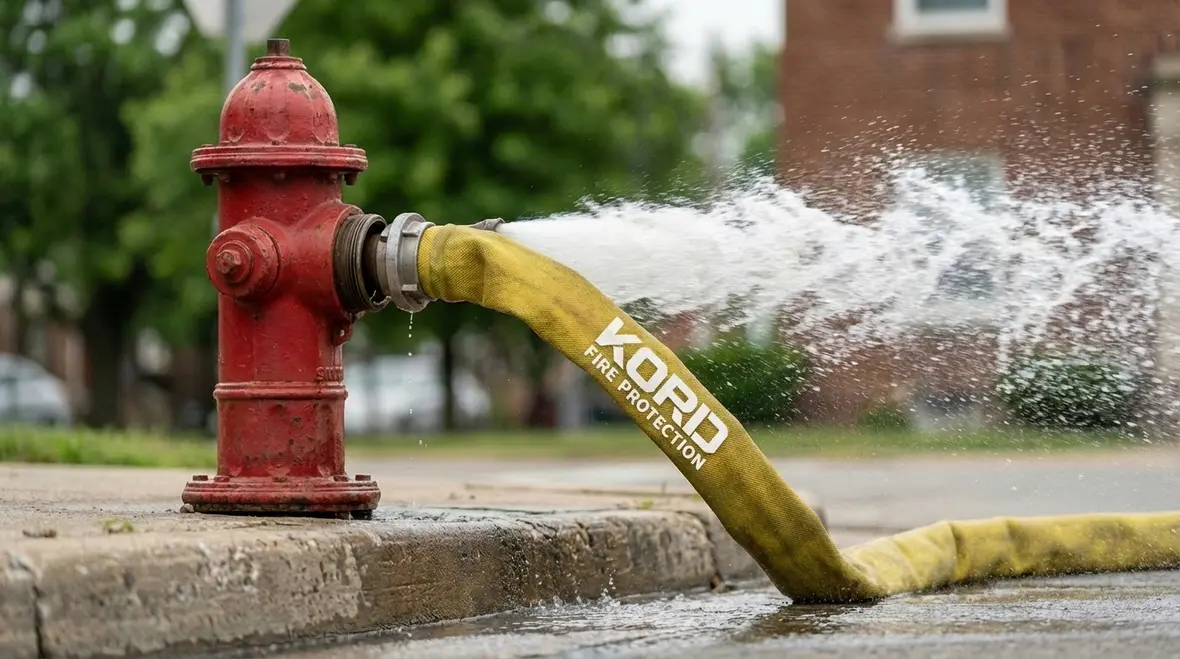
A hydrant works through a simple yet powerful concept. It connects to a pressurized water main below ground. When firefighters remove the caps and open the operating nut, a valve deep inside the hydrant lifts. As a result, water flows up the barrel and out through the outlets where hoses are attached.
However, there are two primary types of hydrants in the United States.
Wet Barrel Hydrants
These hydrants always contain water in the barrel. Because they are common in warm climates, freezing is not a concern. Each outlet typically has its own valve, which allows firefighters to control flow from individual ports.
Dry Barrel Hydrants
In colder regions, dry barrel hydrants dominate. Water stays below ground until the hydrant is opened. When the valve closes, the remaining water drains out of the barrel to prevent freezing. Therefore, they are ideal for areas with harsh winters.
Kord Fire Protection technicians frequently remind property managers that choosing the right hydrant type depends on climate, system design, and maintenance capacity. After all, a frozen hydrant in January is about as useful as a screen door on a submarine.
Inside the Anatomy: Every Part Has a Purpose
Key exterior and interior components
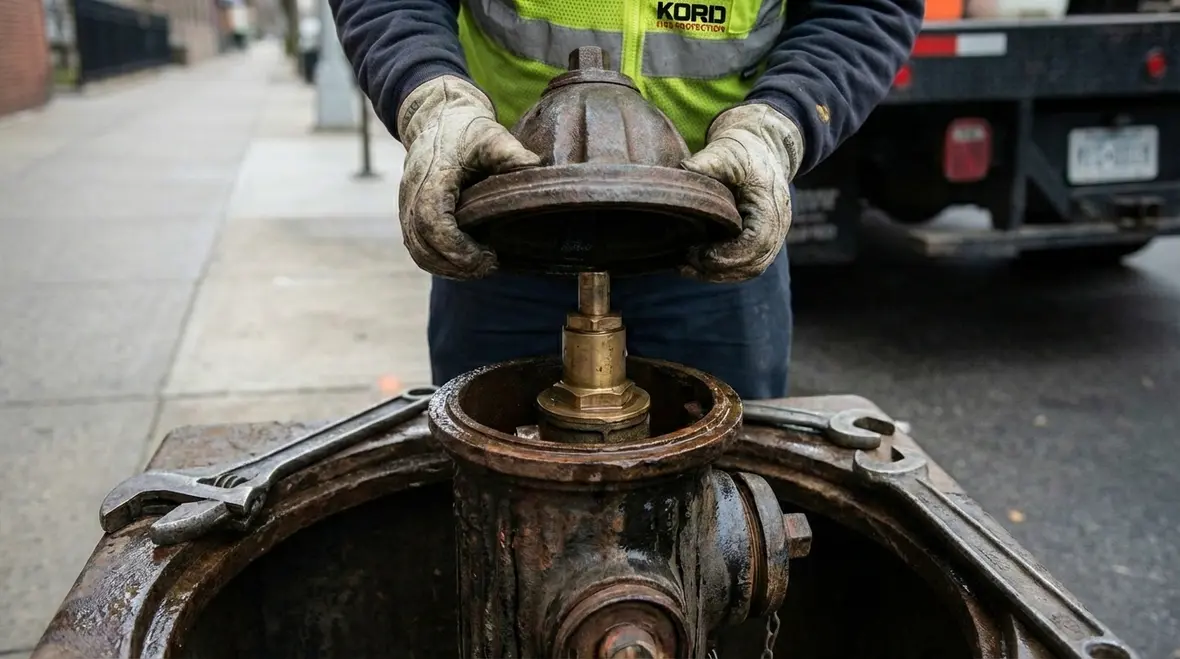
At first glance, a hydrant looks simple. Yet inside, each component performs a specific job. Understanding these parts clarifies why proper inspection and maintenance matter so much.
Bonnet
The bonnet sits at the top of the hydrant. It covers and protects the operating mechanism. Additionally, it houses the operating nut that firefighters turn to open the valve.
Operating Nut
This is the square or pentagon shaped nut on top. Firefighters use a specialized wrench to turn it. As it rotates, it raises or lowers the internal valve stem.
Barrel
The barrel is the main body. In a dry barrel hydrant, it remains empty until activation. In a wet barrel, it holds water at all times.
Nozzles and Caps
The nozzles are the side outlets where hoses connect. Caps protect these outlets from debris and tampering. Furthermore, caps help maintain cleanliness inside the hydrant threads.
Valve Stem
The valve stem runs vertically inside the hydrant. When the operating nut turns, the stem moves the main valve.
Main Valve
Located near the base, the main valve controls water flow from the underground main into the hydrant. In dry barrel designs, it seals below the frost line.
Drain Valve
In dry barrel hydrants, small drain ports allow water to exit the barrel after use. Consequently, the barrel empties and avoids freezing damage.
Kord Fire Protection technicians often describe a hydrant as a chain of trust. If one link fails, the whole system suffers. Therefore, regular inspection of each component is essential.
Quick Reference Guide to Hydrant Components
| Component | Primary Function |
| Bonnet | Protects operating mechanism and supports operating nut |
| Operating Nut | Opens and closes the internal valve |
| Barrel | Channels water from main valve to outlets |
| Nozzles | Provide hose connection points |
| Main Valve | Controls water flow from underground main |
| Drain Valve | Empties water in dry barrel models after use |
This simple layout helps property owners visualize how each part supports the whole. Moreover, it highlights why a damaged cap or worn valve should never be ignored.
Pressure, Flow, and Performance Standards
Why gallons per minute and psi matter
A hydrant does not just release water. It delivers water at specific pressures and flow rates. These measurements determine how effective firefighting efforts will be.
Fire departments measure hydrant performance in gallons per minute. Depending on location and infrastructure, a hydrant may deliver anywhere from 500 to over 2500 gallons per minute. That is enough water to fill a backyard pool faster than anyone would prefer during a fire.
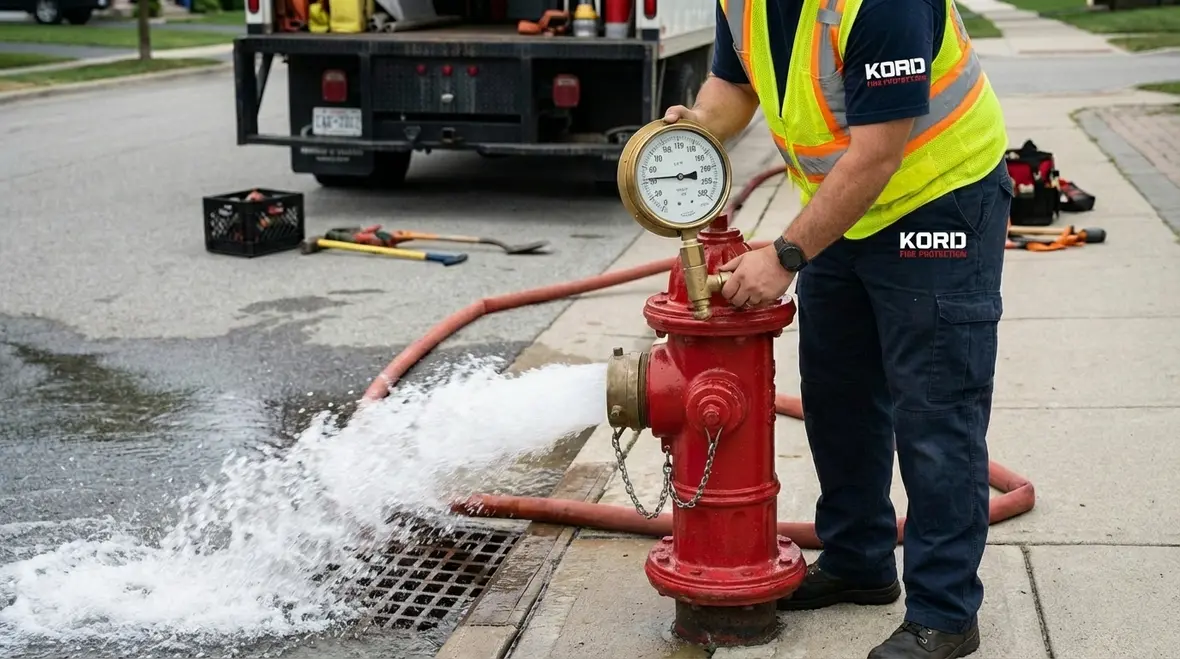
In addition, technicians conduct flow tests to confirm system health. During these tests, they measure static pressure, residual pressure, and flow rate. Static pressure reflects the system at rest. Residual pressure shows the system under demand. Together, they reveal whether the water supply can support emergency operations.
Kord Fire Protection technicians routinely perform these evaluations. Because development changes water demand, older systems may require upgrades. Therefore, routine testing protects both buildings and lives. Their NFPA 291 fire hydrant testing and marking guide explains how color codes and test data work together in the field.
Installation and Placement: More Science Than Guesswork
Codes, spacing, and clearances
Hydrant placement follows strict codes and standards. Cities typically position hydrants at set distances apart to ensure coverage. For commercial properties, additional hydrants may be required based on building size and fire risk.
Clearance also matters. Hydrants need unobstructed space around them so firefighters can connect hoses quickly. Landscaping, fencing, or parked vehicles can create dangerous delays. Consequently, property owners must keep hydrants visible and accessible at all times.
Kord Fire Protection technicians often advise facility managers to treat hydrant clearance as seriously as exit pathways. After all, a blocked hydrant during an emergency is like hiding the batteries from a smoke detector. It defeats the purpose.
Maintenance Responsibilities and Inspection Schedules
Keeping hydrants ready every day of the year
Like any mechanical system, hydrants require regular maintenance. Although they appear sturdy, internal parts wear over time. Corrosion, sediment buildup, and accidental damage can compromise performance.
Routine maintenance typically includes:
- Visual inspections for leaks, cracks, or missing caps
- Lubrication of operating nuts and stems
- Operational testing to ensure smooth opening and closing
- Flushing to remove sediment from the barrel and main
- Verification that drain valves function properly in dry barrel models
Additionally, annual flow testing confirms that hydrants meet required performance standards. Many local codes require documented inspections. Therefore, professional servicing ensures compliance and peace of mind.
Kord Fire Protection technicians emphasize documentation. Detailed records demonstrate that a property owner has taken reasonable steps to maintain fire protection systems. In business terms, that is called smart risk management.
Common Issues and How Professionals Address Them
Trouble signs you should never ignore
Leaks at the Base
These often signal a faulty main valve seal. Technicians must excavate carefully to repair or replace internal components.
Stiff Operation
If the operating nut resists turning, internal threads may need cleaning or lubrication. Forcing it can cause stem damage.
Water Not Draining
In dry barrel hydrants, clogged drain ports prevent proper emptying. As a result, freezing can crack the barrel.
Damaged Nozzles or Caps
Vehicle impact or vandalism may compromise outlet threads. Replacement parts restore integrity and ensure proper hose connection.
Kord Fire Protection technicians approach each issue methodically. First, they isolate the problem. Next, they assess system impact. Finally, they repair or replace components according to manufacturer standards. Because guesswork has no place in fire protection.
The Bigger Picture: Hydrants Within a Complete Fire Protection Strategy
How hydrants team up with other systems
A hydrant does not operate in isolation. It works alongside sprinkler systems, fire alarms, standpipes, and suppression equipment. Together, these systems create layered protection.
For example, sprinkler systems often control a fire before firefighters arrive. However, hydrants supply the additional water needed for sustained response. Therefore, strong municipal infrastructure supports private building systems.
Kord Fire Protection technicians frequently educate property owners about this interconnected approach. When each component receives proper care, the entire system functions as designed. It is teamwork without the motivational posters.
Moreover, understanding how hydrants fit into the broader strategy helps businesses plan upgrades and budget wisely. Instead of reacting to emergencies, they act proactively.
If your property also relies on interior standpipes for high-rise coverage, Kord Fire’s breakdown of Los Angeles standpipe system requirements for high rise buildings shows how exterior hydrants and interior piping work together when firefighters arrive.
FAQ: Fire Hydrants Explained Simply
Conclusion: Protect What Protects You
Fire hydrants stand ready every hour of every day. Yet their reliability depends on design, inspection, and expert care. Kord Fire Protection technicians bring clarity and precision to every hydrant they service, ensuring each component performs when it matters most. Property owners who invest in proper maintenance protect more than buildings. They protect people, assets, and peace of mind.
When safety is the goal, professional support is not optional. It is essential. If you are unsure about the condition of the hydrants serving your site, schedule dedicated hydrant services through Kord Fire Protection and let trained technicians test, inspect, and repair your system before the next emergency puts it to the test.
Know Your Weapon Before You Fight the Flame
Kord Fire Protection is your go-to when it comes to all things fire protection. For over 20 years, we’ve been serving Southern California with the quality service and equipment to keep your home or business safe at all times. Our competitive prices reflect our unwavering commitment to protecting what matters most in the event of a fire emergency. Give us a call, send an email, or use that form!

Join Our Newsletter!
Get the latest fire safety tips delivered straight to your inbox From our Newsletter.


