Fire Fighting Enterprises Beam Detection Long Range Coverage
Fire Fighting Enterprises Beam Detection: How Long Range Detection Works for Protected Spaces
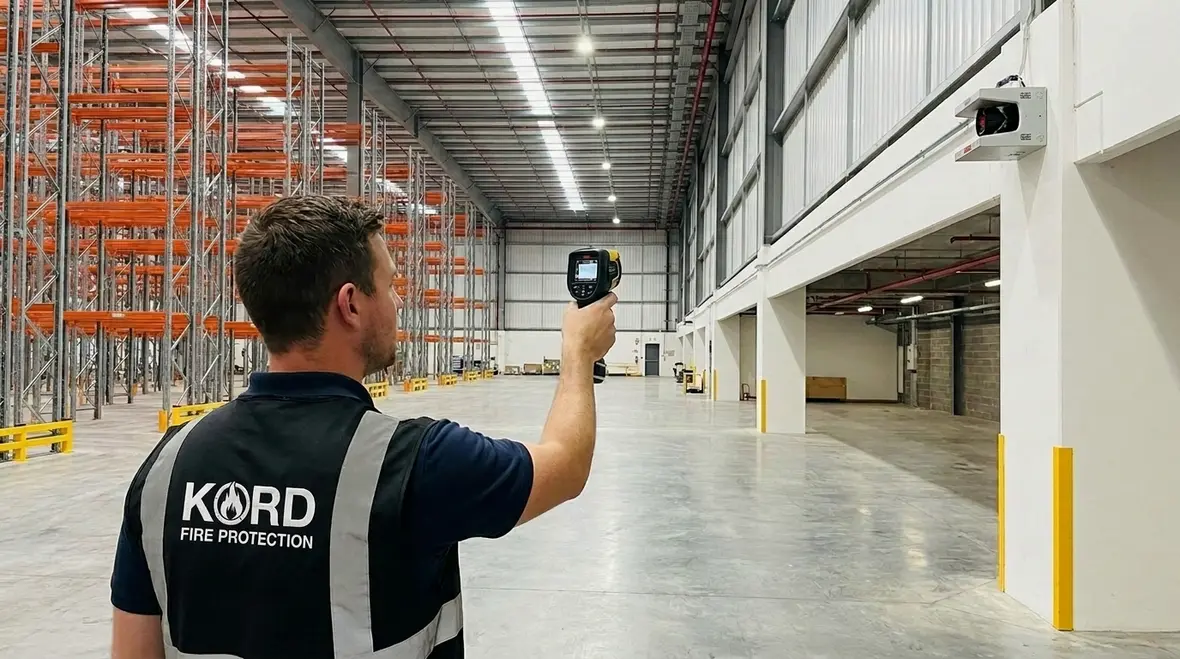
Fire Fighting Enterprises beam detection relies on long range beam smoke detection systems to spot smoke from a distance, often before other devices even finish “warming up.” In the real world, long corridor routes, large warehouses, and high ceiling rooms can hide early smoke movement. That is exactly where long range beam smoke detection systems earn their keep, because they watch a protected line of sight and react when the air between points begins to change.
To be clear, this is not magic, and it is not the stuff of sci fi where smoke politely announces itself. Instead, it is measured. Then, it triggers action. Kord Fire Protection technicians explain the process in simple terms during walkthroughs, so the team understands what the system is doing and why it works in the spaces where “normal” detection can struggle.
Overview of How It Works
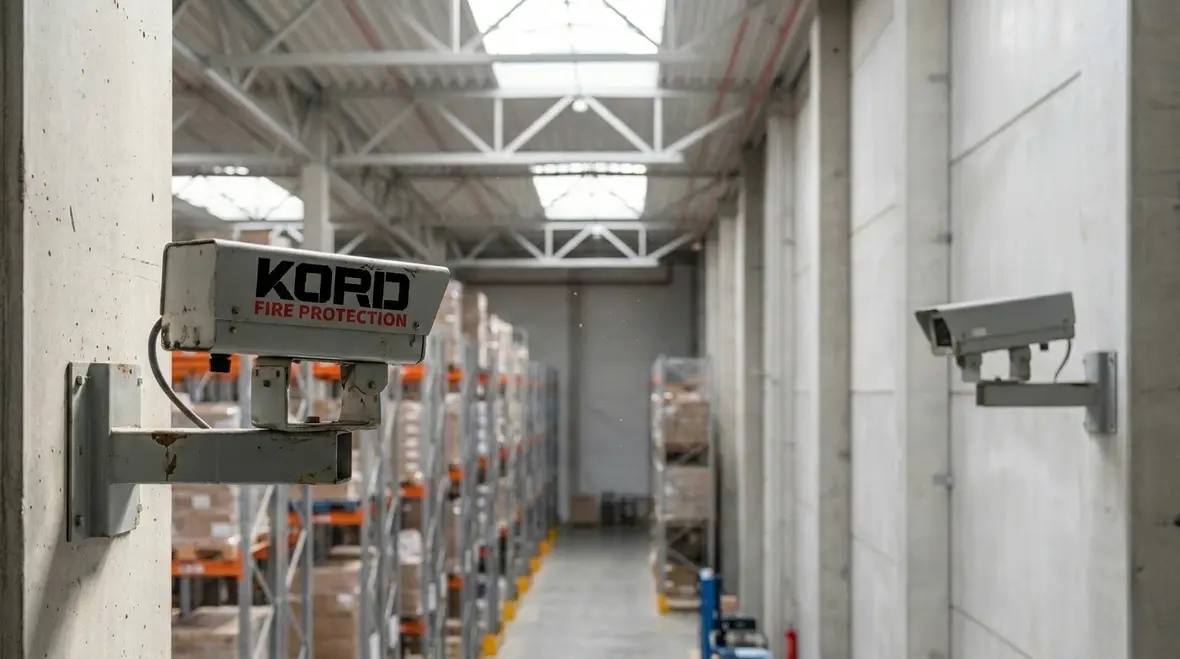
In a basic layout, a transmitter and receiver sit on opposite sides of a space, typically facing each other along a line that matches the airflow risks. Then the system measures how much light passes across the beam path. When smoke enters the path, it absorbs or scatters light, so the receiver detects a change.
Next, the system uses this change to determine alarm thresholds. As a result, it can detect smoke early, especially when smoke first becomes visible in the air column rather than as a dense plume at floor level. Additionally, long range beam smoke detection systems can cover distances that small point detectors cannot, which helps maintain consistent coverage across wide bays.
Now consider the “it worked yesterday, why not today?” scenario. Long range beam detection relies on stable alignment and clean optics. Therefore, proper installation matters. Kord Fire Protection technicians often verify alignment during commissioning and then document the settings so the facility team can track changes over time.
Here is the practical version: long range beam smoke detection systems “see” smoke through light reduction, then they signal the control panel according to programmed thresholds. And yes, they do not care if the smoke comes from cooking, welding, or a grumpy forklift that decided to become a bonfire.
Real World Use Cases in Warehouses, Atriums, and Industrial Bays
Fire Fighting Enterprises beam detection works best where smoke can travel horizontally or where ceilings get so high that spot detection feels like looking for a candle in a stadium.
- Large warehouses and distribution centers: Beam paths can run across wide aisles and between structural steel lines. As a result, early smoke movement triggers quickly, even when smoke does not stay low.
- High bay manufacturing: Smoke from processes can rise and spread. Since long range beam smoke detection systems monitor a line across the space, they catch smoke movement before it concentrates at one spot.
- Retail atriums and multi floor spaces: Air currents move unpredictably. Beam detection can track smoke across a corridor of coverage that fits the architecture better than scattered point detectors.
- Loading docks and mezzanines: These areas often have drafts, changing temperatures, and complex obstructions. Therefore, designers choose beam placement carefully to avoid nuisance alarms while still catching real smoke.
Also, kitted solutions matter. Kord Fire Protection technicians often coordinate beam placement with ventilation patterns and obstruction plans. For example, they may account for ceiling trusses, hanging cable trays, or temporary storage that could block the beam path. If the beam is blocked, the system might interpret it as loss of signal, so planning ahead saves headaches.
Strengths and Weak Points of Beam Detection
Beam detection delivers strong performance when designers match the system to the environment. Still, no system is perfect. It is just more honest than most.
Key Strengths
- Long reach coverage: Long range beam smoke detection systems can span significant distances, which reduces the number of devices needed for full visibility across large spaces.
- Early warning in the right airflow: Because smoke affects the beam path, the system can respond early when smoke spreads through air movement.
- Clear diagnostics: Many beam systems include status information about signal strength and alignment conditions. Consequently, technicians can troubleshoot faster than with vague detection issues.
Real Weak Points to Plan For
- Obstructions: Ceiling items, new racks, or stored goods can block the line of sight. Then the system may report trouble or signal change.
- Dust and weathering: Areas with heavy airborne dust require more frequent cleaning and strict monitoring. If the optics get coated, the signal shifts.
- Alignment drift: Thermal changes and vibration can shift alignment over time. Therefore, it needs planned checks.
Put simply, beam detection is like aiming a spotlight. When everything stays in line, it performs. When someone moves a big stack of pallets directly in the path, the system responds like a polite referee: it calls something out.
Ongoing Maintenance Needs: What Kord Technicians Commonly Schedule
For long range beam smoke detection systems, maintenance keeps the system honest. Without maintenance, the optics drift toward “false alarms” or “missed signals,” and nobody wins that game.
Typically, Kord Fire Protection technicians follow a maintenance rhythm that includes inspection, cleaning, and functional checks. This often includes the following actions:
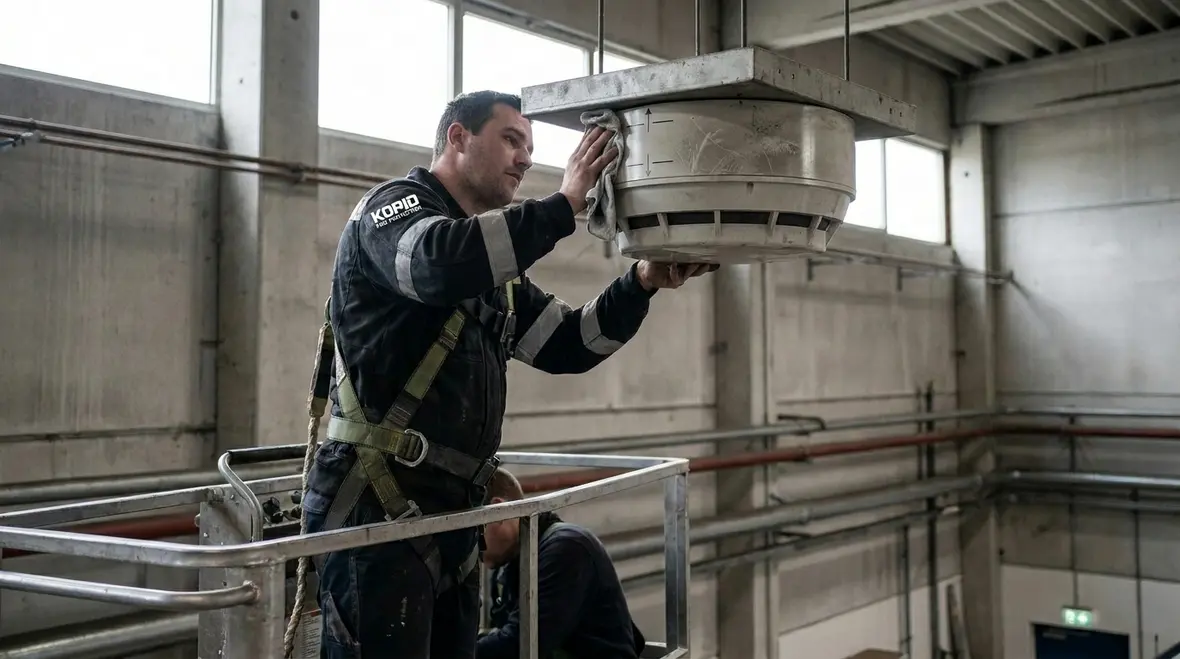
- Optics cleaning: Technicians clean lenses and verify that contaminants have not reduced light transmission.
- Alignment verification: They confirm beam alignment and check that signal strength sits within acceptable limits.
- Visual inspection of mounting: They check brackets, fasteners, and any changes to structural supports.
- Alarm and trouble testing: They perform checks that confirm the system triggers correctly while still meeting local testing procedures.
- Records review: They compare current data to previous service logs to spot gradual drift early.
In dusty or industrial environments, maintenance intervals often shorten because soot and dust build up faster. Even when the schedule looks similar to last year, facilities should revisit the plan after major construction, new duct work, or rack changes. Also, any changes in airflow patterns can alter how smoke travels. As a result, updated design review can sometimes be needed.
And yes, while it may feel tedious, maintenance prevents the all too common situation where staff members learn about their fire detection system during an emergency. That is like learning where the fire exits are while smoke is already doing push ups in the hallway.
Relevant NFPA and Local Code Requirements for Beam Smoke Detectors
Code requirements vary by jurisdiction, but beam detection generally aligns with key fire alarm and smoke detection standards. Fire Fighting Enterprises beam detection designs often reference relevant provisions under the NFPA umbrella, then local authority having jurisdiction requirements finalize the details.
In practical terms, facilities should consider:
- NFPA fire alarm standards: Systems and circuits for fire alarm and supervisory functions follow NFPA guidance, including required testing and documentation.
- Inspection, testing, and maintenance: NFPA rules often specify intervals and the method used for inspection and testing. Therefore, beam systems must fit within that schedule.
- Smoke detection placement rules: Designers follow the smoke detection performance intent for coverage, and they document layout decisions so the system meets the required level of protection.
- Local amendments: Jurisdictions can add requirements for signage, device approval, commissioning reports, and test record retention.
Kord Fire Protection technicians typically help teams gather the right documentation and verify that the installation and maintenance records match what inspectors expect. This reduces surprise requests during plan review or annual inspections.
Using Long Range Beam Systems the Right Way Across a Facility
When teams design Fire Fighting Enterprises beam detection properly, they avoid gaps and nuisance issues. To do that, they should map airflow, confirm mounting stability, and plan for future changes like new racks or temporary storage. Then they can set beam paths where smoke will cross the optical path naturally rather than fight against it.
Additionally, they should schedule maintenance before problems surface and keep service logs ready for inspectors. Finally, they can use long range beam smoke detection systems as part of a complete fire strategy, coordinated with alarms, suppression, and evacuation planning so the facility responds fast and confidently. Because in the end, a detection system is only as useful as the actions that follow.
Conclusion and Call to Action
Long range beam smoke detection systems help facilities catch smoke early in wide spaces where point detection may miss the first signs. Fire Fighting Enterprises beam detection can cover large areas efficiently, but it depends on correct placement, clean optics, and steady alignment. To get it right, facility owners should bring in Kord Fire Protection technicians for design review, commissioning, and a practical maintenance plan. Reach out today to schedule an assessment, and let your fire protection strategy move from guesswork to confidence.
Get a Beam Detection Assessment
If your facility has long corridors, high bays, or warehouse-wide airflow, the right beam layout can make your detection plan feel less like guesswork and more like a system with a job.
Know Your Weapon Before You Fight the Flame
Kord Fire Protection is your go-to when it comes to all things fire protection. For over 20 years, we’ve been serving Southern California with the quality service and equipment to keep your home or business safe at all times. Our competitive prices reflect our unwavering commitment to protecting what matters most in the event of a fire emergency. Give us a call, send an email, or use that form!

Join Our Newsletter!
Get the latest fire safety tips delivered straight to your inbox From our Newsletter.