Apollo Smoke Detection Technology in Fire Alarms
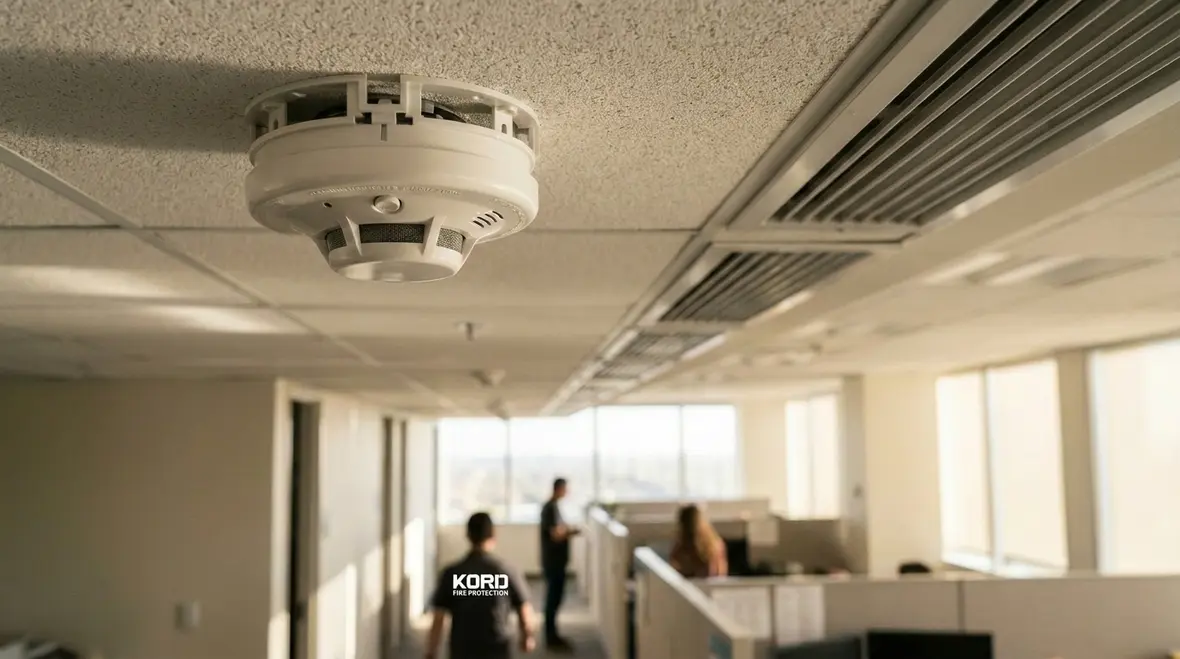
A building should never “guess” when smoke appears. That is why Apollo detection technology plays such a key role in modern fire alarms, using advanced smoke detection technology in fire alarms to spot the earliest signs of danger. When smoke begins to drift, heat rises, or invisible particles gather, these systems trigger the right response fast, not late. And because every site has its own quirks, kord fire protection technicians explain the details in plain language so staff and owners understand what the system sees, what it reports, and what actions follow. In other words, the fire alarm does the worrying so people can get back to doing their jobs, minus the panic.
Overview of how Apollo smoke detection technology works
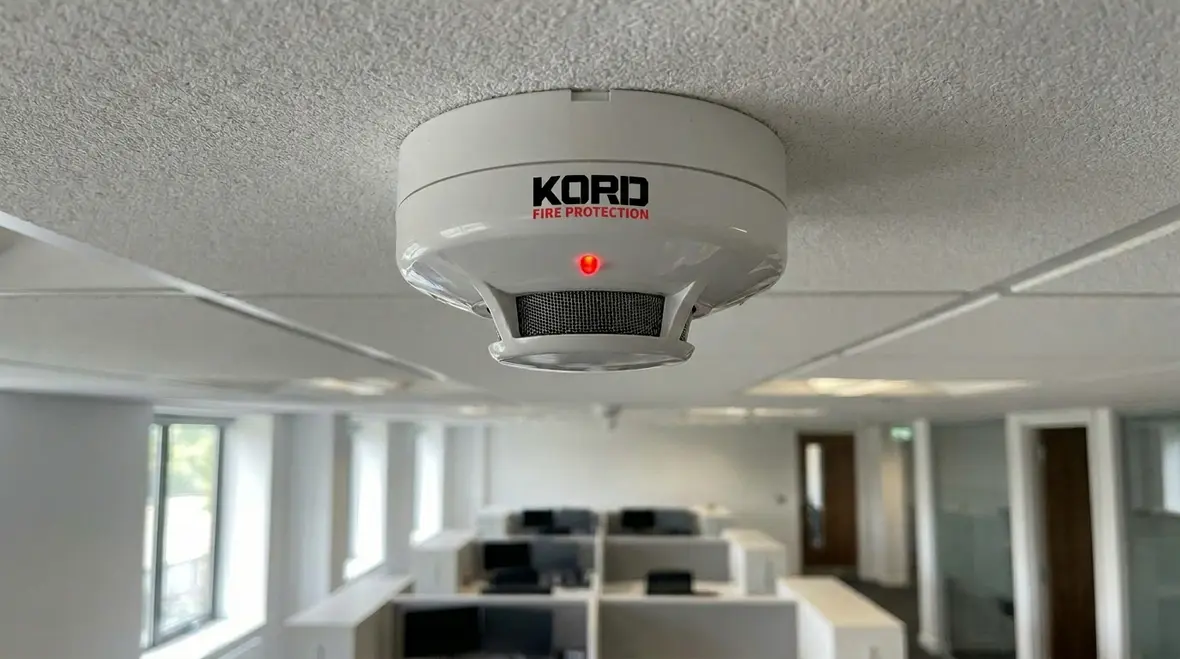
Apollo fire systems rely on sensors that monitor the air for signs of smoke, then send signals to the control panel. From there, the panel verifies the event, places it into the building’s alarm logic, and initiates outputs like notification appliances and control functions. In simple terms, the system works like a careful lookout. It does not stare forever, but it does watch for the specific patterns it was designed to detect.
There are two common styles of smoke sensing that show up in fire alarm applications. First, photoelectric detection looks for light scatter. When smoke enters a sensor chamber, it disrupts a light path, and the sensor measures that change. Second, ionization detection uses an ionization chamber to respond when smoke reduces current flow. Some systems use one approach, and others use designs chosen for the environment.
However, detection alone does not protect the building. Next, the control panel translates sensor signals into system actions. It may delay certain alarms based on programmed settings, and it may use additional logic like verification or alarm thresholds, depending on local requirements. Therefore, the system avoids false alarms when the environment behaves normally but still reacts quickly when conditions turn risky.
Finally, annunciation completes the process. Audible and visual devices alert people, while remote contacts can notify monitoring services. So, the smoke detection technology in fire alarms becomes a full workflow, not just a sensor job.
Real world use cases for smoke detection in buildings
Different buildings face different smoke patterns. Consequently, the “best” setup depends on occupancy type, ceiling height, airflow patterns, and how fast smoke spreads. Here are realistic ways Apollo detection methods get used.
- Healthcare facilities: Long hallways and complex zoning require clear alarm mapping. Smoke detection technology supports early alerts while staff follow evacuation and compartment procedures.
- Warehousing and distribution: Dust and airflow can create challenges. Technicians evaluate detector placement, spacing, and sensitivity settings to reduce unwanted trips.
- Schools and offices: Occupancy schedules matter. Systems often need steady reliability, and trained kord fire protection technicians help staff understand how to respond to alarm signals and trouble alerts.
- Hotels and multifamily: Stairwells, corridors, and multiple floors benefit from zoning and panel logic. When smoke detection triggers the right floor, response times improve.
- Retail: Cooking, cleaning fumes, and seasonal changes can affect sensor behavior. So, smoke detection planning includes nuisance considerations and proper placement near potential sources.
And yes, there are days when a system will “think” the building is burning when it is really just someone using a fog machine for a grand opening. That is why proper design and testing matter. The goal is not drama. The goal is dependable detection.
Strengths and weak points in detection performance
Any detection system has strengths, and Apollo designs aim to balance speed, accuracy, and practical installation. Yet, real environments do not behave like a lab, so weak points can appear when design or maintenance falls behind.
Strengths
- Early warning: Smoke can appear before flames spread, which helps occupants escape and helps fire response teams move sooner.
- Zoning and control logic: Panels can isolate where a condition starts, reducing guesswork during an emergency.
- Scalability: Many facilities can expand with consistent system behavior, as long as the design supports future changes.
- Clear reporting: Trouble and alarm statuses give managers a path to act, not just a siren and a shrug.
Weak points
- Environmental interference: Dust, steam, and certain fumes can create nuisance alarms or masking effects if placement or settings do not match the space.
- Installation errors: Spacing mistakes, wrong mounting, and poor air sampling patterns can reduce performance.
- Maintenance gaps: A sensor that never gets cleaned can drift over time, leading to degraded sensitivity.
- Hidden airflow effects: HVAC supply registers and return paths can move smoke away from detectors or carry it too quickly to create abrupt triggers.
To keep performance strong, kord fire protection technicians often start with site walkthroughs, review ceiling conditions, and coordinate with mechanical design. That way, the detection system matches how the building actually breathes.
Ongoing maintenance needs for reliable smoke detection technology in fire alarms
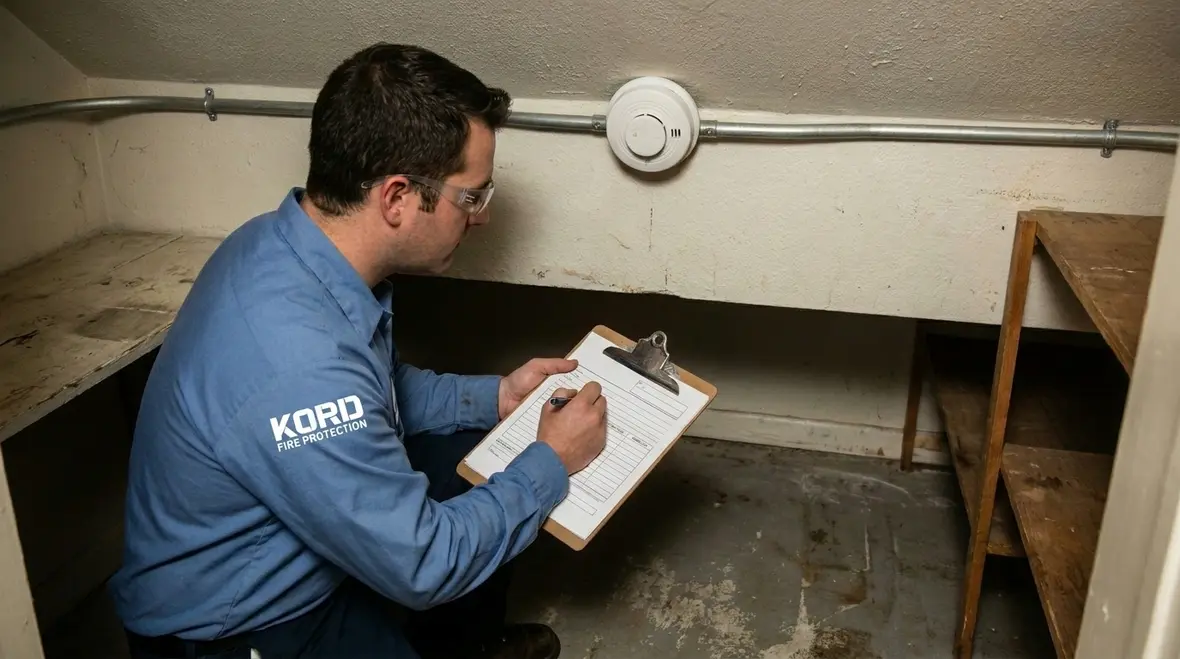
Maintenance turns a good design into a great safety record. Without it, even high quality sensors can underperform. Therefore, the best approach includes scheduled inspections, cleaning, and performance checks based on the manufacturer’s guidance and local code.
In practice, maintenance often includes these tasks:
- Visual inspection: Technicians confirm the detector is clean, properly seated, and free from physical damage.
- Cleaning: Light dust can build up. Cleaning helps sensors respond as intended.
- Functional testing: Tests confirm that the sensor and panel communicate, and that notification appliances activate correctly.
- Trouble review: Technicians investigate recurring trouble codes, then fix causes rather than clearing alarms and hoping for the best.
- Record keeping: Every inspection should be documented so future teams can track trends.
Dual column guidance helps teams stay consistent. The table below shows what owners typically notice versus what technicians monitor.
|
Owner view
|
Technician view
|
Next, kord fire protection technicians typically explain what they do and why, so staff can recognize meaningful system messages. Moreover, they help owners plan around remodeling, tenant fit outs, and HVAC changes, because those updates can shift airflow and alter smoke behavior.
Relevant NFPA and local code requirements
Fire alarm systems do not run on “good intentions.” They follow codes that guide design, installation, testing, and maintenance. While each jurisdiction can adjust requirements, many sites reference widely adopted standards such as NFPA.
- NFPA 72 governs fire alarm systems, including requirements for inspection, testing, and maintenance.
- NFPA 101 can apply based on occupancy type, especially regarding life safety features and evacuation provisions.
- Local amendments often add specific testing intervals, wiring rules, or response expectations for authorities having jurisdiction.
Therefore, a compliant approach means coordinating the design with the intended use of the building, verifying that detectors and notification appliances match the code plan, and maintaining records as required. If a building changes, teams should review the system configuration. After all, code compliance is not a one time event. It is a lifestyle choice.
How kord fire protection teams deploy these systems effectively
Now that the fundamentals are clear, the practical question is how teams implement them without surprises. First, kord fire protection technicians review the floor plan, ceiling layout, and HVAC conditions, because smoke movement rarely respects straight lines on paper. Next, they match detector types and placement to the room’s hazards and airflow patterns. After that, they coordinate zoning with the control panel so alarms identify the correct area fast.
Then they validate performance through testing, and they educate building staff on response steps. Even small details matter, like what a trouble signal means, how to report alarm events, and who contacts monitoring services. In short, they treat the system like a living part of the building, not a set it and forget it box.
And yes, when people understand the system, the system works better. That is not a philosophy. It is how real operations play out.
FAQ about Apollo smoke detection and fire alarms
Conclusion and call to action
Smoke detection technology in fire alarms earns its value when it stays reliable, properly placed, and correctly maintained. Apollo detection technology can provide early, clear alerts, and kord fire protection technicians help teams design, test, and support systems that match how the building actually works.
If your facility needs an inspection, a system upgrade, or a maintenance plan that fits real operations, reach out today. Let’s make sure your alarm system responds with calm precision, not confusion.
Know Your Weapon Before You Fight the Flame
Kord Fire Protection is your go-to when it comes to all things fire protection. For over 20 years, we’ve been serving Southern California with the quality service and equipment to keep your home or business safe at all times. Our competitive prices reflect our unwavering commitment to protecting what matters most in the event of a fire emergency. Give us a call, send an email, or use that form!

Join Our Newsletter!
Get the latest fire safety tips delivered straight to your inbox From our Newsletter.