Kentec Fire Control Panels and Fire Alarm Control Panel Logic
Overview of How It Works: Kentec Fire Control Panels and fire alarm control panel logic
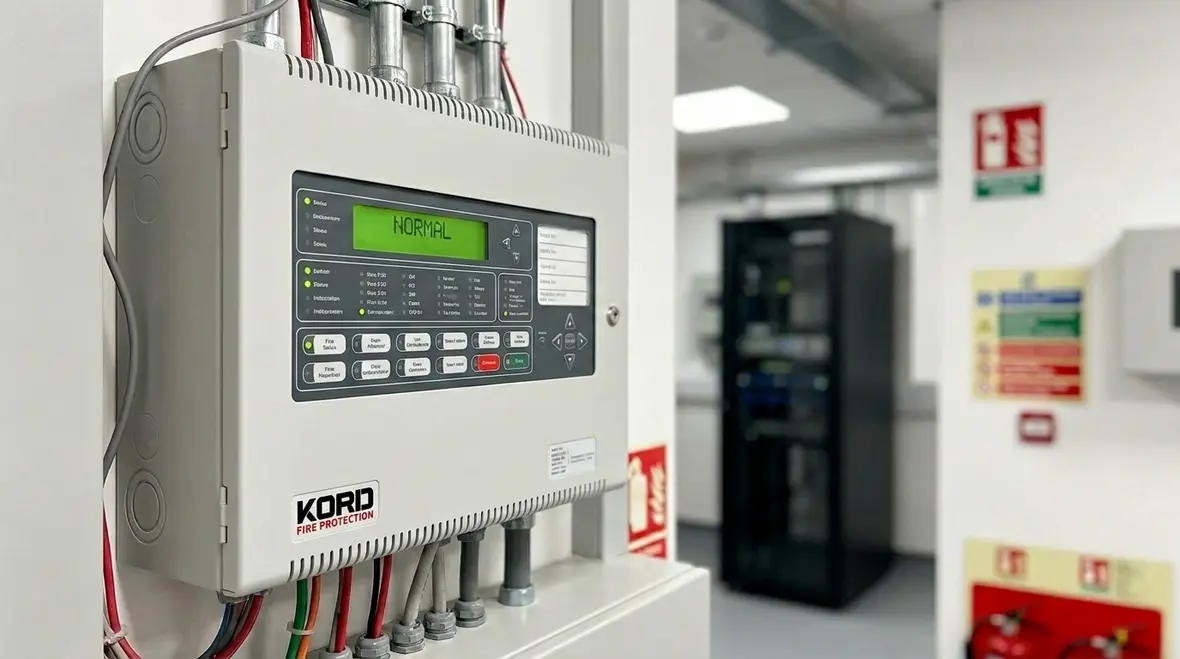
When a Kentec fire control panel receives a signal, it does not simply “beep and hope.” Instead, it follows fire alarm control panel logic that turns raw detector inputs into clear actions for life safety. First, the system checks the point type, reads trouble and alarm states, and then applies the programmed sequence that matches the building’s design. Next, it decides what should happen now, what should happen later, and what should stay quiet until it truly needs to speak up.
In plain terms, the panel acts like a careful traffic cop for emergencies. However, it stays calm while humans panic, because that is literally the job. And yes, it still seems magical when it works on the first try. Many kord fire protection technicians explain this flow step by step, because once people understand the logic, they also understand why the panel behaves the way it does in real events.
Under the hood, the panel logic ties together zones, initiating devices, control outputs, and timing rules. As a result, it can activate notifications, manage delays where allowed, confirm supervisory conditions, and log events for later review. This helps operators and techs trust what the system reports, not just what it sounds like.
Real World Use Cases in Modern Buildings
Real buildings rarely behave like textbook examples, and so the logic matters most in the moments that feel messy. For instance, in a multi story office, detectors in one suite might report early smoke. The Kentec panel then processes those inputs, confirms alarm criteria based on the configuration, and immediately triggers the correct evacuation outputs. At the same time, it can supervise ancillary functions such as elevator recall interfaces, depending on the project requirements.
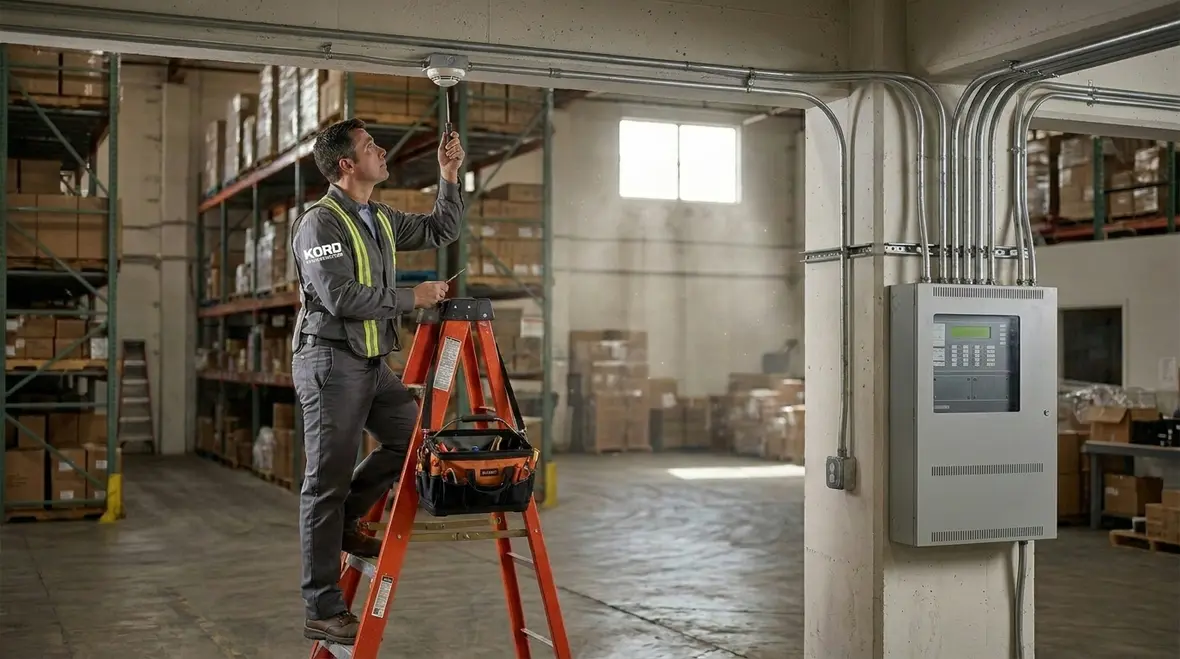
In warehouses, logic often balances speed with safety. Some areas can have nuisance risks, so the system uses rules for how it counts signals and how it handles supervisory states. Then it can send a trouble condition when a device fails, instead of pretending everything is fine. Likewise, when duct smoke detectors activate, the panel can coordinate outputs that match smoke control plans, rather than firing random relays like a sitcom character pressing every button at once.
In healthcare facilities, the logic must respect staged action. Therefore, it can manage alarm signaling patterns, message priorities, and device response behavior in a way that supports evacuation without causing confusion. Moreover, kord fire protection technicians often walk building teams through these scenarios during commissioning, because they want decision makers to recognize why the panel took a specific step.
Control Logic Flow: Inputs, States, and Output Actions
To understand the Kentec approach, it helps to see the logic as a chain. First comes the input. That input can be an alarm initiating device, a supervisory input, or a trouble input. Next, the panel maps that input to its programmed category. Then it decides what state the system should enter: normal, trouble, supervisory, alarm, or pre alarm if the program uses that concept.
After the panel sets the state, it executes output actions. These include signaling devices, alarm relays, and other control outputs tied to the building’s life safety strategy. At this point, timing rules often matter. Some systems allow delays for functions like releasing certain outputs, as long as code and listing allow it. Meanwhile, the panel still needs to report the alarm condition immediately to the control environment so people do not lose critical awareness.
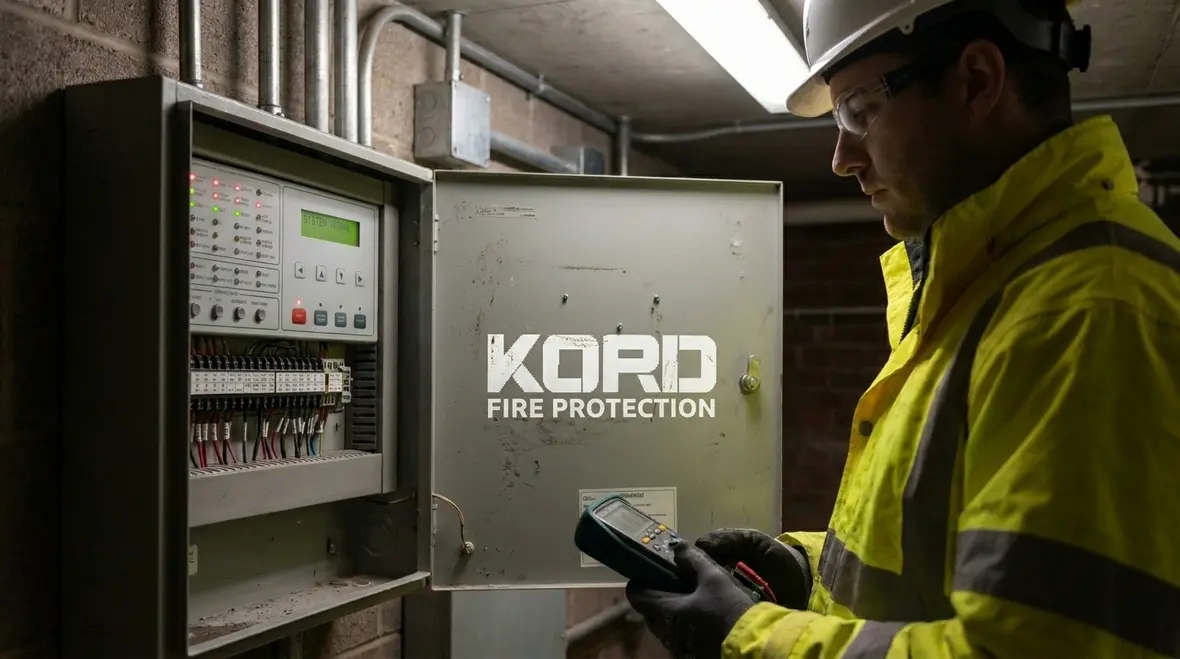
Importantly, the panel logic also supports event logging. As a result, it tracks what happened, when it happened, and which input initiated the chain. Later, kord fire protection technicians and fire alarm service teams use those logs to confirm sequence behavior and to troubleshoot anything that seems off. In a real sense, the panel becomes a record of decisions, not just a box of electronics.
Strengths and Weak Points in Daily Operations
Kentec fire control panels often earn strong trust because the logic can be mapped to a real plan. When the system is programmed well, it produces consistent results during testing and during true events. In addition, the panel’s programming structure supports clear mapping between device points and building functions. This helps service teams keep updates organized instead of turning the job into a scavenger hunt.
Another strength involves clarity for trained staff. When kord fire protection technicians explain the logic, they can connect each output to a reason. Therefore, building teams learn what actions the system should take in specific conditions. That reduces guesswork and prevents well meaning people from overriding systems they do not fully understand.
Now, for the honest part. Weak points usually come from poor configuration, incomplete as built documentation, or rushed changes. If someone updates a circuit without updating the logic sequence or labels, the system can still function but the meaning can become unclear. In other words, the panel may be doing the right job with the wrong story attached. And if the building team treats testing like a checkbox, small logic issues can hide until they get expensive.
Also, any panel depends on device health. Dirty smoke detector chambers, failing notification appliances, and worn wiring connections can create trouble patterns that confuse staff if maintenance stays light.
Ongoing Maintenance Needs to Keep Logic Reliable
Maintenance should not just “keep it running.” It should preserve fire alarm control panel logic accuracy over time. That means inspection, testing, and verification of both devices and programming related functions. For example, when technicians service smoke detectors, they must confirm that sensitivity settings remain within required limits and that the devices report correctly back to the panel.
Additionally, the system’s outputs should get routine attention. Notification appliances can drift out of tolerance, and relays can develop intermittent behavior. Therefore, service teams test not only that output activates, but also that it activates under the correct conditions. Then they verify that trouble and supervisory behavior still matches the intended design.
Furthermore, documentation matters. When kord fire protection technicians review site records, they cross check device lists, point mapping, and any modified control sequences. If the building undergoes tenant improvements, the fire alarm logic often needs updates to remain aligned with the life safety layout. When teams fail to do this, they end up with logic that no longer matches reality, and reality always wins, eventually.
Finally, scheduled software and firmware reviews support dependable operation. Not every update is required, but when changes occur, the service process should validate the behavior of alarm and supervisory sequences. That way the panel stays consistent instead of surprising anyone during an annual test.
Relevant NFPA and Local Code Requirements
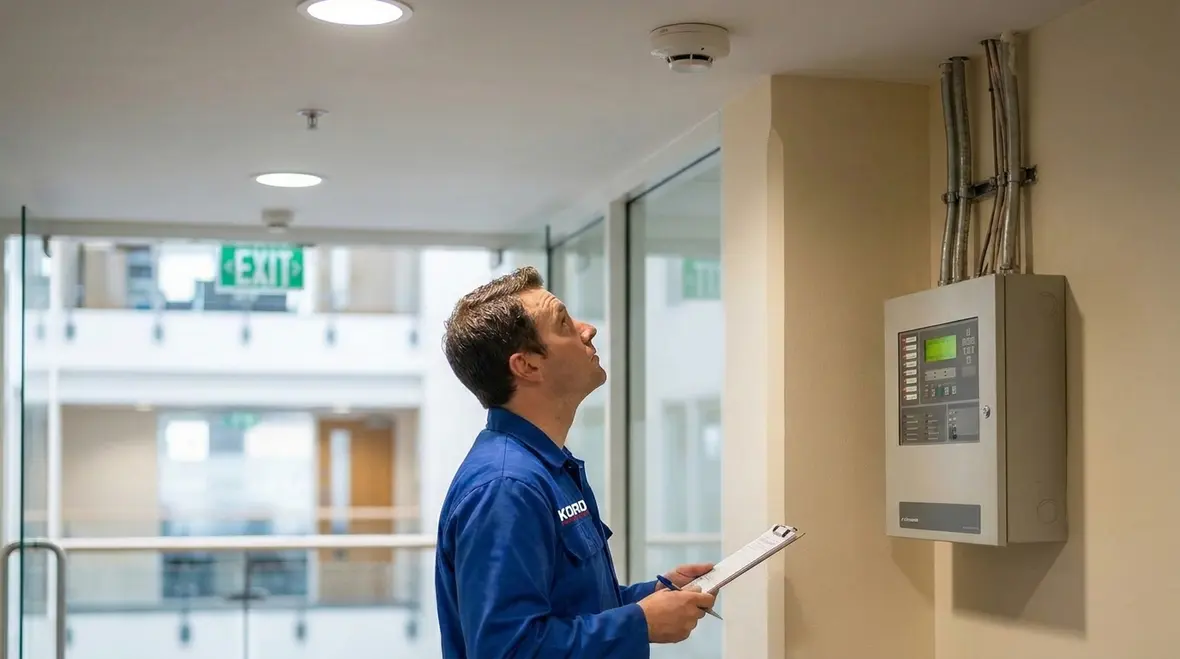
Fire alarm systems run on code, and codes require maintenance, testing, and proper installation practices. Many projects follow the NFPA series, especially NFPA 72, which covers fire alarm systems. NFPA 72 addresses system design requirements, notification appliance behavior, initiating device testing, supervisory functions, and maintenance schedules. It also supports recordkeeping practices that help service teams and authorities verify that the system stays reliable.
Depending on the project type, local amendments can add requirements for inspection frequency, testing methods, response procedures, and software change documentation. In addition, some jurisdictions require specific acceptance testing after any programming changes, especially when changes impact evacuation or monitoring functions.
Therefore, the best practice involves coordinating with the local authority having jurisdiction before major changes. Then, kord fire protection technicians can verify compliance as they test and validate that the panel logic still works as intended under code controlled conditions.
How Teams Use These Systems After the Design Is Set
Once the system is installed and accepted, the value shows up every day. Building operators use the panel history to understand trends. Service teams use the point mapping to find issues fast. Meanwhile, occupants benefit when notification patterns remain clear and consistent. And yes, when staff finally learn what trouble codes mean, fewer people call for help about a problem they could interpret with one calm look at the display.
When we apply these systems thoughtfully, we can reduce downtime, strengthen response confidence, and keep fire alarm control panel logic aligned with the building’s actual layout. As a result, emergencies get met with less confusion and more speed, and inspections feel less like a mystery novel and more like a straightforward checklist.
FAQ: Quick Answers for Featured Snippets
Conclusion and Call to Action
Kentec fire control panels deliver dependable protection when their logic stays aligned with the building and the code. Therefore, teams should plan maintenance that tests both devices and the programmed sequence, keep documentation accurate, and validate outputs after any changes. If kord fire protection technicians explain the flow and help your staff understand the system, everyone responds with more confidence. Ready to confirm your operation and logic today? Contact our fire alarm service team for a review, testing plan, and clear next steps that keep life safety decisions precise and calm.
Talk to Kord Fire About Fire Alarm Service
If you want a deeper “what happens behind the scenes” read for your team, pair this with our related guide: How Smoke Detectors Communicate With Alarm Panels.
Know Your Weapon Before You Fight the Flame
Kord Fire Protection is your go-to when it comes to all things fire protection. For over 20 years, we’ve been serving Southern California with the quality service and equipment to keep your home or business safe at all times. Our competitive prices reflect our unwavering commitment to protecting what matters most in the event of a fire emergency. Give us a call, send an email, or use that form!

Join Our Newsletter!
Get the latest fire safety tips delivered straight to your inbox From our Newsletter.