Emergency Standpipe Pressure Testing for High Rises
Quick answer: High rise buildings rely on standpipes to move water fast when a fire happens. Regular standpipe pressure testing helps confirm the system can deliver the required flow and pressure. It also reduces surprises during audits and inspections. Kord Fire Protection can support scheduling, documentation, and ongoing compliance, so teams stay ready.
In a high rise, every second matters, and every valve should do what it promises. That is why Emergency Standpipe Pressure Testing belongs in the real world conversation early, not as a last minute panic button. When smoke fills a stairwell or alarms start singing like a song you did not request, the building needs dependable water delivery. Regular pressure tests help confirm that the standpipe system performs under the conditions it will face.
Meanwhile, many facilities teams learn the hard way that “it should work” is not the same as “it will work.” So, they test, they document, and they correct. And then, for buildings across Australia, they choose partners who treat fire safety as a process, not a checkbox. That is where Kord Fire Protection can become a vital partner, helping coordinate testing and keep records in order, so compliance does not become a late night mystery.
For teams that want broader support beyond a single test date, Kord Fire also offers full fire protection services that fit naturally alongside standpipe testing, reporting, and long term system readiness.
Why standpipe pressure testing protects lives and assets
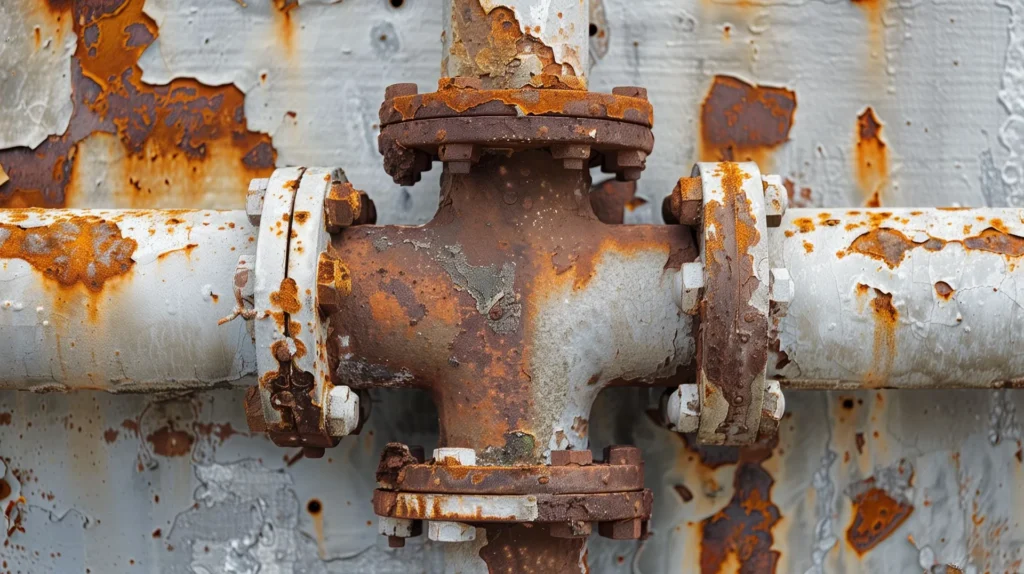
Standpipes sit at the center of high rise firefighting support. They provide a dependable water source for firefighters and trained building staff, and they also help reduce the time needed to establish an effective water supply. However, standpipes do not stay perfect forever. Pipes corrode, valves stick, sensors drift, and changes in building operations can affect how water moves.
Regular testing validates pressure and flow performance, and it helps catch issues before they show up during an incident. As a result, facilities can address problems while they still have options. Also, testing supports risk management. It shows that the building owner acts with intent, not hope.
And yes, the “hope” approach can be funny in movies, but in a plant or a shopping precinct, it is not a strategy. Fire safety demands evidence.
Why evidence beats assumptions every time
A pressure reading gives a team something solid to work with. It separates assumptions from actual system behavior. If the numbers drift, if pressure falls away under flow, or if an outlet does not respond as expected, the building gets an early warning before an emergency turns that problem into a headline nobody wants.
That is also why related guidance from Kord Fire, including their standpipe system pressure testing tips for reliability, fits naturally into a smarter maintenance plan. It reinforces the same idea in plain language: test it like it matters, because it does.
What high rises experience between inspections
High rises go through constant change. Tenants come and go. Pumps get serviced. Fire doors get replaced. Stairwell doors get adjusted. Contractors run new routes for cable trays. Even minor building works can affect valves, hose connections, or the way water reaches standpipe outlets.
Over time, the system may develop hidden weaknesses. For example, a partial blockage can reduce flow, yet the pressure readings might not scream “problem” at first glance. In addition, maintenance teams may replace parts that look identical, but do not match the original performance requirements.
Therefore, pressure testing acts like a reality check. It confirms that the standpipe system still meets the expected operating conditions after the building evolves. Then, it gives teams clear direction on what to fix, rather than vague guesses that waste time.
The slow drift problem nobody notices right away
The tricky part is that most standpipe problems do not arrive wearing a name tag. They creep in. A setting changes. A valve gets nudged. A component ages a little more. Then one day the system behaves differently, and everyone acts surprised even though the clues were there all along. Pressure testing catches that drift before it becomes an expensive lesson.

The testing process that actually matters
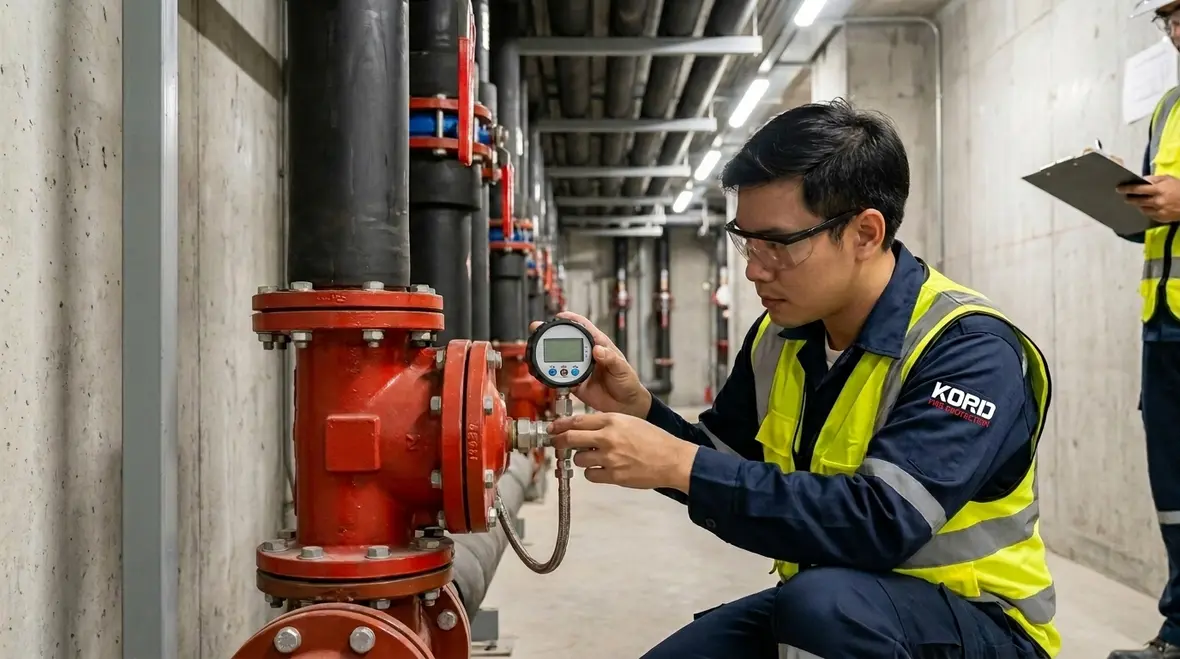
A strong standpipe pressure testing program does more than take a single reading. It assesses how the system performs when the building asks for water under pressure. Typically, service teams check pressure at relevant locations and verify that the system maintains stable performance while water flows.
Moreover, good testing ties into system documentation. It includes clear records of test points, results, dates, and any defects found. That matters during internal reviews, insurance discussions, and regulatory audits. If something fails, the test evidence helps pinpoint whether the fault lies with valves, pipework, pumps, or other components.
To keep the process smooth, Kord Fire Protection can assist with planning and coordination. They help align testing with building schedules, so operations do not grind to a halt. And because records matter, they help ensure the documentation matches what stakeholders expect.
Pressure and flow tell the full story together
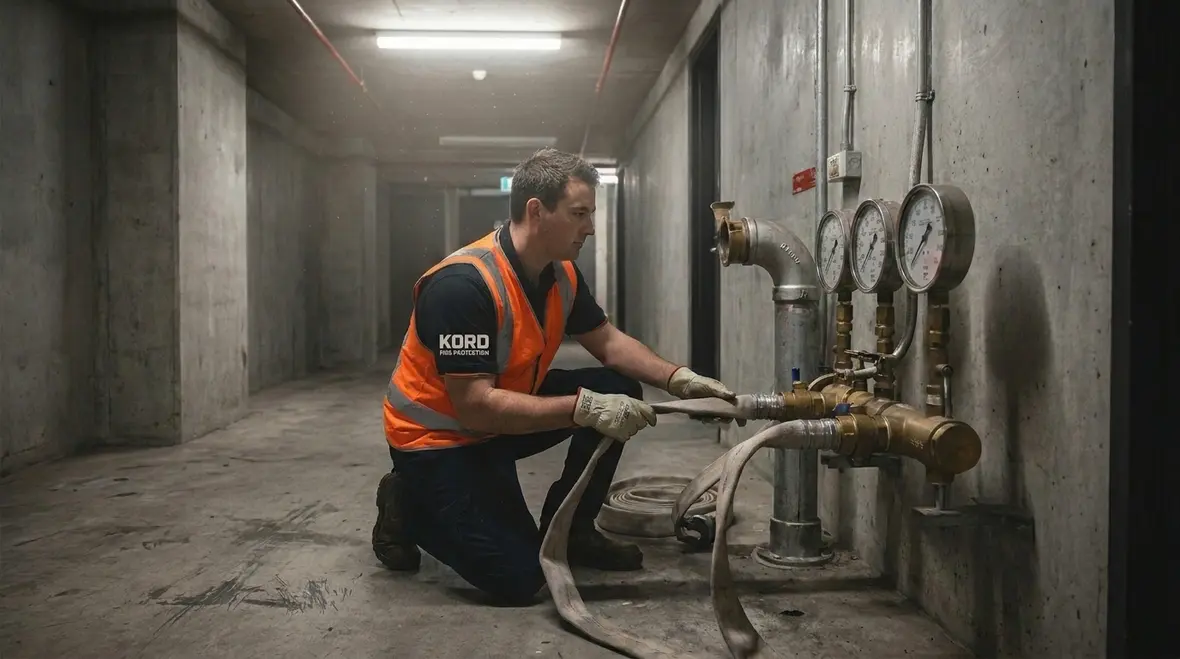
Pressure without context can be misleading. A system may show acceptable static pressure and still struggle when water actually moves. That is why it helps to think in terms of pressure and flow together. Kord Fire covers that connection well in their standpipe flow test guide for fire protection, which is a helpful companion for facilities teams trying to understand what the readings really mean.
Common failure points in standpipe systems
Many standpipe issues follow predictable patterns. Water systems deal with temperature swings, sediment, and repeated use of components during testing and emergency exercises. Over time, these factors can impact performance.
- Valve problems: Valves can stick or fail to open fully due to corrosion or worn seals.
- Outlet connection issues: Hose connections can become misaligned or obstructed by minor damage.
- Flow restriction: Scale, debris, or internal pipe wear can reduce effective flow.
- Pump and control mismatches: Changes in pump settings or control logic can affect pressure delivery.
- Access and configuration drift: Renovations can indirectly affect how crews reach and use standpipe outlets.
Because these faults can develop quietly, regular Emergency Standpipe Pressure Testing and related standpipe checks become essential. They help facilities catch performance drop offs before they become operational failures.
The small faults that love causing big headaches
Sometimes the issue is dramatic. More often, it is annoyingly small. A tired gasket, a hidden restriction, a sticky valve stem, or a gauge that is feeling a little too creative can all distort results. Those are the kinds of faults that waste hours, confuse teams, and make everyone stare at the equipment as if it might confess.
How Kord Fire Protection supports compliance across Australia
Facilities in industrial, retail, and commercial spaces often manage multiple priorities at once. Fire protection should not become the department that always gets squeezed last. When Kord Fire Protection supports the standpipe pressure testing program, it helps facilities keep safety work organized, consistent, and properly documented.
As a vital partner, Kord Fire Protection can help streamline coordination, scheduling, and reporting. In practice, that means fewer surprises for building managers, fewer gaps in records for compliance teams, and clearer next steps when results show defects or trends.
In addition, their role helps teams maintain a continuous improvement cycle. Instead of testing, hoping, and forgetting, facilities can address findings, then re check performance later to confirm fixes held. That approach turns pressure testing into a managed safety workflow, not a one time task. And frankly, it saves time, which is the most valuable currency in Australia right after coffee.
For building teams wanting a stronger foundation, Kord Fire also has useful related resources like their standpipe system inspection checklist guide and standpipe system requirements and how it works, both of which help connect testing results to the bigger picture of system reliability.
Scheduling and frequency for high rise sites
Standpipe systems do not run on vibes. They run on schedules, risk profiles, and operational realities. Therefore, facilities usually set a testing cadence based on regulatory needs, system age, known maintenance history, and the building’s risk level.
After major refurbishment, pump changes, or valve replacements, it makes sense to test sooner rather than later. If the building experiences prolonged inactivity or changes in water supply conditions, testing can prevent performance drift. Also, when facilities plan testing well in advance, they can protect operations, manage access, and coordinate with stakeholders.
When testing frequency matches the building’s actual risk, it reduces the chance of late surprises. And if problems appear, teams address them while they still have time to fix them properly.
Schedule early, panic less
There is a simple operational truth here. Planned testing is calmer, cheaper, and easier to document than reactive testing after an issue pops up at the worst possible moment. Nobody likes scrambling through access arrangements, contractor availability, and half remembered records because a deadline suddenly became very real.
What records should include for strong audits
Pressure testing creates value when the results live in the right files. Clear records help facilities prove that they managed the system with care. They also help future contractors understand system conditions at specific points in time.
Good documentation typically includes test dates, test points, pressure and flow results, identified defects, and any corrective actions. It should also reference the system configuration tested and the person or company responsible for the work. When facilities maintain complete records, they reduce time spent rebuilding history during audits.
Because stakeholders often want fast answers, well kept records help. They show trends, support decisions, and improve the quality of next steps. Kord Fire Protection can help ensure testing records remain clear and useful, so compliance does not turn into detective work.
Good records save future you from nonsense
A clean report does more than satisfy an audit. It gives the next technician, building manager, insurer, or compliance lead a usable trail. That means less guesswork, fewer repeated mistakes, and a much smaller chance that someone has to reconstruct the system’s life story from scraps of email and a suspiciously confident spreadsheet.
FAQ
Conclusion
Regular standpipe pressure testing protects people, reduces operational risk, and strengthens compliance for high rise industrial, retail, and commercial buildings across Australia. When facilities test thoughtfully and document clearly, they prevent “might work” from becoming a painful reality.
Kord Fire Protection can support this work with coordination and reporting, so your next round of testing stays organized and actionable. If a building manager wants fewer surprises, they start now. Contact Kord Fire Protection to plan your standpipe pressure testing program.

Join Our Newsletter!
Get the latest fire safety tips delivered straight to your inbox From our Newsletter.