Fire Protection System Upgrades for Modernized Facilities
Quick Answer: Modernizing a facility’s fire protection improves life safety, reduces downtime, and helps meet Australian compliance expectations. With the right Fire Protection System Upgrades, sites can move from reactive repairs to planned resilience. Kord Fire Protection can support the process end to end, from assessment to commissioning and ongoing service.
Fire can be dramatic in movies and brutally unfair in real life. That is why modernizing a facility’s fire protection matters to industrial, retail, and commercial operations across Australia. When facilities upgrade aging systems, they reduce risk to people, protect assets, and lower the odds of a major event turning into a months long recovery story.
In this article, Kord Fire Protection is positioned as a vital partner for these jobs. They help organisations plan upgrades that match real building conditions, not just a checklist. And yes, that means fewer “we thought it was fine” moments, which is a fun phrase until it is attached to incident reports.
Facilities looking at broader fire protection infrastructure modernization often find that upgrades work best when they are planned as part of a full operating strategy, not as a string of disconnected fixes.
Plan upgrades that match the facility, not just the paperwork
A strong modernization plan starts with the facility as it actually operates. The best teams review occupancy patterns, maintenance history, and the locations where risks change over time. For example, an industrial site may add new machinery, change storage density, or reconfigure work cells. A retail tenant may expand displays, relocate stockrooms, or alter staff flow. These changes shift fire load and detection needs.
Next, the plan should define what “better” means. It might mean faster detection, clearer alarms, improved zoning, or better smoke control. It may also mean aligning with local requirements and internal risk criteria. Then, Kord Fire Protection can step in to guide this process with practical field knowledge. They help owners move from vague concerns to measurable system improvements, including how upgrades will affect operations during installation.
What a real upgrade assessment should include
That assessment should look at more than what is mounted on the wall today. It should consider how the building is used during peak and off peak hours, where temporary storage tends to collect, how often plant areas change, and whether past faults point to repeat problems. It should also look at access for service, because a device that exists but cannot be safely maintained is not exactly winning medals for practical safety.
Upgrade detection and alarm performance without shutting everything down
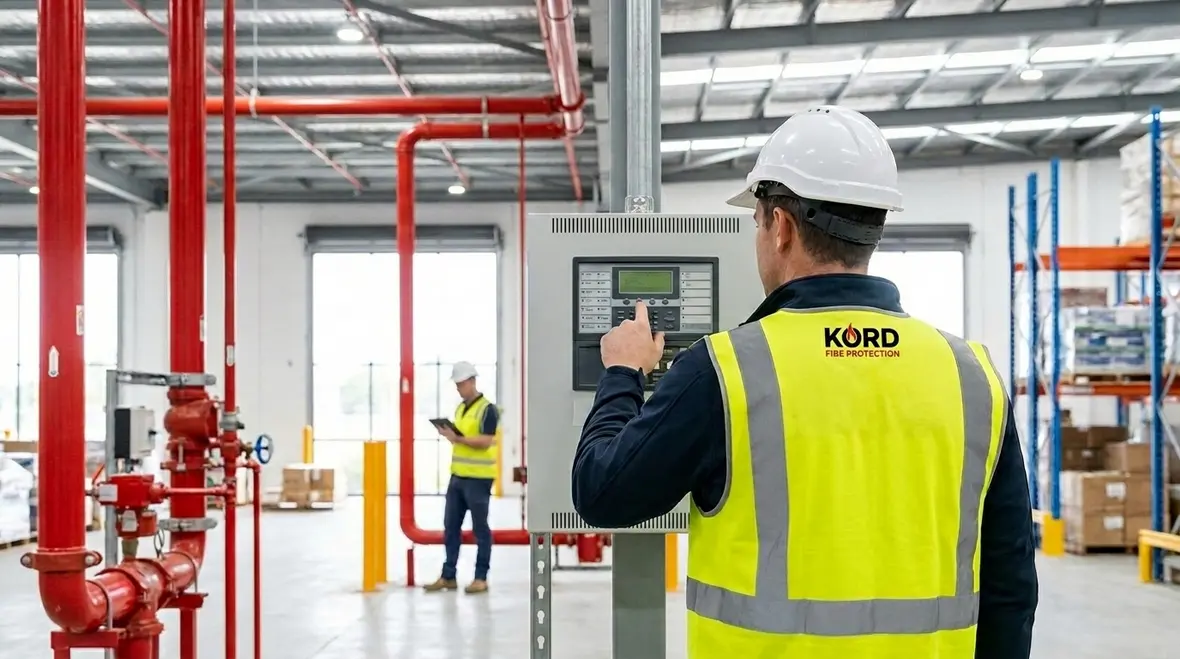
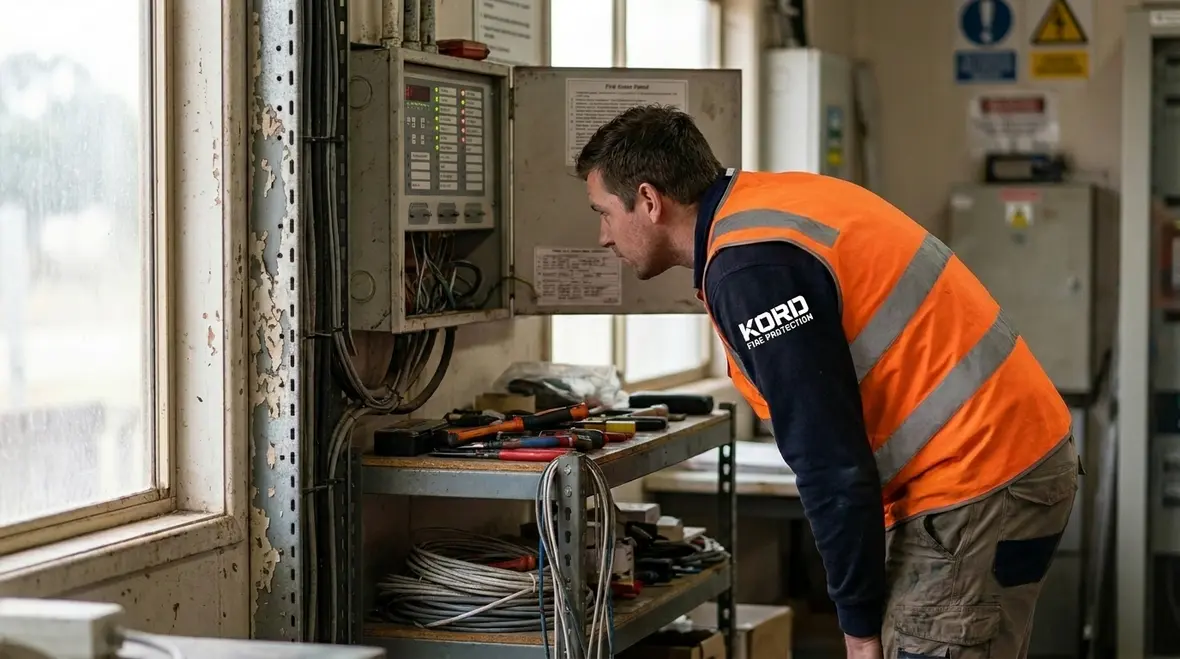
Detection and alarm systems often sit at the center of a modernization effort, because they influence how quickly occupants and responders act. However, many facilities cannot simply close for weeks. Therefore, upgrades should be staged, with temporary protection where needed and clear communication for on site teams.
Modern detectors and panel logic can improve sensitivity management and reduce nuisance alarms. Also, better alarm zoning helps people understand where the issue is occurring. Instead of a single loud event that makes everyone freeze like a deer in headlights, teams can receive more precise alerts and follow procedures more confidently.
To keep this practical, Kord Fire Protection can coordinate upgrade sequencing, test methods, and commissioning steps so sites can continue operating while work stays controlled. That planning reduces surprises, which is a rare luxury in the world of maintenance.
Why staged installation matters
Staged work helps operations keep moving while the protection strategy stays intact. Zones can be upgraded in a logical order, temporary measures can cover isolated areas, and staff can be briefed before each change goes live. That is a lot better than turning up on Monday to discover the building has entered its own surprise plot twist.
Protect high risk areas with smarter coverage and dependable power
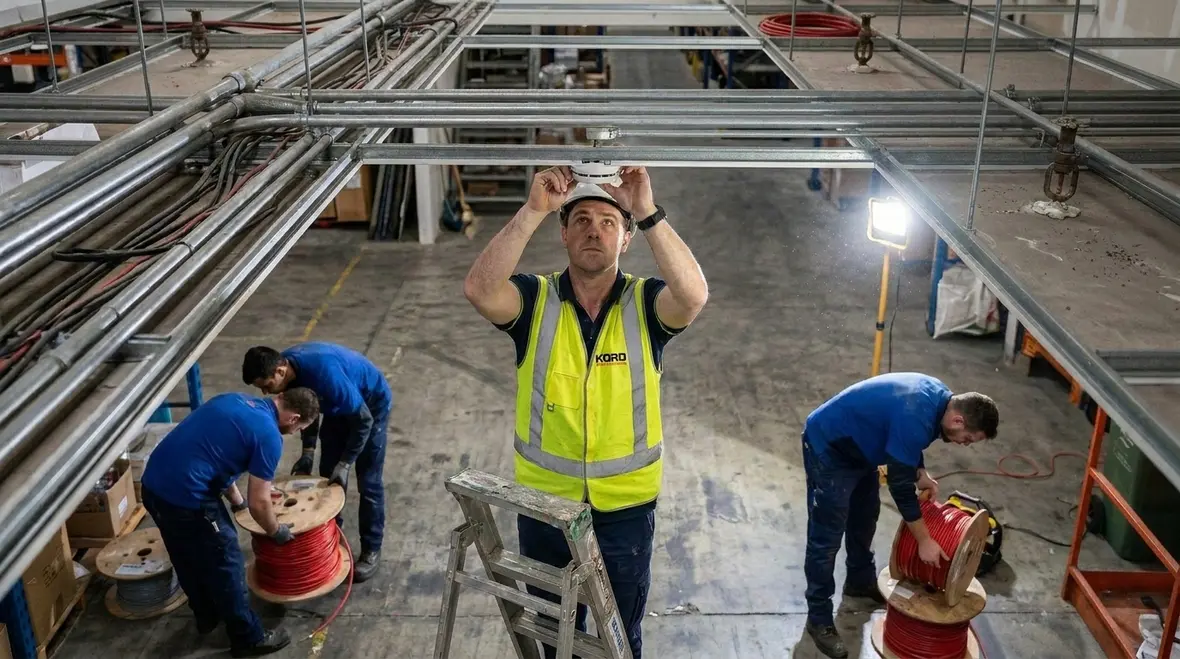
Facilities in Australia often include complex risk zones such as plant rooms, loading docks, switch rooms, storage areas, and commercial kitchens in retail strip setups. These spaces need thoughtful coverage, because fire growth patterns and ventilation can differ from the rest of the building.
During modernization, owners should review coverage gaps and verify detector spacing and placement. They should also check alarm sound levels, signal visibility, and whether building materials affect smoke and heat movement. In many cases, cable runs and field devices age too, so the upgrade plan should include wiring integrity and connection quality.
Power reliability matters as well. Fire systems depend on dependable standby power, proper battery health, and clean monitoring paths. If the system cannot stay available during an outage, it is not doing its job. Kord Fire Protection can help owners evaluate power components and plan replacements early, so the facility is not forced into emergency work when timing is worst. For a helpful related read, see Fire Alarm Power Requirements: Reliable Backup and AC.
Coverage gaps usually hide in the awkward spaces
High risk areas are often where layouts evolve the fastest and where visibility is the worst. Plant equipment gets added, stock gets stacked differently, and ducting or partitions quietly change how smoke travels. Reviewing those spaces during an upgrade prevents the classic “it looked covered on the drawing” problem.
Use suppression, detection, and control as one connected system
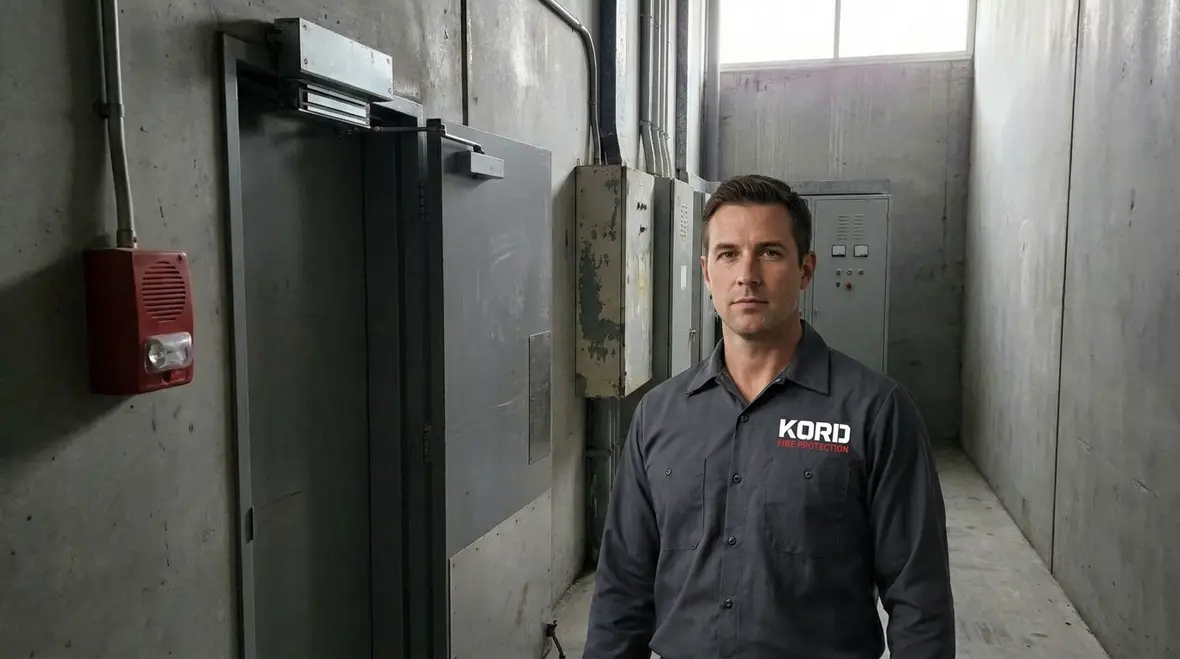
Upgrades should not treat fire protection as separate parts that never talk to each other. Instead, modern facilities benefit from integrated behavior. When detection triggers, the system should coordinate outputs like alarms, dampers, door holding devices, and suppression functions where required.
Even when a facility does not install every feature, it can still improve coordination. For example, enhanced control logic can prevent conflicting actions. It can also ensure that smoke control steps align with the building’s fire strategy. Then, maintenance becomes easier because the system behaves predictably.
This is where partnerships matter. Kord Fire Protection can support system design decisions, verify compatibility between components, and test the full interaction during commissioning. That reduces the risk that one upgraded device works perfectly while another part still behaves like it is living in 1998. Fire systems should not be time travelers.
Integration reduces confusion during real events
When systems are coordinated, occupants receive clearer signals, responders encounter fewer conflicting conditions, and site teams can diagnose issues faster. That payoff is not flashy, but it is exactly what owners want when a real event tests the building instead of the spreadsheet.
Meet compliance expectations with documented testing and service readiness
Modernization does not finish when devices are installed. It finishes when the facility can prove the system works as intended. Therefore, the job should include documentation, commissioning records, and testing plans that match ongoing service needs.
Owners should expect test schedules that include functional checks, alarm testing, and verification of device health. They should also plan for inspections that catch drift over time. Dust, vibration, changes in layout, and environmental factors can impact performance. When testing is well planned, problems show up before they become events.
Kord Fire Protection can become a vital partner by building service readiness into the project. They can help ensure that operational staff receive clear handover information and that service coverage fits the facility’s risk profile. In practice, that means less scrambling and fewer last minute calls that begin with “we need it yesterday.”
Manage installation disruption with staged work, training, and change control
Facilities fear downtime. Fair. But modernization does not have to become a chaos carnival. A well run approach uses staged work, clear work fronts, and controlled isolation where required. It also includes protective measures during installation so that safety remains in place.
Training rounds should happen with the right people: operations leads, security teams, and maintenance supervisors. They need to understand the updated zoning, panel behavior, and alarm messaging. Then, change control should capture as built information so the facility does not drift away from the reality of the installed system.
Kord Fire Protection can assist with this coordination, because modernizing fire systems touches multiple trades, multiple schedules, and multiple responsibilities. Smooth communication keeps the project on track and helps the facility absorb changes without losing confidence.
How owners can measure success after Fire Protection System Upgrades
After upgrades, success should show up as improved performance and clearer readiness. Owners can measure outcomes with practical indicators. These include faster response times for alarm annunciation, reduced nuisance alarm frequency, better signal clarity for staff, and improved availability during simulated tests.
They can also track maintenance effort and spare parts readiness. For instance, if the updated system simplifies fault identification, technicians spend less time guessing. That also reduces service interruptions.
Finally, success should include staff confidence. When teams understand what alarms mean and what actions follow, safety improves beyond the hardware. Kord Fire Protection supports this by helping sites align service practices and documentation with real operational workflows, so the system stays reliable long after the ribbon cutting.
FAQ
Next step: modernize with a partner that plans like you operate
Fire protection modernization works best when it respects your schedule, your risk profile, and your compliance responsibilities. Kord Fire Protection can support the full journey from assessment to Fire Protection System Upgrades, commissioning, and service readiness across industrial, retail, and commercial facilities in Australia.
If this is the year to reduce uncertainty, reach out and schedule a focused review. A planned upgrade beats reactive panic every time, and it gives your team a system that is ready to perform when the building needs it most.

Join Our Newsletter!
Get the latest fire safety tips delivered straight to your inbox From our Newsletter.