
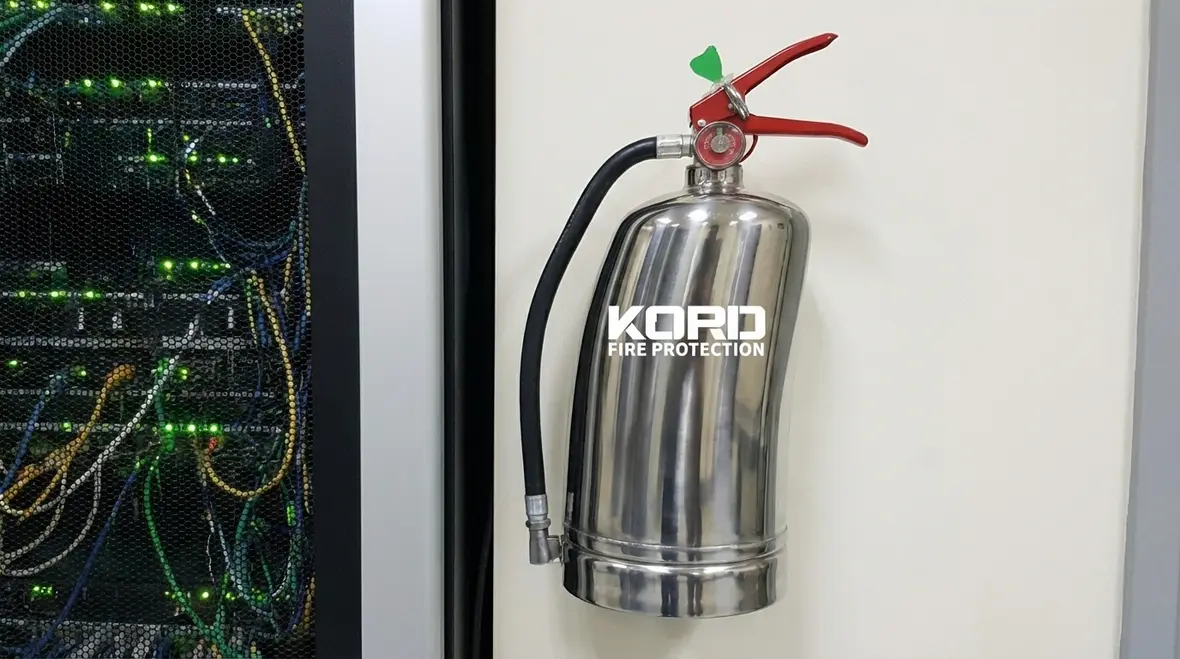
Electrical Fire Extinguisher for Class C Fires
There is a moment in every emergency when time seems to slow down. A spark leaps from a damaged wire. A faint crackle becomes a sharp pop. Then smoke begins to curl toward the ceiling. In that moment, having the right electrical fire extinguisher within reach can mean the difference between a close call and a catastrophe. Kord Fire Protection technicians often say that preparation does not shout. It sits quietly on the wall, waiting. And when Class C fires strike, that quiet presence becomes a hero.
This guide walks through what to use for Class C fires, what never to use, and why knowledge is just as important as equipment. Because when electricity is involved, guesswork is not brave. It is reckless.
Understanding Class C Fires and Why They Are Different
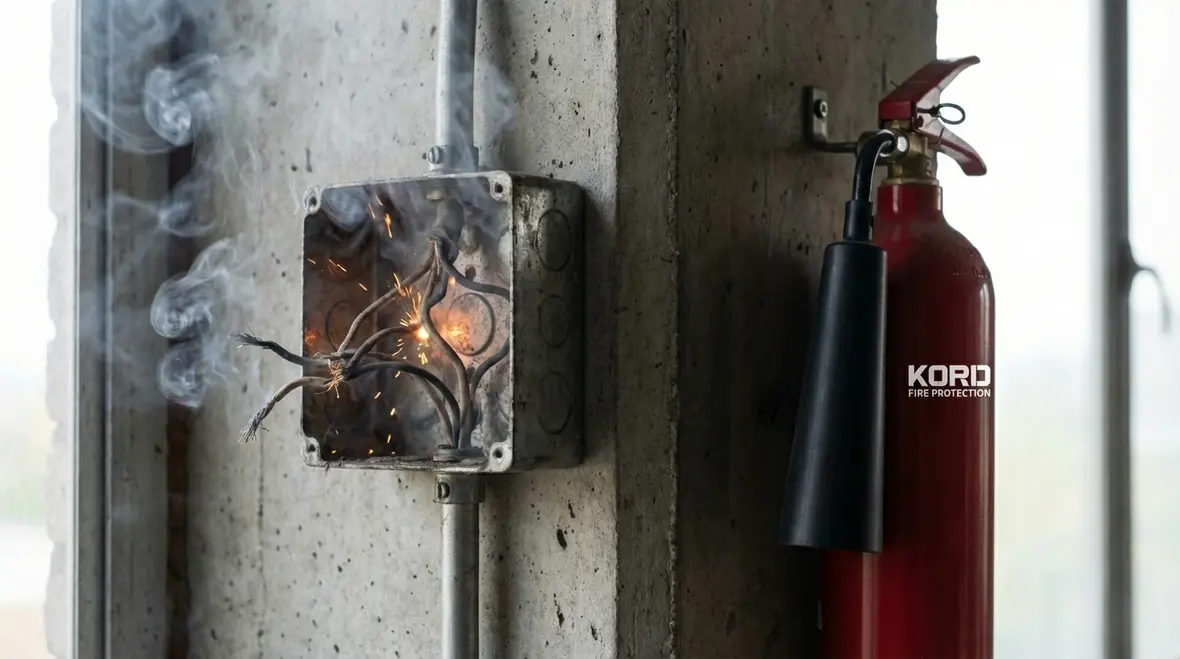
Class C fires involve energized electrical equipment. That includes circuit panels, wiring, outlets, appliances, servers, and industrial machinery. What makes these fires unique is not always the material burning. Often, it is the live current feeding the flames.
Electricity changes the rules. Water, which works beautifully on many ordinary fires, suddenly becomes dangerous. In fact, water can conduct electricity straight back to the person holding the hose. That heroic movie moment quickly turns into a trip to the emergency room.
Kord Fire Protection technicians explain it simply. With Class C fires, the first goal is to eliminate the electrical source. Once the power is disconnected, the fire may shift categories depending on the fuel involved. However, until that current is off, the fire demands specialized extinguishing agents designed for electrical safety.
Therefore, understanding the difference between fire classes is not trivia. It is survival knowledge. For a deeper dive into extinguisher ratings in the field, you can see how Class C units are used alongside others in Kord’s guide to fire extinguisher rules for fleets and heavy equipment.
What to Use for Class C Fires
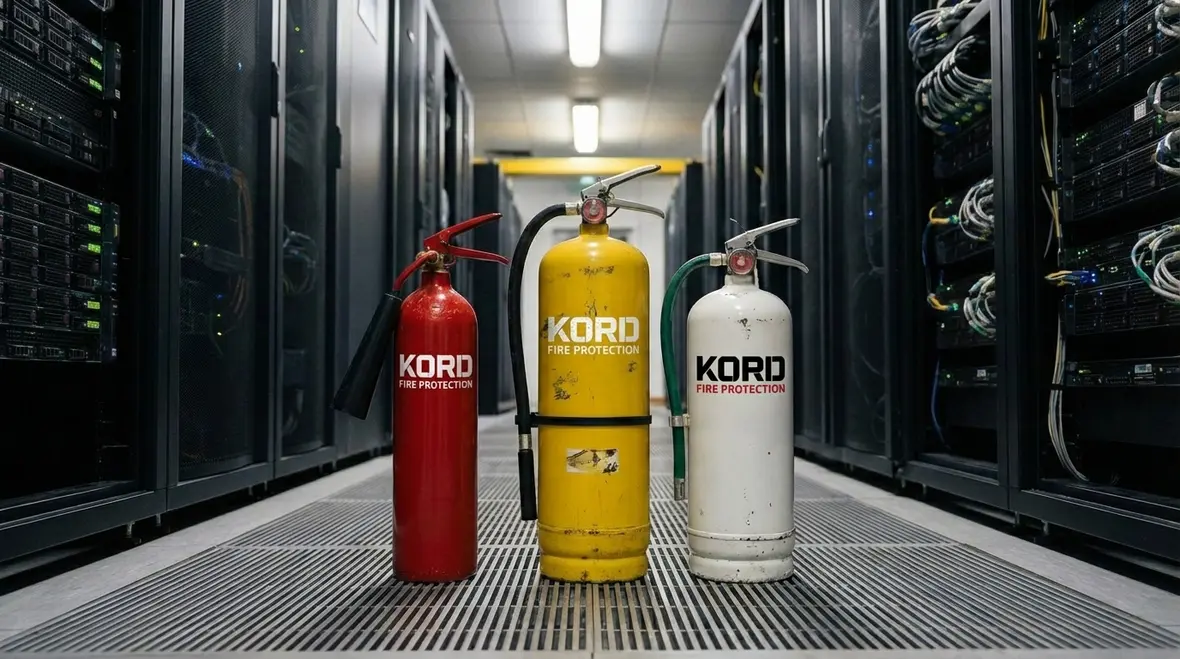
When dealing with energized electrical equipment, certain extinguishers stand above the rest. Each option works by interrupting the fire without conducting electricity.
Carbon Dioxide Extinguishers
Carbon dioxide units discharge a cold gas that displaces oxygen around the flame. As a result, the fire suffocates. CO2 does not leave residue, which makes it ideal for server rooms, offices, and labs. No one wants to clean powder out of a keyboard for three weeks.
Additionally, CO2 does not conduct electricity. That makes it a reliable choice for live electrical fires. However, technicians from Kord Fire Protection caution that CO2 dissipates quickly in open spaces. Therefore, it works best in enclosed environments.
Dry Chemical Extinguishers
Multipurpose dry chemical extinguishers, often labeled ABC, interrupt the chemical reaction of fire. They create a barrier between the fuel and oxygen. Because the powder is non conductive, it can safely tackle energized equipment.
These units are common in offices, warehouses, and commercial spaces. They are versatile and cost effective. On the downside, they leave a fine powder residue. While that residue beats a building fire any day, it can damage sensitive electronics if not cleaned properly.
Clean Agent Extinguishers
Clean agents such as FM 200 or similar compounds suppress fire without residue and without harming electronics. As a result, they are popular in data centers and high value facilities. They interrupt the combustion process at a molecular level, which sounds like something out of a science fiction film, yet it is very real.
Kord Fire Protection technicians often recommend clean agent systems for businesses that rely heavily on technology. After all, saving the building is important. Saving the data inside it is priceless. Kord’s teams regularly design and maintain clean agent and CO2 fire suppression systems across California, pairing them with the right portable extinguishers for full coverage.
Electrical Fire Extinguisher Guide: What Never to Use
If the right tool can save a life, the wrong one can put it at risk. When facing a live electrical fire, certain extinguishers should stay on the wall.
Water extinguishers pose a serious hazard. Because water conducts electricity, spraying it on energized equipment can cause shock. It can also spread the fire if the force disperses burning material.
Foam extinguishers also contain water components. Therefore, they are not suitable for energized electrical fires. While foam works well for flammable liquids, it does not belong near live circuits.
Kord Fire Protection technicians sometimes joke that using water on a live panel is like bringing a garden hose to a lightning storm. It might feel proactive. It is not smart.
Instead, responders should first cut power if it is safe to do so. Only then can water or foam be considered, and only if the fire involves materials that match those extinguisher ratings.
How to Choose the Right Extinguisher for Your Building
Selecting the correct extinguisher involves more than grabbing the nearest red cylinder. It requires assessing risk, occupancy, and equipment.
First, identify areas with energized equipment. Electrical rooms, server closets, manufacturing floors, and commercial kitchens often present Class C risks. Next, evaluate the value of nearby assets. Sensitive electronics may call for clean agent systems rather than dry chemical units.
Kord Fire Protection technicians conduct site assessments to determine placement and type. They measure travel distance to extinguishers, review code requirements, and consider human behavior during emergencies. Because in a real fire, people do not stroll calmly across the building. They reach for what is closest.
Additionally, regular inspections ensure that each electrical fire extinguisher remains charged and accessible. An extinguisher hidden behind storage boxes is about as helpful as a smoke detector without batteries. If you are responsible for multiple locations, pairing your program with professional fire extinguisher service and certification keeps everything compliant and ready.

Prompt: What Happens If You Use the Wrong Extinguisher on an Electrical Fire?
If someone uses water or foam on a live electrical fire, several dangerous outcomes can occur immediately.
First, the person operating the extinguisher can suffer electric shock. Electricity can travel through the stream and into the body. Second, the fire may spread if burning particles scatter. Third, the force of the spray can damage equipment further, increasing repair costs.
Moreover, insurance claims may become complicated if improper fire response worsens the damage. Kord Fire Protection technicians stress that training matters just as much as equipment. People must know not only how to pull the pin, but also when to step back and call professionals.
In short, the wrong extinguisher does not just fail. It escalates the emergency.
Side by Side Comparison of Common Options
Understanding the strengths of each extinguisher type helps decision makers act with confidence.
| Type | Best Use for Class C |
|---|---|
| Carbon Dioxide | Ideal for enclosed spaces and sensitive electronics. No residue. |
| Dry Chemical ABC | Versatile and widely available. Leaves powder residue. |
| Clean Agent | Excellent for high value equipment. Minimal cleanup. |
| Water | Never for energized equipment. |
| Foam | Not suitable while power is live. |
This simple comparison highlights why selecting the right electrical fire extinguisher is not optional. It is strategic.
Maintenance and Training: The Often Ignored Lifeline
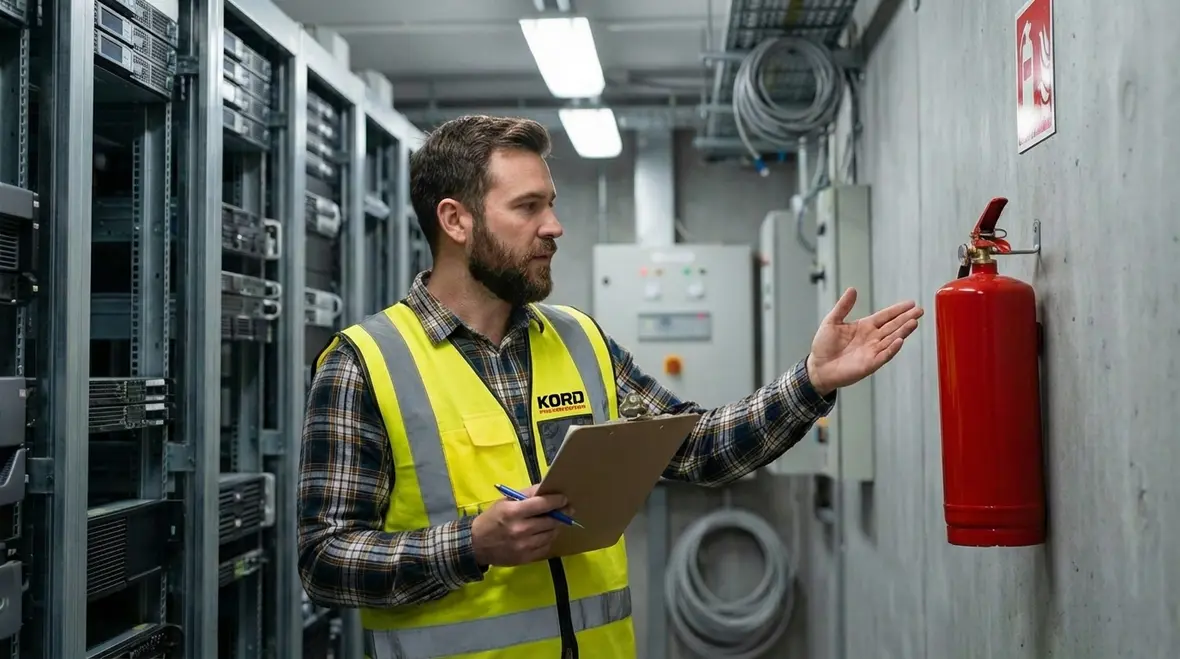
Even the best extinguisher fails if neglected. Therefore, routine inspections remain critical. Pressure gauges must sit in the proper range. Seals must remain intact. Units must stay visible and accessible.
Kord Fire Protection technicians provide scheduled maintenance to ensure compliance with local codes. They check weight, condition, and mounting. Additionally, they replace outdated or damaged units before they become liabilities. Their teams also handle required monthly, annual, and long-interval extinguisher servicing so nothing slips through the cracks.
Training, however, brings the equipment to life. Staff should understand the PASS method. Pull the pin. Aim at the base. Squeeze the handle. Sweep side to side. Although it sounds simple, practicing under guidance builds confidence.
Because when alarms sound and adrenaline surges, muscle memory often speaks louder than logic.
Why Professional Guidance Matters
Fire protection is not guesswork. It blends science, code compliance, and real world experience. Kord Fire Protection technicians approach each facility with a tailored plan. They assess hazards, recommend proper extinguishers, and design systems that align with safety standards.
Moreover, they educate teams on response procedures. That combination of equipment and knowledge creates resilience. And resilience, unlike panic, scales well.
Businesses that invest in proper fire protection often avoid costly downtime. They also protect their reputation. After all, customers rarely applaud a company for putting out a fire. However, they certainly notice when one spirals out of control.
FAQ: Quick Answers About Class C Fires
Conclusion: Preparedness Is Quiet Power
Electrical fires do not send invitations. They arrive unannounced and escalate quickly. The right electrical fire extinguisher, properly placed and maintained, stands as a silent guardian against that threat. Kord Fire Protection technicians help businesses choose wisely, train effectively, and stay compliant.
Do not wait for smoke to test your readiness. Make sure your Class C coverage is clear, your staff trained, and your extinguishers properly tagged and positioned throughout your facility.
If you are in California and need help with selection, placement, or inspections, Kord offers full fire extinguisher service and certification along with county-specific fire protection services. Contact Kord Fire Protection today and ensure your team holds the right tool when seconds matter most.
Know Your Weapon Before You Fight the Flame
Kord Fire Protection is your go-to when it comes to all things fire protection. For over 20 years, we’ve been serving Southern California with the quality service and equipment to keep your home or business safe at all times. Our competitive prices reflect our unwavering commitment to protecting what matters most in the event of a fire emergency. Give us a call, send an email, or use that form!

Join Our Newsletter!
Get the latest fire safety tips delivered straight to your inbox From our Newsletter.


