Fire Extinguisher Rules for Fleets and Heavy Equipment
Let’s start with a little-known fact that could save lives and a whole lot of paperwork: fire extinguisher requirements for commercial vehicles aren’t just guidelines — they’re the law. From box trucks to backhoes, commercial and heavy equipment vehicles must carry readily accessible, properly rated fire extinguishers. It’s not just a matter of ticking a box on a compliance form. It’s about protecting people, property, and yes, your business reputation.
Luckily, understanding these requirements isn’t rocket science, though government jargon may try very hard to convince you otherwise. Our friends at Kord Fire Protection have made it their mission to simplify what can sometimes sound like legalese written by a malfunctioning AI. With years of experience under their belts (and probably a few extinguishers in their trucks), their technicians walk fleet managers through compliance step-by-step. And sometimes they’ll do it with a straight face, too.
If you operate fleets, construction vehicles, or any heavy-duty machinery, buckle up. We’re diving deep into what it really takes to stay safe — and compliant — with a fire extinguisher on board.

Don’t Get Burned: Compliance Basics That Could Save Your Wallet
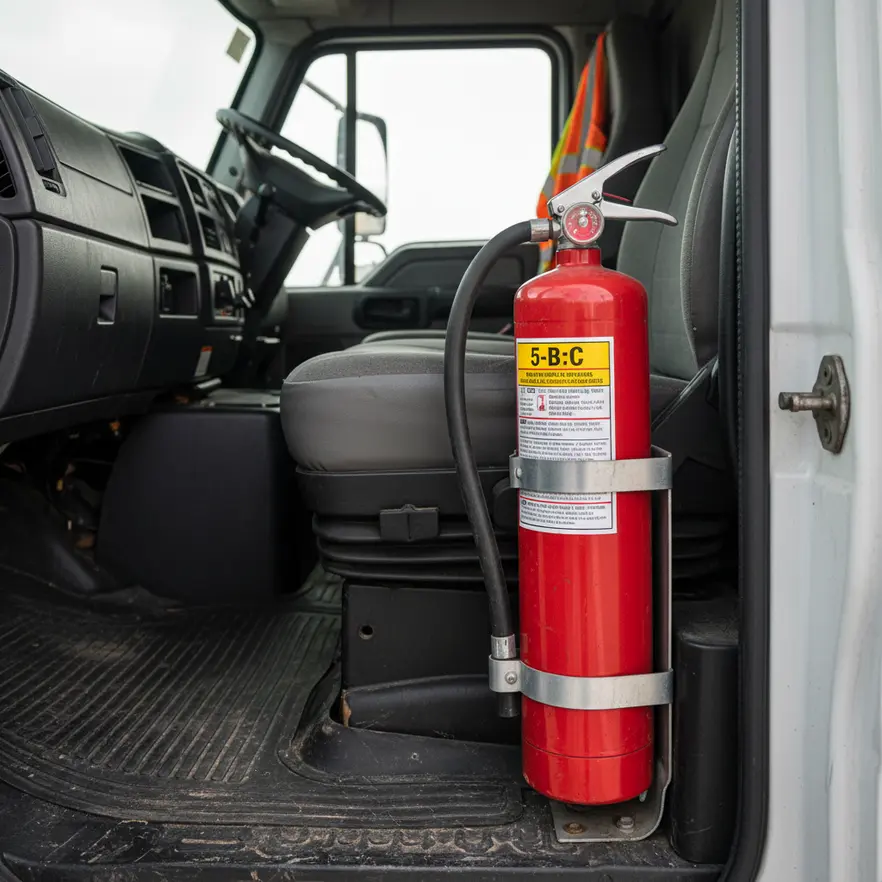
Let’s kick things off with what the law actually says. According to FMCSA regulations (that’s the Federal Motor Carrier Safety Administration, not a secret band from the 80s), any commercial motor vehicle must carry a fire extinguisher rated at 5-B:C or above. That means it’s effective against flammable liquids and electrical fires — the kind you’re most likely to encounter on the road or at a job site.
The unit must also be:
- Securely mounted and accessible
- Fully charged and operational
- Inspected annually — no shortcuts or guessing games
That sticker on the extinguisher? It’s not just a fancy decoration. It proves you’re playing by the rules. Forgetting it can cost you fines, delays, or worse — a fire no one is prepared for. And let’s be honest, as fun as spontaneous combustion sounds in a Marvel movie, it’s not ideal for your backhoe.
Why Fleet Vehicles Are Held to Higher Standards (With Good Reason)
Your fleet is more than a group of vehicles. It’s the circulatory system of your business. A breakdown or incident in one part can paralyze the whole operation. That’s why stricter fire extinguisher requirements for commercial vehicles exist. It’s risk management in action — the sophisticated kind that doesn’t involve duct tape and prayers.
Fleet vehicles are often exposed to:
- Flammable substances (fuel, oils, greases — basically everything in a mechanic’s diet)
- Long operating hours, increasing mechanical stress
- Remote or hazardous environments
These conditions make it non-negotiable to carry — and know how to use — the correct extinguisher. According to Kord Fire Protection’s cheekily wise technicians, “Fire safety isn’t just about passing inspections. It’s about ensuring your coffee break isn’t interrupted by a five-alarm situation.”
Breaking Down Fire Extinguisher Ratings (AKA Why Letters and Numbers Matter)
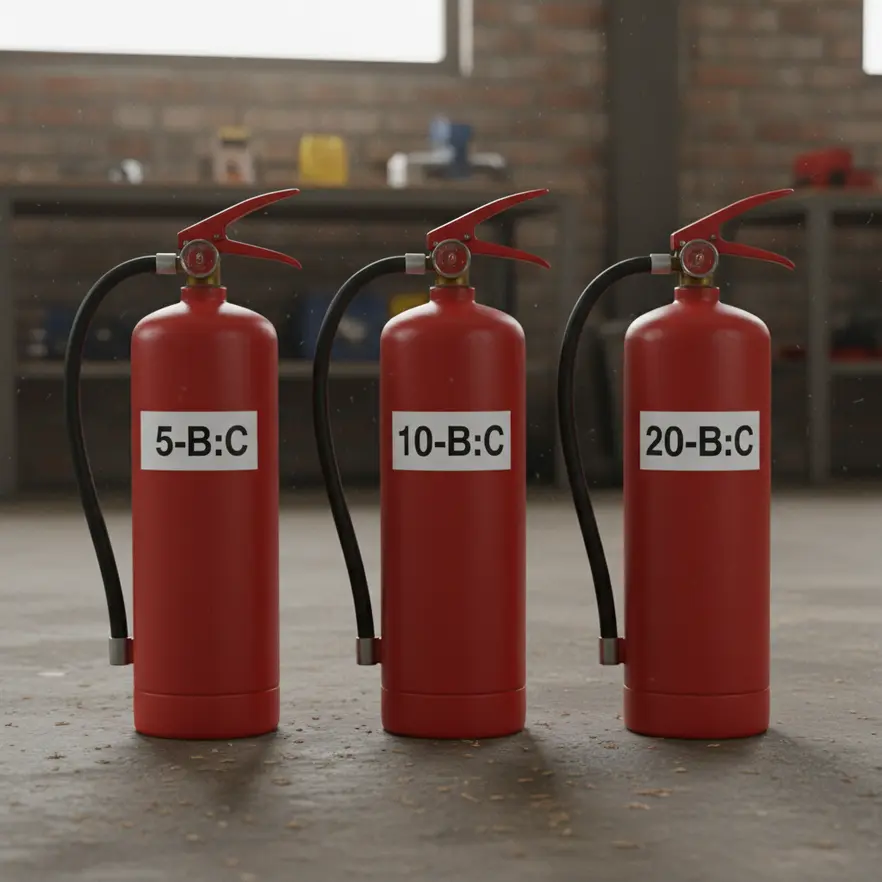
Extinguisher classes aren’t just alphabet soup. Each class targets a specific fire type. Commercial fleets and heavy-duty equipment typically require a minimum 5-B:C extinguisher, but here’s a breakdown worth memorizing faster than your Netflix password:
Class A: For ordinary combustibles (wood, paper, etc.)
Class B: Designed for flammable liquids (gasoline, paints)
Class C: Targets electrical fires (your dashboard’s worst nightmare)
Class D: For combustible metals (mostly in manufacturing)
Class K: Kitchen fires (perfect for restaurants on wheels)
The higher the number, the larger the fire the extinguisher can handle. A 5-B:C unit is the minimum, but honestly, if your machinery operates near flamethrowers and Greek gods, consider upping the ante to a 10-B:C. Kord folks sometimes nickname them “beefcake extinguishers” — because size really does matter.
How to Properly Mount, Store, and Maintain Like a Pro
Buying the right extinguisher is only step one. Mounting it correctly, storing it safely, and maintaining it religiously? That’s where vehicles either become OSHA’s golden child or its cautionary tale.
So here’s what the pros suggest:
- Mount vertically in brackets designed for mobile use
- Close to driver access, but never in a footwell (we’ve seen that, no judgment… okay, some judgment)
- Inspect monthly for pressure gauge, damage, or missing tags
Kord Fire Protection’s technicians swear by a simple rule: If even one thing looks off, assume it is. The extinguisher is your backup when everything else fails. It can’t be patched together with zip ties and optimism.
Special Considerations for Off-Highway and Heavy Equipment
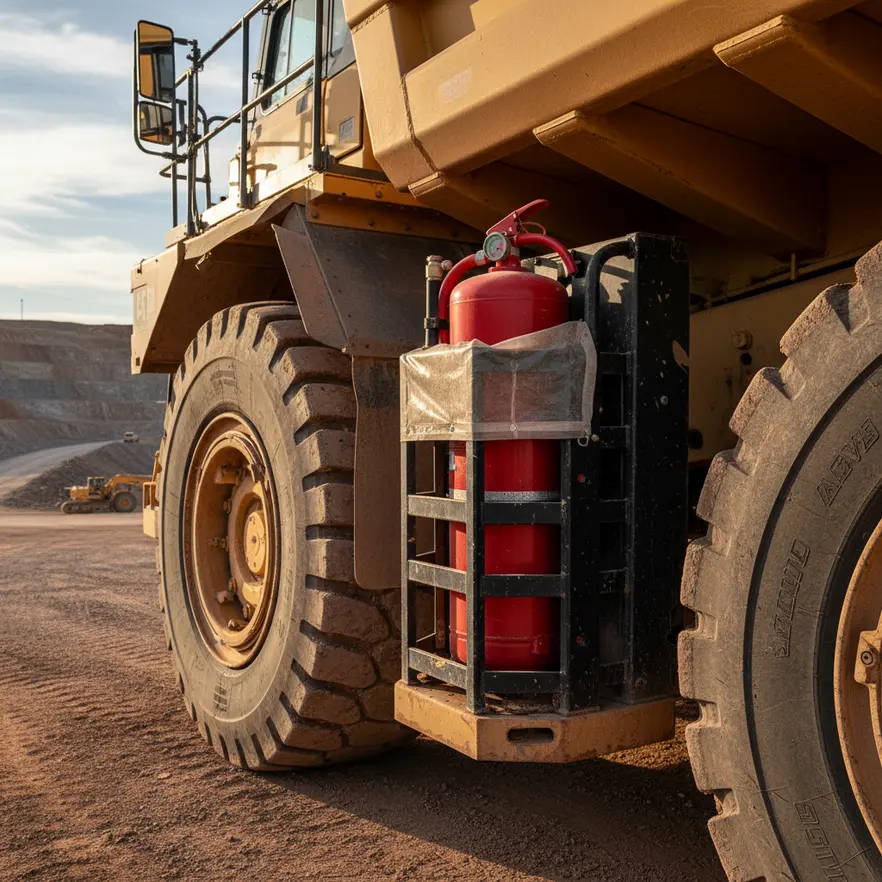
Piece of advice: If your vehicle needs a ladder to access the cab, it needs more than just a basic extinguisher. From mining trucks to forestry equipment, off-highway machines face unique hazards. Fire risks include hydraulic fluid leaks, dust build-up, and prolonged idling.
Heavy equipment often requires extinguishers with:
- Higher capacity ratings, typically 10-B:C or 20-B:C and above
- Weather-resistant housing to avoid freezing, corrosion, or — worst of all — rusted handles
- Vibration-proof mountings to survive job site abuse (and the occasional sledgehammer)
As one seasoned Kord tech quipped, “We’ve pulled extinguishers off dozers that looked like they survived three world wars. Spoiler alert: they didn’t work.” Proper mounting and periodic checks are not optional here — they’re critical.
Training Drivers and Operators: Knowledge is Hot, Flames Are Not
You’ve got the equipment. You’re compliant. Bravo! But without training, your people might as well be armed with silly string.
Training covers:
- Recognizing fire types so they don’t use water on oil (cue dramatic explosion)
- Operating the extinguisher via the classic PASS technique:
- Pull the pin
- Aim at the base
- Squeeze the handle
- Sweep side to side
- Calling for help immediately. Firefighters love when we do their job responsibly.
Funny enough, most people never test an extinguisher until it’s too late. Kord’s training programs use live demos, real units, and a healthy dose of humor (because nothing softens the fear of a potential explosion like a dad joke well-delivered).
Documentation and Inspection: Yes, the Paperwork Matters
Sure, no one dreams of growing up to fill out inspection logs, but here we are. Maintaining written documentation of monthly and annual inspections is not only a great defense during audits — it’s required by NFPA (National Fire Protection Association) code.
Consider keeping:
- Monthly visual inspection checklists
- Annual maintenance records (completed by certified technicians)
- Proof of training for operators and drivers
Many fleet managers enlist Kord Fire Protection to handle the bulk of this. Their technicians not only know what to look for but are also downright heroic at translating compliance requirements into plain English. Sometimes with charts. Sometimes with donuts. Always with accuracy.
Modern Tech and Safety Upgrades To Consider
Not all vehicles are built the same, and not all safety solutions should be stuck in the past. While traditional extinguishers still hold up, modern tech has entered the arena faster than a rebooted Terminator franchise.
Consider solutions like:
- Automatic Fire Suppression Systems, especially in enclosed engine compartments
- Smart Sensors that alert drivers to rising temperatures or ignition risks
- Bluetooth-enabled inspection tags that log monthly checks digitally — less paper, more flow
These upgrades may not make your equipment fly, Iron Man-style, but they will dramatically improve fire response time, reduce liability, and keep insurance premiums from making you cry.
FAQs About Fire Extinguisher Requirements for Commercial Vehicles
What size extinguisher is required for a commercial truck?
A minimum 5-B:C rated unit is required by FMCSA regulations.
Do heavy equipment vehicles need fire extinguishers?
Yes, particularly those operated in high-risk environments like construction, mining, or forestry.
How often should extinguishers be inspected?
Visually inspect monthly and have them serviced annually by a certified technician.
Where should the extinguisher be mounted?
Securely mounted in a visible, easily accessible location within the cab or directly outside it.
Can I train my own team?
Yes, but professional training ensures compliance and faster response during emergencies. Kord offers on-site sessions.
Stay Compliant, Stay Ready
When it comes to fire extinguisher requirements for commercial vehicles, being proactive is far better than playing catch-up after the blaze. Kord Fire Protection’s experts make safety easy to understand and even easier to implement.
Equip your fleet and heavy equipment today, and let the only sparks flying be between your employees and their morning coffee. Contact Kord Fire Protection now to ensure your compliance is airtight — and flame-free.

Join Our Newsletter!
Get the latest fire safety tips delivered straight to your inbox From our Newsletter.