
Detection and Control for Kitchen Fire Suppression Systems
When a kitchen fire starts, seconds matter. A kitchen suppression control system helps detect changes fast, trigger the right response, and keep staff safer while cooking keeps happening. And yes, people still try to “finish the order” like the laws of physics will politely wait. In reality, the system must manage heat, smoke, and gas exposure in a way that protects lives, inventory, and the building. Then, once the flames are handled, it must support a controlled reset process so the operation can return to normal without chaos. That is where Detection and Control for Kitchen Fire Suppression Systems becomes more than a checklist. It becomes a daily safety practice, and kord fire protection can become a vital partner to deliver it with consistency, compliance, and real-world support.
What kitchen suppression detection looks for in real kitchens
Fire in a kitchen rarely begins with a dramatic Hollywood explosion. Instead, it often starts as grease vapor, a smolder near a fryer, or heat buildup that slowly pushes equipment beyond safe limits. Therefore, detection must watch for the signals that matter, not just the presence of smoke.
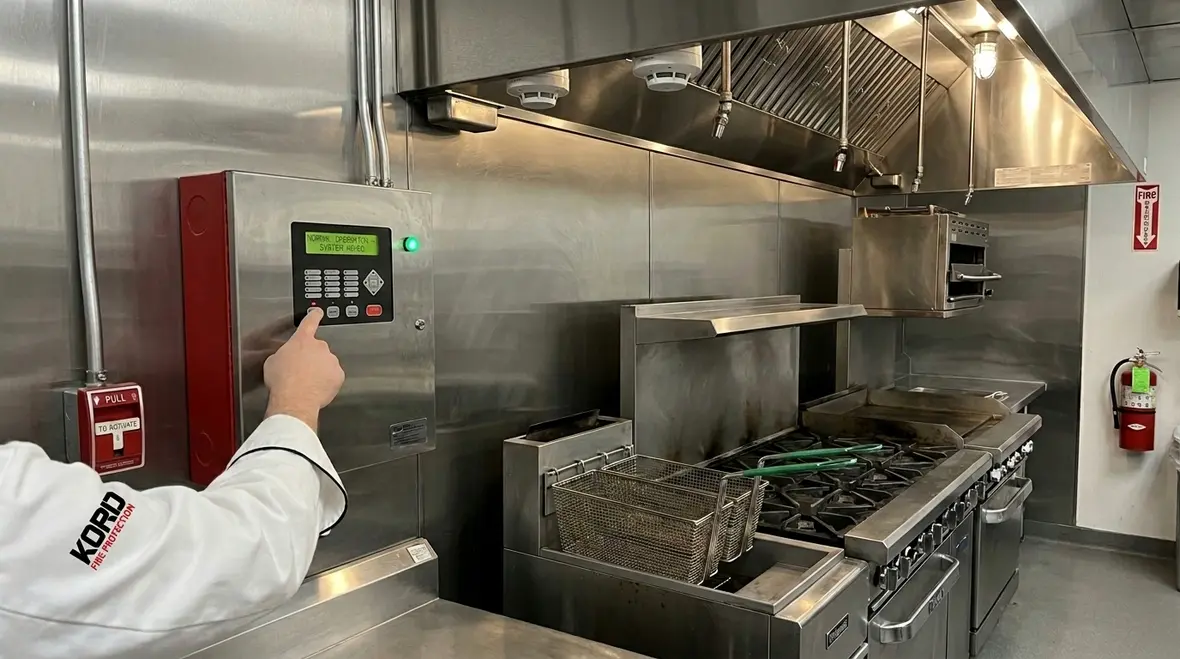
Most kitchen systems use sensor input tied to the hood and cooking appliances. As a result, the detection zone focuses on the areas where grease and heat accumulate. While heat sensors capture rapid temperature rises, flame and smoke indicators can help confirm an event before it grows. In addition, good designs include control logic that reduces false alarms, because nothing frustrates a staff team faster than a “cry wolf” moment during dinner rush.
In the background, control panels read sensor states and compare them to programmed thresholds. Then, they decide whether the system needs to warn only, or warn and discharge. This staged approach supports smoother response while the team has time to act.
kord fire protection often supports this phase by aligning detection coverage with the kitchen layout, ensuring the sensors and control logic match how the kitchen actually runs, not how the plans say it runs. For readers who want broader context, Commercial Kitchen Fire Suppression Systems Explained offers a useful companion look at how protection is arranged across cooking equipment, hoods, and ducts.
How kitchen suppression control system response sequences reduce risk
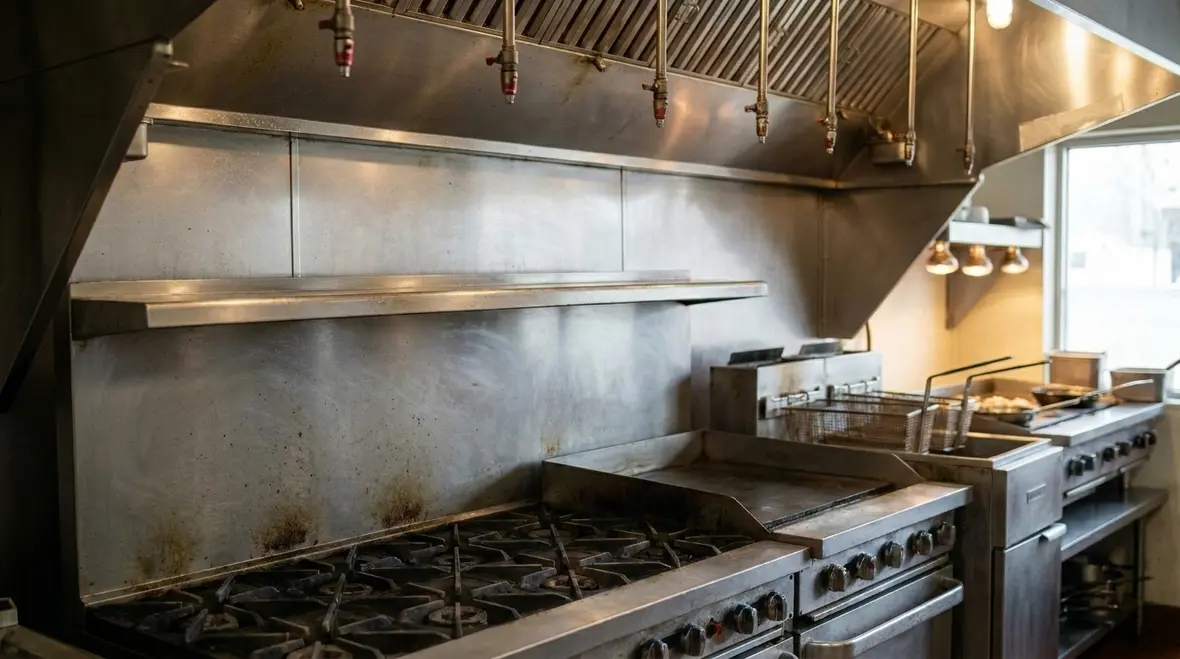
A strong response sequence turns detection into action. First, the system alerts staff with audible or visual signals. Next, it can trigger an emergency shutdown sequence for key hazards, like power to certain cooking equipment and gas control interfaces. After that, it initiates suppression discharge into the protected hazard area.
However, the response must be timed carefully. If a system discharges too early, it can cause unnecessary interruption and cleanup. If it discharges too late, heat and flames may spread past the protected volume. For that reason, the control logic should coordinate detection signals, alarm steps, and discharge conditions.
Equally important, the system must support safe evacuation and door control where local code and design call for it. Then, after discharge, it must allow a controlled reset so the kitchen does not simply restart like a microwave after a power dip. A related read, Commercial Kitchen Fire Suppression Electrical Interlocks, helps connect these shutdown steps to real kitchen protection strategy.
In practice, the best results come from sequence testing and scenario training. kord fire protection can help teams run tabletop drills and guided verification so the kitchen staff knows what to do before an incident ever happens. That kind of preparation sounds less dramatic than a fire alarm, but it is far better for everyone involved, especially the poor soul who was just trying to plate six entrées at once.
Why sequence timing matters during active cooking
During a rush, kitchens are full of motion, heat, noise, and split-second decisions. That means response sequencing cannot be designed as if the space were empty and perfectly calm. Detection needs to recognize the difference between routine cooking intensity and conditions that signal a real fire event. Control logic then has to move from alert to action in a way that protects staff without adding confusion. Good design keeps the sequence understandable: warn, isolate the hazard, discharge if needed, and hold the system in a safe state until trained service confirms readiness.
Control logic should match hood design, cooking schedule, and hazards
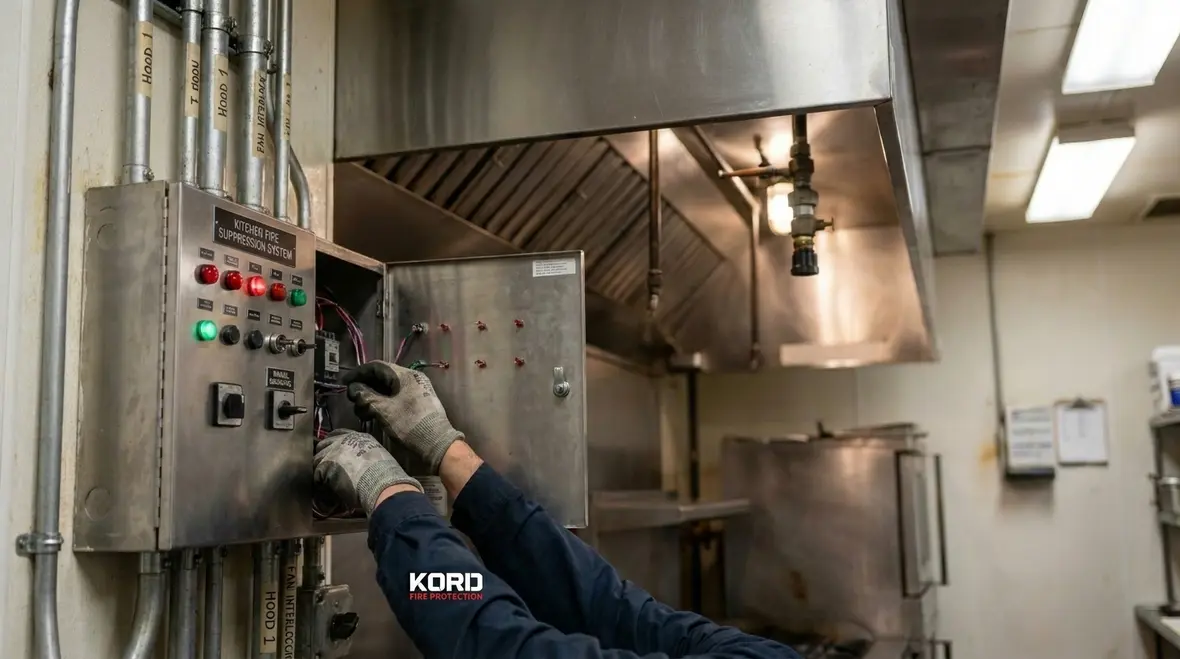
Kitchens differ. One restaurant has high-volume sautéing. Another relies on deep-fried menus. Some kitchens run late hours with heavy ventilation cycling. Therefore, the control system should match the actual hood type, duct design, and appliance layout.
Design choices like sensor placement, protection zoning, and actuation timing influence how the system reacts under stress. For example, if sensors sit too far from where heat builds, detection may lag. On the other hand, if they respond to steam and routine cooking cycles too easily, nuisance alerts become the new normal. And when alarms become normal, people stop taking them seriously, which is the safety equivalent of bringing a rubber spatula to a knife fight.
Good installers and service providers use documentation, inspection data, and on site observation to tune the setup. Then they validate function by running tests that match expected operating conditions. After that, they document the results for maintenance and future audits. Teams comparing agent-based system types may also find value in Wet Chemical Fire Suppression Systems and Range Guard, which helps explain how system design choices connect to kitchen realities.
kord fire protection can serve as a vital partner here by helping align the system design with the real flow of kitchen work, and by supporting the ongoing maintenance that keeps those design choices working over time. That matters because kitchens evolve faster than drawings do. A new appliance, a menu shift, or a revised prep routine can quietly change the fire profile long before anyone updates the paperwork.
Small layout changes can create big detection problems
A moved fryer, an added griddle, or modified airflow may seem like simple operational changes. In suppression terms, though, those adjustments can affect heat travel, agent coverage, and activation timing. If nobody reviews the system after changes, protection may no longer align with the actual hazard. That is one reason routine reviews are not red tape. They are reality checks for a kitchen that never really stands still.
Inspection and maintenance that keeps detection accurate over time
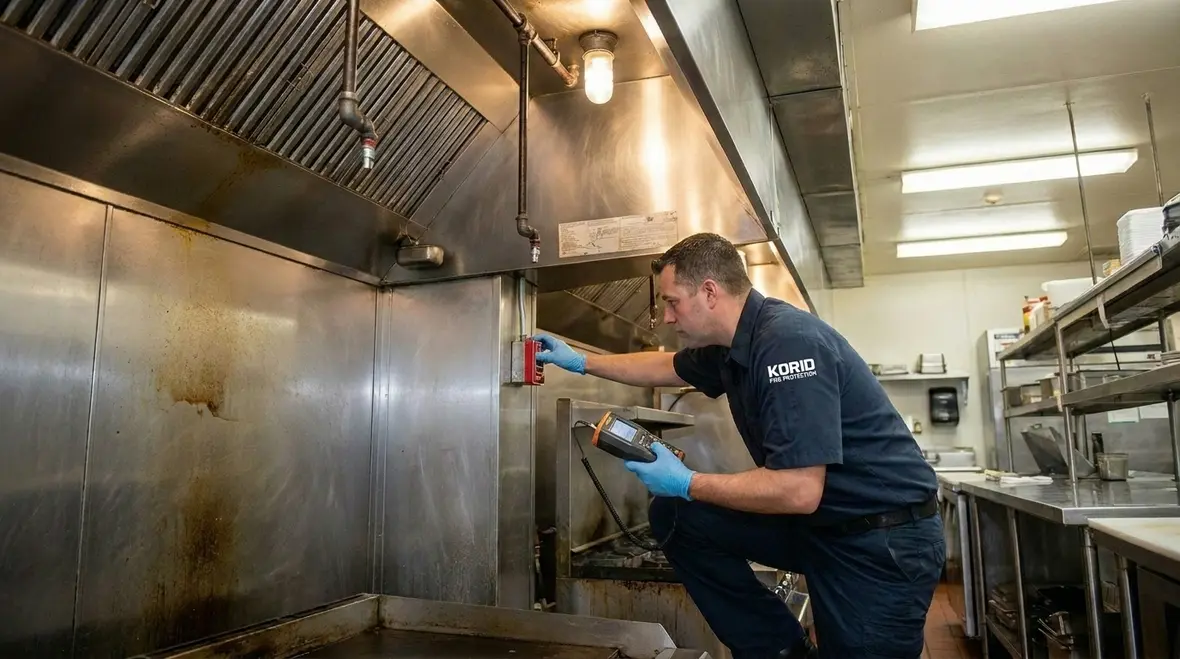
Fire suppression performance depends on reliability, and reliability depends on maintenance. Over time, grease residue, dust, and temperature exposure can affect sensor behavior and trigger circuits. Additionally, components like actuation devices and wiring connections can degrade. Therefore, maintenance plans must include inspection of the protected hazards, verification of control panel function, and cleaning or replacement where needed.
During inspections, technicians typically check sensor heads for contamination, test alarm signaling, confirm wiring integrity, and inspect discharge components for readiness. They also verify that manual pull stations work and that interlocks behave as intended. Then they review logs, because a system that works perfectly once but fails silently later is still a failure.
Maintenance also includes checking extinguishing agent integrity and pressure indicators where applicable. Then, it includes validating that no modifications happened in the kitchen that changed airflow patterns, added new appliances, or altered hood geometry. If owners want a practical reference on where system scope begins and ends, Kitchen Fire Suppression What It Covers and Does Not Cover is a strong follow-up resource.
kord fire protection supports this ongoing discipline by offering service aligned with manufacturer guidance and local compliance expectations. When service is consistent, the kitchen gets fewer surprises and fewer “mystery failures” that show up only when the stakes are high. And frankly, mysteries belong in detective novels, not over a bank of fryers at 7:15 p.m.
Testing, troubleshooting, and what to do after a discharge
Testing keeps the system honest. Technicians should verify detection pathways, confirm alarm and supervisory signals, and ensure the control panel transitions correctly from warning to discharge states. Importantly, testing should follow a repeatable process, so the results can be compared across service cycles.
When a system shows trouble signals, troubleshooting should not rely on guesswork. First, technicians review error codes and event history. Next, they check sensor readings and confirm wiring continuity. Then, they verify device status and ensure that no blocked airflow, residue buildup, or loose connections are interfering with sensor function.
After a discharge, the kitchen needs an organized reset plan. That plan should include inspection of hoods, ducting, nozzles, and agent distribution pathways. In addition, it should include verification that the system can return to a ready state without hidden damage. If the kitchen rushes back too soon, the next small incident may become the big one.
That is why coordinated service matters. kord fire protection can help kitchens treat discharge response as a managed process, not a rushed cleanup, so the operation returns safely and stays protected. For facility teams thinking beyond the hood itself, Industrial Fire Suppression Integration Tips for Safer Buildings is worth reviewing as a broader reminder that suppression works best when it is integrated with the building’s overall safety planning.
How kord fire protection supports businesses with real compliance
Many organizations choose a vendor that can install the hardware and then vanish until the next inspection. Yet kitchens need more than a drop-off service. They need a partner who understands how fire suppression control supports daily operations, staff training, and long-term risk reduction.
kord fire protection can become that vital partner by supporting system documentation, service scheduling, and verification routines that reduce downtime. Also, they help kitchens stay prepared for inspections by keeping records organized and maintenance actions traceable. This matters because compliance is not just about passing a test. It is about proving the system stayed reliable between tests.
Furthermore, a strong partner supports communication. When the kitchen team knows what will happen during service, what alarms may sound, and how the system will be returned to readiness, they plan around it. As a result, service feels predictable, not disruptive. And nobody wants a safety visit to feel like a surprise extra course at dinner.
If you are evaluating a related service option, the UL300 Restaurant Systems page is a strong place to continue. It connects installation, inspection, maintenance, and kitchen-specific protection into a service path built for active cooking environments.
FAQ about detection and control for kitchen fire suppression systems
Conclusion: partner up before the next busy night
Fire suppression systems protect people, property, and business continuity, but only when detection stays accurate and control logic stays verified. A kitchen needs more than equipment. It needs steady service, disciplined testing, and fast troubleshooting when something changes. This is where a dependable partner becomes a real advantage.
kord fire protection brings practical support to detection, control, and maintenance so the system performs when it matters most. Schedule a review today through the UL300 Restaurant Systems service page, and let safety work quietly in the background while the kitchen stays focused on dinner.

Join Our Newsletter!
Get the latest fire safety tips delivered straight to your inbox From our Newsletter.



