Wet Chemical Fire Suppression Systems and Range Guard
Overview of wet chemical fire protection and how Range Guard works
At the heart of many kitchen and industrial fire safety plans sit wet chemical fire suppression systems, and Range Guard Fire Systems brings that idea into a clean, dependable design. In simple terms, these wet chemical fire suppression systems react fast and control a grease or cooking fire by pushing out the flames and cooling the surface. In the first moments of a fire, that matters more than most people realize. After all, fire does not wait for paperwork.
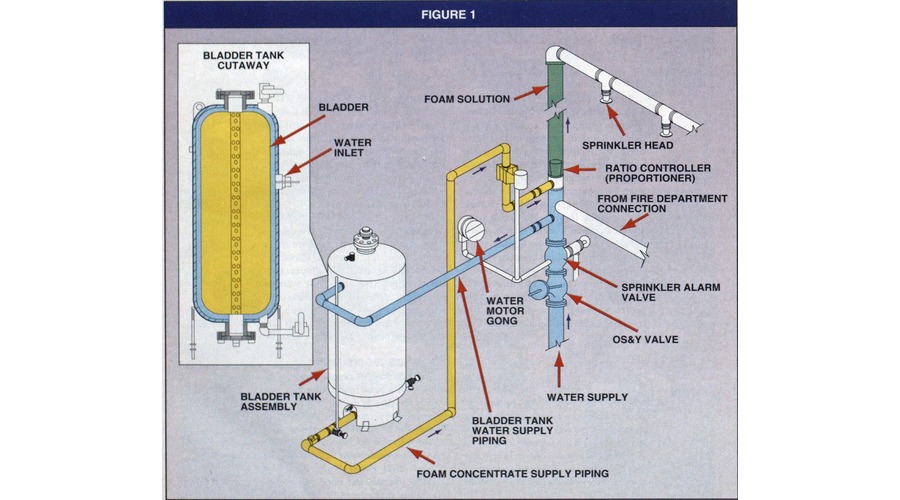
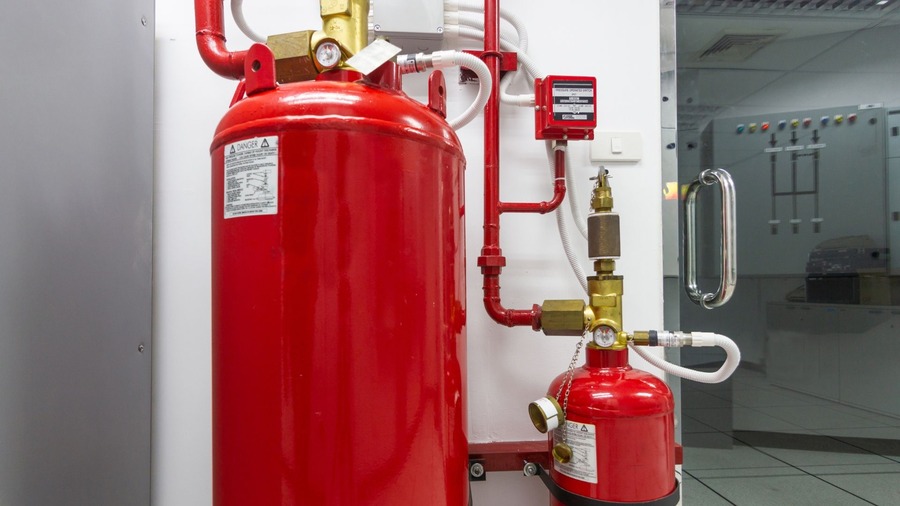
Range Guard uses an engineered agent release approach. It stores the wet chemical in a tank, then deploys it through piping or nozzles when the system trips. Most designs depend on heat or protected-area detection. Once activated, the agent exits the discharge nozzles and forms a cooling, insulating layer. As a result, the fire loses fuel and oxygen exposure drops where it matters most.
To keep the details clear, kord fire protection technicians often explain this in plain language: the system is not “spraying water and hoping.” Instead, it applies a specifically matched wet chemical solution that targets grease and hot oils. Think of it like using the right tool for the job, not a butter knife for surgery. Awkward, and definitely not recommended.

Real world use cases for grease and commercial kitchens
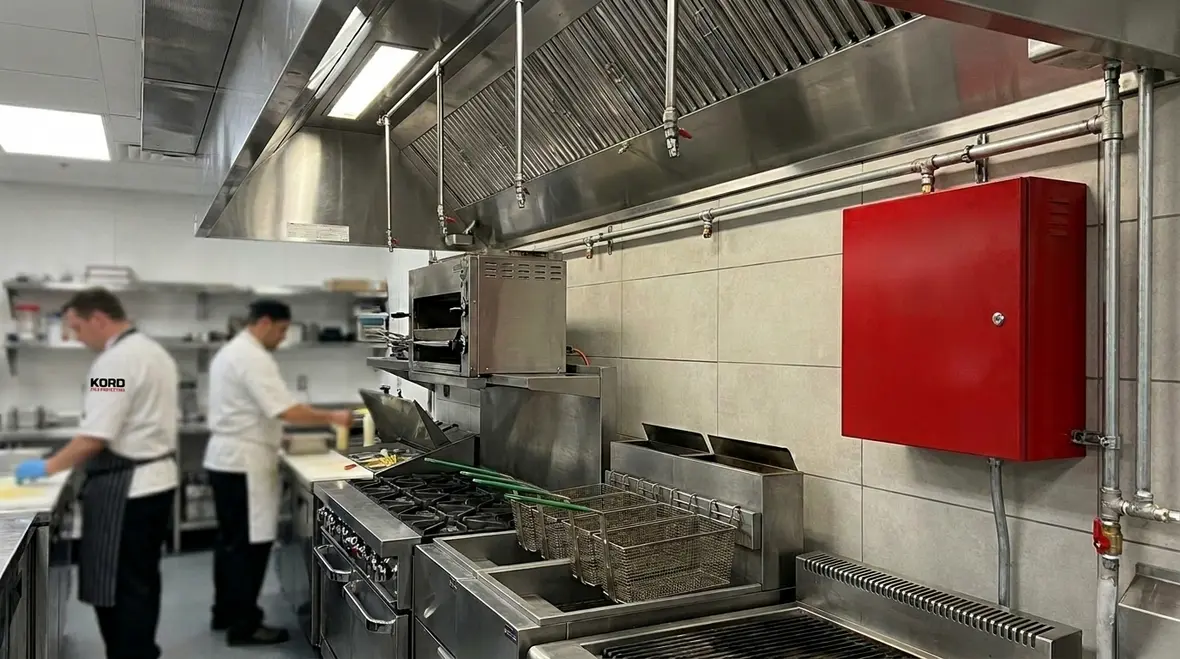
When facilities plan for fire risk, they need answers that fit real operations. That is where wet chemical systems often shine. For example, restaurants with deep fryers, griddles, and hood ventilation typically face flare ups that spread along cooking surfaces. In those cases, wet chemical fire suppression systems help slow the fire and reduce re ignition potential.
Beyond dining rooms, these systems protect other areas where grease and oil hazards show up. That includes:
- Commercial catering kitchens with high-volume cooking
- Food production lines where cleaning and heat create recurring risk
- Facilities with fryer banks and oil mist from ventilation systems
- Some light industrial spaces that use cutting fluids or similar oils
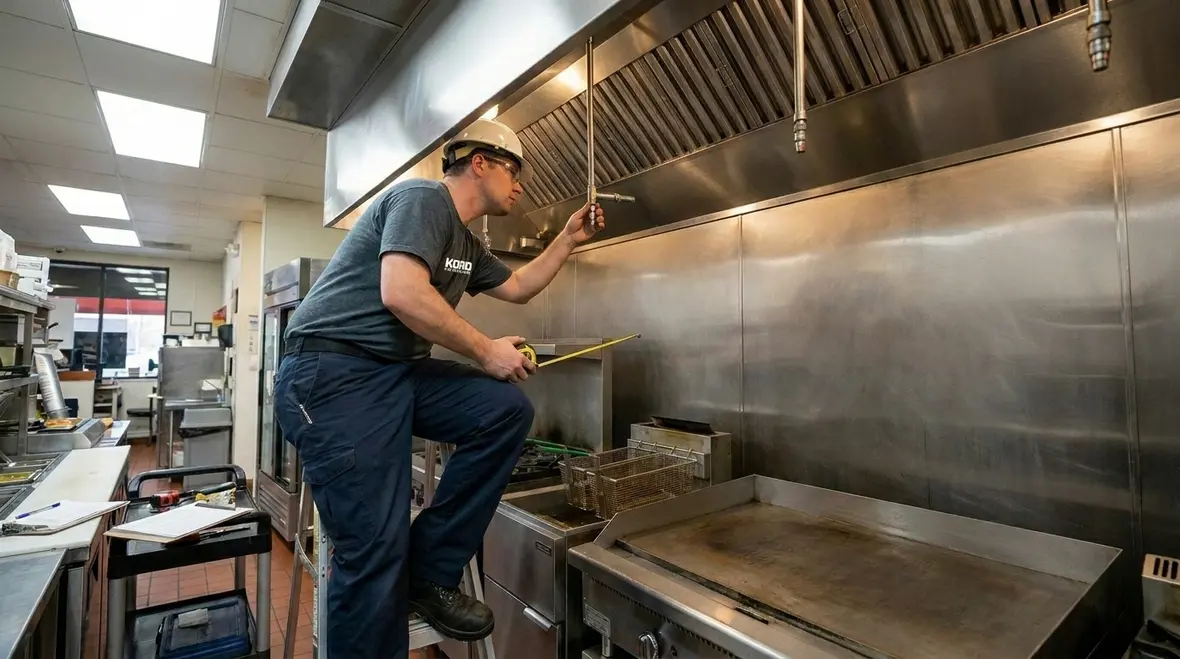
In practice, teams also look at how quickly a hood system moves smoke and heat. As a result, the wet chemical discharge pattern needs to reach the cooking equipment surfaces and grease laden areas. Kord fire protection technicians typically verify nozzle locations, nozzle spacing, and hood geometry so the agent lands where it can do the most good.
How the wet agent extinguishes grease fires in plain language
To understand performance, it helps to know what the agent does after discharge. Wet chemical agent solutions are designed to react with burning cooking oils and fats. The agent cools the burning surface and creates a soapy, foam like blanket that forms a barrier. Therefore, oxygen cannot reach the fuel as easily, and heat drops quickly.
Because the system targets the fire at the source, it often helps reduce damage compared with methods that only push out flames. However, a fire is still a fire. After the event, the cooking operation, hood, and surfaces need cleaning and inspection. So while wet chemical fire suppression systems control the event well, the facility must follow up with proper cleanup and documentation.
Also, different spaces require different discharge strategies. A well designed Range Guard system considers the hazard classification, protected area size, and equipment layout. Then it chooses the correct agent volume, piping path, and nozzle configuration. That is how design turns into action.
Strengths and weak points technicians must discuss
No suppression technology is perfect, and it is better to know the limits up front. Wet chemical systems offer clear strengths. Still, they also carry weak points that matter during planning, commissioning, and long-term operation.
Strengths
- Effective for cooking-related fires such as grease and hot oil flames
- Rapid cooling and barrier formation helps reduce re ignition
- Engineered discharge patterns support coverage of hoods and protected equipment
- Reduced residue compared with some methods though cleaning is still required
Weak points
- System downtime after discharge because tanks and components typically need service
- Proper installation matters if nozzle placement is wrong, coverage suffers
- Certain environmental factors can affect discharge performance, so design review is key
- Need for training so staff responds correctly once the system activates
Here is where a seasoned, calm explanation helps. In the field, kord fire protection technicians frequently remind building teams that the system is not a set and forget gadget. It does not help if the hood is modified and the coverage map is no longer valid. In other words, if the kitchen changes, the safety design should not stay frozen in time. Fire protection is not furniture shopping, where you just hope it fits.
Ongoing maintenance needs that keep performance reliable
Maintenance keeps wet chemical fire suppression systems ready for the moment they earn their keep. Over time, dust, grease residue, vibration, and routine repairs can affect valves, piping, and nozzle cleanliness. Therefore, inspections focus on both mechanical condition and agent readiness.
Common ongoing tasks include:
- Monthly checks for tamper switches, visual indicators, and system status
- Routine inspection of nozzles and distribution piping for blockage or damage
- Verification of detection devices and heat links where required
- Agent and cartridge checks depending on system design and manufacturer guidance
- Record keeping so owners can show compliance during surveys or insurance reviews
In addition, technicians also verify that cooking equipment still matches the original design. If someone swaps equipment height, changes the hood, or re routes ducting, coverage can shift. Then the “it looks fine” problem shows up. Fire does not care what looks fine. It cares what is available to burn.
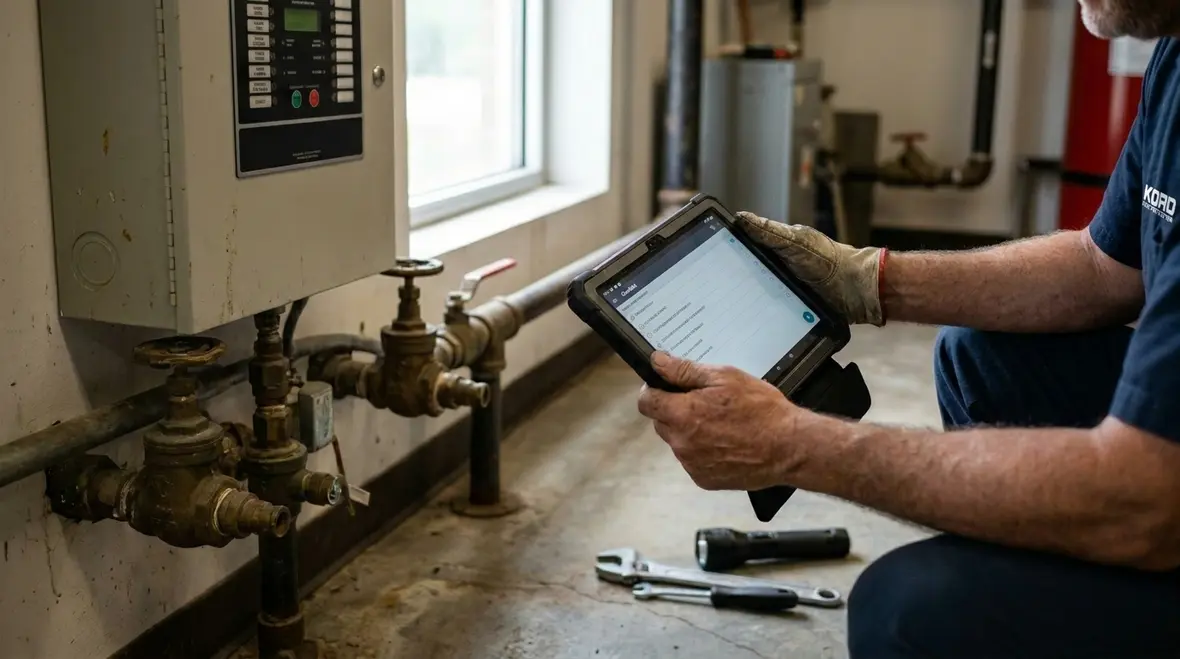
Range Guard systems rely on correct calibration and component integrity. For best results, facilities schedule service through qualified fire protection professionals. Kord fire protection technicians often focus on discharge test readiness, making sure the system can perform without surprises.
Relevant NFPA and local code requirements for compliant design
Fire code requirements guide how suppression systems get designed, installed, tested, and maintained. In the United States, wet chemical systems commonly tie to NFPA standards that address kitchen fire extinguishing systems. Owners and contractors also consider local amendments, because cities love to add their own flavor.
While exact requirements vary by jurisdiction, the typical compliance process includes:
- Proper system listing and approval for the hazard type
- Correct installation method and protected enclosure coverage
- Test and maintenance schedules aligned with applicable standards
- Use of trained personnel and documented inspections
Local fire departments and inspectors often expect proof of service and functional checks. They may also verify that the discharge does not create unsafe conditions for egress or critical electrical areas. As a result, professional design and proper documentation support smoother inspections.
If building teams ask, “Do we meet the standard,” kord fire protection technicians usually advise the practical path: confirm the project design against the current standard, then keep service records up to date. Compliance is easier when the file is maintained, not rebuilt after an audit.
How Range Guard wet chemical fire suppression systems support planning decisions
Before finalizing any system, decision makers should evaluate hazard specifics, equipment layout, and daily operations. Then they can align the wet chemical fire suppression systems design with where fires actually start. That includes hood configuration, fryer arrangement, and any changes from renovations or new equipment installs.
Additionally, facilities should treat the system as part of a broader safety plan. Detectors, alarms, staff response, and maintenance procedures must work together. When that happens, wet chemical fire protection becomes a meaningful layer of risk reduction, not just a box on a compliance checklist.
In short, the most successful installs follow the same logic every time: design correctly, install cleanly, train people, and maintain on schedule. Fire safety is calm when systems are cared for and documented. It is chaotic when shortcuts show up. And fire, of course, loves shortcuts like a sitcom character loves catching bad news in the last five minutes.
Dual column comparison of key design points technicians verify
| Design and install checks | Why it matters |
| Hood and nozzle coverage mapping | Ensures agent reaches grease laden zones, not just the general area |
| Agent volume and discharge pathway | Supports proper flow rate and effective blanket formation |
| Detection coordination | Helps trigger during the right fire stage |
| Valves, tamper switches, and supervisory signals | Maintains reliability and alerts owners to changes |
| Service access and documentation | Speeds up inspections and post discharge recovery |
FAQ: wet chemical fire suppression systems basics
Conclusion with a clear next step
Wet chemical fire suppression systems can protect the places where fires start fast, especially in commercial kitchens and grease hazard areas. Range Guard Fire Systems delivers an engineered approach, and kord fire protection technicians help teams keep it reliable through proper design checks, training, and ongoing service. If your facility plans a new hood, expands cooking equipment, or needs to refresh compliance records, it is time to act.
Contact a qualified provider today to review your layout, confirm coverage, and set a maintenance plan you can trust.
Know Your Weapon Before You Fight the Flame
Kord Fire Protection is your go-to when it comes to all things fire protection. For over 20 years, we’ve been serving Southern California with the quality service and equipment to keep your home or business safe at all times. Our competitive prices reflect our unwavering commitment to protecting what matters most in the event of a fire emergency. Give us a call, send an email, or use that form!

Join Our Newsletter!
Get the latest fire safety tips delivered straight to your inbox From our Newsletter.