
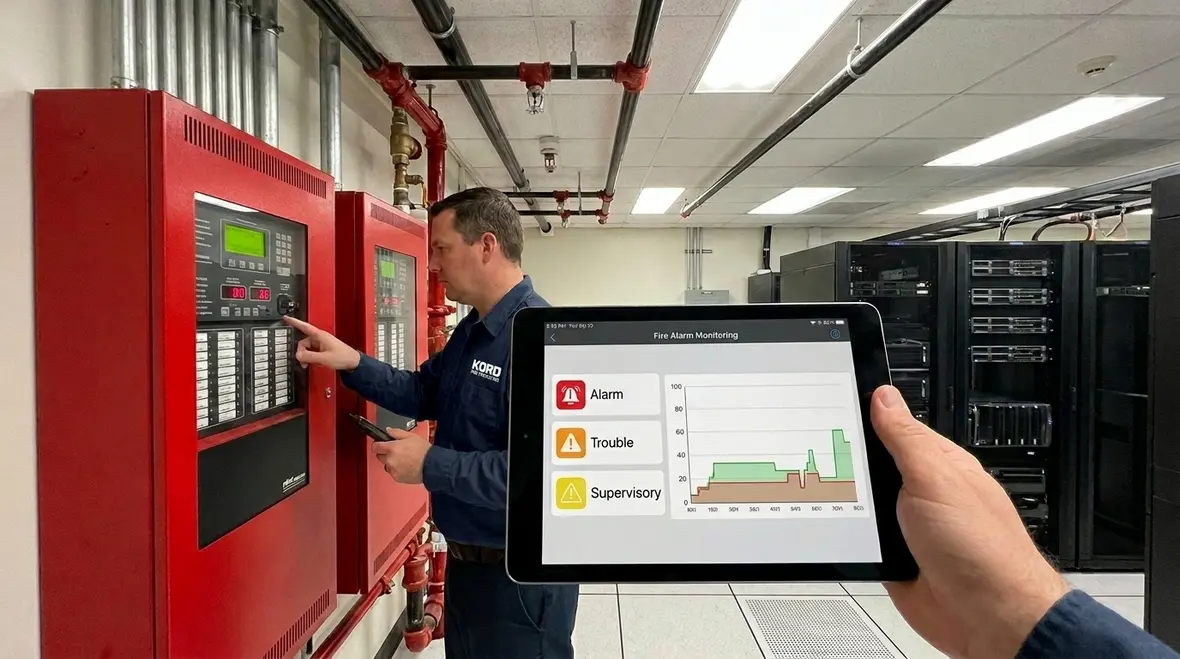
Fire Alarm Monitoring for Fire Suppression Systems
Fire alarm monitoring for fire suppression systems keeps people safe when seconds matter, and it also protects property that owners worked hard to build. In practice, this service works like a calm, tireless dispatcher that watches for alarms, verifies signals, and helps trigger the right response so suppression equipment can do its job. When monitoring teams connect to suppression systems, they reduce guesswork and help prevent delays caused by unclear signals or missed events. And yes, if the alarm system is the nervous intern, monitoring is the manager who actually pays attention.
In this article, readers will see how fire suppression monitoring fits into the full protection plan, what gets tracked, how signals get managed, and why Kord Fire Protection can become a vital partner for organizations that want fewer surprises and faster action.
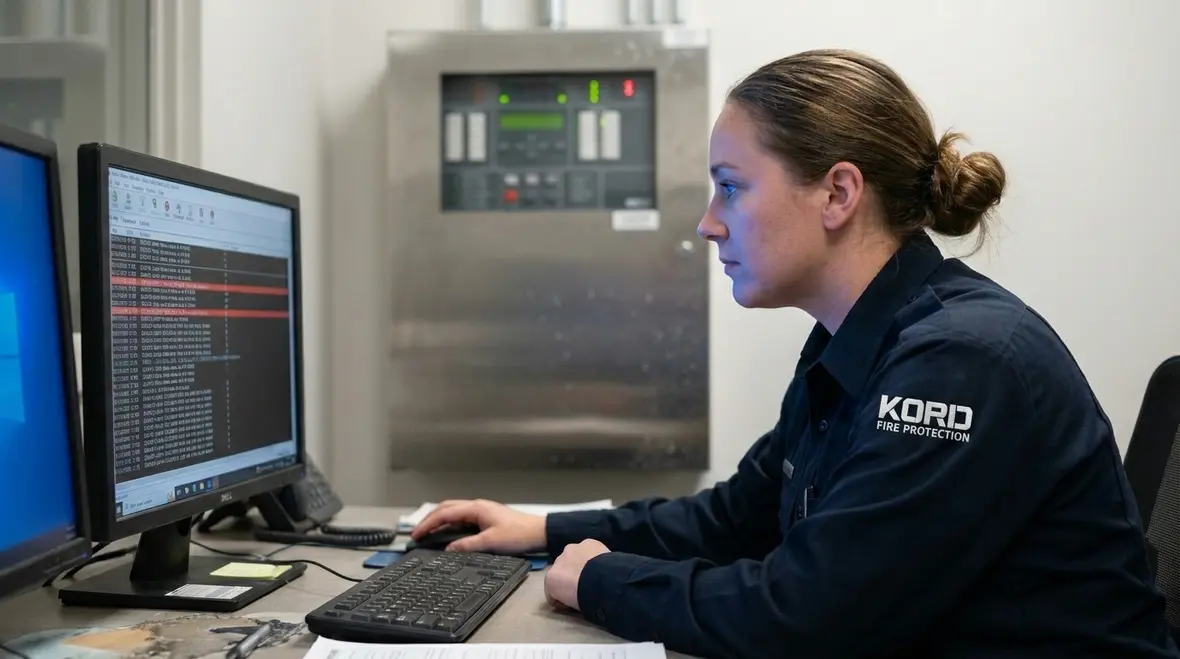
Fire suppression monitoring: what it really tracks
Fire alarm monitoring for fire suppression systems does more than “watch lights.” It monitors the entire chain that turns detection into controlled action. First, it tracks fire alarm signals from devices like smoke, heat, duct detectors, and manual pull stations. Then it links those signals to the status and readiness of the suppression system, such as sprinklers, pre action systems, clean agent systems, or special suppression for kitchens and industrial spaces.
As the events come in, monitoring operators or platforms typically log key details such as the location of the initiating device, the time of the alarm, the device type, and whether signals show confirmation, trouble conditions, or supervisory alerts. In addition, the system often tracks panel status like communication health, power supply, and fault states. Therefore, the response team has enough information to act without playing detective.
Why integration matters across the full life safety chain
That broad signal picture matters because suppression is never just one device acting alone. Detection, control logic, notification, and release timing all have to cooperate. Kord Fire Protection discusses this coordination in Fire Suppression System Integration for Life Safety, where integrated planning helps systems perform calmly and on time when conditions get ugly.
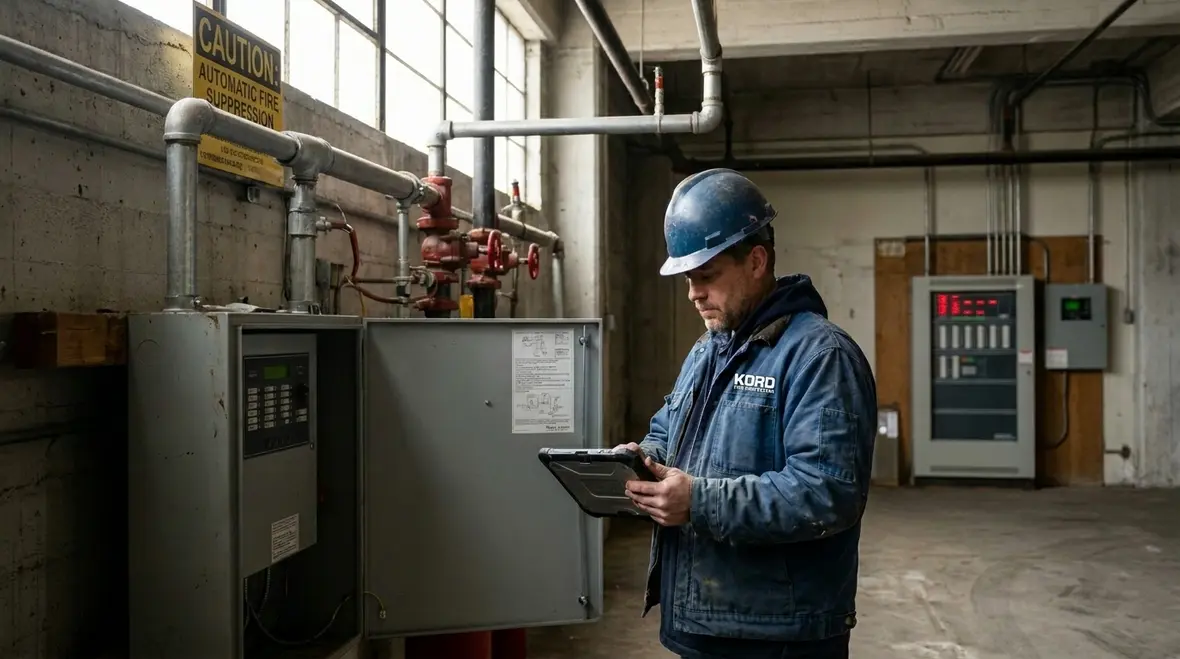
How alerting connects to suppression activation
A solid monitoring plan connects alarm events to the next steps that suppression needs. However, not every alarm automatically means the suppression system should immediately discharge. Many setups use logic and verification stages. For example, pre action systems require confirmation before water flows, and some clean agent systems follow strict hold times and safety checks.
That is where coordination matters. Monitoring helps ensure that alarm verification steps run correctly and that relevant parties receive accurate information fast. Meanwhile, suppression equipment stays aligned with its programmed release sequence. In other words, monitoring supports the “brains” while suppression supplies the “muscle.”
When operators receive a verified event, they can notify the correct on site contact, dispatch an appropriate response, and assist with communication between facility staff and emergency services. If the facility uses managed response plans, monitoring can also confirm whether evacuation procedures started and whether building systems behaved as expected.
This type of signaling logic lines up closely with what Kord Fire Protection covers in Fire Suppression Electrical Interface for Reliable Protection, where the focus is making sure control pathways match the intended sequence instead of asking equipment to magically read minds.
What signals matter most in a monitored system
Monitoring works best when it tracks more than a single alarm type. Therefore, fire suppression monitoring usually includes multiple categories of signals so the team can separate real emergencies from system issues that can still create risk.
- Alarm signals that indicate detection of smoke, heat, flame, or manual activation
- Trouble signals that show faults such as wiring issues, sensor trouble, or communication problems
- Supervisory signals that indicate conditions like valve tamper or water flow switch issues
- System status changes including off normal conditions, panel communication loss, or power anomalies
- Event history so the response team can confirm what happened and when
As a result, a business avoids a common headache. Instead of learning about problems later, they identify and address them while the system still has time to recover. And yes, a trouble signal can feel like a “false alarm,” but it also often means the system is not in full readiness.
Signals only help when the system stays maintained
A monitored signal is useful only if the devices behind it remain dependable. That is one reason integrated facilities often tie monitoring reviews to inspection and testing routines. Kord Fire Protection also touches on that broader relationship in How Commercial Building Fire Safety Systems Work, where alarms, suppression, and notification all support the same protection plan.
Why faster verification reduces damage
During an incident, speed and accuracy both matter. If responders wait too long, fire grows, smoke spreads, and damage expands. If they react too quickly without verification, they may discharge suppression in the wrong situation, which can create costly cleanup and disruption.
Fire alarm monitoring for fire suppression systems helps by supporting verification workflows. Operators can review alarm details, cross check zones, and verify panel messages before escalation. Additionally, monitoring can help confirm whether the event matches patterns expected for the building layout, such as the typical detector grouping for certain areas.
Then, once the event is treated as credible, the system can move toward the right action. That means suppression activation follows its intended sequence, safety checks happen, and the right stakeholders receive consistent updates. Consequently, organizations can reduce downtime and limit structural harm.
Where Kord Fire Protection becomes a vital partner
Monitoring alone does not solve every problem. Buildings change, systems age, and wiring gets tested and repaired. Therefore, Kord Fire Protection often plays a critical role before and after monitoring goes live. They help align the fire alarm and suppression design with the monitoring goals, so the signals sent to the monitoring center match how the facility actually operates.
In addition, Kord Fire Protection supports ongoing performance, including inspections, system adjustments, and documentation that helps teams respond confidently. Meanwhile, their expertise helps prevent “mystery alarms,” which can happen when someone changes a device, relocates equipment, or upgrades a space without updating the monitoring expectations.
Think of it like this: monitoring is the watchman, but Kord Fire Protection is the one who builds the fort. When both work together, the facility receives a cleaner, more reliable signal picture during real events and fewer frustrating alerts during maintenance and testing.
For a closer look at this bigger-picture coordination, Kord Fire Protection also has a related article on industrial fire suppression integration tips for safer buildings. It pairs well with monitoring because signal quality improves when the suppression design, control logic, and building layout stop arguing with each other.
What a monitoring plan should include
Not all monitoring services deliver the same level of value. A strong plan includes clear procedures, communication paths, and testing routines. To keep things practical, a facility should define response roles ahead of time and confirm who gets notified for each event type.
- Notification rules for alarm, supervisory, trouble, and system status events
- Response contacts that match the facility’s shift schedule and chain of command
- Escalation steps when no one acknowledges an alert
- Testing and verification schedules that keep the system reliable
- Event reporting so management can track patterns and address root causes
- Coordination with suppression sequences so release timing aligns with system design
As conditions change, the plan should evolve too. New tenants, added racks, remodels, and seasonal changes can affect how smoke or heat behaves. Therefore, monitoring should connect to a maintenance and service workflow that keeps the system accurate.
FAQ about fire alarm monitoring and suppression systems
Next steps: secure monitoring with a trusted partner
Fire alarm monitoring for fire suppression systems should feel steady, not stressful. If your facility wants faster, clearer responses and fewer surprises, now is the time to review your monitoring setup and suppression coordination. Kord Fire Protection can help you align your system design, verification process, and ongoing service so alarms lead to the right action.
For organizations ready to move from crossed fingers to an actual plan, explore Kord Fire Protection’s Fire Alarm Services & Fire Alarm Monitoring page and schedule an assessment. Then you can move forward with confidence, knowing your protection plan works when it counts.

Join Our Newsletter!
Get the latest fire safety tips delivered straight to your inbox From our Newsletter.



