Computer Room Fire Suppression Best Practices
Computer Room Fire Suppression Systems: Requirements and Best Practices
Within the first few seconds of a fire, a data center can shift from humming productivity to absolute chaos. That is why computer room fire suppression is not just another compliance checkbox. It is a carefully engineered safety net designed to protect servers, storage, and the lifeblood of modern business. From banks to hospitals to streaming platforms that keep movie night alive, clean agent systems guard the digital world behind the scenes.
As Kord Fire Protection technicians often explain to clients in calm, steady tones, protecting a server room is less about spraying water and more about precision. The wrong system can cause more damage than the fire itself. Therefore, understanding requirements, upgrade paths, and compatibility issues becomes essential for anyone responsible for mission critical environments.
Understanding the Unique Fire Risks in Computer Rooms
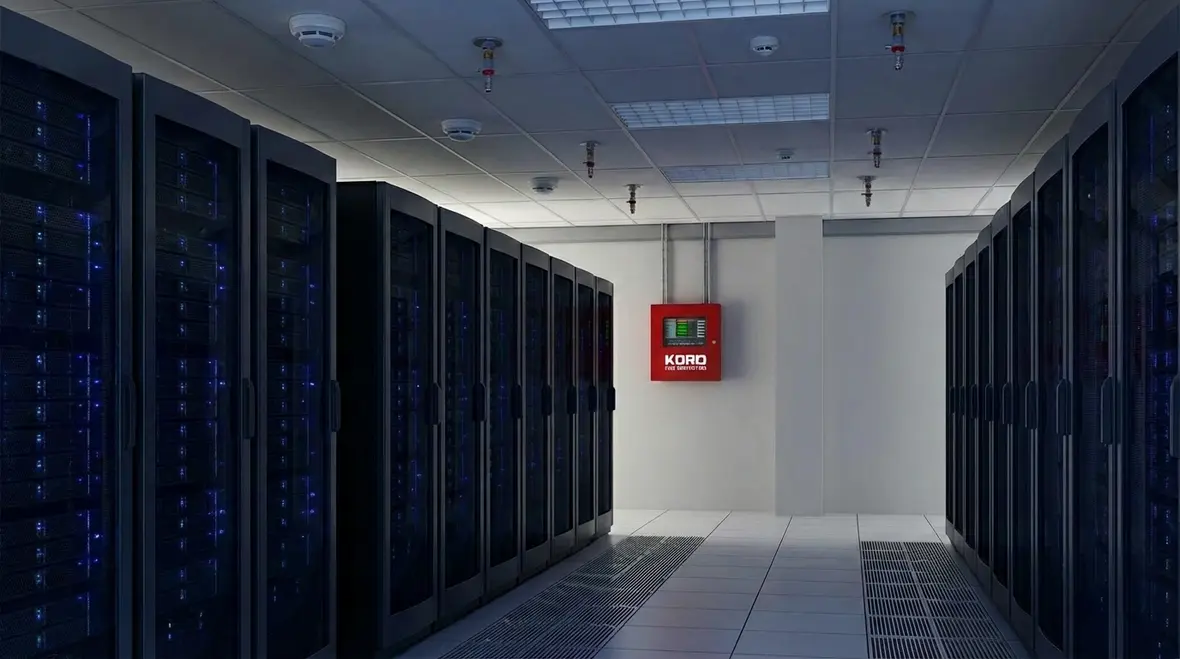
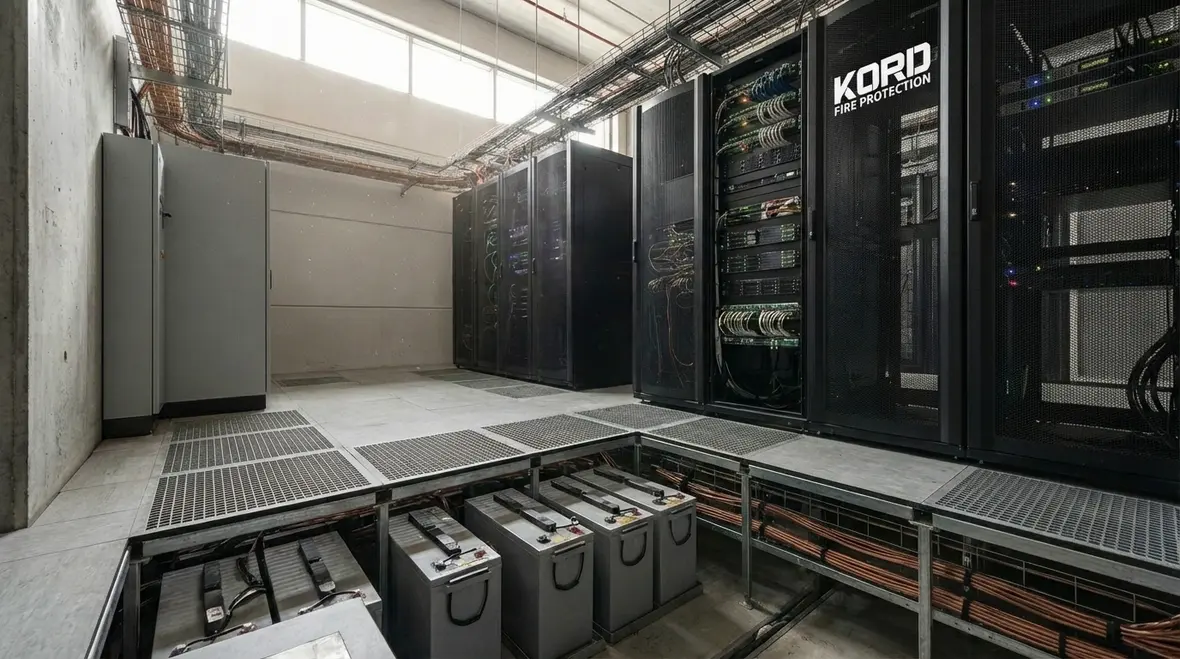
Computer rooms are not typical office spaces. They contain concentrated electrical loads, raised flooring, cable trays, battery backups, and cooling systems. Consequently, the fire risks differ from those in warehouses or retail stores.
Electrical faults remain the primary ignition source. However, overheated power supplies, failing batteries, and even dust buildup can trigger a serious event. Because these rooms operate around the clock, a small issue at 2 a.m. can grow unnoticed if detection systems fall short.
Unlike traditional spaces, water based sprinklers may limit structural damage but devastate sensitive electronics. In fact, a minor fire could become a total loss event once thousands of gallons of water enter the equation. It is a bit like trying to save a smartphone by tossing it into a swimming pool. The intention may be good, but the outcome is not.
Therefore, specialized fire protection for data centers focuses on early detection and clean agent suppression. The goal is simple. Stop the fire fast, limit downtime, and avoid harming the equipment that keeps business alive. For a deeper dive into how this looks inside a full scale facility, you can explore Kord Fire’s Data Center Clean Agent Fire Suppression Guide, which walks through real world design and testing considerations.
Key Requirements for Computer Room Fire Suppression
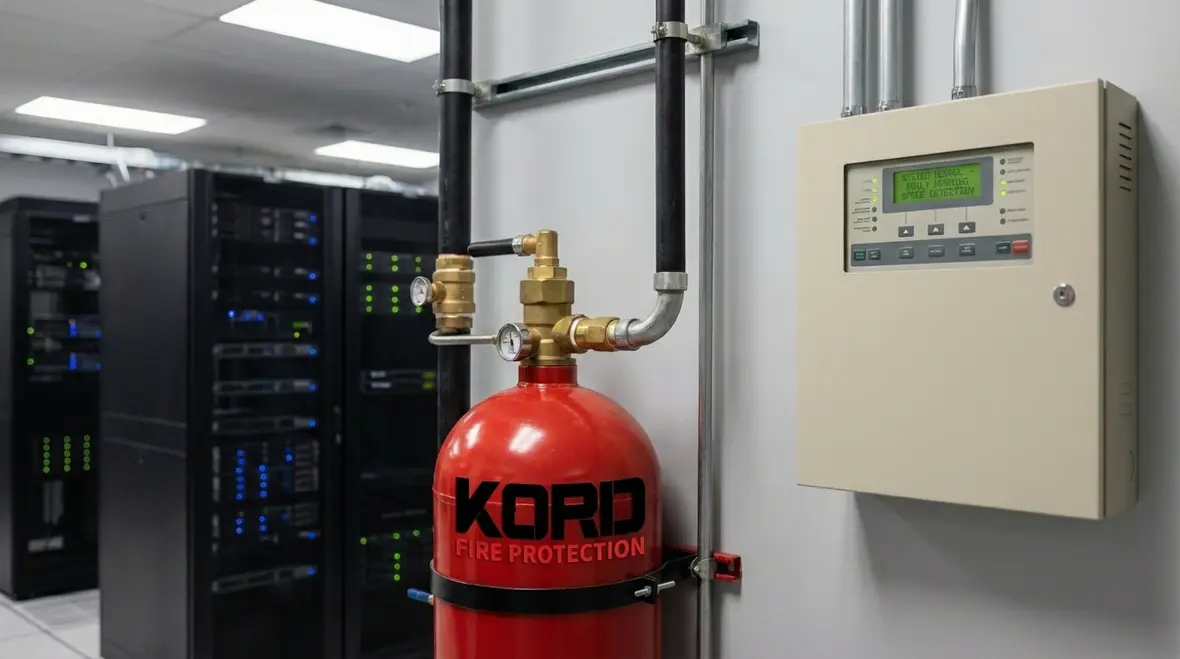
When designing computer room fire suppression, engineers follow strict codes and industry standards. Yet beyond compliance, best practice demands a layered approach that blends detection, clean agents, alarm logic, and ongoing testing. Many of the principles mirror those in NFPA 2001 clean agent guidelines and Kord Fire’s broader NFPA 2001 clean agent overview, but they are tuned for always on mission critical spaces.
1. Early Detection
Very early smoke detection systems actively sample air and identify combustion at its earliest stage. As Kord Fire Protection technicians explain, catching a fire during the invisible smoke phase can prevent a full discharge event. That means fewer disruptions and lower costs.
2. Clean Agent Systems
Clean agents such as FM 200 or inert gas blends suppress fire without leaving residue. They reduce oxygen or interrupt the chemical reaction of combustion. As a result, they extinguish flames while keeping electronics intact. If you are comparing options, Kord Fire’s explainer on different types of clean agent fire suppression systems breaks down the pros and cons of common agents for data centers and server rooms.
3. Proper Room Integrity
Clean agent systems rely on maintaining a specific concentration. Therefore, room integrity testing ensures that walls, ceilings, and penetrations can hold the agent long enough to suppress the fire. Even small cable openings can compromise performance. Door fan testing is not optional; as Kord Fire notes in their room integrity testing guide, it proves the enclosure can actually retain the agent at design levels.
4. Alarm Integration
Fire alarm panels must integrate with building management systems. This coordination allows for shutdown of air handlers, door releases, and notification procedures. Without integration, the system may work in isolation rather than as part of a unified response.
5. Code Compliance
Standards such as NFPA guidelines govern installation and maintenance. While codes set the baseline, experienced technicians often recommend exceeding minimum requirements for high value facilities where even a brief outage hurts. Aligning system design with the clean agent standard also helps ensure that concentration, hold time, and safety margins are all engineered correctly from day one.
Legacy vs Modern Systems and Upgrade Paths
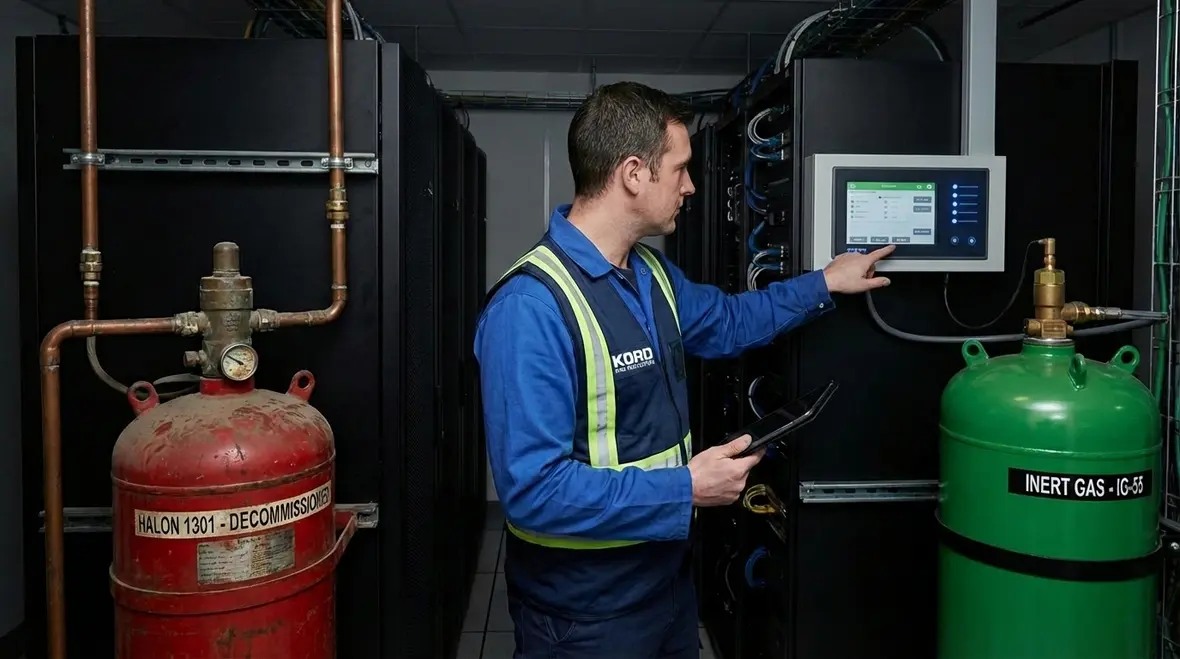
Technology evolves quickly. Fire protection must evolve with it. Many facilities still operate legacy suppression systems installed decades ago. Although those systems once represented cutting edge protection, they may no longer meet today’s environmental, safety, or operational standards.
| Legacy Systems | Modern Systems |
| Often use older clean agents phased out due to environmental concerns | Use environmentally responsible clean agents or inert gases |
| Limited detection sensitivity | Advanced air sampling detection with early warning capability |
| Standalone control panels | Integrated smart panels with remote monitoring |
| Manual reporting and testing logs | Digital reporting and automated diagnostics |
Kord Fire Protection technicians frequently encounter facilities unsure about whether to repair or replace aging systems. The answer often depends on parts availability, compliance status, and risk tolerance.
Upgrade paths may include retrofitting new detection devices while keeping existing agent cylinders. In other cases, a full system replacement provides better long term value. Importantly, upgrades must address compatibility issues between old piping networks and new control panels. Mixing components without proper engineering can lead to unreliable discharge timing or communication failures.
In short, upgrading is not like swapping out a coffee maker. It demands careful hydraulic calculations, software configuration, and coordination with facility operations. If your system is protecting truly irreplaceable assets, it is wise to benchmark it against modern clean agent solutions such as those outlined in Kord Fire’s clean agent systems for high value equipment protection guide.
How to Choose the Right Fire Protection for a Server Room
Facility managers often ask, what is the best suppression system for a computer room? The honest answer is, it depends.
Match Protection to Room Geometry
First, evaluate room size and ceiling height. Larger volumes may favor inert gas systems due to storage flexibility. Smaller rooms may suit chemical clean agents.
Account for Occupancy and Safety Limits
Next, consider occupancy. If personnel frequently work inside the space, systems must meet safe exposure limits. Fortunately, modern clean agents are designed with human safety in mind when installed correctly.
Align with Business Continuity Goals
Then, review business continuity goals. For organizations that cannot tolerate even seconds of downtime, pairing early detection with pre action sprinklers adds redundancy. Although it may sound excessive, layered protection often proves wise when millions of dollars ride on uptime.
Consider Environmental Impact
Finally, examine environmental impact. Many companies now prioritize sustainable solutions. Modern agents with low global warming potential support both safety and corporate responsibility goals.
Installation Best Practices That Prevent Costly Mistakes
Even the best design can fail if installation falls short. Therefore, precision matters at every step.
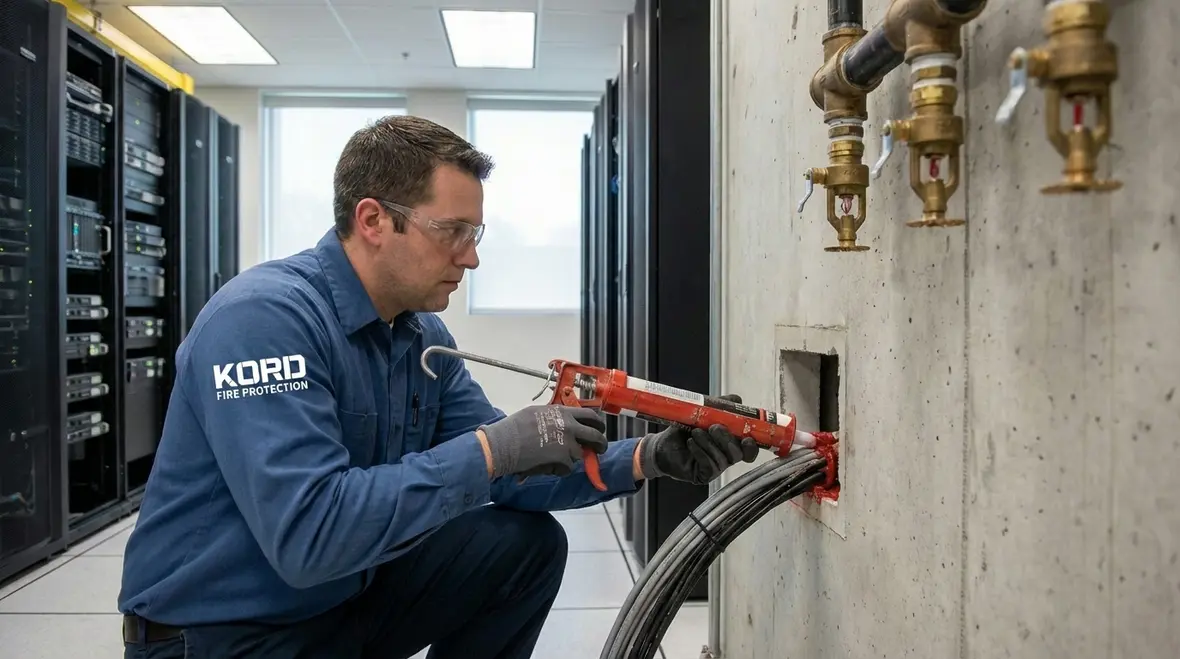
Seal All Penetrations
Cable trays, conduits, and raised floor openings must be sealed properly. Otherwise, agent concentration may drop below effective levels during discharge.
Verify Nozzle Placement
Nozzles require correct spacing and orientation to ensure uniform distribution. A misplaced nozzle can create uneven coverage, leaving hot spots behind.
Conduct Room Integrity Testing
Door fan testing confirms that the protected enclosure holds the agent. Skipping this step is like installing a pool without checking for leaks.
Train Staff
Employees should understand alarms, evacuation procedures, and system reset protocols. Calm reactions reduce panic and prevent accidental overrides.
Kord Fire Protection technicians often emphasize that installation is both science and craft. While software calculates discharge times, experienced hands ensure fittings seal tight and panels communicate correctly.
Maintenance and Inspection for Long Term Reliability
Once installed, a suppression system cannot simply sit quietly in the corner like a forgotten gym membership. It requires routine inspection and testing.
Monthly visual inspections check pressure gauges, control panels, and alarm indicators. Semiannual testing may include detector sensitivity checks and control panel diagnostics. Additionally, annual inspections verify agent levels and cylinder integrity.
Over time, even minor building renovations can affect system performance. For example, adding new cable penetrations without resealing walls can compromise room integrity. Therefore, facility changes should trigger a review of the fire protection system.
Consistent documentation also supports insurance compliance and audit readiness. In the event of an incident, clear maintenance records demonstrate due diligence.
Integrating Fire Suppression with Broader Risk Management
Effective computer room protection does not operate in isolation. Instead, it connects with cybersecurity, physical security, and disaster recovery planning.
For instance, remote monitoring alerts facility managers to trouble conditions in real time. Integration with access control ensures that only authorized personnel can disable systems. Meanwhile, backup power supplies keep detection and control panels operational during outages.
Moreover, aligning suppression strategy with business continuity planning reduces recovery time. If a discharge occurs, predefined response plans help teams assess equipment, restore services, and communicate with stakeholders.
In many ways, fire suppression mirrors a good movie soundtrack. When everything works, no one notices. Yet if it fails at the wrong moment, everyone remembers.
Frequently Asked Questions
Conclusion
Protecting digital infrastructure demands more than good intentions. It requires thoughtful design, modern technology, and expert guidance. Kord Fire Protection technicians stand ready to assess, upgrade, or install systems that safeguard what matters most. For organizations that depend on constant uptime, now is the time to review existing protection and plan the next step.
Because when it comes to fire in a computer room, preparation always beats regret. If you are evaluating options for a new build or retrofit, consider speaking with Kord Fire’s clean agent specialists or requesting a consultation through their Clean Agent Fire Suppression System Services page. A brief conversation today can prevent chaos, downtime, and costly data loss tomorrow.
Know Your Weapon Before You Fight the Flame
Kord Fire Protection is your go-to when it comes to all things fire protection. For over 20 years, we’ve been serving Southern California with the quality service and equipment to keep your home or business safe at all times. Our competitive prices reflect our unwavering commitment to protecting what matters most in the event of a fire emergency. Give us a call, send an email, or use that form!

Join Our Newsletter!
Get the latest fire safety tips delivered straight to your inbox From our Newsletter.