Commercial Standpipe System Benefits for Fire Safety
Commercial buildings run on systems that rarely get applause. Yet when the time comes, those same systems have to perform without drama. That is where commercial standpipe system benefits show up in a big way. In many properties, these standpipes help firefighters connect faster, protect people who cannot move quickly, and support a safer overall response. As Kord Fire Protection technicians often explain, the real value is not just “water on demand,” but reliable operation under stress. And yes, the building should not treat a fire event like an unplanned streaming outage. It should behave like it was tested, trained, and built to work.
What a commercial standpipe system does during an emergency
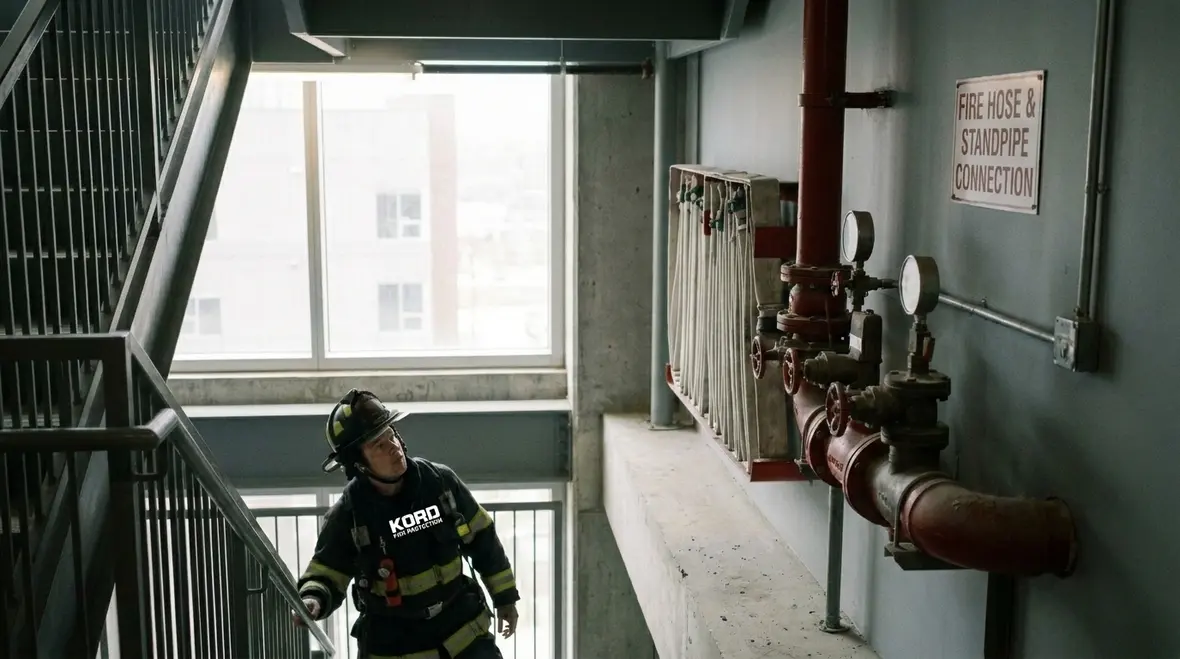
A standpipe system keeps water available for firefighting operations. Typically, it sends pressurized water to standpipe outlets located in or near stairwells and other protected areas. When a fire team connects hose lines to those outlets, they gain a dependable source that does not require climbing floors while searching for other supply points.
Because the system operates in a set way, it reduces uncertainty. In plain terms, firefighters know where to go and what to expect. As Kord Fire Protection technicians explain, this consistency matters when visibility drops, smoke spreads, and every minute starts acting like it has somewhere else to be. When the building includes clear signage and properly maintained hardware, response teams can work with less confusion and more control.
This is also why standpipes matter beyond the firefighting crew alone. The faster responders can establish water in the right place, the better the odds that stair enclosures stay usable, evacuation routes stay more predictable, and the incident stays smaller than it might have become. A dependable system does not erase risk, but it helps prevent a bad situation from upgrading itself into a much worse one.
Why location and consistency matter
Standpipe outlets are not random pieces of hardware placed wherever a wall happened to be available. Their positioning supports access, speed, and coordination. When outlets are where firefighters expect them to be, especially near protected stairs, crews spend less time searching and more time operating. That kind of consistency is not glamorous, but during a fire it is incredibly useful. Buildings that make responders improvise are not showing personality. They are creating friction.
How commercial standpipe system benefits improve firefighter access
First, the system supports better access to water inside the structure. Instead of relying on distant hydrants or manual setups that take time, crews can connect directly to outlets designed for firefighting use. This helps reduce delays between arrival and water application.
Second, the system supports hose line positioning for effective coverage. When crews can reach the right areas quickly, they can stop the fire’s spread earlier and protect stair routes. Also, because standpipes often align with building life safety paths, the water source supports coordinated tactics.
Third, the system can improve safety for the team. When access routes stay protected, firefighting operations happen closer to the places that matter most, which helps reduce risky improvisation. In other words, the building helps firefighters do their job instead of making them solve a puzzle with smoke as the puzzle partner.
Access helps strategy, not just speed
Speed gets the spotlight, but access also improves decision making. A crew that can connect at known locations has a better shot at advancing lines with control, preserving stairwell integrity, and protecting occupants who need more time to get out. In a commercial setting, that matters for office floors, lodging spaces, storage areas, and mixed occupancy layouts where conditions can change quickly from one section to the next.
For property teams, this translates into a system that actively supports emergency operations instead of merely checking a code box. That distinction matters. A standpipe that exists on paper is one thing. A standpipe that helps crews move, connect, and flow water where it counts is the one that earns its keep.
Fewer delays come from smart design and maintenance
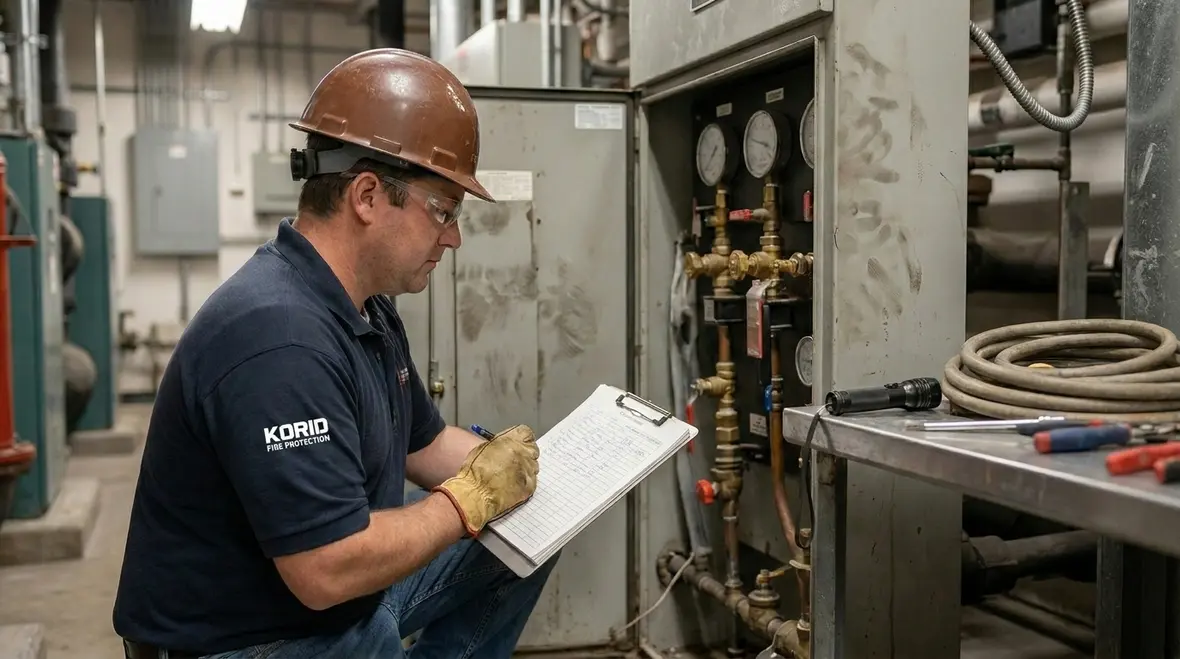
Operational performance depends on more than just having equipment installed. It depends on how that equipment works as time passes. Kord Fire Protection technicians frequently point out that maintenance keeps the system in its expected operating range, which helps avoid the classic “it should work” situation. That is the dangerous cousin of “it will work.”
Several operational factors influence response speed. Water flow paths must stay clear. Valves must move freely. Pressure needs to stay in the correct range for standpipe use. And testing should confirm that components respond as intended. When these pieces remain in good order, crews can connect with confidence and operate without guesswork.
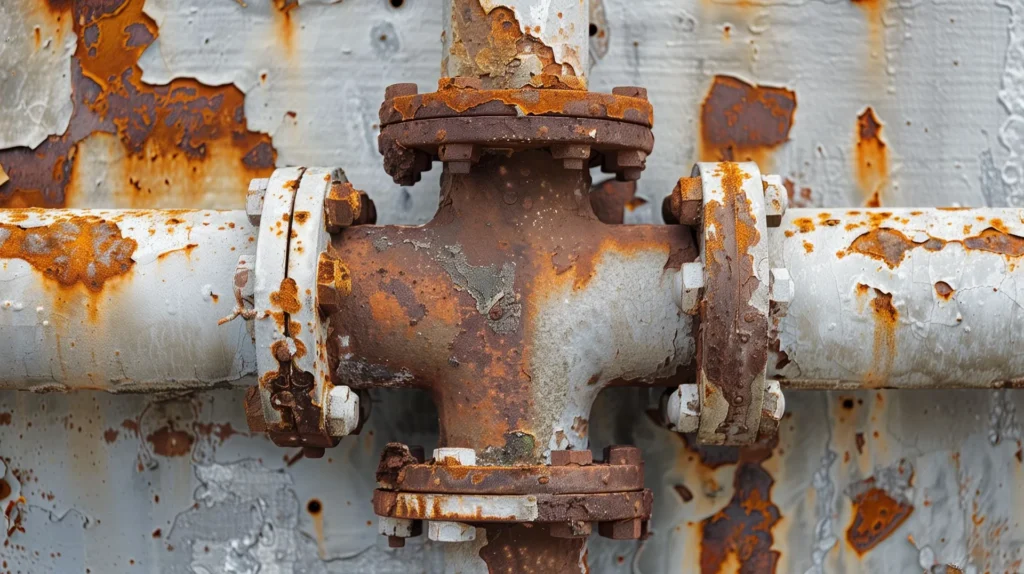
Also, maintenance checks help identify early wear and hidden issues. For instance, corrosion and mineral buildup can slowly affect performance. Then, during testing, the problem may appear long before an emergency exposes it. That timing matters, because repair plans become easier and downtime shrinks.
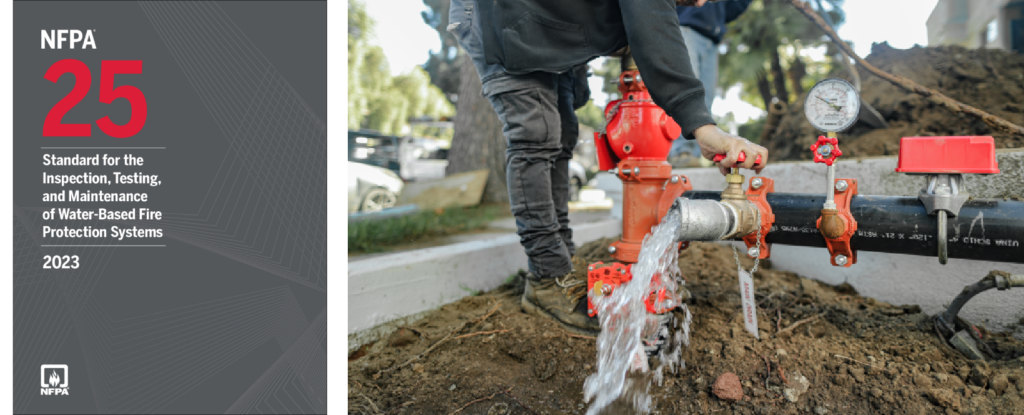
If you want a closer look at how testing verifies flow and pressure in the field, see Kord Fire Protection’s Standpipe Flow Test Guide for Fire Protection. It is a useful companion topic because real readiness comes from proving performance, not assuming it.
What maintenance prevents from becoming a bigger problem
- Valves that are hard to operate or not fully positioned
- Pressure issues that weaken hose stream performance
- Blocked or compromised flow paths
- Corrosion that quietly reduces reliability over time
- Documentation gaps that create confusion during inspections or repairs
Reliability under real fire conditions and building pressures
Fire scenarios put major stress on systems. Pressure can change quickly, flow demand can shift, and heat can affect exposed components. A properly designed commercial standpipe system supports firefighters by maintaining water readiness while the building transitions into emergency operation.
In practice, system operation links to how the building handles water supply and pressure. Some designs use pumps or gravity sources, and the system includes controls that respond to demand. Even small changes in pressure can influence effective hose stream performance, so designs should match the building layout and fire strategy.
As Kord Fire Protection technicians explain, the goal is consistent function. That means engineers size components for required flow, and installers follow the details that keep performance stable. Then, technicians continue the work through scheduled inspections and records that show readiness. In business terms, this prevents expensive surprises and supports compliance.
For a broader explanation of design, classifications, and operation, Kord Fire Protection’s Standpipe System Requirements and How It Works is another strong internal resource to connect here. Readers who want more depth can move naturally from benefits to requirements without leaving the subject half finished.
Compliance, documentation, and operational confidence
Many property managers focus on passing inspections. That matters, but the deeper win is operational confidence. When documentation is complete and testing records match the actual condition of the system, it becomes easier to plan, budget, and respond.
Commercial standpipe systems also connect to broader life safety programs. Fire drills, evacuation planning, and coordination with security and building operations often rely on the status of fire protection systems. When the standpipe system operates correctly, it supports the full chain of safety actions, not just firefighting.
In addition, strong records help teams communicate with insurers, authorities, and contractors. Clear logs show testing dates, repair actions, and outcomes. And yes, keeping good paperwork is like keeping receipts. Nobody thinks about it until the moment they really need it.
Why documentation supports safer operations
Good records help confirm whether a system has been tested on time, whether repairs actually resolved prior issues, and whether future budgeting should account for upgrades instead of repeat patchwork. In a commercial environment, that kind of clarity reduces friction between owners, managers, contractors, and inspectors. It also means fewer awkward moments where everyone assumes someone else has the paperwork.
Choosing an effective standpipe system strategy for different buildings
Not every property needs the same approach. Building height, layout, occupancy type, and water supply conditions all influence design choices. Some structures require more outlets or different configuration so firefighters can reach areas efficiently without risky movement.
Kord Fire Protection technicians often discuss how the best strategy fits the building’s real use. For example, a warehouse with open spaces may need different coverage planning than a hotel where compartmentalization changes flow needs. Meanwhile, mixed use buildings often add complexity because multiple occupancies share infrastructure.
During planning, teams also consider how crews will access stairwells, where standpipe locations should land relative to evacuation paths, and how future renovations may affect clearances or piping. When the system strategy aligns with current operations, the commercial standpipe system benefits show up as smoother action and fewer obstacles.
Readers who want to compare layouts and use cases may also benefit from Kord Fire Protection’s Automatic vs Manual Standpipe Systems Explained and Standpipe Class I II III Explained Clearly. Both make strong internal links because they help turn general interest into practical understanding.
FAQ
Final call: protect people and operations with proven standpipe readiness
Commercial properties should not gamble on firefighting performance. When Kord Fire Protection technicians review your standpipe system, they help ensure it matches the building, meets code expectations, and stays ready through clear testing and documented maintenance. If your system is due for inspection or you are planning upgrades, reach out for a focused assessment and an action plan you can run on. Get the peace of mind that comes from real readiness, not wishful thinking.
To take the next step, explore Kord Fire Protection’s Standpipe Systems service page. It is the right call to action near the end because it connects readers directly with installation, inspection, and maintenance support for Class I, II, and III commercial standpipe systems.

Join Our Newsletter!
Get the latest fire safety tips delivered straight to your inbox From our Newsletter.