Protecting Electrical Infrastructure Fire With Kord Fire Protection
Protecting electrical infrastructure fire is not a slogan, it is a duty. When wiring, panels, switchgear, transformers, and control systems fail, the resulting heat and sparks can spread fast, and fires love speed. Yet many electrical incidents start long before flames appear, often with small issues like loose connections, overheated breakers, or damaged insulation. Therefore, the best time to act is before the “oops” moment. Kord Fire Protection technicians know that fire prevention works best when it combines smart electrical practices with proven fire safety systems and steady maintenance. And yes, while no one wants to read safety checklists like they are bedtime stories, doing it well can save a facility, a business, and a crew’s peace of mind.

What does protecting electrical infrastructure fire actually require?
To protect a site, third party teams like Kord Fire Protection technicians treat the electrical system as both a power network and a potential ignition source. Then they focus on the chain of events that leads to a protecting electrical infrastructure fire. That chain usually includes heat buildup, insulation breakdown, arcing, and delayed detection. As a result, effective programs reduce ignition risk and improve response time. They also make sure the electrical equipment stays within safe limits during normal operations and during abnormal conditions like overloads.
In practice, that means combining prevention, early detection, and suppression or control. Prevention includes proper design, safe installation, and routine inspections. Detection includes monitoring for smoke, heat, and abnormal electrical behavior. Control includes fire resistant enclosures, suppression systems where appropriate, and clear emergency procedures that help people act fast.
Build a prevention plan that fits the real risks
Facilities should not use the same checklist for every space. Instead, they should match actions to risk levels based on equipment type, loading patterns, occupancy, and maintenance history. For example, an industrial panel room with heavy-duty motor control gear faces different failure modes than a clean office with low voltage cabling. Moreover, older buildings may have hidden vulnerabilities like degraded insulation or outdated component ratings.
Kord Fire Protection technicians often start by reviewing documentation, then verifying conditions on site. They look at panel schedules, one line diagrams, equipment labels, and prior repair records. After that, they connect the dots between electrical design and fire behavior. If a site has dust, moisture, or vibration, the odds of insulation problems rise. If cooling systems fail, thermal stress rises. Therefore, prevention plans should include controls that support safe temperature and clean operating conditions, not just “wires are in place” as a concept.
Map the weak points before they become expensive surprises
A strong prevention plan usually works best when it identifies where the system is most vulnerable to heat, contamination, vibration, and human error. That means looking beyond the obvious front of a panel and thinking about cable entries, ambient room conditions, old modifications, and spaces where maintenance access is awkward enough to invite procrastination. Fire risk has a sneaky habit of hiding where no one wants to kneel with a flashlight.
Why inspections and thermography stop failures early
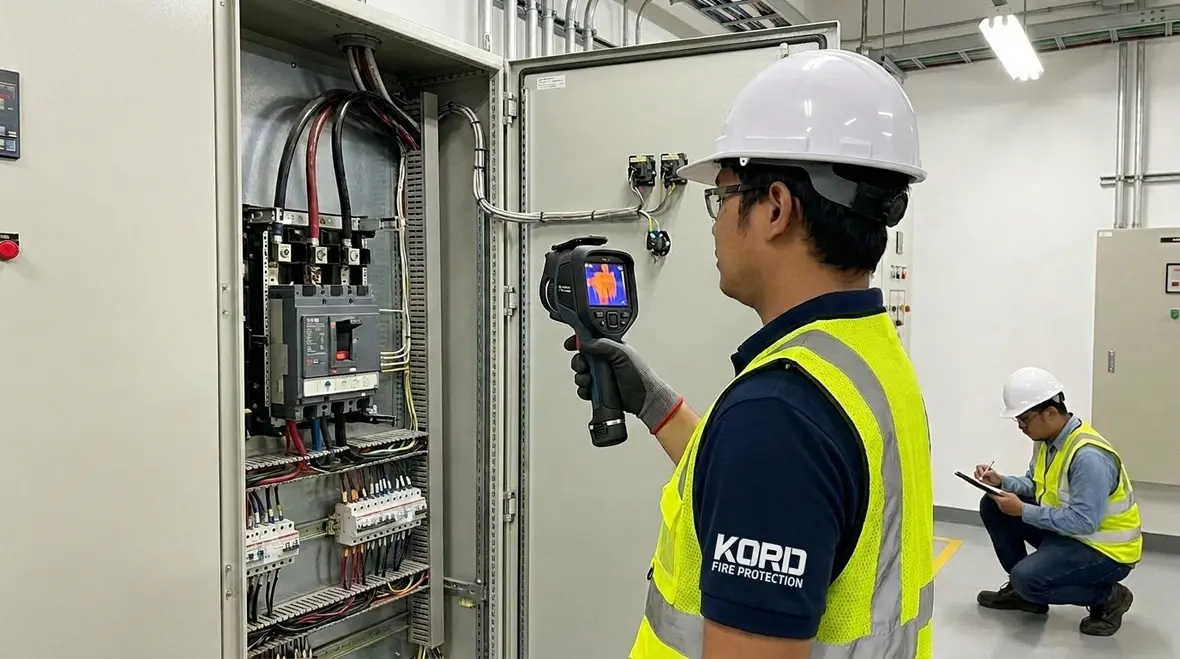
Electrical systems rarely announce a coming failure with a neat warning label. However, heat patterns tell the truth. During a protecting electrical infrastructure fire risk program, inspections should include visual checks and performance testing, and they should use tools like infrared thermography when appropriate. This method helps identify hotspots around terminations, bus bars, breakers, and splices. Then crews can correct the issue before it becomes arcing, smoke, or flame.
In addition, technicians should check for signs that drift often causes: discoloration, soot at panel edges, scorch marks around conduit entries, and corrosion on terminals. If a breaker trips repeatedly, that symptom deserves a real root cause review. Otherwise, the system may keep operating in a “works until it does not” mode. And that mode is like a movie villain who always comes back, except the villain here is heat.
Inspection routines also gain value when they are consistent enough to reveal trends. A one-time look can catch a glaring problem, but repeated checks help teams spot drifting temperatures, recurring overloads, and the same troublemaking connection that refuses to behave. That is where maintenance stops being reactive and starts getting smart.
Upgrade protection for panels, cabinets, and cable pathways
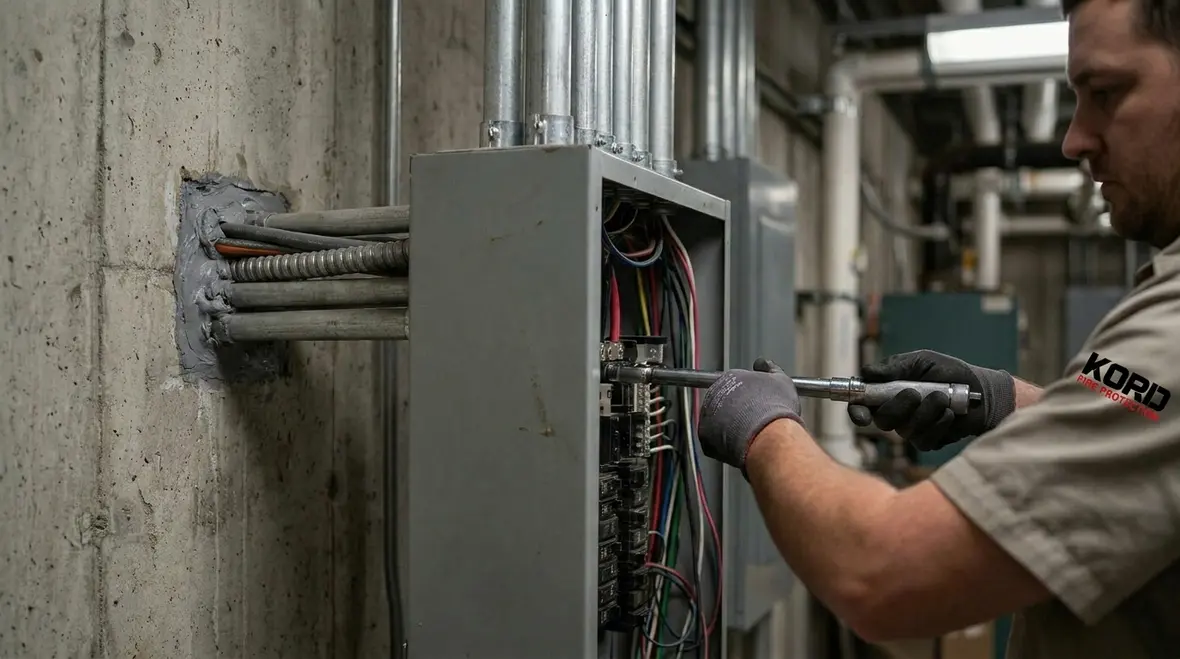
Even well maintained equipment can face stress if installation details do not match the environment. Therefore, upgrades should address both electrical safety and fire spreading pathways. For instance, cable routing matters. Crews should use proper conduit seals where cables pass through walls and floors, because those voids can act like chimneys. Additionally, fire stopping methods should use rated materials that match the wall and floor rating requirements.
Inside panelboards and control cabinets, technicians should verify spacing, torque levels on terminations, and the condition of lugs and bus connections. Loose connections create resistance, and resistance creates heat. So while it may feel tedious, tightening and inspection under controlled procedures prevents the kind of thermal damage that leads to ignition. Also, crews should confirm that protective devices match the circuit load and that any changes since installation received proper engineering review.
Kord Fire Protection technicians also emphasize separation and labeling. Clear labeling helps maintenance crews avoid accidental changes. Separation helps prevent one event from taking down multiple systems. In other words, the goal is to keep a problem small long enough for detection and action.
Use documentation like a tool, not a decorative binder
When records are current, crews can troubleshoot faster, plan upgrades with fewer surprises, and avoid the classic maintenance adventure known as “let’s see what this feeds.” Accurate panel schedules, updated one line diagrams, and marked field modifications make fire protection work more effective because they shorten the time between problem discovery and safe correction.
Use fire detection and suppression where it makes sense
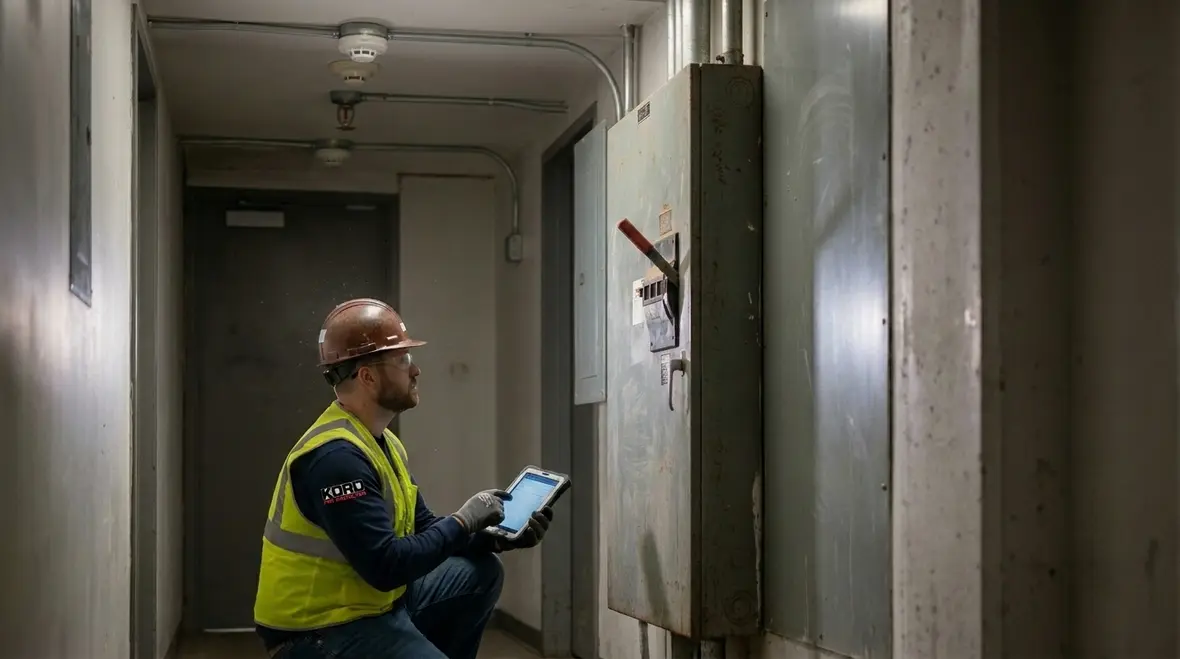
When prevention fails, fast detection and correct suppression can limit damage. Smoke detection, heat detection, and specialized monitoring can provide early warning for smoldering conditions or electrical arcing byproducts. Additionally, facilities should place detectors in locations that match airflow patterns and equipment layout. If detectors sit in the wrong spot, they will miss the earliest clues, like a smoke alarm installed behind a couch. It happens, and it is never the couch’s fault.
For suppression, the right solution depends on the equipment type and the setting. Some areas may benefit from clean agent systems or targeted suppression strategies, while others may need approaches that protect life safety and reduce fire growth. Kord Fire Protection technicians typically coordinate with electrical stakeholders to ensure suppression does not create new risks, such as equipment shutdown hazards without safe procedures. Facilities looking to improve notification, monitoring, and response coordination can also review Kord’s fire alarm services for added support.
Equally important, the facility should maintain clear emergency steps. Staff should know who shuts down equipment, where manual pull stations exist, and how to confirm power removal before intervention when required. Transitioning from alarm to action should not rely on guesswork.
Grounding, surge protection, and safe operating habits
Electrical safety continues beyond hardware inspection. Grounding, bonding, and proper surge protection help reduce equipment stress during lightning events and power fluctuations. When these systems fail or degrade, they can lead to abnormal behavior in controls and power supplies, which increases failure likelihood.
Operational habits also affect fire outcomes. Crews should avoid overloading circuits, ensure that extension cords and temporary wiring follow approved rules, and remove damaged cables from service immediately. They should also manage dust and moisture. Dust can insulate connections and traps can worsen heat buildup. Moisture can contribute to corrosion and abnormal electrical paths.
Then there is documentation. Facilities should record what changes were made, where, and why. For example, after a retrofit or equipment swap, the site should update single line diagrams and panel schedules. If the “as built” records drift from reality, the next maintenance call becomes a scavenger hunt, and electrical protection should not depend on scavenging.
How Kord Fire Protection technicians recommend ongoing training and accountability
Training turns procedures into habits. Kord Fire Protection technicians often recommend short, focused sessions that match daily work. For example, training can cover how to recognize warning signs, how to report unusual breaker behavior, and how to follow lockout or safe power procedures. Then leadership should establish accountability so issues do not get buried in “we’ll look at it later” time.
In addition, facilities can use checklists that support consistency across shifts. When each team uses the same process for inspections and documentation, the data becomes useful instead of decorative. That means logs should track findings, corrective actions, and when equipment receives follow up verification. Over time, this reveals repeat failure patterns and helps predict where future upgrades matter most.
If your team is trying to build a more complete maintenance mindset, Kord’s recent article on the full lifecycle of fire protection servicing is a useful related read. It connects inspections, maintenance, repairs, and long-term readiness in a way that fits this same bigger-picture approach.
FAQ
Call Kord Fire Protection to strengthen protection before the problem grows
Electrical incidents rarely start as a full fire. They usually start as heat, arcing risk, or hidden damage that slowly builds. Kord Fire Protection technicians help facilities reduce ignition sources with inspections, targeted upgrades, and coordinated detection and response planning. If a site needs a more confident, documented approach to protecting electrical infrastructure fire, now is the time to act.
Schedule an assessment today and let experts turn risk into a controlled plan, not a late night emergency call. For broader support across inspections, alarms, sprinklers, extinguishers, and coordinated system readiness, visit Kord’s full fire protection services page and take the next step with a team that treats prevention like it matters, because it does.

Join Our Newsletter!
Get the latest fire safety tips delivered straight to your inbox From our Newsletter.