
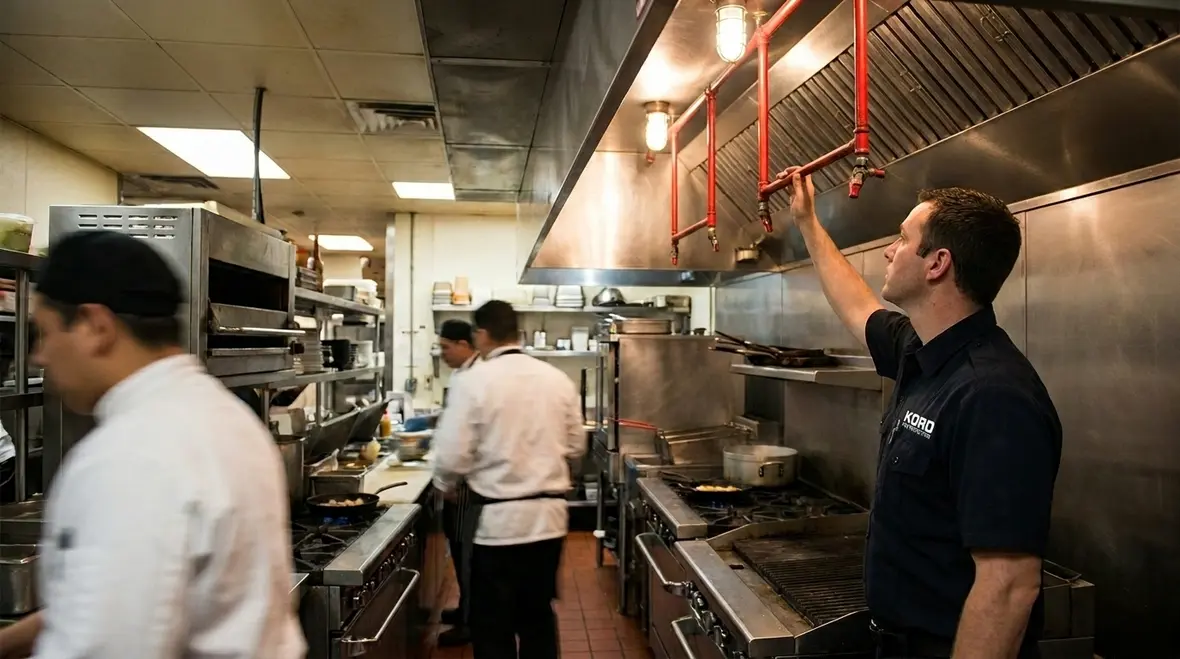
ANSUL R-102 System for Restaurant Fire Suppression
Inside a busy restaurant, seconds matter. One flare up can turn a calm kitchen into chaos, and the best time to prepare is before anyone hears the first alarm. That is where the ANSUL R-102 system comes in. This fire suppression system is designed for commercial cooking areas, helping protect hoods, ducts, and key parts of the cooking operation. In this guide, third person expert insight explains how the ANSUL R-102 system works, what people should expect during service, and why Kord Fire Protection can become a vital partner when the job hits real life, not training videos.
How the ANSUL R-102 Restaurant System Protects the Kitchen
The ANSUL R-102 system focuses on rapid control of grease and cooking fires. First, it covers the cooking hood area, because that is where heat and grease can collect and where flames often start. Next, it includes components that detect a fire and release agent quickly. Then, it helps stop the fire at the source rather than letting it spread into the ductwork.
In a properly designed layout, the system monitors the protected hood and related piping. When heat rises above a set point, the system triggers to release suppression agent. Therefore, the goal is not just “something happens,” but rather “something happens fast and in the right place.” And yes, kitchens can look chaotic, yet the design keeps the response organized, like a well run shift that never forgets to wipe the grill.
Why hood and duct coverage matters
Commercial kitchens create a very specific kind of fire risk. Grease laden vapors, high surface temperatures, and nonstop equipment use can stack the odds in the wrong direction fast. That is why restaurants often rely on systems built around modern wet chemical suppression and appliance specific coverage. Kord Fire Protection highlights this on its UL 300 restaurant systems service page, which explains how restaurant kitchen suppression systems are designed, installed, and maintained for active cooking environments. ([kordfire.com](https://kordfire.com/ul300-restaurant-systems/?utm_source=openai))
What Triggers Activation and What Happens After Release
Most people picture a single button and instant fire magic. Reality is more methodical. After detection, the system initiates discharge of the stored agent into the hood area. As a result, the agent helps control and extinguish grease fires, reducing the chance of flame spread.
Following discharge, technicians verify key functions so the system remains ready for the next emergency. Even if a fire seems small, the discharge can change the system’s status. Consequently, the restaurant should treat any activation seriously, because resetting without full checks risks future performance when it matters most.
Think of it like an airbag in a car. After a crash, the job is not “clear the mess and drive.” The equipment needs the right attention, and the same principle applies here.
Why service after discharge is non negotiable
Kord Fire Protection’s restaurant system resources stress that regular maintenance and inspections are needed to keep kitchen suppression systems effective and compliant, and that service should not be treated like a once and done event. That lines up with real world operations: after any discharge, restaurants need a full review, restoration, and confirmation that protection is back in place before normal risk returns with the dinner rush. ([kordfire.com](https://kordfire.com/ul300-restaurant-systems/?utm_source=openai))
Key Components Owners and Managers Should Understand
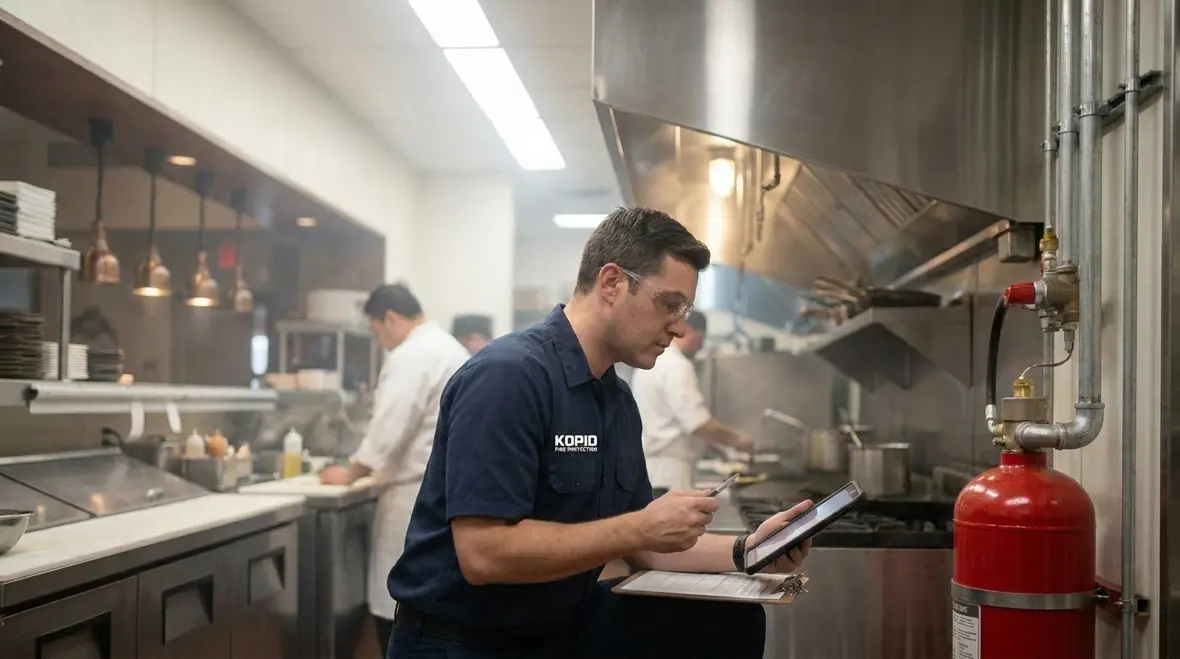
A restaurant suppression system includes multiple parts that must work together. Typically, the package includes a cylinder, release tubing, nozzles, detection elements, and control or actuation parts. Each component supports the fire response from detection through discharge.
Just as important, the piping routes agent to the right areas. Therefore, proper layout and routing matter. If someone installs components without clear coverage for the hood and duct transitions, protection drops where risk is highest.
Kord Fire Protection supports customers by treating these details as business critical, not “just compliance paperwork.” They help ensure the setup matches the kitchen layout and cooking style, because a fryer heavy menu creates different risk than a menu that mostly grills.
Coverage has to match the kitchen that actually exists
That point sounds obvious until a kitchen expands, swaps appliances, or shifts menu style without updating the suppression design. Kord Fire’s recent article on UL 300 and restaurant hood suppression systems makes the same case in plain language: modern protection is about keeping pace with hotter oils, more demanding equipment, and the realities of day to day operations. ([kordfire.com](https://kordfire.com/ul-300-and-restaurant-hood-suppression-systems/?utm_source=openai))
Common Installation and Service Mistakes That Create Risk
Service jobs can look routine, but small errors create big gaps. One common mistake involves incomplete maintenance between inspections. Another involves assuming the system is fine because it has not discharged recently. However, the system can require replacement parts, recharging, or proper inspection even when no visible fire happened.
Another risk comes from changes inside the kitchen. If a restaurant modifies the hood, adds equipment, or changes ventilation paths, the original design may no longer fit. Additionally, improper mounting or incorrect nozzle placement can interfere with coverage. In other words, the system might “activate,” but it may not cover the right surfaces and zones.
Also, some teams use shortcuts during service because time is tight. Yet kitchens always run on time pressure, like an episode where the plot depends on whether the chef gets the sauce out before the deadline. Still, cutting corners can turn that plot into a real incident.
The sneaky problem with “it still looks fine”
A suppression system does not need to be visibly wrecked to be compromised. Inspection tags, service records, and configuration reviews all matter, especially when authorities or insurers want proof that the system still matches the kitchen layout. Kord Fire’s restaurant fire safety compliance guide emphasizes that inspections, records, and coordinated service are part of staying ahead of both code issues and operational risk. ([kordfire.com](https://kordfire.com/restaurant-fire-safety-regulations-compliance-guide/?utm_source=openai))
Inspection, Maintenance, and Testing That Keep the System Reliable
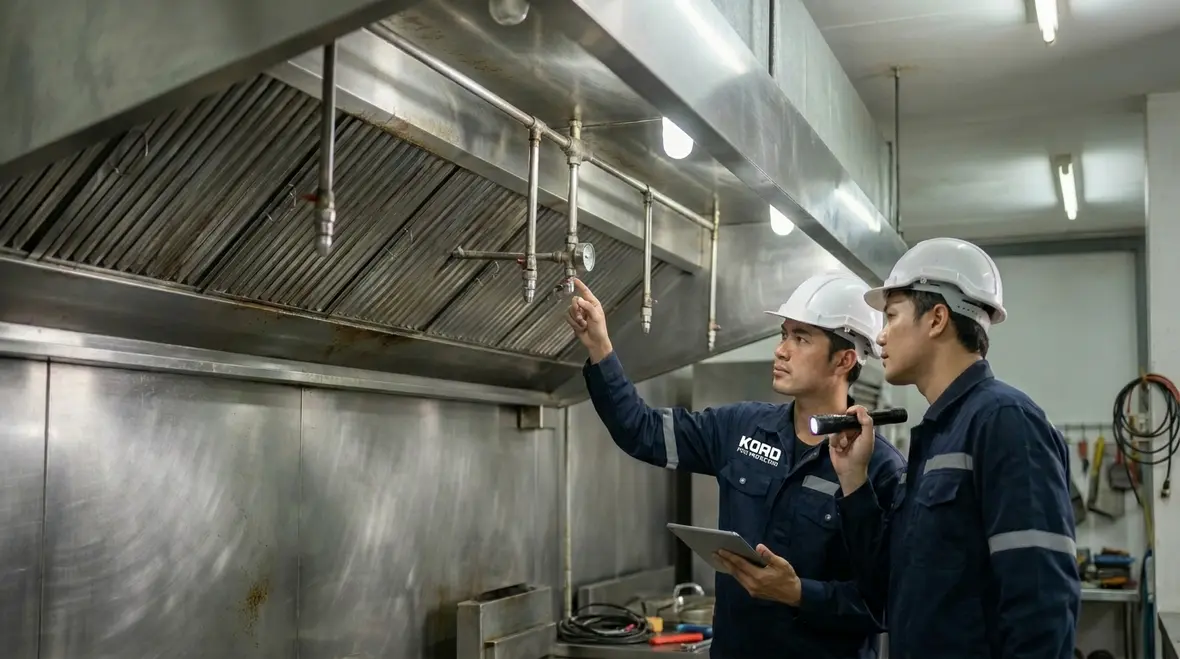
Maintenance should not feel like guesswork. A proper service approach checks key items methodically. Technicians typically inspect the physical condition of the system, verify discharge paths, check the status of detection and actuation elements, and confirm that required parts stay in serviceable condition.
After a test or any activation, the system needs prompt attention. The restaurant should not wait for “next month,” because the system’s readiness matters day to day. Moreover, maintaining proper records helps teams show they manage risk, especially during inspections and insurance reviews.
Kord Fire Protection can become a vital partner here because they bring consistent procedures, clear reporting, and practical guidance for kitchen operations. As a result, restaurant leadership gets answers they can use, not just vague notes that sound like they came from a fortune cookie.
A better maintenance rhythm means fewer ugly surprises
Kord Fire Protection presents itself as a full service fire protection company offering fire suppression system work alongside alarms, extinguishers, pumps, and related services. For restaurant operators, that broader scope can be useful because kitchen suppression does not live in a vacuum. A coordinated provider can help align the hood system with the rest of the building’s fire protection picture instead of treating every visit like a disconnected side quest. ([kordfire.com](https://kordfire.com/about-fire-protection/?utm_source=openai))
How Kord Fire Protection Supports Restaurants Beyond the Basic Job
A strong fire safety partner does more than show up, check boxes, and leave. Kord Fire Protection helps restaurants understand the system’s role in real emergencies. They also help teams plan for service schedules that align with restaurant downtime, so the kitchen keeps operating while still staying protected.
That support often includes training that helps staff recognize what to do during a response. It also includes system updates when layouts change. Consequently, restaurants avoid the “we renovated and nobody adjusted the protection” situation, which is the safety version of leaving the stove on and calling it a prank.
When Kord Fire Protection partners on the job, restaurant owners benefit from smoother service coordination, more confident compliance, and fewer surprises. The kitchen team gets guidance that respects their daily reality, not just safety theory.
For restaurants wanting a broader picture of suppression options, Kord Fire also maintains an fire suppression page and an all fire suppression service overview that place restaurant systems within its wider protection offering. Near the practical end of the decision tree, that matters. Owners often need one partner who can inspect, maintain, and coordinate the surrounding systems without turning every phone call into a scavenger hunt. ([kordfire.com](https://kordfire.com/all-fire-suppression/?utm_source=openai))
FAQ: ANSUL R-102 System and Restaurant Fire Suppression
Final Thoughts and a Clear Next Step
Restaurants deserve protection that works when the kitchen stops being “routine.” The ANSUL R-102 system plays a key role by targeting grease fire risk in the hood and duct areas, while service and maintenance keep it ready. Kord Fire Protection helps restaurants manage that responsibility with practical support, reliable procedures, and clear communication.
If a new install, inspection, or service is on the calendar, the clearest next move is to connect with Kord Fire Protection through its UL 300 restaurant systems page or review broader fire suppression options for a solution that fits the kitchen as it actually operates, not as it looked on opening day. ([kordfire.com](https://kordfire.com/ul300-restaurant-systems/?utm_source=openai))

Join Our Newsletter!
Get the latest fire safety tips delivered straight to your inbox From our Newsletter.



