
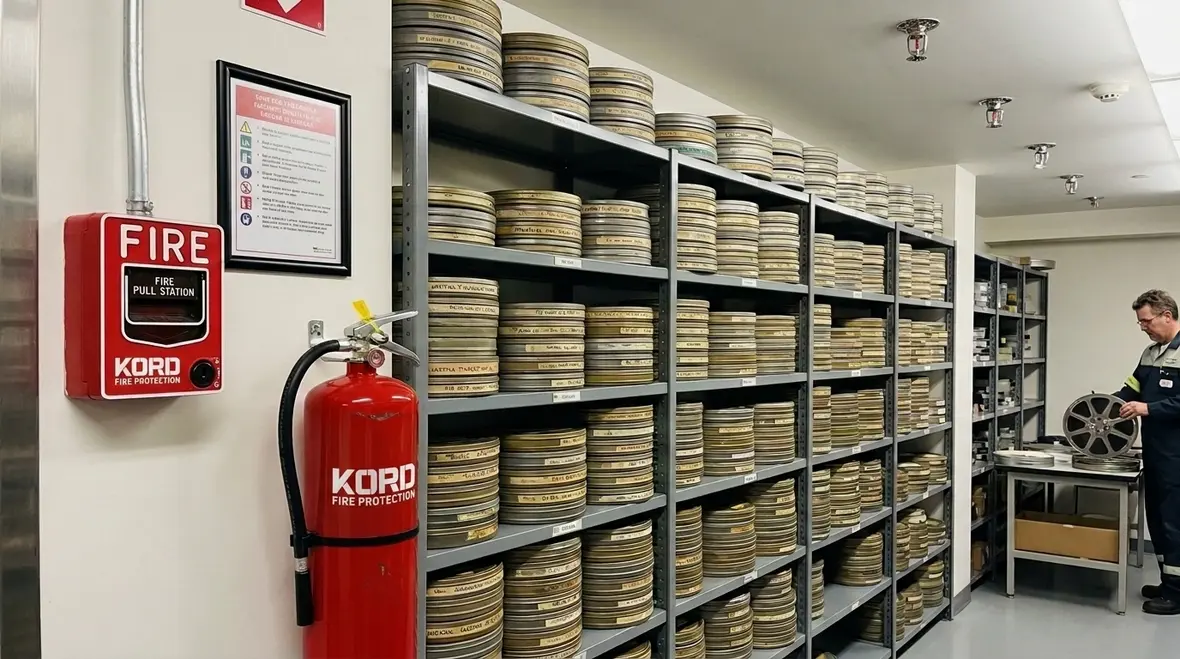
NFPA 40 Section 1.2 Purpose: Fire Protection Goals for Nitrate Film Operations
Quick Answer: NFPA 40 Section 1.2 sets the fire protection purpose for facilities handling nitrate film. It directs operators to prevent ignition, limit fire growth, protect life safety, and reduce property loss through engineered safeguards, operational controls, and ongoing maintenance. This goal-first approach shapes compliant system design and inspections.
Facilities looking to strengthen inspection routines and equipment reliability can also review fire pump testing and certification process explained, which fits naturally alongside the maintenance and verification mindset behind nitrate film fire protection planning.
What does NFPA 40 Section 1.2 require in plain terms?
NFPA 40 Section 1.2 explains the core fire protection goals for nitrate film operations. Instead of treating compliance as a checkbox exercise, the section frames why fire protection matters: nitrate film presents unique hazards that can produce rapid fire development and difficult fire control conditions. The NFPA 40 purpose fire protection nitrate film approach emphasizes engineered controls and disciplined operations so the facility can respond effectively and limit losses.
In practice, this section acts like a blueprint for risk management. It influences how a facility selects detection and suppression methods, designs compartments and clearances, manages housekeeping and storage, and maintains systems so they perform when called upon.
Why nitrate film needs a goal-first fire protection strategy
Nitrate film hazards drive stricter expectations because the material can be highly flammable and can contribute to rapid involvement. That risk becomes a management issue as much as an equipment issue. When operations involve inspection, handling, storage, shipping, splicing, or disposal workflows, the facility must prevent unsafe conditions from forming and ensure the fire protection features remain effective under real use.
NFPA 40 Section 1.2 focuses attention on outcomes that matter to commercial and industrial owners, including:
- Preventing ignition by controlling heat sources, electrical hazards, and unsafe operating conditions.
- Limiting fire growth and spread through appropriate storage practices, separation, and protection design.
- Supporting life safety through detection, alerting, and system readiness that supports orderly evacuation.
- Reducing property damage by maintaining suppression and protection features that match the hazard conditions.
- Ensuring reliability by enforcing inspection, testing, and maintenance so systems function as designed.
How Section 1.2 guides system design and operational controls
Facility teams often ask whether NFPA 40 Section 1.2 is “requirements” language or a “purpose” statement. The most practical answer is that it functions as the governing intent behind the rest of NFPA 40. During design review, AHJ conversations, and insurance underwriting, the section supports a consistent narrative: the facility must implement controls that achieve the fire protection goals for nitrate film.
1) Detection and alarm readiness
Detection must be installed, maintained, and tested so it supports early intervention. For operational reality, this means:
- Smoke or heat detection placement must align with the actual storage and handling layout, not just a plan set.
- Alarm signaling pathways must be verified for operational reliability, including supervisory and trouble conditions.
- Testing schedules must account for system impairments, seasonal changes, and routine operational interruptions.
2) Suppression and control systems must match the hazard environment
Goal-first compliance requires that suppression methods remain effective for the conditions they are expected to address. Common commercial failure points include:
- Inadequate maintenance leading to pressure loss, valve issues, or degraded components.
- Improper water supply performance due to stale certifications, unverified flow parameters, or unnoticed changes to the system.
- Storage layout drift over time, reducing coverage or changing the way a fire develops.
Maintenance discipline matters because nitrate film incidents often escalate quickly. When systems do not operate as designed, response time alone cannot compensate for equipment unreliability.
3) Compartmentation, separation, and housekeeping prevent fire spread
Section 1.2 intent connects directly to control of combustibles and operational practices. Even when protection systems exist, clutter, obstructed access, or noncompliant storage arrangements can undermine containment and complicate emergency operations.
Commercial and retail-adjacent sites that support film processing or storage frequently face these challenges:
- Temporary storage becoming permanent storage without updated hazard review.
- Access routes blocked by pallets, staging, or maintenance materials.
- Housekeeping that fails to remove waste or residues that can sustain burning conditions.
Compliance challenges facilities typically face with nitrate film operations
NFPA 40 purpose fire protection nitrate film planning often encounters the same obstacles across organizations, especially where multiple departments share space. The most common issues involve process control, documentation, and verification.
Training and change management gaps
Operations personnel may understand safe handling practices, but change events can introduce new risk: new storage racking, altered receiving schedules, updated ventilation strategies, or contract vendor changes. If the fire protection approach does not get revalidated after changes, the facility can unintentionally drift away from Section 1.2 goals.
Inspection and testing that stops at annual checks
Many facilities run inspection programs that meet minimum cadence but miss practical reliability concerns. For example, a system can pass a routine test while still having components that fail under specific conditions, such as partial impairments, seasonal environmental shifts, or changes to building operations.
Documentation that does not match the current hazard
AHJs and commercial insurers frequently evaluate whether drawings, narratives, and inspection records align with what is installed and how it is used. In nitrate film environments, this can include:
- Updated room classifications and storage practices.
- Current water supply and impairment logs.
- Maintenance records that show corrective actions and follow-up verification.
Ongoing maintenance and testing that support the NFPA 40 goals
NFPA 40 Section 1.2 intent depends on reliability. Systems must not only exist but must stay operational through effective maintenance and disciplined testing. Kord Fire Protection supports commercial compliance by aligning inspection, testing, and maintenance with how nitrate film facilities operate day to day.
For nitrate film operations, a strong program typically includes:
- Scheduled inspection and functional testing based on system type, manufacturer instructions, and code requirements.
- Impairment management with clear procedures for approvals, time limits, and compensatory measures.
- Corrective maintenance that tracks failures to root cause, not just replacement.
- Documentation control so records reflect current configurations and operational practices.
If teams want a practical framework for fire protection planning and documentation workflows, they can review Kord Fire Protection resources here: Kord Fire Protection. This supports a compliance approach focused on ongoing readiness rather than reactive remediation.
Frequently Asked Questions
Need help aligning nitrate film fire protection with NFPA 40 intent?
Contact Kord Fire Protection to evaluate your current inspection, testing, and maintenance program against the practical outcomes expected under NFPA 40 purpose fire protection nitrate film goals. Kord can support reliability improvements, documentation readiness, and ongoing compliance so your systems perform when conditions matter most.

Join Our Newsletter!
Get the latest fire safety tips delivered straight to your inbox From our Newsletter.



