2026 California Fire Code Changes Explained
California never sleeps. It builds, it expands, it reinvents itself. And just as surely, it updates its Fire Code Changes. For property owners, contractors, and facility managers, those updates are not bedtime reading. They are living rules that shape how buildings breathe, alarm, sprinkle, and protect the people inside.
This year’s Fire Code Changes in California bring sharper standards, clearer enforcement, and stronger safety measures. While the language in the code book may feel dense enough to stop a door from closing, the experts at Kord Fire Protection translate it into plain English. Their technicians explain what matters, why it matters, and how to stay compliant without losing sleep or budget. Now, let’s walk through the ten most important updates shaping fire safety across the Golden State.
1. Stricter Wildland Urban Interface Requirements
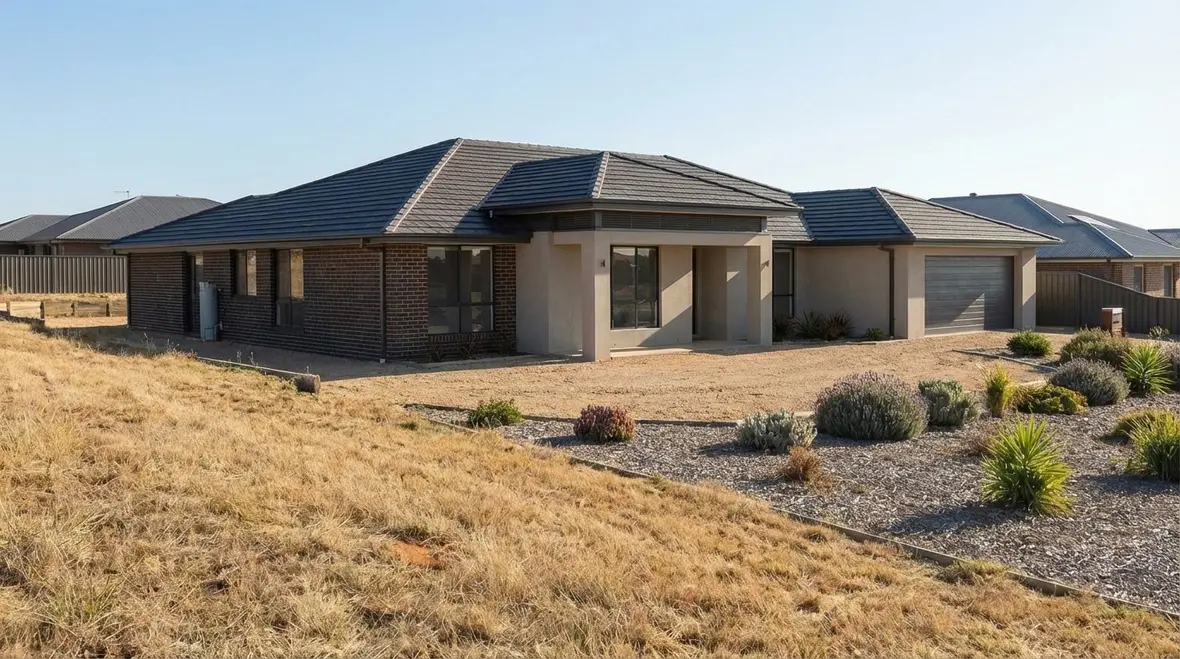
California’s relationship with wildfire is, unfortunately, long term. As a result, new regulations tighten requirements in Wildland Urban Interface zones. Buildings near open land must now use more fire resistant materials, especially for roofing, vents, and exterior walls.
Additionally, ember resistant vent designs are no longer optional in many areas. These vents block burning debris from entering attics, which often ignite first. Kord fire protection technicians often explain this change with a simple image. “Think of embers as uninvited guests,” they say. “The new vent standards finally lock the door.”
Moreover, defensible space inspections have become more detailed. Property owners must maintain clear zones around structures. It is not just about trimming bushes. It is about creating a buffer that slows down flame spread and gives firefighters a fighting chance.
For many properties in hillside or edge-of-city neighborhoods, that means treating vegetation management as a year-round responsibility, not a last-minute chore before inspection day. Codes like NFPA 1 offer the broader fire prevention framework that local officials often lean on when evaluating these high-risk areas.
2. Expanded Automatic Sprinkler Requirements
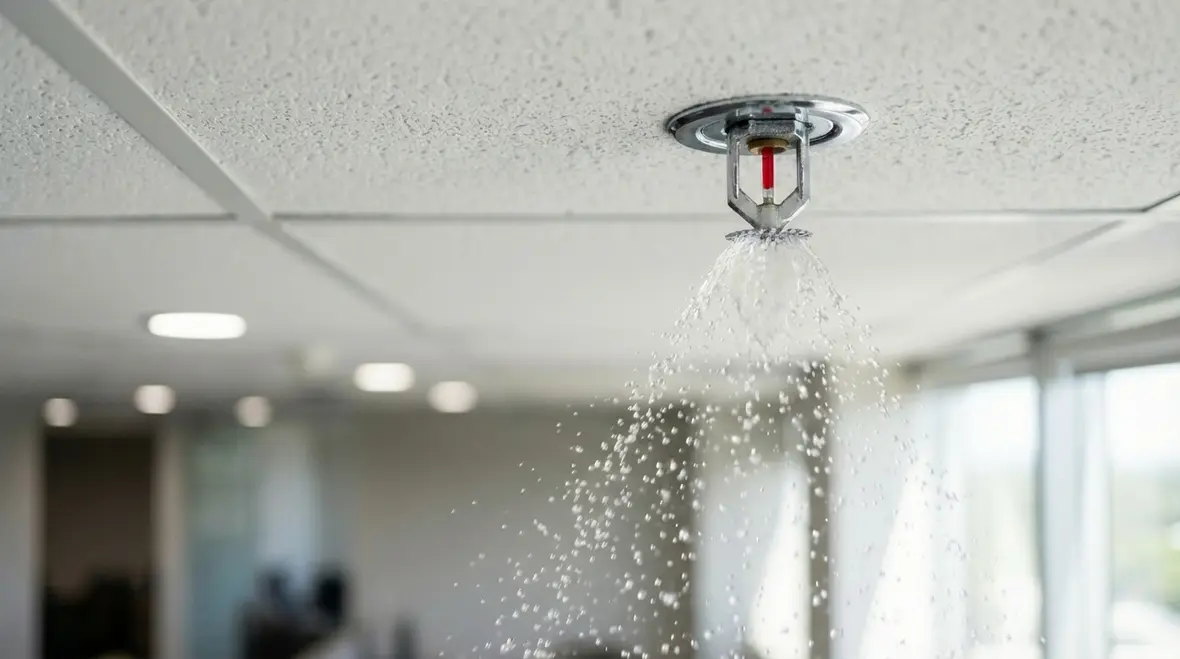
Sprinklers remain one of the most effective life saving systems in modern buildings. Consequently, the updated fire safety regulations expand where automatic sprinkler systems are required.
Small commercial occupancies that previously qualified for exceptions may now need full coverage. In addition, certain multi unit residential buildings must upgrade older partial systems to meet current flow and pressure standards.
Kord fire protection technicians often remind clients that sprinklers are not dramatic Hollywood deluge systems. They activate individually and only where heat triggers them. In other words, it is less action movie chaos and more precise response.
Furthermore, inspection and testing intervals are now more strictly enforced. Digital reporting systems allow authorities to track compliance more easily, which means missed inspections are harder to hide. Standards such as NFPA 25 and local requirements like Los Angeles commercial sprinkler rules shape how those inspections are performed and documented.
3. Fire Alarm System Monitoring Upgrades
Technology moves fast. Fire codes try to keep up. The latest updates require enhanced monitoring capabilities for many commercial fire alarm systems.
For example, newer systems must support improved communication pathways, including dual path monitoring. This ensures that if one communication line fails, another takes over. As a result, alarm signals reach emergency responders without delay.
Additionally, older panel systems in certain occupancies must be evaluated for compatibility with modern monitoring standards. Kord fire protection technicians frequently assess these systems and explain upgrade options in clear terms. They focus on reliability, not just compliance.
Many of these expectations line up with national guidance such as NFPA 72, which governs fire alarm design, installation, and testing. That means California property owners are not just chasing local preferences; they are aligning with widely recognized best practices.
After all, when an alarm activates at 2 a.m., it should not depend on outdated hardware that belongs in a museum next to dial up internet.
4. Lithium Ion Battery Storage Regulations
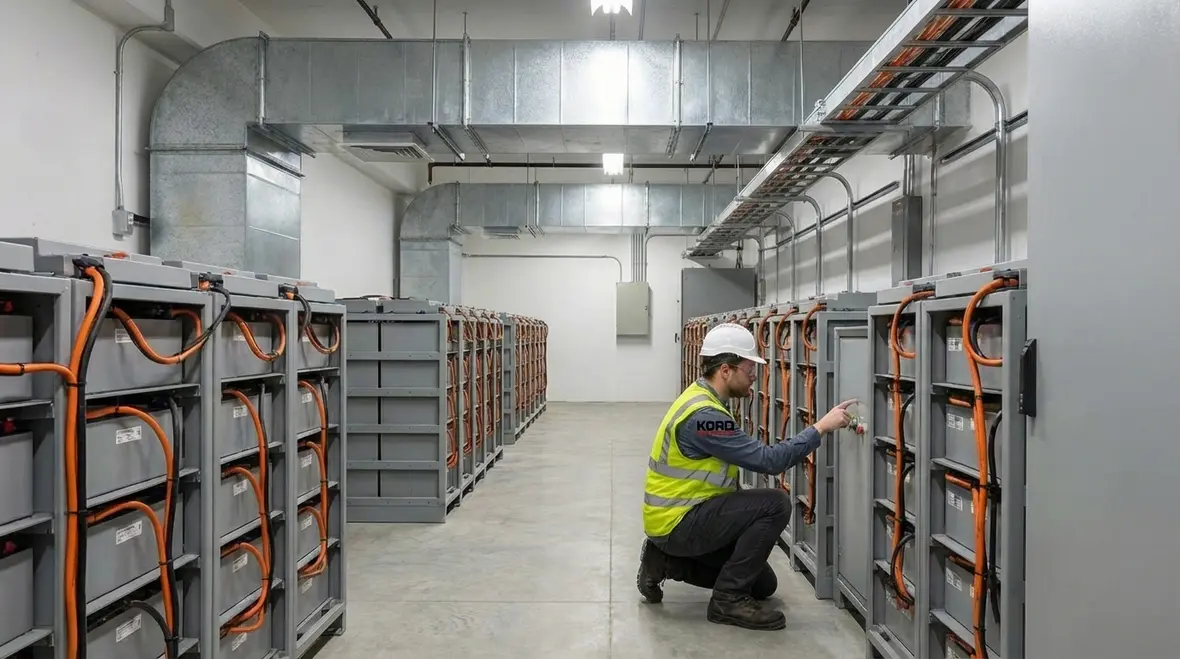
With the rise of electric vehicles and renewable energy storage, lithium ion batteries have become common in commercial and residential settings. However, they also present unique fire risks.
The new code updates introduce stricter guidelines for battery energy storage systems. These include:
- Clear separation distances between battery units
- Enhanced ventilation requirements
- Dedicated fire suppression systems in larger installations
- Thermal runaway mitigation planning
Because lithium ion fires behave differently from typical combustibles, the code now requires more detailed hazard analysis. Kord fire protection technicians often work closely with engineers to ensure installations meet both electrical and fire safety standards.
In some complex facilities, these battery rules intersect with broader standards such as NFPA 75 for IT environments and data centers, where protecting equipment from smoke, heat, and water damage is just as critical as controlling flames.
5. High Rise Building Inspection and Reporting Changes
High rise buildings operate like vertical cities. Therefore, the Fire Code Changes affecting them are thorough.
First, annual inspection documentation must now follow updated digital submission standards. Fire departments expect clear records of testing for alarms, sprinklers, standpipes, and smoke control systems.
Second, evacuation planning requirements have expanded. Building owners must provide updated occupant training and maintain clearer signage for areas of refuge.
Kord fire protection technicians often conduct walkthroughs in high rise properties, pointing out small issues before they become large violations. They stress that compliance is not about paperwork. It is about readiness.
These expectations align closely with the life safety focus of NFPA 1 Fire Code, which covers everything from fire protection systems to means of egress across high rise, commercial, and mixed use buildings.
When elevators shut down and stairwells fill, preparation becomes everything.
6. Commercial Kitchen Hood System Revisions
Restaurants fuel California’s culture. They also generate grease laden vapors that can ignite in seconds. Accordingly, kitchen hood and suppression system requirements have tightened.
Inspection frequency for high volume cooking operations has increased in certain jurisdictions. Moreover, updated cleaning documentation must clearly show compliance with national standards.
Fire suppression systems protecting cooking equipment must now meet refined nozzle placement and coverage criteria. Kord fire protection technicians regularly explain that grease does not care about good intentions. It only responds to proper maintenance.
For mixed use buildings with ground-floor restaurants and upper-level residential or office space, these kitchen rules interact with occupant load, egress, and sprinkler requirements, making coordinated inspections even more important.
7. Emergency Responder Radio Coverage
One of the more technical Fire Code Changes involves radio coverage inside large buildings. Emergency responders rely on clear radio signals. Unfortunately, modern construction materials can block them.
The updated code strengthens requirements for in building public safety radio enhancement systems. Structures of certain size and construction type must test signal strength and, if needed, install amplification systems.
Additionally, periodic re testing ensures systems continue to perform as designed. Kord fire protection technicians coordinate these tests and help property owners interpret the results.
Because when firefighters enter a smoke filled structure, “Can you hear me now?” is not a question anyone wants to ask.
8. Clearer Egress and Occupant Load Enforcement
How many people can safely occupy a space? The answer is no longer flexible. Updated enforcement guidance emphasizes strict adherence to calculated occupant loads.
Assembly spaces, event venues, and even certain retail environments must display accurate occupant load signage. Furthermore, inspectors are paying closer attention to blocked exits and storage in exit corridors.
Kord fire protection technicians often walk sites with managers, identifying common trouble spots. They point out that a stacked box in an exit path may seem harmless. Yet during an emergency, that box becomes an obstacle no one needs.
As simple as it sounds, clear paths save lives.
9. Water Supply and Hydrant Testing Updates
Reliable water supply forms the backbone of fire suppression. Therefore, recent code updates require more precise hydrant flow testing and documentation.
Developers must verify adequate water pressure for new construction projects before final approval. In addition, older sites undergoing renovation may need updated flow data to confirm system performance.
Kord fire protection technicians conduct these tests and provide detailed reports. They explain the numbers in practical terms, translating gallons per minute into real world capability.
For many jurisdictions, these procedures closely mirror the guidance in the NFPA 291 fire hydrant testing and marking guide, which spells out how hydrants should be tested, documented, and color coded so firefighters know exactly what they are working with.
Because when sprinklers activate, they need more than good intentions. They need water. Plenty of it.
10. What Do the Latest Fire Code Changes Mean for Property Owners?
In simple terms, they mean accountability. The updated fire prevention regulations increase documentation, clarify gray areas, and close loopholes.
Property owners must now take a more active role in compliance. Waiting for an inspection notice is no longer a strategy. Instead, proactive assessments and scheduled maintenance form the safer path.
Kord fire protection technicians frequently serve as guides through this process. They review systems, outline corrective steps, and prioritize improvements. Rather than overwhelm clients with code citations, they focus on solutions.
And perhaps most importantly, they remind everyone that fire codes are written in response to real events. Behind every update lies a lesson learned the hard way.
Quick Reference Table of Key Updates
| Area of Update | What Changed |
| Wildland Urban Interface | Stricter ember resistant vents and defensible space rules |
| Automatic Sprinklers | Expanded installation requirements and tighter inspection tracking |
| Alarm Monitoring | Dual path communication and system upgrade evaluations |
| Battery Storage | Added suppression, ventilation, and hazard analysis standards |
| High Rise Buildings | Enhanced reporting and evacuation planning |
| Commercial Kitchens | Increased inspection frequency and refined nozzle placement |
| Radio Coverage | Mandatory signal strength testing and amplification systems |
| Egress Enforcement | Stricter occupant load signage and exit path monitoring |
| Water Supply Testing | Updated hydrant flow verification and documentation |
Frequently Asked Questions
Stay Ahead of California Fire Safety Requirements
California’s fire safety landscape continues to evolve. Each update strengthens protection for lives and property. However, understanding those changes requires experience and clarity. Kord Fire Protection technicians stand ready to explain requirements, inspect systems, and guide property owners toward full compliance. Do not wait for a notice of violation. Take action now, schedule a professional assessment, and ensure every alarm, sprinkler, and exit performs exactly as it should when it matters most.
If your property relies on hydrants, sprinklers, or complex alarm monitoring, reviewing targeted resources like the NFPA 291 hydrant testing guide or sprinkler clearance requirements for Los Angeles can give you a concrete checklist to start from before your next inspection.
Ready to align your building with the 2026 California Fire Code Changes? Connect with a licensed fire protection team that understands both statewide regulations and local enforcement. From alarm upgrades and sprinkler inspections to hydrant flow testing and extinguisher placement, comprehensive service keeps your documentation clean and your systems ready.
For properties with extensive suppression or alarm equipment, pairing that review with a deeper dive into standards such as NFPA 25 and NFPA 72 can help you build a long-term testing and maintenance plan that keeps you ahead of future code cycles, not scrambling to catch up.
Know Your Weapon Before You Fight the Flame
Kord Fire Protection is your go-to when it comes to all things fire protection. For over 20 years, we’ve been serving Southern California with the quality service and equipment to keep your home or business safe at all times. Our competitive prices reflect our unwavering commitment to protecting what matters most in the event of a fire emergency. Give us a call, send an email, or use that form!

Join Our Newsletter!
Get the latest fire safety tips delivered straight to your inbox From our Newsletter.