Modern Standpipe System Pressure Monitoring Techniques
Modern standpipe system pressure monitoring techniques start with a simple goal: keep pressure stable, then prove the system stays ready. Kord Fire Protection technicians often begin by verifying what the building is asking for at any moment, not just what the gauge said last year. In other words, they watch pressure where it matters, log it over time, and connect the data to integrity checks. Next, they confirm that alarms, valves, and control logic respond within expected windows. And yes, they do it with the calm focus of a professional, not the chaos of a pop quiz. Because when water has to show up, it cannot improvise like a sitcom plot twist.
1) Real time pressure visibility for standpipes
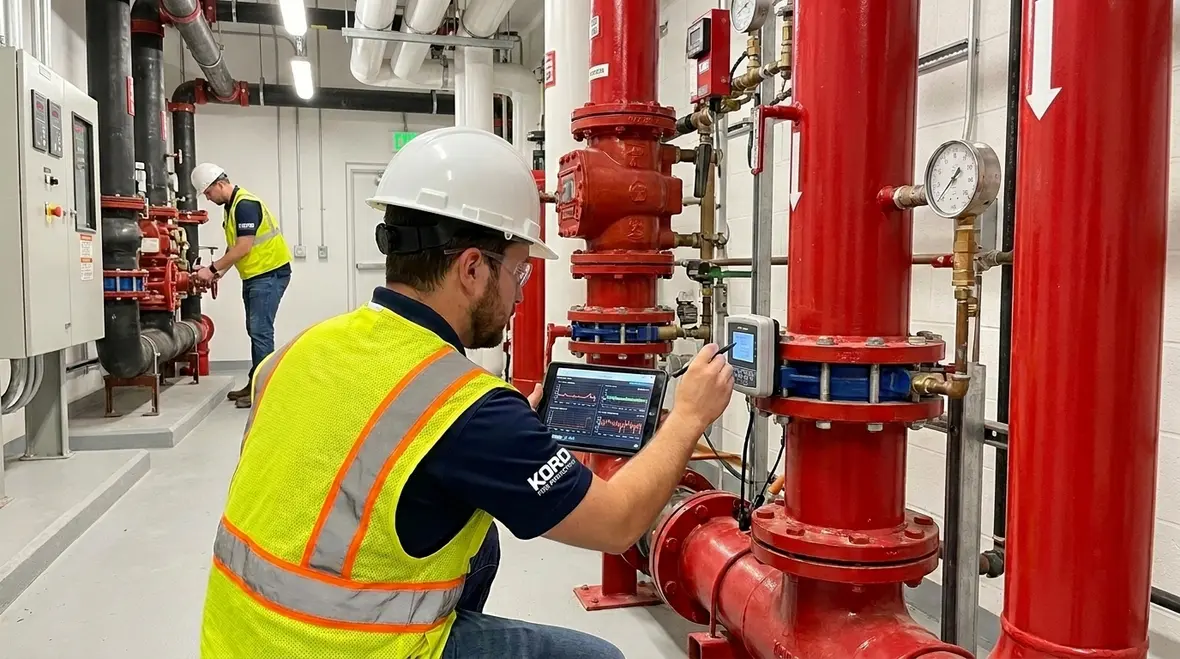
Kord Fire Protection technicians explain that the first advanced step is to gain real time visibility. Traditional static readings tell a story that is already finished. Advanced monitoring techniques capture the whole narrative: rise, drop, and recovery during typical conditions and during demand.
To do that, technicians install pressure sensors at key points and configure them for continuous logging. Then they compare readings across zones, rather than trusting one device as the “main character.” Also, they set alert thresholds that account for normal variation, so the system warns staff early without crying wolf all day.
When data shows a slow drift, technicians treat it like a quiet warning light. For example, a gradual pressure trend downward can suggest a leak, a partially closed valve, or a control issue that only shows up over time. Meanwhile, sudden spikes can signal water hammer, valve movement, or a brief flow event that might still affect integrity.
Why real time data changes the whole maintenance conversation
A single annual snapshot can miss the tiny clues that become expensive headaches later. Real time monitoring fills in the blanks between inspections, showing whether pressure dips at the same hour, after the same operation, or during the same building routine. That matters because repeatable patterns are easier to troubleshoot than random surprises. It also gives technicians something far more useful than hunches: evidence. The result is a standpipe program that feels less reactive and more deliberate, which is exactly how life safety systems should behave.
2) How technicians validate system integrity beyond the gauge
Pressure is important, but Kord Fire Protection technicians stress that integrity requires proof, not hope. After all, a system can show decent pressure and still have hidden weaknesses like damaged components, trapped air, or poor water delivery paths.
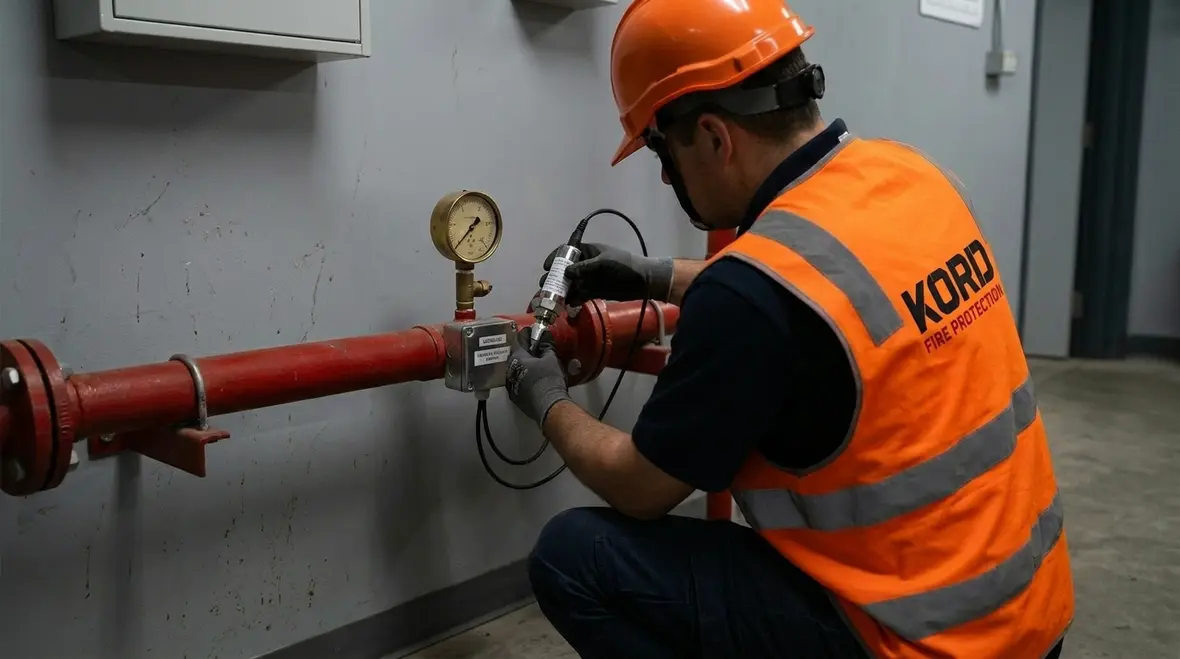
To strengthen integrity validation, technicians combine monitoring data with targeted checks. They review sensor history alongside inspection records, then plan follow up tests where trends point to concern. They also verify that sensors remain calibrated, since inaccurate readings can turn a careful plan into a guessing game. And because “close enough” is a phrase that belongs to coffee recipes, not fire protection, they treat calibration as a must.
They may also inspect critical flow paths, confirm valve position indicators match actual states, and verify that alarms confirm correct function. In practice, the monitoring system becomes the guide that tells them where to look next, rather than making them chase every possibility.
This is where good monitoring supports good judgment. The numbers alone do not fix anything, but they help technicians decide whether the concern is isolated, repeated, or spreading. A healthy integrity review connects sensor behavior, physical inspection, and system response into one clear picture. That keeps the team from being fooled by a pretty gauge reading that hides an ugly mechanical reality.
3) Advanced sensing strategies for changing building loads
Different buildings behave differently. Therefore, Kord Fire Protection technicians adapt monitoring strategies to local demand patterns, pump control logic, and occupancy schedules. For example, a hospital has different rhythms than a warehouse, and the standpipe system will reflect that.
One approach uses multiple sensors along the vertical height of the building. By comparing pressure readings at different elevations, technicians detect losses that a single location can hide. Additionally, they track how the system responds to minor daily events, since small shifts can reveal larger issues when demand rises.
Another strategy focuses on event based recording. Instead of logging only average pressure, technicians capture the timing of pressure changes during demand signals. Then they review whether the response stays within expected ranges and whether it stays consistent across test cycles.
As a side benefit, this method helps building teams plan operations. They learn when the system experiences stress and can coordinate maintenance without disrupting the entire schedule like it is a league wide draft.
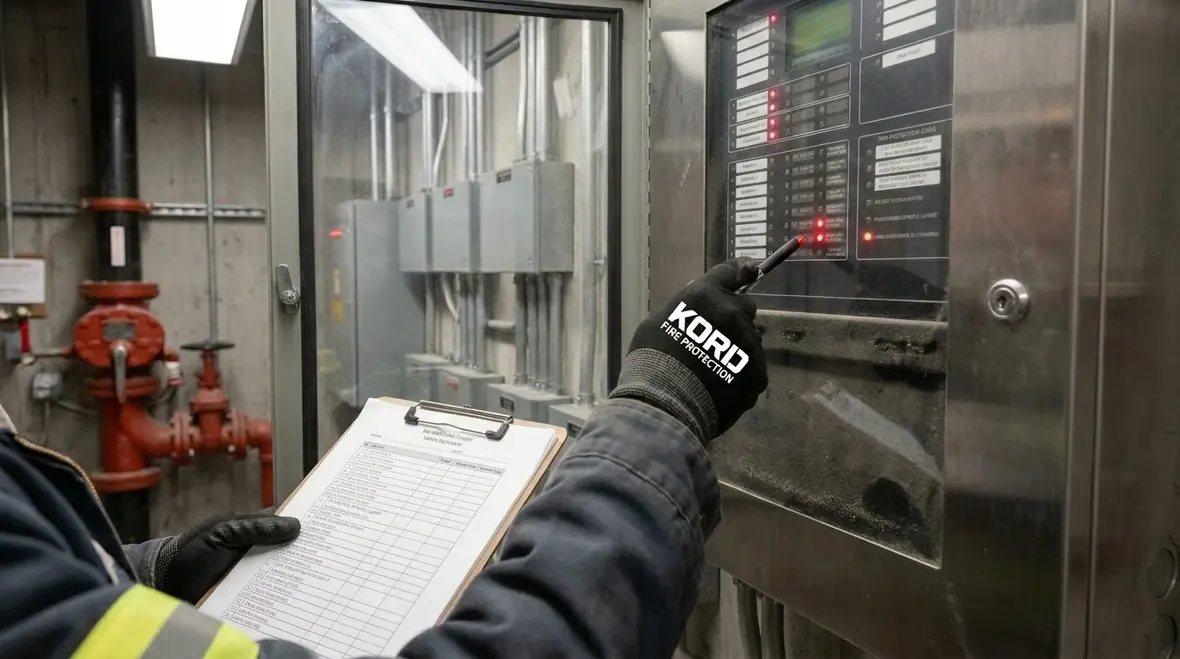
Matching the sensing plan to the building instead of forcing a template
A smart monitoring layout respects how the building actually lives and breathes. High rise structures, campuses, industrial sites, and healthcare properties all create different load signatures. By placing sensors where elevation shifts, valve groups, or operational patterns matter most, technicians can separate routine movement from a true warning sign. It is a bit like knowing the difference between normal traffic and a real road closure. Both slow you down, but only one means something is broken.
4) Data logging, alert logic, and trend based maintenance
Once the sensors collect data, the next challenge is turning it into actions. Kord Fire Protection technicians explain that advanced standpipe system pressure monitoring techniques do not end at installation. They include structured logging, smart alerting, and maintenance planning based on trends.
Technicians store data in an organized format that supports review and reporting. Then they establish alert rules that reflect system design, not just a generic limit. For example, they may trigger alerts based on rate of change, not only absolute pressure. That helps them catch issues sooner, such as a valve that begins to stick and then moves slowly under certain conditions.
Trend based maintenance means technicians look for patterns over weeks and months. They track recurring drops after specific building activities, monitor seasonal shifts, and compare readings against baseline performance. If the system starts drifting, they schedule targeted service before the next big inspection cycle arrives.
And yes, this approach reduces surprises. It is the opposite of opening a closet and realizing the shoes smell like mystery. Instead, the building gets early notice, and the team acts with a plan.
That plan becomes even stronger when maintenance teams compare present data to a real baseline rather than vague memory. “It seems lower than before” is not nearly as helpful as “pressure has trended down six weeks in a row after the same operational cycle.” Trend based maintenance gives everyone shared facts, better timing, and fewer emergency calls that begin with someone saying, “Well, this got weird.”
5) Remote verification and integration with fire alarm systems
Advanced monitoring becomes more useful when it connects to how the building already manages life safety. Kord Fire Protection technicians often integrate monitoring outputs with fire alarm and control systems, where permitted and appropriate. This helps staff confirm status quickly during emergencies and reduces the time spent searching through panels. For teams evaluating how fire alarm performance supports broader readiness, Kord Fire Protection also covers related reliability concerns in Fire Alarm System Reliability and Battery Health.
Remote verification also supports faster troubleshooting. When a pressure drop occurs, technicians can review the exact time window, see which sensors changed first, and narrow the likely cause. This shortens the path from “something feels off” to “here is the confirmed issue.”
Additionally, remote access supports scheduled review. Instead of waiting for someone to ask, the team can review trends and prepare reports. This creates continuity between inspections, maintenance, and any corrective actions.
Technicians still follow required compliance steps, of course. Integration cannot replace required testing and inspection, but it can strengthen it by offering clearer evidence between formal events.
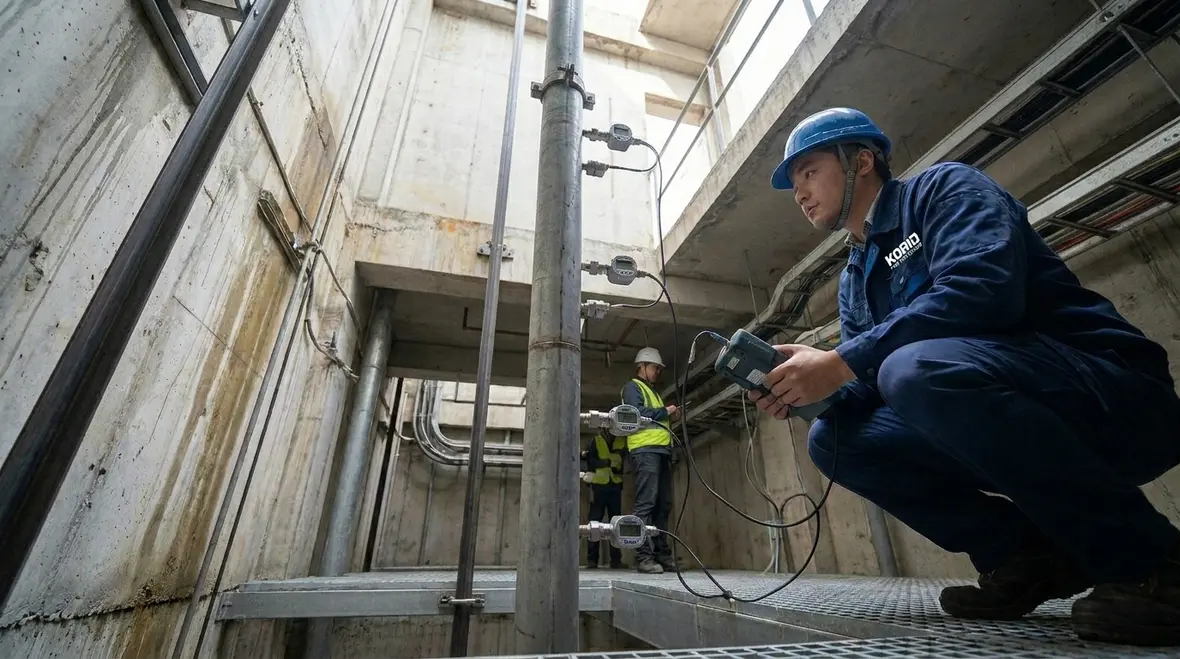
Why integration speeds up response without replacing the field work
Connected systems are useful because they shorten the time between noticing a problem and understanding it. If a pressure event appears on a monitored platform and related alarm status can be reviewed at the same time, technicians start with context instead of confusion. That does not eliminate boots on the ground, but it makes the visit smarter. In plain terms, the system stops acting like a mystery novel and starts behaving like a proper report.
6) Troubleshooting pressure anomalies with staged analysis
When a standpipe system shows abnormal readings, technicians use a staged analysis process. They start by confirming the measurement quality. Then they verify the event timeline. Only after that do they test components and confirm physical conditions.
First, they check whether sensor behavior looks credible. If one sensor shows a reading that conflicts with nearby devices, the issue might be the sensor or mounting. Next, they look at the timing of the pressure change relative to known building events such as pump starts, valve operations, or water demand signals.
After that, they narrow to likely causes. A consistent low pressure across multiple sensors can point to a supply limitation or pump control behavior. A localized drop at one elevation can indicate a blockage, damaged piping segment, or a valve problem in that area. Meanwhile, rapid pressure swings can suggest water hammer effects or quick valve movement that needs adjustment.
Kord Fire Protection technicians also check for recurring patterns. If the anomaly repeats after the same operational step, they focus on that step first. This saves time and helps the team avoid random guesswork that wastes both budget and goodwill.
7) Dual column best practices and what technicians check first
Below is a simple field style checklist Kord Fire Protection technicians often use to guide review. It supports fast decisions, especially when a building team needs clear priorities.
Monitoring focus
- Sensor placement at key elevations
- Baseline pressure history
- Event based data capture
- Alert thresholds based on design
- Calibration and health checks
Integrity focus
- Valve position verification
- Leak and flow path inspection
- Pump control and status confirmation
- Alarm confirmation and response timing
- Test results matched to data trends
FAQ
Conclusion
Standpipe system reliability depends on more than occasional readings. Kord Fire Protection technicians use advanced monitoring, smart alert logic, and integrity checks to keep pressure stable and issues visible before they become emergencies. If your team wants fewer surprises, faster troubleshooting, and better documentation, it is time to review your current setup. Contact Kord Fire Protection to assess your pressure monitoring coverage and integrity verification approach, and to build a plan that fits your building like it was made for it.
If you are reviewing broader life safety support as part of that plan, Kord Fire Protection’s full fire protection services page is a practical place to see how standpipe support connects with inspection, testing, fire alarm, and pump related service.
Need standpipe support?
Schedule a review with Kord Fire Protection and tighten up monitoring, verification, and response before the next anomaly tries to steal the show.

Join Our Newsletter!
Get the latest fire safety tips delivered straight to your inbox From our Newsletter.