Thermal Protection for Fire Pump Drive Motors
Thermal Protection for Fire Pump Drive Motors: The System That Keeps Fire Pumps Ready
Fire pump systems do not get to “take a break.” That is why fire pump motor thermal protection matters so much. When heat builds inside a drive motor, the protection scheme watches temperatures, reacts fast, and helps prevent damage that could turn a lifesaving pump into a very expensive statue. Kord Fire Protection technicians explain this in plain terms: the motor is like a race car. If the driver ignores the dashboard, the engine pays the price.
So, this article explains how thermal protection works, what devices typically do the job, and how to choose, test, and maintain the right setup. Along the way, it also points out common mistakes that show up during inspections, because yes, humans still occasionally treat safety like optional DLC.
Why Fire Pump Motors Need Thermal Protection in Real Life
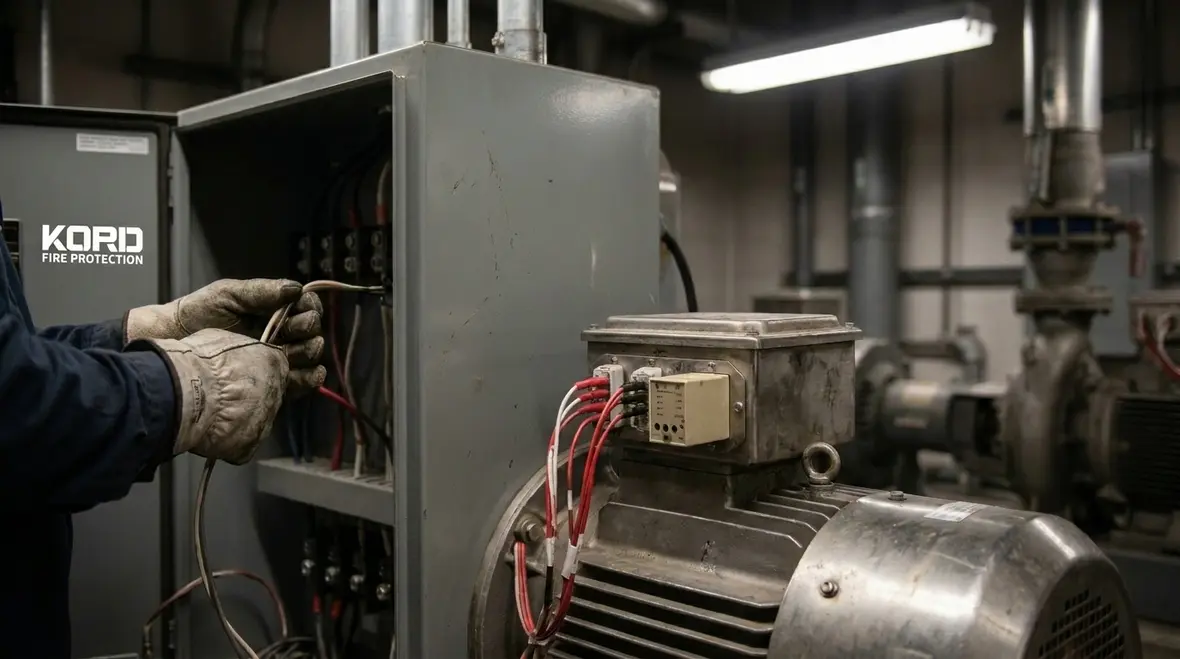
Fire pump drive motors face harsh conditions. They may run under heavy load for long periods, then sit idle, then restart when alarms sound and smoke fills the building. Fire pump motor thermal protection guards against the normal heat rise that happens during operation and against unexpected heat spikes caused by faults.
First, heat can accumulate from electrical stress, mechanical binding, or cooling airflow problems. Then, those heat sources can raise winding temperatures. If the insulation gets too hot, it can break down and fail. Additionally, heat can warp components and reduce efficiency, which means the motor may not deliver the flow a fire scenario demands.
To Kord Fire Protection technicians, the goal is simple: keep the motor within safe limits during both testing and real duty. That is also why routine inspections matter so much. If you want a broader look at ongoing pump checks, Kord Fire’s routine fire pump inspections guide adds useful context on why small issues should never get promoted into big emergencies.
Heat is often the symptom, not the whole story
A motor rarely overheats for no reason. Sometimes the cause is electrical. Sometimes it is mechanical. Sometimes it is a ventilation issue hiding in plain sight. Thermal protection does not just react to the number on a sensor; it gives technicians a clue that something upstream deserves attention before reliability starts sliding downhill.
How Thermal Monitoring Detects Heat Before It Becomes Damage
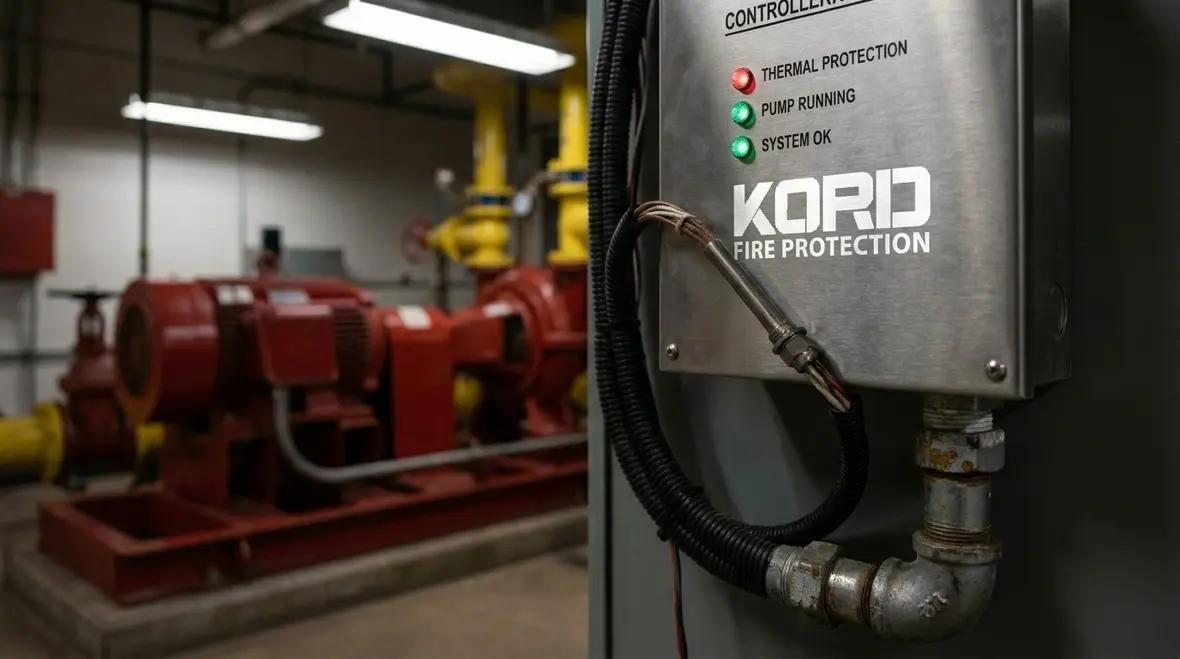
Thermal protection usually relies on sensors that measure temperature directly or infer heat from electrical conditions. These sensors send signals to a controller, relay, or protective circuit. As a result, the system can take action early instead of after the motor is already harmed.
Common sensing approaches include:
- Thermistors placed in the motor windings to detect real temperature rise
- RTDs that provide accurate temperature data for control and alarm functions
- Motor overload contacts that trip when current and thermal limits exceed design
- Temperature switches that change state at setpoints for trip or warning
Even so, not every installation uses the same strategy. Therefore, technicians verify what sensors exist in the motor and how the fire pump controller interprets them. In business terms, the thermal protection is only as good as the wiring, settings, and response path. If the alarm goes nowhere, it is like shouting in a hallway and expecting the building to call you back.
Monitoring only works when the signal path is complete
A perfectly good sensor can still fail the system if the controller is misconfigured, if a terminal is loose, or if the response logic is wrong. That is why technicians trace the whole chain from sensor to controller to alarm or trip action. The protection setup needs to be readable, dependable, and boring in the best possible way.
What Happens When Temperature Reaches the Trip Point
When heat reaches a defined limit, the protection scheme triggers a response. Typically, it may generate an alarm, initiate a controlled shutdown, or trip the motor off the line. The exact response depends on the design and the control logic used for the fire pump.
In many setups, the controller uses thermal inputs to:
- Issue a warning at a lower threshold so staff can investigate
- Trigger a shutdown at a higher threshold to protect insulation and bearings
- Lock out or prevent repeated starts if a persistent fault causes heat buildup
Next, good practice includes timing and sequence checks. For instance, a motor should not cycle rapidly due to a marginal sensor or a loose connection, because repeated starting under fault conditions creates more heat. Kord Fire Protection technicians often stress that the system needs to fail safely, not just “do something.”
False trips are annoying, but missed trips are expensive
If a trip point is too low, the pump may shut down when it should still be available. If it is too high, the motor can cook itself while everyone assumes the protection will save the day. Getting the threshold right is where selection, testing, and documentation all start acting like teammates instead of strangers in the same room.
Choosing the Right Protection Devices and Settings
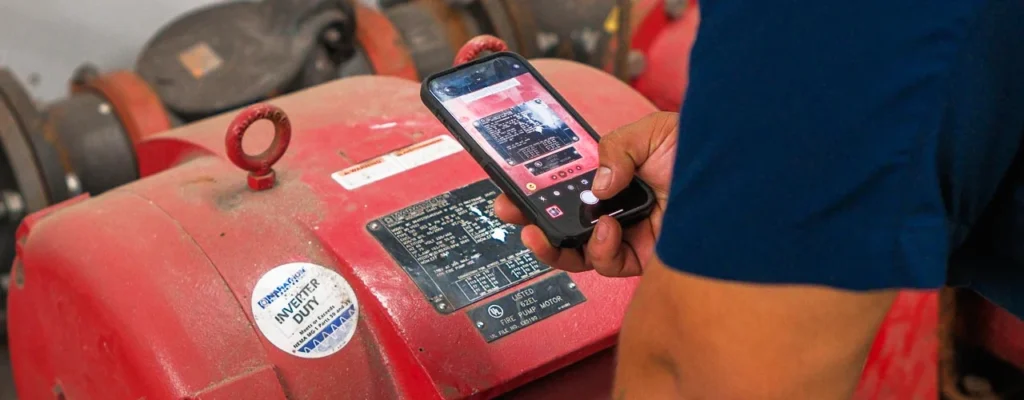
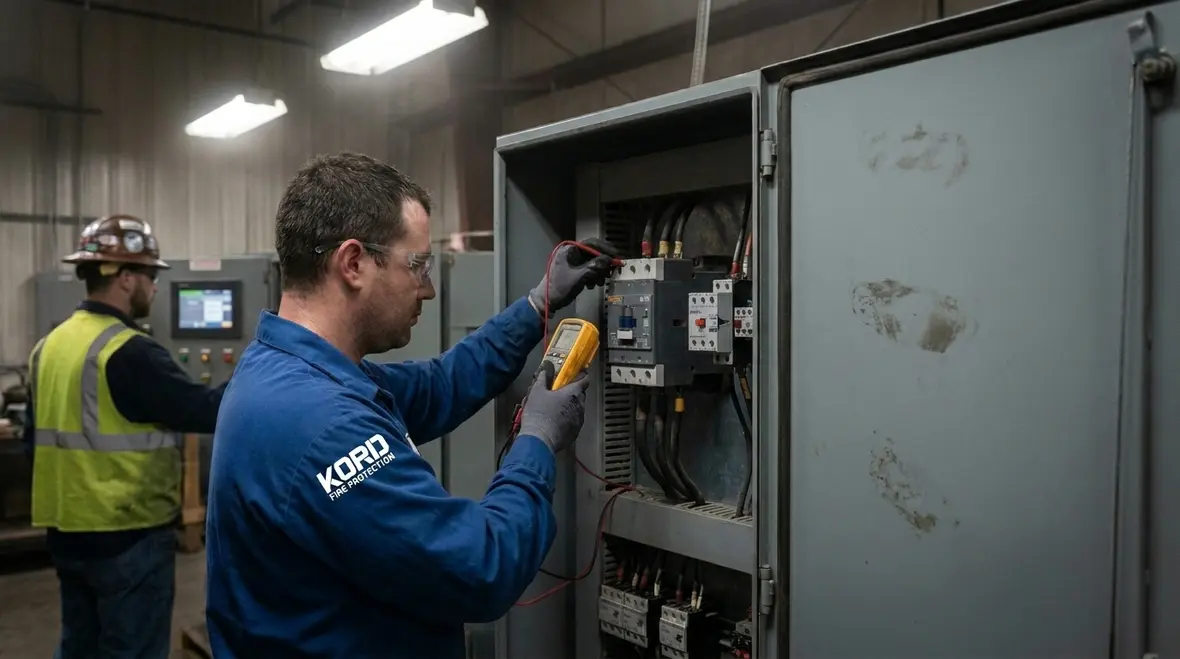
Selecting thermal protection means matching the motor design, controller inputs, and operating duty. First, the technician checks the motor nameplate and insulation class to understand allowable temperature rise. Then, they confirm the sensor type and rated trip temperature range.
After that, they verify the controller settings and alarm logic. This includes checking:
- Whether the motor uses a thermal switch, thermistor, or RTD and how the controller reads it
- Whether the wiring matches the polarity and input type the controller expects
- Whether the trip and reset behavior matches the pump control scheme
- Whether the sensor location suits the motor design and load conditions
Now here is the part that saves real money. If a system uses the wrong sensor model or incorrect setpoints, the motor can either run too hot or trip too early. Either way, the owner pays in downtime, service calls, or both. Kord Fire Protection technicians explain that correct selection works like a good thermostat: it prevents drama before it becomes a full season finale.
For teams that want a deeper view of performance checks and compliance-focused evaluation, Kord Fire’s fire pump testing and certification process is a useful companion read. It helps connect thermal protection decisions with the larger testing picture, which is exactly where a lot of hidden issues finally show themselves.
Testing and Maintenance That Keeps Thermal Protection Honest
Thermal protection must stay trustworthy over time. Heat, vibration, and moisture can loosen connections or shift sensor behavior. Therefore, routine testing and inspection matter as much as the initial install.
A solid maintenance approach usually includes:
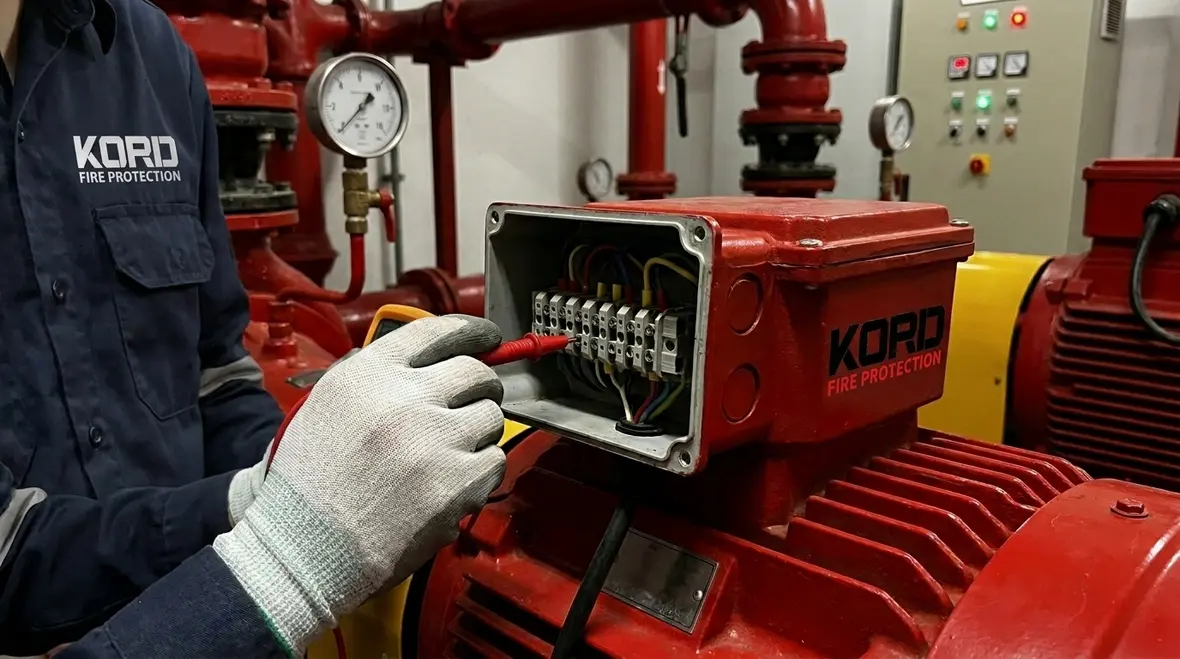
- Visual inspection of sensor wiring, terminals, and protective conduit
- Verification of controller input status during pump operation
- Functional checks that confirm alarm and trip actions occur at the right thresholds
- Recordkeeping for each test so trends show up before failures
In addition, technicians often inspect for mechanical issues that cause temperature rise, such as misalignment or bearing wear. If the motor overheats because the pump is binding, thermal protection will trip, but it cannot fix the root cause. It is like putting a smoke alarm in a kitchen fire and blaming the alarm for the burned pancakes.
This is where documented schedules become your best friend. Kord Fire’s fire pump testing requirements guide reinforces why regular checks are not just paperwork theater. Weekly, monthly, and annual testing all support the same goal: knowing the pump is ready before reality decides to ask.
Documentation is part of the protection strategy
A thermal event with no records is just a mystery wearing work boots. Trend data, controller logs, and test reports help technicians see whether temperatures are creeping up over time or whether a change happened suddenly after maintenance, wiring work, or equipment replacement.
Common Installation and Wiring Mistakes That Cause Overheating Issues
Even when the right devices exist, installation details can undermine performance. Technicians often find repeat offenders during inspections and troubleshooting calls.
Some frequent problems include:
- Loose terminal connections that create resistance and extra heat
- Incorrect sensor type wiring into the controller input
- Using improper reset logic that causes repeated starts during the same fault
- Damaged insulation on sensor leads from abrasion or poor routing
- Bypassed safety contacts during commissioning and never returned to the proper state
Then there are the “it worked yesterday” issues, like a sensor that slowly drifts out of calibration. That is why periodic checks matter, especially after pump replacements, panel upgrades, or cable work. Kord Fire Protection technicians point out that safety systems should not depend on memory. They should depend on documented test results.
Commissioning shortcuts have a long afterlife
Temporary bypasses and quick-fix wiring choices have a weird talent for becoming permanent if nobody closes the loop. That is why post-work verification matters. If a protection circuit was touched, it should be retested. If a panel was upgraded, it should be rechecked. If someone says, “It should be fine,” that is usually a cue to test it anyway.
FAQ: Quick Answers About Fire Pump Motor Thermal Protection
Call Kord for Thermal Protection Guidance and Verification
Thermal protection is not a box to tick. It is a working safeguard that must match the motor, the controller, and the real duty conditions. Kord Fire Protection technicians help owners verify sensors, confirm wiring and settings, and test alarm and trip behavior so the system performs when it matters most.
If you want confidence instead of guesswork, explore Kord Fire’s fire pump services for inspection, testing, maintenance, and repair support. It is a practical next step when you want your thermal protection setup verified by people who already spend their days making sure pumps are ready when the pressure is on.

Join Our Newsletter!
Get the latest fire safety tips delivered straight to your inbox From our Newsletter.