
Top Ten Questions Fire Marshals Ask During Inspections
When the inspector’s boots hit the lobby floor and the clipboard comes out, the room gets quiet. Business owners suddenly remember every extension cord they ever plugged in. The truth is, most inspections revolve around a familiar set of Questions Fire Marshals ask every single day. These are not trick questions. They are practical, direct, and designed to keep people safe. However, without preparation, even the calmest manager can feel like they are on a game show called “Guess That Code Violation.”
This guide walks through the top 10 inquiries that come up during inspections. Along the way, Kord Fire Protection technicians share how they explain these topics to clients in clear, steady terms. Because when preparation meets knowledge, inspections stop feeling like courtroom drama and start feeling like routine maintenance.
1. Show Me Your Fire Protection Systems
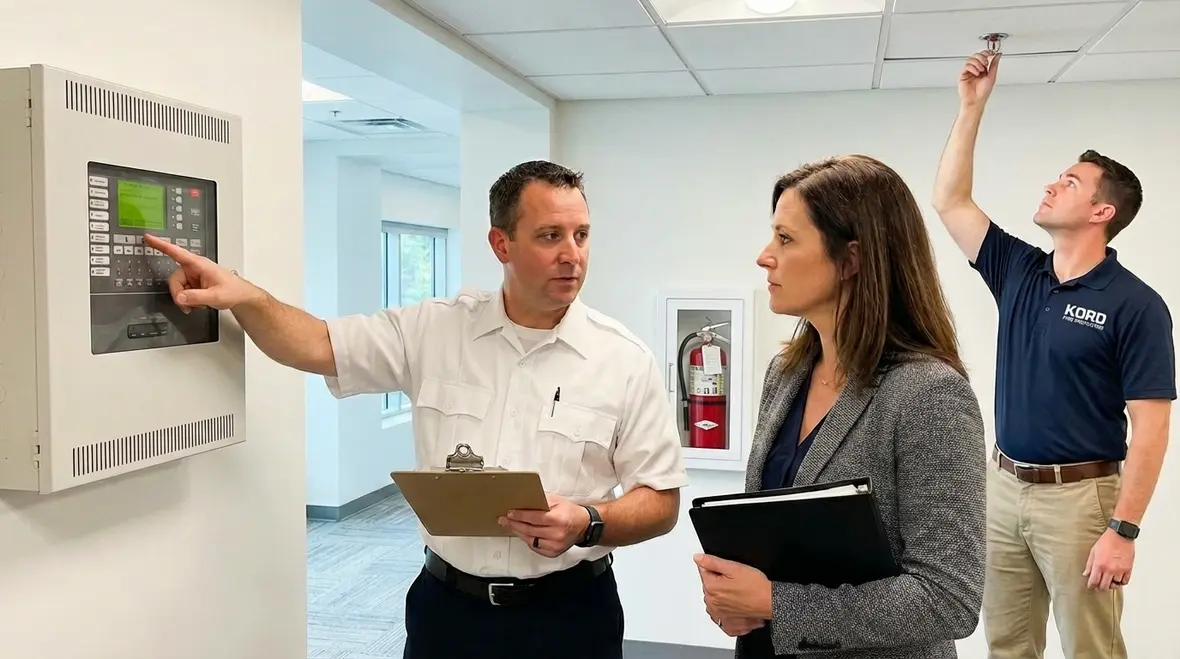
First and foremost, inspectors want to know what stands between a small spark and a five alarm headline. Therefore, one of the first Questions Fire Marshals raise is about installed systems.
They typically ask:
- Is there a fire alarm system installed and functioning?
- Is the sprinkler system up to date?
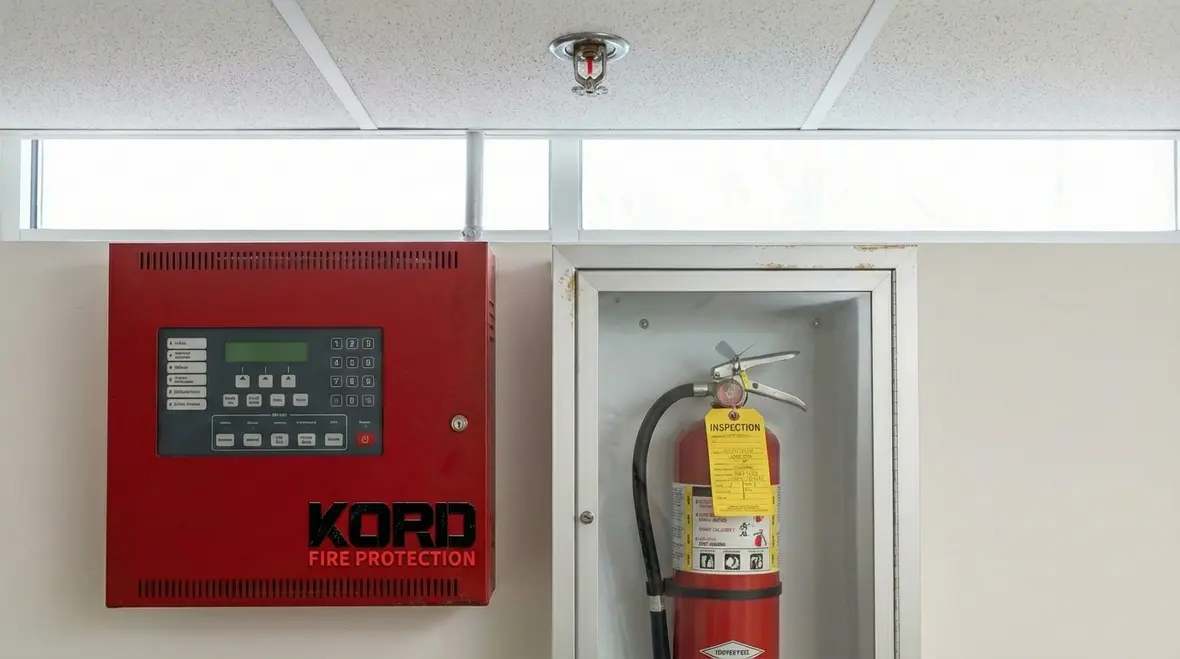
- Are extinguishers properly mounted and charged?
Kord Fire Protection technicians often explain it this way. A fire protection system is like a team. The alarm detects. The sprinklers control. The extinguishers handle small threats. If one player fails, the team struggles.
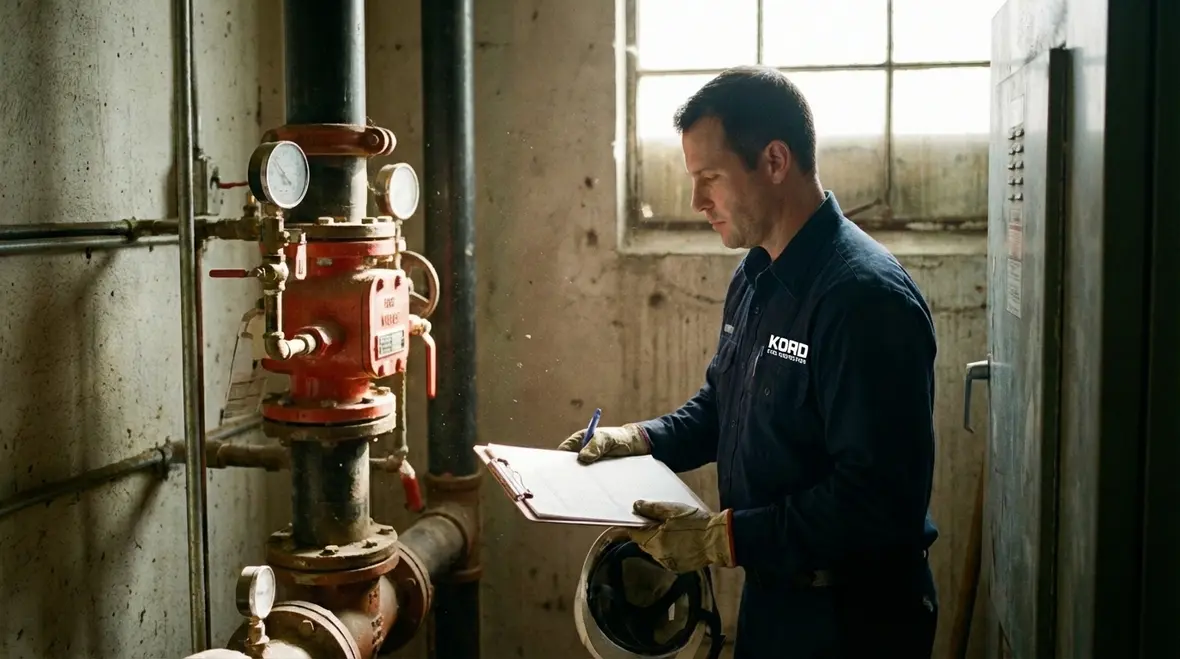
Moreover, inspectors check inspection tags and monitoring records. They want proof of routine service, not just a hopeful nod. Consequently, keeping documentation organized can turn a tense moment into a confident one. Resources like Kord Fire’s wet sprinkler system inspection overview help many managers understand what “organized and compliant” looks like in real life before the fire marshal even walks in.
2. Are You Keeping Up With Inspections and Maintenance?
Next, the focus shifts from equipment to upkeep. Systems do not stay reliable on charm alone. They require testing, inspection, and sometimes repair.
Fire marshals frequently request:
- Annual sprinkler inspection reports
- Fire alarm testing records
- Extinguisher service documentation
In addition, they verify that licensed professionals completed the work. Kord Fire Protection technicians remind clients that a dusty control panel tells a story. And it is rarely a good one.
Routine maintenance shows intent. It proves that safety is not an afterthought. As a result, businesses that schedule regular service often breeze through this part of the inspection. Pairing that routine with services like Kord Fire’s fire alarm inspection and testing for commercial buildings and monthly extinguisher inspections and annual service makes it much easier to hand over records without breaking a sweat.
3. How Clear Are Your Exit Routes?
Imagine a crowded theater. Now imagine someone yelling “Fire.” People do not move politely in single file. They move fast. Therefore, clear exit paths matter more than décor.
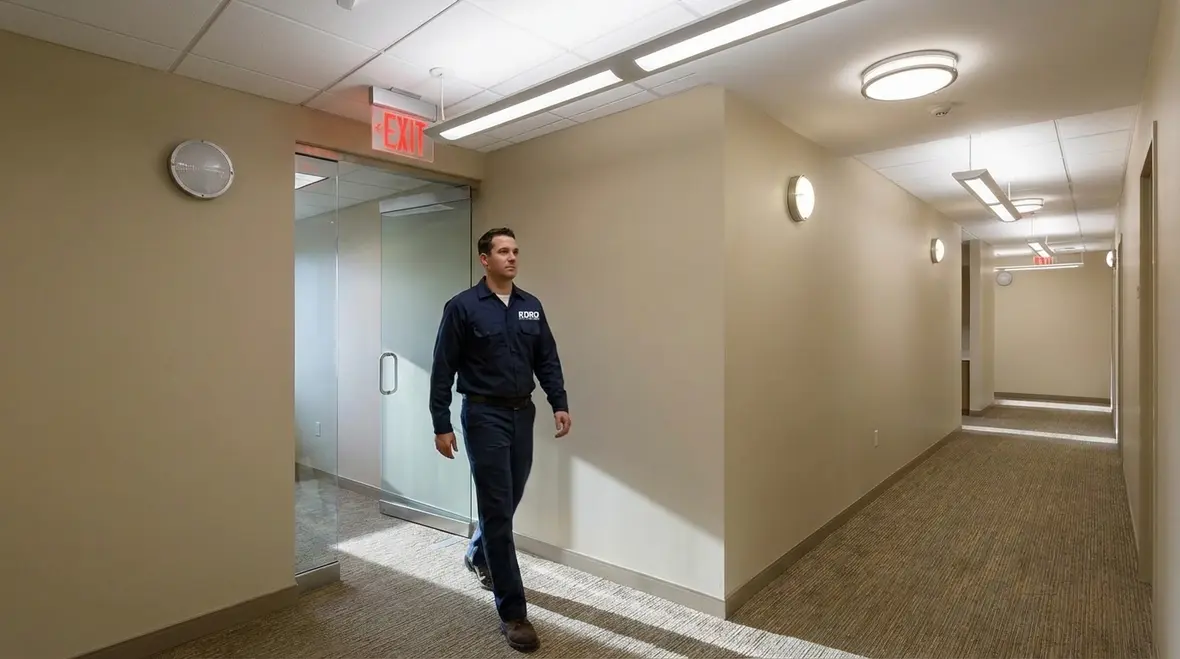
Among the common fire marshal inquiries, blocked exits rank near the top. Inspectors look for:
- Unobstructed doorways
- Properly illuminated exit signs
- Functional emergency lighting
However, the problem is often simple. A stack of boxes. A display rack moved two feet too far. A locked rear door that “no one uses anyway.”
Kord Fire Protection technicians often tell clients that exits are like seatbelts. You hope you never need them. Yet when you do, you really do.
4. What Is Stored Where It Should Not Be?
Storage habits say a lot about a facility. Unfortunately, they also reveal risk. Fire marshals examine mechanical rooms, electrical panels, and storage closets with careful eyes.
They typically check for:
- Items stored too close to electrical equipment
- Flammable liquids kept improperly
- Combustibles stacked near heat sources
Additionally, clearance around sprinkler heads matters. Stacking inventory too high can block water distribution. That defeats the purpose of having sprinklers at all.
Kord Fire Protection technicians explain that proper storage is not about neatness. It is about physics. Heat rises. Flames spread. Giving them space makes their job easier. And that is not a favor anyone wants to grant.
5. Top 10 Questions Fire Marshals Ask About Electrical Safety
Electricity behaves beautifully when respected. However, when ignored, it turns into a headline.
Inspectors often ask:
- Are extension cords used as permanent wiring?
- Are breaker panels accessible?
- Are there signs of overloaded circuits?
Furthermore, they look for missing panel covers and tangled wiring that resembles a bowl of spaghetti. And no one wants their electrical room compared to a late night snack.
Kord Fire Protection technicians frequently educate clients on simple fixes. Install more outlets instead of relying on extension cords. Maintain three feet of clearance around panels. Replace damaged cords immediately. These small actions reduce major risks.
6. Have Your Employees Been Trained?
Even the best equipment fails if people do not know how to respond. Therefore, training becomes another focal point in inspections.
Fire marshals may ask:
- Do employees know how to use extinguishers?
- Is there a documented evacuation plan?
- Are fire drills conducted regularly?
In many cases, Kord Fire Protection technicians assist with on site training. They break down extinguisher use into a simple method. Pull. Aim. Squeeze. Sweep. It sounds like choreography for a very serious dance.
As a result, staff members gain confidence. And confident employees act faster and smarter during emergencies.
7. What About Special Hazards in This Building?
Not all buildings carry the same risk. A restaurant kitchen differs from a warehouse. A data center differs from a retail shop.
Consequently, fire marshals tailor their questions to the environment. They may examine:
- Commercial kitchen hood suppression systems
- Server room clean agent systems
- Hazardous material storage areas
Kord Fire Protection technicians often conduct hazard assessments to identify gaps before inspectors arrive. By doing so, they align systems with the building’s unique profile. Because treating every property the same is like prescribing the same glasses to everyone. It simply does not work.
8. Quick Reference: Inspection Focus Areas
Below is a simple breakdown that many property managers find helpful before scheduling an inspection.
Area of Focus What Inspectors Expect
Fire Alarms Current testing records and functional devices
Sprinkler Systems No obstructions and up to date inspections
Extinguishers Proper placement and visible service tags
Exit Routes Clear paths and illuminated signage
Electrical Panels Required clearance and no overloads
Storage Areas Safe distances from ignition sources
This dual view allows managers to compare expectations with reality. In turn, preparation becomes practical instead of stressful. For deeper dives on specific components, many teams bookmark resources such as Kord Fire’s fire extinguisher inspection tag guide or their overview of reviewing fire alarm inspection reports to keep terminology and requirements straight.
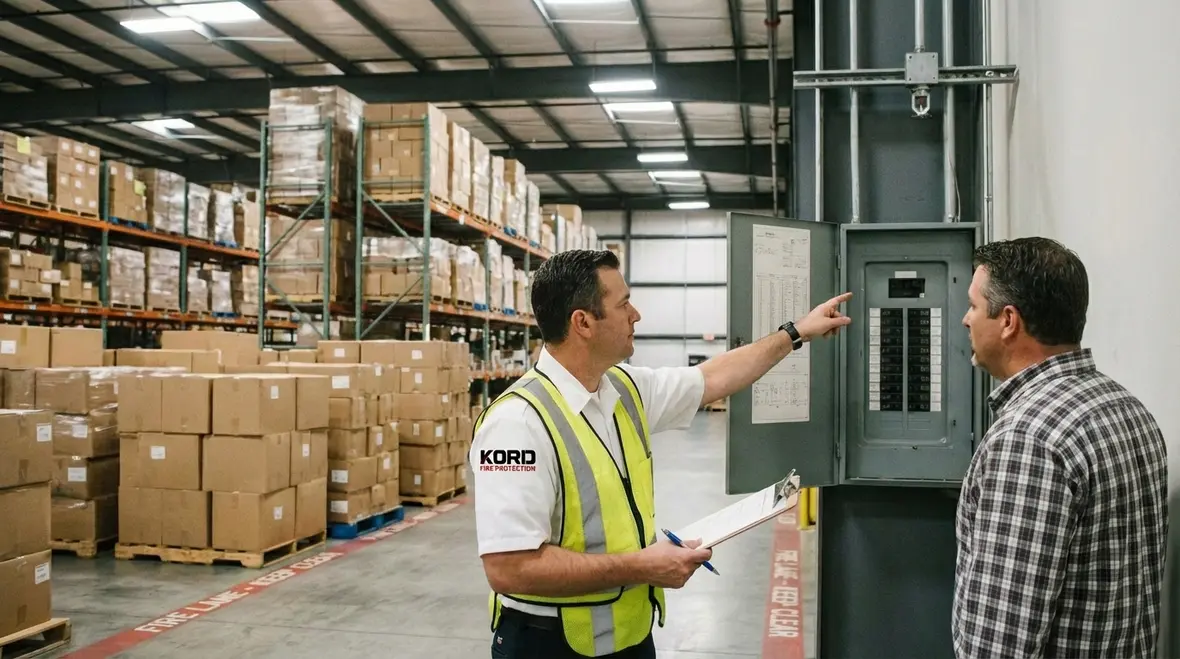
How to Prepare for Fire Marshal Questions Without Stress
Preparation does not require panic. Instead, it requires process. Start by scheduling routine inspections with qualified professionals. Keep digital and printed records organized. Walk the property monthly with fresh eyes.
Many clients rely on Kord Fire Protection technicians to conduct pre inspection walkthroughs. During these visits, technicians simulate the typical Questions Fire Marshals ask. They identify minor issues before they become official violations.
Additionally, they explain code requirements in plain language. No jargon. No scare tactics. Just calm, clear guidance. Because when business owners understand the “why,” compliance becomes logical, not forced.
FAQ: Fire Marshal Inspection Basics
Final Thoughts: Turn Inspection Day Into Just Another Tuesday
Inspections should not feel like a surprise pop quiz. With the right preparation, they become routine checkpoints on the road to safety. Kord Fire Protection technicians stand ready to guide businesses through every step, from system installation to mock walkthroughs.
Schedule a professional assessment, organize those records, and clear those exits. Because when safety becomes a habit, inspection day feels less like judgment and more like confirmation that everything works exactly as it should.
For facilities that want extra peace of mind, partnering with a full service provider helps keep all the moving parts aligned. Kord Fire’s fire suppression inspection, testing, installation, and maintenance services give building owners a single, reliable team to call for alarms, sprinklers, extinguishers, and special hazard systems. One number, one schedule, and one clear path to being inspection ready all year long.
Know Your Weapon Before You Fight the Flame
Kord Fire Protection is your go-to when it comes to all things fire protection. For over 20 years, we’ve been serving Southern California with the quality service and equipment to keep your home or business safe at all times. Our competitive prices reflect our unwavering commitment to protecting what matters most in the event of a fire emergency. Give us a call, send an email, or use that form!

Join Our Newsletter!
Get the latest fire safety tips delivered straight to your inbox From our Newsletter.


