When Are Standpipe Systems Required in Buildings?
When Standpipe Systems Are Required in a Building
In the world of fire safety, there are systems that whisper quietly in the background, and then there are systems that stand tall and ready for action. Standpipe systems fall into the second category. They wait behind stairwell doors and inside cabinets, calm and patient, like a seasoned firefighter who has seen it all. In high rise environments, especially within vertical fire protection systems Downtown for LA, standpipes play a central role in keeping both occupants and first responders safe. While sprinklers handle many fires early, standpipes give firefighters a powerful advantage once they arrive. Today, the technicians at Kord Fire Protection often explain that understanding when these systems are required is not just about code compliance. It is about strategy, safety, and smart building design.
So let us take a steady walk through the facts, clear the smoke around the rules, and understand when a building truly needs a standpipe system.

Understanding Standpipe Systems in Plain Terms
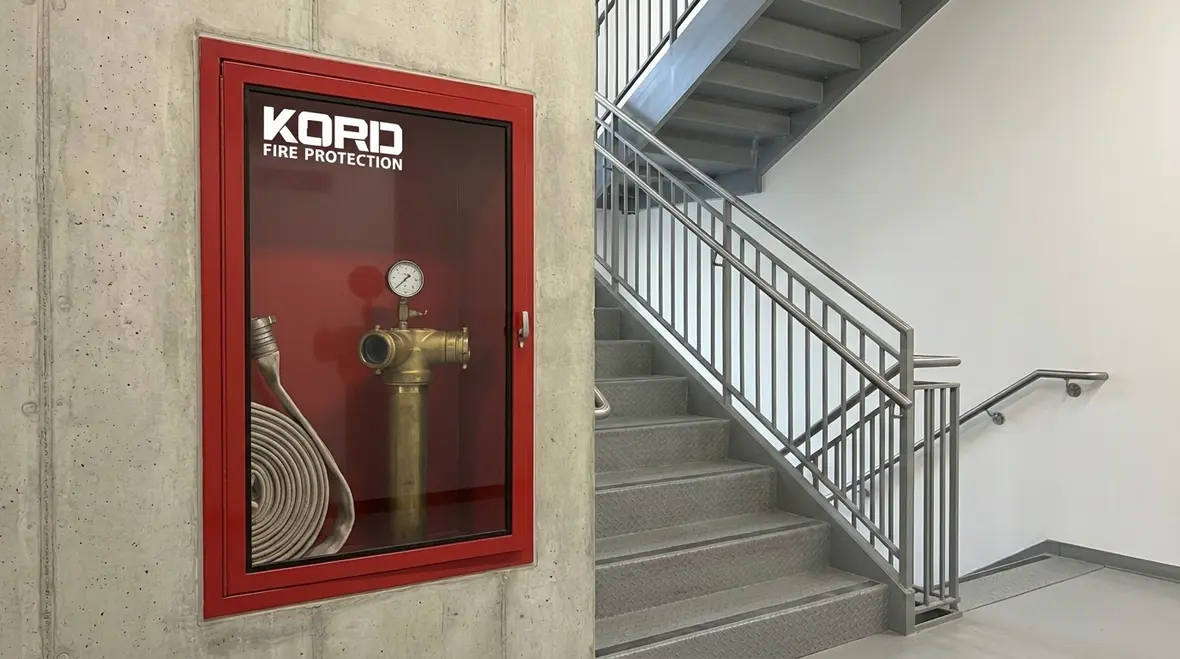
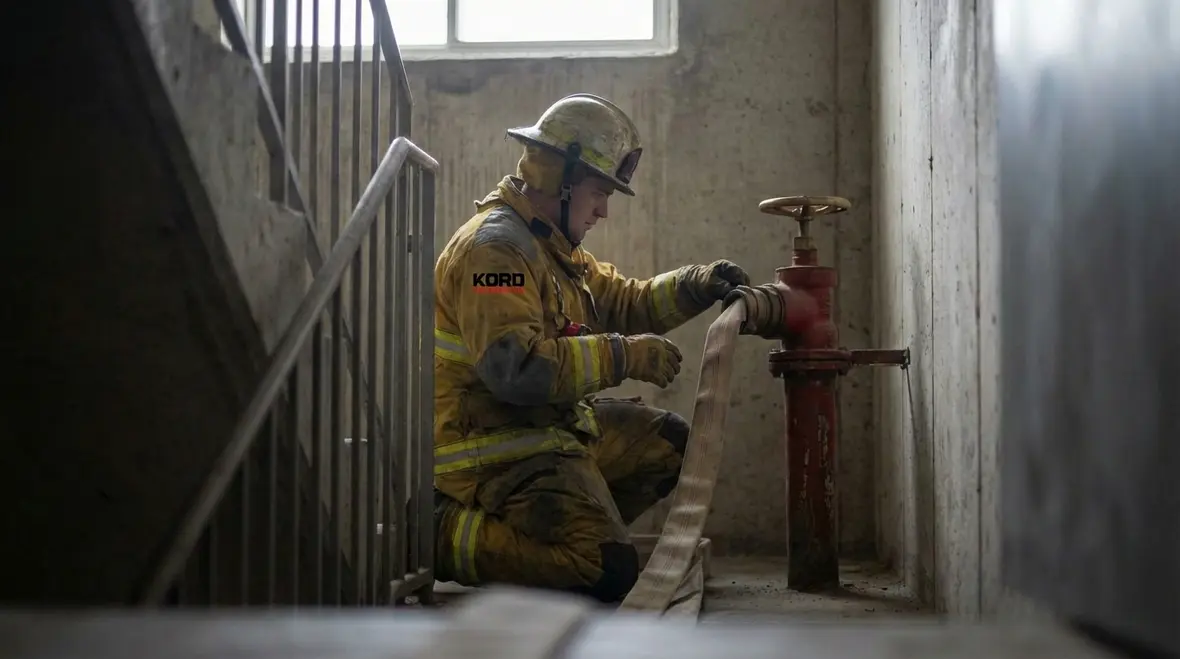
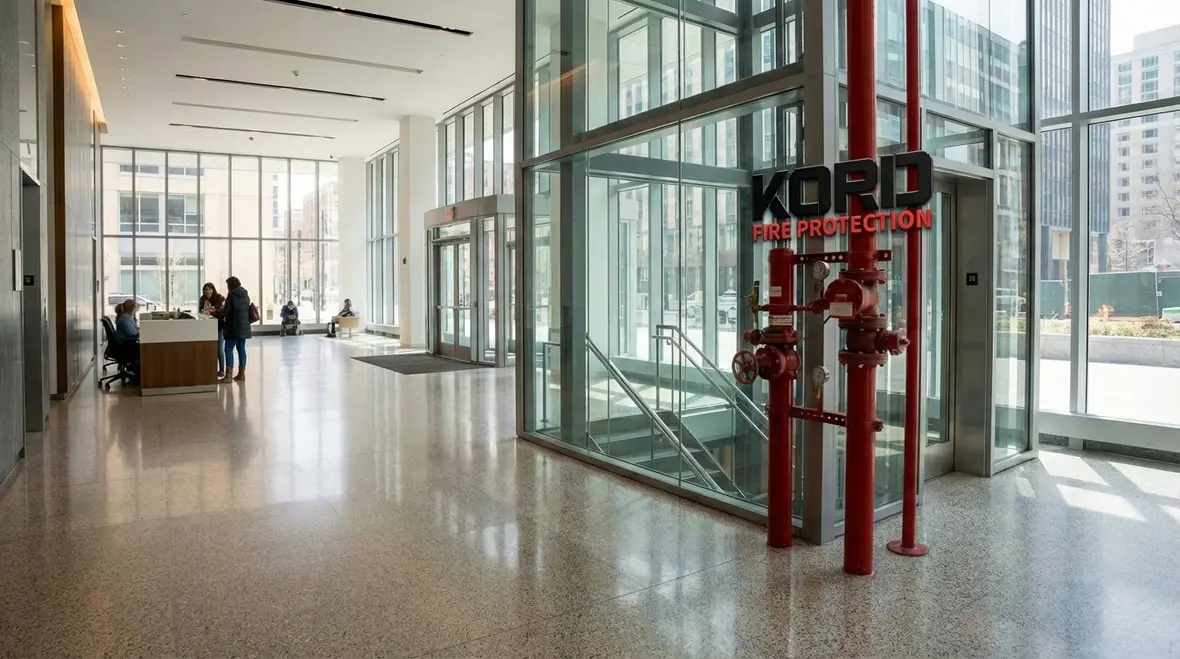
A standpipe system is a network of pipes that runs vertically through a building. It connects to hose valves on each floor, allowing firefighters to plug in and access water quickly. Instead of dragging long hoses up flights of stairs, they connect directly to the system and attack the fire with less delay and less fatigue.
Kord Fire Protection technicians often explain it this way. Imagine climbing twenty flights of stairs carrying heavy gear. Now imagine doing it while the building fills with smoke. Standpipes reduce that climb time and effort. They give firefighters a water source close to the fire floor. And in emergencies, seconds matter more than gold.
Standpipe systems come in three main classes.
- Class I systems are designed for firefighter use and have large hose connections.
- Class II systems are intended for trained building occupants and have smaller hoses.
- Class III systems combine both, offering flexibility for different users.
However, not every building requires every class. Requirements depend on height, size, occupancy, and layout. That is where codes and expert guidance step in.
If you are interested in how standpipes fit into a broader strategy, Kord Fire’s dedicated standpipe systems services page breaks down wet and dry standpipes, Class I–III configurations, and how local codes drive the design in real buildings.
When Are Standpipe Systems Required in a Building?
This is the question building owners, developers, and property managers ask most often. The answer depends on specific triggers outlined in fire and building codes.
Generally, standpipe systems are required in buildings that exceed certain height thresholds. In many jurisdictions, a building with a floor level more than 30 feet above the lowest level of fire department access must have a standpipe system. Why 30 feet? Because that is about the height where carrying hoses up stairs becomes significantly more challenging for firefighters.
Additionally, standpipes are often required in:
- High rise buildings
- Parking garages with multiple levels
- Large assembly occupancies
- Buildings with extensive underground levels
- Covered malls and expansive commercial spaces
Furthermore, construction sites for tall structures may also require temporary standpipes. During construction, the risk of fire can increase due to exposed materials and ongoing work. Codes account for that risk.
Kord Fire Protection technicians regularly guide property owners through these thresholds. They emphasize that compliance is not just a box to check. It is a shield that protects lives, property, and investments.
How Height and Area Trigger Code Requirements
Height is one of the strongest indicators that a standpipe system is required. Once a building crosses specific vertical limits, the fire department needs built in support. In areas with dense development, such as those served by vertical fire protection systems Downtown for LA, tall structures are common. As buildings stretch upward, so must their fire protection strategies.
However, height alone is not the only factor. Floor area also matters. Large floor plates can create long travel distances from stairwells to remote corners. Even if a building is not extremely tall, its size may require standpipes to ensure adequate coverage.
Kord Fire Protection technicians often compare this to navigating a concert venue. If the crowd is small and the space is compact, it is easy to move through. But when the space expands and the crowd grows, clear pathways and support systems become essential. Firefighters need similar support when navigating large commercial spaces.
In addition, underground levels present unique challenges. Fires below grade can trap heat and smoke. Therefore, standpipes in basements provide firefighters with faster access to water in areas where ventilation is limited.
For many property managers in Downtown LA and beyond, pairing standpipes with a broader fire protection strategy starts with a holistic review of all systems. Kord Fire’s main fire protection services hub outlines how standpipes, sprinklers, pumps, alarms, and voice systems are designed to work together, especially in taller or high occupant load buildings.
How Standpipes Support Vertical Fire Protection Systems Downtown for LA
In dense urban environments, fire protection is a coordinated effort. Standpipes are one piece of a larger puzzle that includes sprinklers, fire pumps, alarms, and smoke control systems. Within vertical fire protection systems Downtown for LA, these components work together to manage risk in high rise and mixed use buildings.
For example, sprinklers often control or suppress a fire before firefighters arrive. However, if the fire grows or spreads, standpipes allow firefighters to take direct action on upper floors. They do not need to rely solely on external ladder trucks, which have height limits and positioning challenges in crowded city streets.
Kord Fire Protection technicians explain that in downtown Los Angeles, street access can be tight. Buildings stand shoulder to shoulder. Consequently, interior fire fighting becomes critical. Standpipes provide that interior lifeline.
Moreover, fire pumps often connect to standpipe systems to maintain adequate water pressure at higher elevations. Without proper pressure, even the best designed system loses its effectiveness. That is why integration and maintenance matter just as much as installation.
In some of the tallest and densest districts, standpipes are also coordinated with emergency voice and alarm systems so firefighters can communicate clearly while they advance hose lines. Kord Fire’s article on emergency voice system design for tall and dense buildings shows how audio and water-based systems are engineered together around stairwells, elevator lobbies, and fire command centers.
Key Code Triggers at a Glance
To bring clarity, here is a simplified overview of common standpipe triggers. These details may vary by jurisdiction, so local codes always take priority.
Kord Fire Protection technicians use similar charts when walking clients through requirements. However, they always add context. Codes are the baseline. Real world risk assessment adds depth.
Design Considerations Beyond the Minimum
Meeting the minimum code requirement is essential. Yet smart building owners often go further. Why? Because real life does not always follow the script.
For instance, a building may barely fall under a height threshold. Technically, it might not require a standpipe. However, if the layout is complex or the occupancy load is high, adding a system could improve safety significantly.
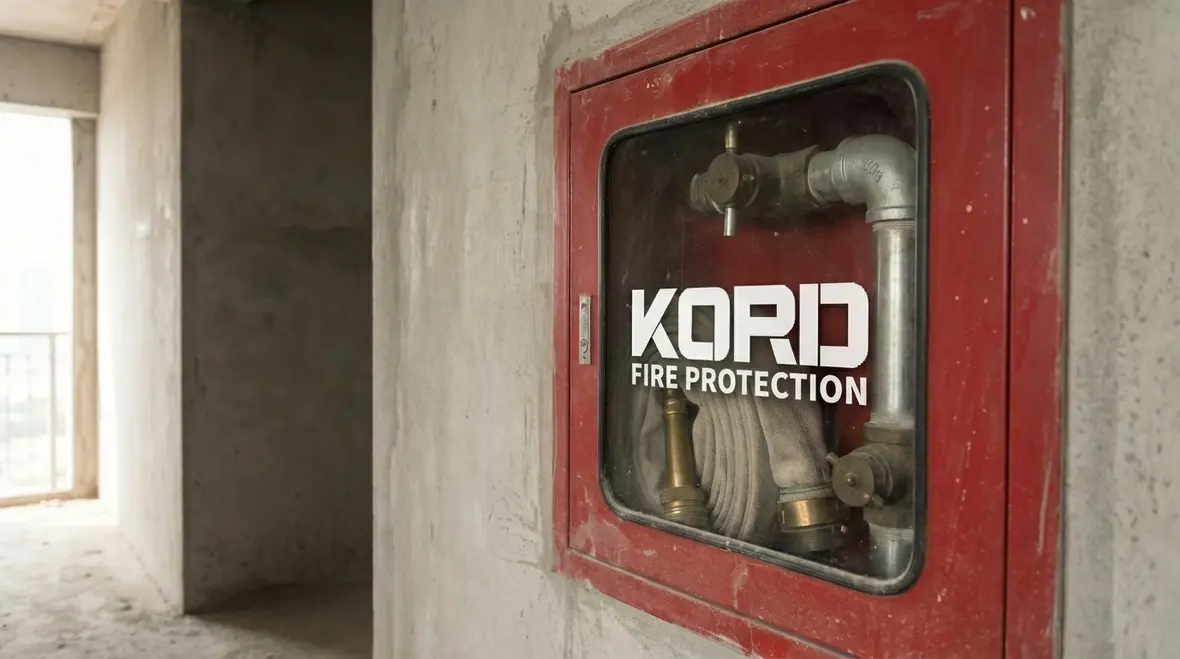
Additionally, the location of hose connections matters. They are typically placed in stairwells, which provide protected access routes. This allows firefighters to advance hose lines while remaining in a relatively safer environment.
Kord Fire Protection technicians stress the importance of hydraulic calculations. Water pressure must remain strong at the highest outlet. Otherwise, the system becomes a decorative pipe network. And while shiny pipes look impressive, they do not put out fires.
Regular inspection and testing are equally critical. Standpipe systems require annual flow tests and visual inspections. Valves must operate smoothly. Gauges must read accurately. Over time, corrosion or mechanical damage can reduce reliability. Therefore, ongoing maintenance ensures the system performs when it is needed most.
Common Misunderstandings About Standpipes
Many property owners assume that if a building has sprinklers, standpipes are unnecessary. That assumption can be costly. While sprinklers control fires early, they do not replace the need for firefighter access in taller or larger structures.
Another misconception is that standpipes are only for skyscrapers. In reality, mid rise buildings frequently require them. Even parking garages, those concrete giants where everyone forgets where they parked, often need standpipes due to multiple levels and open layouts.
Some also believe that once installed, the system can be ignored. Unfortunately, neglect leads to failure. Kord Fire Protection technicians often share stories of inspections where valves were partially closed or components were obstructed. A standpipe that cannot deliver water under pressure is like a superhero without powers. Impressive costume. Limited impact.
Therefore, education and routine service remain central to effective fire protection.
How Kord Fire Protection Technicians Guide Compliance
Navigating fire codes can feel overwhelming. There are sections, subsections, exceptions, and amendments. However, experienced professionals simplify the process.
Kord Fire Protection technicians begin with a thorough building assessment. They review height, occupancy type, floor area, and existing fire protection features. Then they compare those elements to current code requirements. If a standpipe is required, they develop a design that integrates smoothly with the building’s overall fire protection strategy.
In projects tied to vertical fire protection systems Downtown for LA, coordination becomes even more important. High rise buildings demand careful planning for water supply, pump sizing, and pressure regulation. Technicians work closely with engineers, architects, and inspectors to ensure compliance from design through final approval.
Furthermore, they provide training and documentation so building owners understand how their systems function. Because at the end of the day, knowledge supports safety. And safety supports peace of mind.
FAQ About Standpipe System Requirements
Conclusion and Next Steps
Standpipe systems are not just pipes behind a cabinet door. They are lifelines that support firefighters, protect occupants, and strengthen the safety framework of modern buildings. From high rise towers to multi level garages, code requirements exist for a reason. Kord Fire Protection technicians stand ready to assess, design, and maintain systems that meet both legal standards and real world demands.
If you are unsure whether your property crosses the height or area thresholds for a standpipe, or you simply want a second opinion on an existing system, now is the time to act. Explore Kord Fire’s dedicated standpipe systems service page for more detail, or reach out through the main contact page to schedule an assessment. Their team can help ensure your building stands prepared, compliant, and confidently protected.
Know Your Weapon Before You Fight the Flame
Kord Fire Protection is your go-to when it comes to all things fire protection. For over 20 years, we’ve been serving Southern California with the quality service and equipment to keep your home or business safe at all times. Our competitive prices reflect our unwavering commitment to protecting what matters most in the event of a fire emergency. Give us a call, send an email, or use that form!

Join Our Newsletter!
Get the latest fire safety tips delivered straight to your inbox From our Newsletter.