Preventing False Fire Alarms in Commercial Facilities
In large commercial facilities, preventing false fire alarms is not just a nice-to-have. It protects occupants, keeps operations running, and prevents the daily chaos that comes when alarms cry wolf again and again. As the saying goes, when people stop trusting the sound, safety gets expensive. That is why Kord Fire Protection technicians take a practical approach: they look at the real causes, then they fix the system and the process, not just the symptoms. Because yes, a smoke detector can be “right” while still being wrong for your specific environment. And no, sprinkling more duct tape on the problem is not a strategy. It is a lifestyle choice, and not a good one.
From cooking fumes and dusty equipment to maintenance shortcuts and aging components, false alarms usually come from predictable gaps. This article lays out proven strategies that reduce nuisance activations while keeping life safety code compliance in mind. Facilities that want fewer disruptions usually need a better mix of detector selection, better maintenance, and more disciplined day-to-day operations. That combination is where the real progress happens.
Start with a smart facility risk map
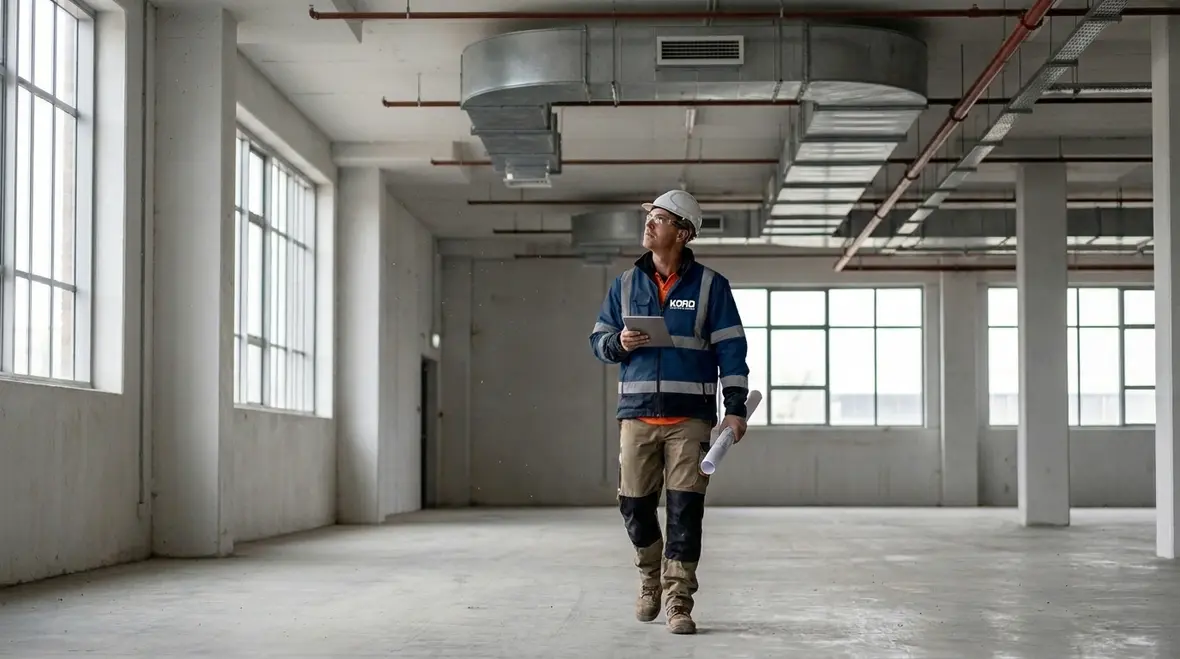
To prevent false alarms, a facility needs more than a checklist. It needs a risk map that matches the building’s actual behavior. Kord Fire Protection technicians begin by walking the site with a methodical eye. They review floor layouts, HVAC flow paths, loading docks, break rooms, data closets, and any area where air movement can carry smoke like a prankster with a megaphone.
Next, technicians connect each alarm zone to the activities inside it. For example, a detector in a reception corridor may see nothing but normal occupancy, while one near a loading bay could face diesel exhaust, weather-driven airflow, and dust from frequent door openings. Then the team documents expected “real smoke conditions” versus common nuisance sources. As a result, the facility can design a response plan that fits each zone, not a one-size-fits-all guess.
They also confirm that device placement and spacing align with the ceiling type, airflow patterns, and ceiling obstructions like beams and soffits. If something blocks smoke movement or creates dead air pockets, detectors may misread conditions, especially during HVAC cycles. That is where a site-specific review becomes valuable. A detector installed in a technically acceptable spot can still be a practical headache if the surrounding conditions are constantly feeding it the wrong information.
What a useful risk map should include
- Alarm zones matched to actual daily building activity
- HVAC supply and return influences on detector performance
- Dust, steam, exhaust, and aerosol-producing work areas
- Ceiling features, soffits, beams, and obstructions that alter smoke travel
- Historical nuisance alarm locations and repeat trigger conditions
Design detection and notification for real airflow, not theory
Even when systems are code compliant on paper, real airflow decides what gets sensed. False alarms often appear during routine operations: filter changes, new equipment start ups, seasonal HVAC adjustments, or a cleaning schedule that stirs up dust. Therefore, Kord Fire Protection technicians evaluate the detection environment using practical observations and system data.
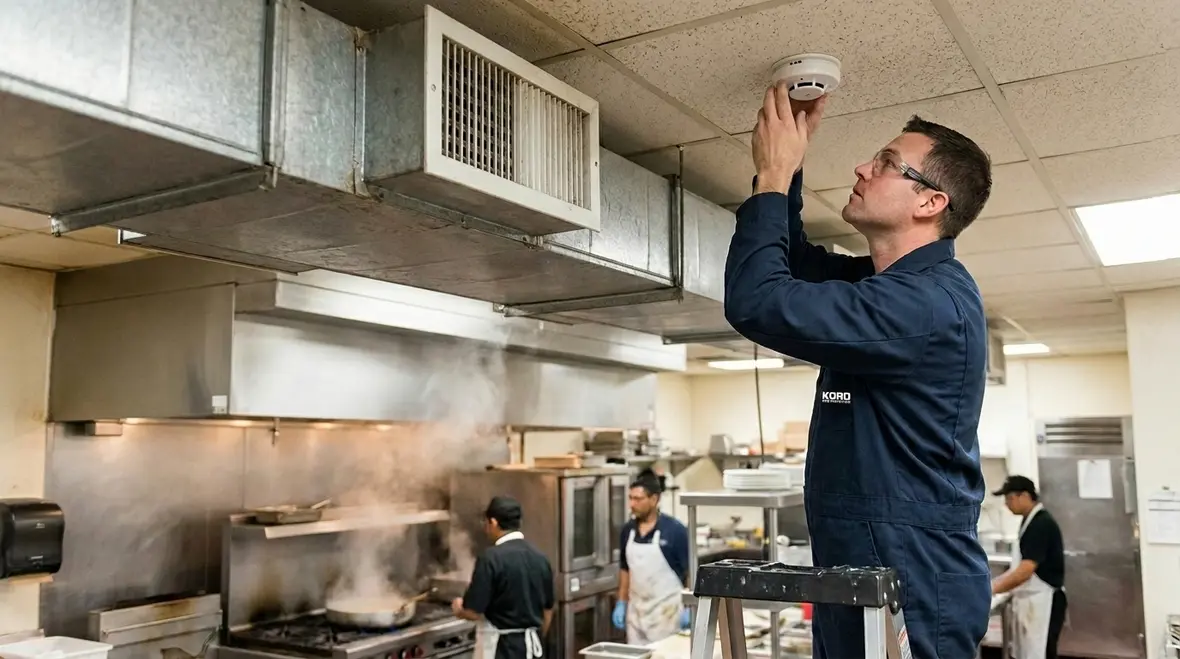
They check if detectors sit in spots that collect steam, cooking aerosols, or fine particulate during normal activities. In kitchens and similar spaces, they verify that detector types match the hazards. For example, smoke detection should not be the only guard if a heat condition dominates. If the facility uses aspirating detection, they verify sampling placement so it pulls representative air, not the “wrong corner” of the room.
Notification also matters. When alarms are too sensitive or cause overly aggressive evacuation patterns, people respond with frustration. Eventually, that frustration turns into operational workarounds. And workarounds are where safety plans go to retire early. A better design reduces nuisance events while preserving clear, credible communication when a real emergency happens. If occupants trust the signals, they act faster and with less hesitation.
Facilities that are reviewing older systems may also benefit from a broader fire alarm service assessment to determine whether legacy devices, outdated layouts, or poorly matched detection methods are contributing to recurring nuisance activations.
Control nuisance sources with operational discipline
Most facilities do not fail because the fire alarm system is bad. They fail because everyday work triggers it and nobody closes the loop. Kord Fire Protection technicians push for operational discipline that reduces the nuisance fuel before it reaches the sensors.
Here are proven tactics that work in real commercial buildings.
- Kitchen and break room controls: Install or improve exhaust hoods, keep doors closed during cooking, and use procedures that reduce aerosol spread.
- Dust and debris management: Schedule housekeeping and maintenance when systems can be protected, and use methods that do not aerosolize dust.
- Loading dock practices: Reduce door-open duration, manage airflow with vestibules where feasible, and address exhaust routing from vehicles.
- Hot work protocols: Require permits, pre-plan alarm impacts, and keep trained supervision during welding or grinding.
- Vendor coordination: Make contractors aware of sensitive zones before they start blasting dust into the atmosphere like they are filming a disaster movie.
Then, critically, they align these practices with the alarm system’s behavior. If staff understands what triggers an alarm and why, the facility avoids “accidental chaos.” It is not glamorous, but neither is a fire. Still, one of those you want to deal with less. The point is to create repeatable habits that support detection rather than sabotage it. Good operations make the system smarter in practice, even when no hardware changes are made.
Small process changes that make a big difference
Simple changes often solve stubborn nuisance alarm problems. Staging dusty work after hours, verifying exhaust fans are operating before cooking begins, and limiting loading dock door-open time can dramatically reduce unwanted activations. These are not dramatic upgrades, but they work. And unlike panic-buying replacement parts after the fifth false alarm in a week, they usually cost less and create less pain.
Use maintenance that actually prevents trouble
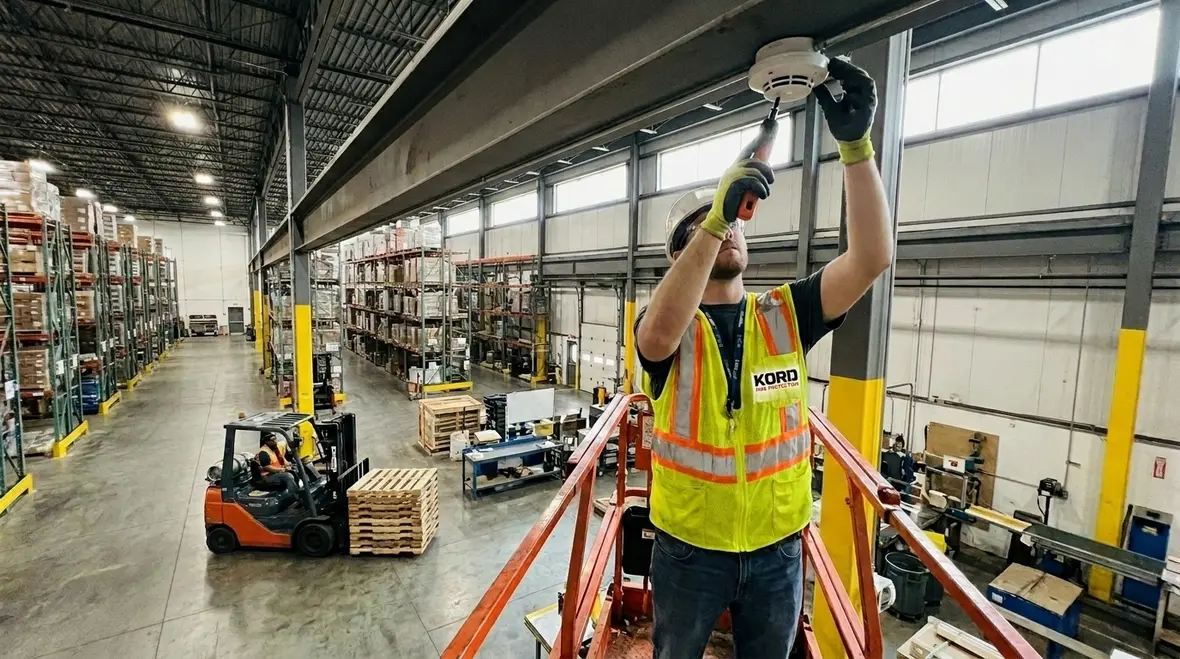
Maintenance is where false alarms either improve or multiply. Over time, detectors collect dust and sensitivity drifts. Clean them incorrectly and you can create new problems. Replace parts without verifying system compatibility and you can invite weird responses. So Kord Fire Protection technicians standardize maintenance so it stays consistent across teams and seasons.
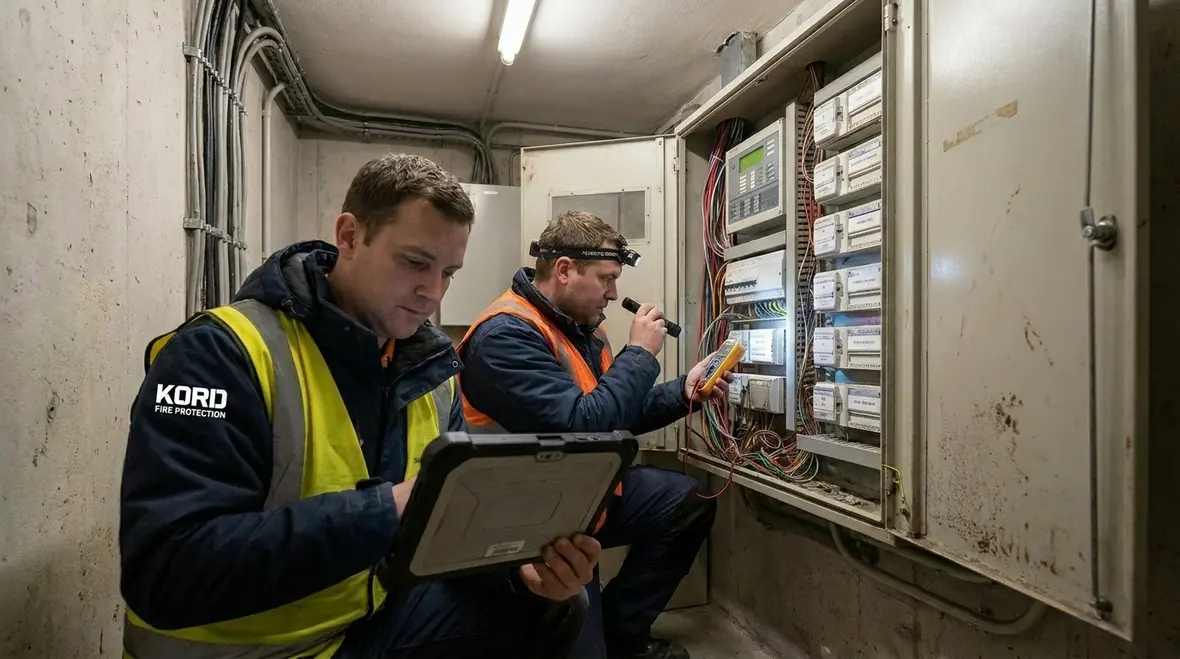
They follow manufacturer guidance and local codes, then they verify performance, not just appearance. For example, they inspect smoke detectors for contamination, confirm detector cleaning does not disturb alignment, and test that testing methods match the detector type. They also check the panel for trouble signals that can cause abnormal behavior.
Additionally, they look at age and technology. Older components may still function, but they can become more sensitive to environmental shifts. As a result, a planned upgrade can be cheaper than endless false alarm calls. Because nothing says “budget friendly” like paying overtime for a problem you could have prevented. If a site is due for broader modernization, a review of commercial and residential fire alarm installation options can help determine whether replacement is the more reliable long-term move.
Test and calibrate with data, not gut feel
Testing needs structure. If a facility tests too casually, it may miss early warning signs. If it tests too aggressively without planning, it may trigger the same nuisance conditions that caused false alarms in the first place. Kord Fire Protection technicians create a testing schedule that balances safety with operational continuity.
They use trend data when the panel supports it. Then they compare alarm events to environmental and operational records. For instance, if false alarms spike after HVAC filter swaps or during certain shift changes, the facility can adjust timing, sequencing, and cleaning methods.
They also validate alarm signaling and supervision paths. Faults in wiring supervision can produce odd panel behavior that staff misinterprets as fire activity. Therefore, calibration and verification become part of a broader strategy for preventing false fire alarms, not a standalone task. Good data does not just explain what happened. It helps predict what is about to happen again if nothing changes.
Useful data points to track
- Date and time of each activation
- Zone, device type, and panel condition
- Nearby maintenance, cleaning, cooking, or construction activity
- HVAC operational status and recent filter work
- Weather effects near docks, entries, or exterior-adjacent spaces
Train teams so they respond correctly, every time
When a false alarm happens, the response decides what comes next. If staff reacts with confusion, it increases the chance of repeat nuisance events because teams learn the wrong lesson. Kord Fire Protection technicians train security, maintenance, and operations staff so they recognize typical nuisance patterns and handle alarms using the facility plan.
Training should cover how to verify the alarm event safely, when to evacuate, and how to communicate with the monitoring service. It should also include reporting requirements so the team captures details like location, time, active activities, and any nearby work. Over time, those reports become the dataset used to prevent repeat issues.
And yes, people will joke about it. But if the facility turns every alarm into a “guess the movie scene” moment, the response loses discipline. The goal is calm, consistent decision-making that protects lives and reduces disruption. Strong training also improves coordination with service providers, because staff can describe the event clearly instead of saying, “Well, something beeped and then everybody got annoyed.”

FAQ
Request a site review and get a clear plan
If a facility wants real results, it should not guess. It should inspect, measure, and correct the specific causes behind nuisance events. Kord Fire Protection technicians can review detector placement, maintenance history, alarm events, and operating conditions, then recommend practical steps for preventing false fire alarms without slowing business. Schedule a site review, and turn alarm frustration into a calmer, safer workflow. Because a dependable fire alarm system should feel like a professional guard dog, not like a smoke detector with a stand-up career.
For facilities that want broader support beyond one recurring issue, Kord Fire Protection also offers full fire protection services that can help align inspection, maintenance, and system readiness across the property. When the alarm system, procedures, and service plan all support each other, false alarms become far less likely to hijack the day.

Join Our Newsletter!
Get the latest fire safety tips delivered straight to your inbox From our Newsletter.