
Commercial Fire Sprinkler Upgrade Guide Explained
Every commercial building tells a story. Some whisper efficiency. Others creak like an old theater before curtain call. When it comes to fire protection, however, there is no room for drama. There is only preparation. That is why many property owners begin with a reliable commercial fire sprinkler upgrade guide to understand when their systems need attention. In this article, that guide becomes a living conversation. It explores when upgrades make sense, why codes evolve, and how Kord Fire Protection technicians explain these changes in plain language that even the most number shy facility manager can appreciate.
Because while sprinklers may not trend on social media, they do something far more important. They stand ready. Quiet. Patient. Until the moment they are needed.
The Aging System Dilemma: Time Changes Everything
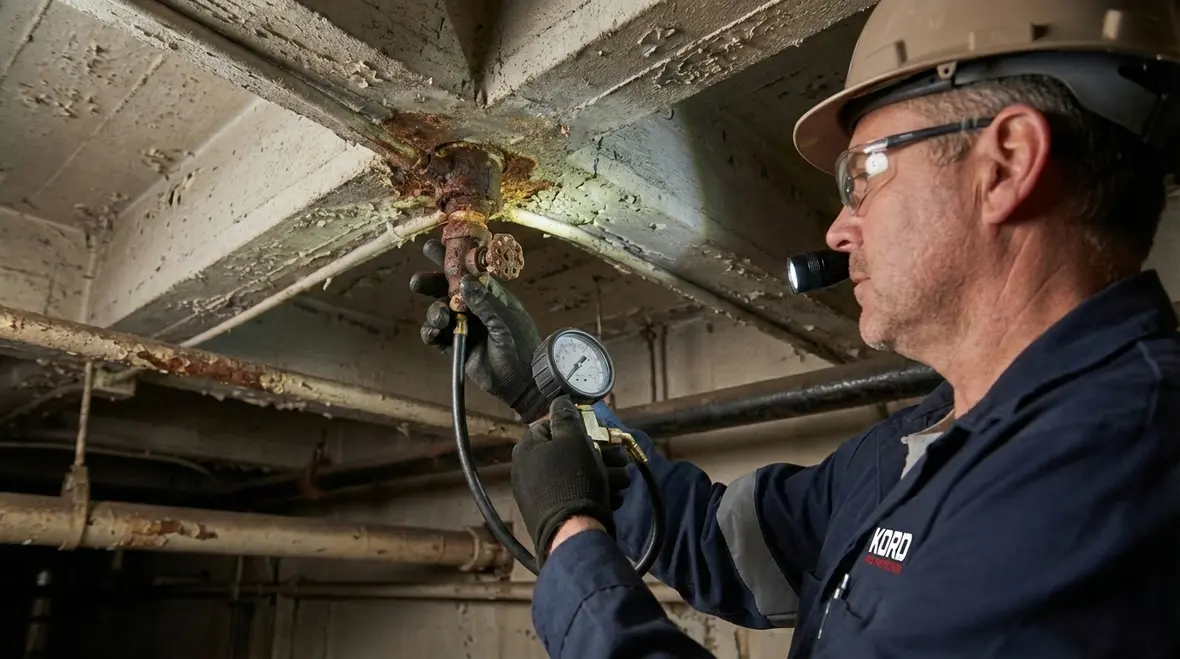
Buildings age with dignity. Systems, not always. Over time, sprinkler pipes corrode, fittings weaken, and outdated components struggle to meet modern safety demands. Therefore, one of the clearest signs that a building should consider upgrades is age alone.
Kord Fire Protection technicians often explain it this way. A sprinkler system installed thirty years ago was built for the codes and occupancy of that era. Since then, materials stored inside buildings have changed. Offices now house dense server racks. Retail spaces stock more synthetic goods. Warehouses stack products higher than ever. Consequently, the original system may no longer provide the coverage required for today’s fire loads.
Additionally, older systems may rely on parts that manufacturers no longer produce. When repairs require scavenger hunts for obsolete valves, the writing is on the wall. Upgrading becomes not just practical but wise.
As any seasoned technician will note, water pressure tests can reveal hidden weaknesses. Small drops in pressure may signal internal buildup. And while corrosion hides inside pipes like a villain in a spy movie, routine inspections often uncover the truth before disaster does. For a deeper look at warning signs, you can review Kord Fire’s insights on when a fire sprinkler system needs repair, which pairs well with this commercial fire sprinkler upgrade guide.
How Building Renovations Trigger Sprinkler System Changes
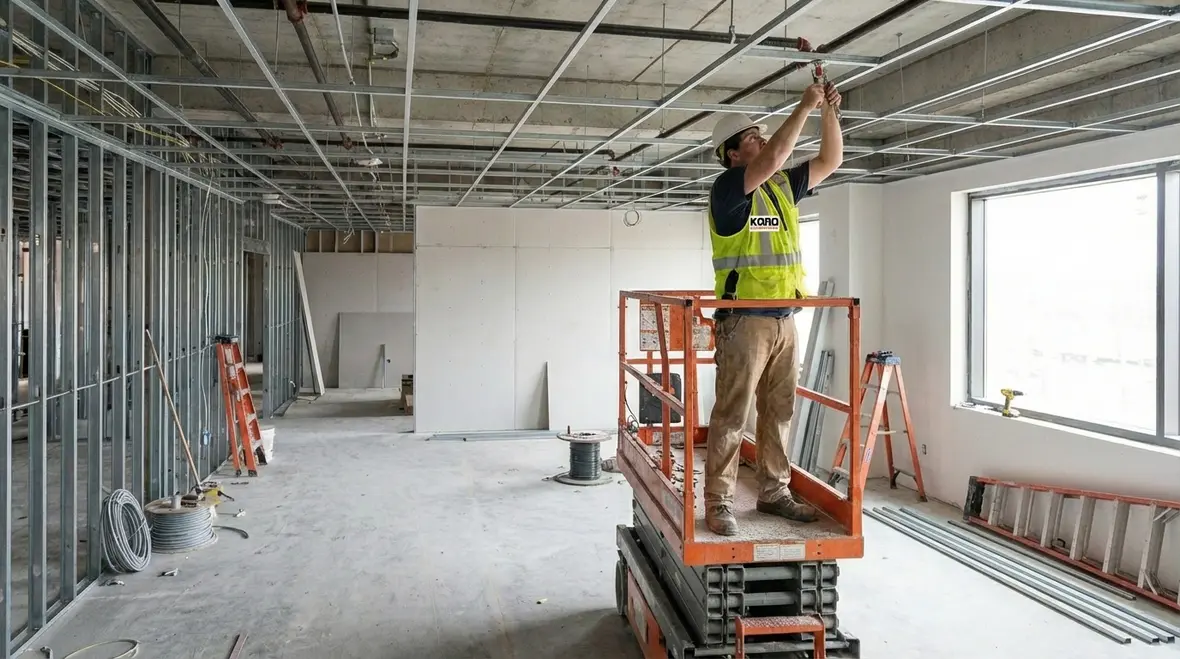
Renovations bring excitement. New walls rise. Ceilings shift. Layouts transform. However, each change can affect sprinkler coverage. Therefore, whenever a commercial space undergoes remodeling, owners should revisit their fire protection strategy.
Consider ceiling height adjustments. If a warehouse installs taller racks, the original sprinkler heads may sit too high above the hazard. Likewise, adding new partitions can block spray patterns. In these cases, an upgrade is not optional. It becomes essential.
Kord Fire Protection technicians frequently walk property managers through updated hazard classifications. They explain how something as simple as switching from paper files to plastic storage bins can increase fire intensity. Moreover, they clarify that codes require sprinkler spacing and flow rates that match those new risks.
Renovation budgets often focus on flooring and lighting. Yet, integrating sprinkler updates during construction saves money long term. After all, tearing into finished ceilings twice is not anyone’s idea of efficiency. Even Hollywood reboots try to avoid that mistake. When planning a renovation, pairing this commercial fire sprinkler upgrade guide with resources like Kord Fire’s coverage of sprinkler system requirements in cities like Los Angeles helps keep projects both stylish and code compliant.
What Code Updates Mean for Existing Buildings
Fire codes evolve because research evolves. Investigators study real incidents, then refine standards to prevent repeats. As a result, what passed inspection fifteen years ago may not satisfy current regulations.
Although some jurisdictions allow existing systems to remain under old codes, others require compliance when occupancy changes or significant upgrades occur. Therefore, building owners benefit from reviewing local requirements regularly.
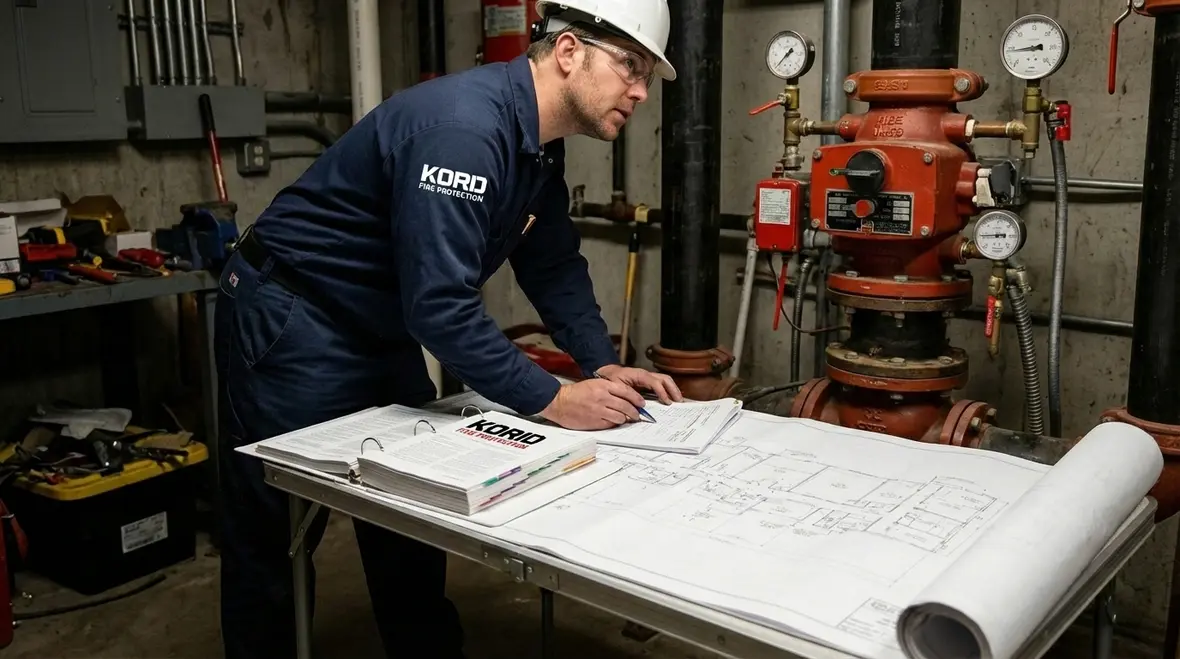
Kord Fire Protection technicians often translate complex code language into straightforward advice. They describe density requirements, water supply calculations, and backflow prevention standards without sounding like a legal textbook. Furthermore, they highlight how newer systems improve reliability through better materials and monitoring technology.
Upgrading before an inspector flags deficiencies gives owners control over timing and cost. It also prevents the stress of surprise citations. And no one enjoys unexpected visits from authorities, unless it is a celebrity dropping by for coffee. For example, Kord Fire’s breakdown of San Francisco fire sprinkler testing requirements shows how specific cities can be, and why waiting for a citation is a risky strategy.
Performance Red Flags You Should Not Ignore
Some signs speak louder than others. Persistent leaks. Frequent false alarms. Corroded sprinkler heads. These are not minor inconveniences. Instead, they signal deeper system concerns.
Water discharge during testing that falls below required pressure often indicates pipe obstructions or undersized supply lines. Additionally, recurring valve failures suggest aging components that may fail under real fire conditions. In both cases, partial repairs may only delay the inevitable.
Kord Fire Protection technicians conduct thorough inspections to pinpoint whether isolated fixes will suffice or whether a broader modernization plan makes more sense. They use flow tests, internal pipe assessments, and detailed reporting to support their recommendations.
Furthermore, many insurers review sprinkler performance records. If deficiencies persist, premiums may rise. Consequently, proactive upgrades can support both safety and financial planning. Articles like Kord Fire’s guide to the top signs your fire sprinkler system needs repair dovetail with this commercial fire sprinkler upgrade guide to help you spot those issues early.
Commercial Fire Sprinkler Upgrade Guide for Expanding Businesses
Growth signals success. However, expansion changes fire protection needs. When businesses increase inventory, add mezzanines, or convert office areas into storage, sprinkler demand rises accordingly.
A comprehensive commercial fire sprinkler upgrade guide outlines how system capacity must match new square footage and hazard levels. For example, adding high pile storage may require in rack sprinklers or enhanced water supply. Likewise, converting light manufacturing space into a commercial kitchen introduces grease related risks that standard systems may not handle.
Kord Fire Protection technicians evaluate supply mains, pump capacity, and alarm integration to ensure expansions do not strain existing infrastructure. Moreover, they coordinate with engineers and contractors so upgrades integrate smoothly into broader development plans.
In many cases, planning ahead avoids operational downtime. After all, businesses thrive on continuity. Nobody wants to close shop because their sprinkler system could not keep up with ambition. Whether you are adding a new wing in Los Angeles or retrofitting a space in San Francisco County, pairing that growth with a structured sprinkler upgrade plan keeps progress and protection aligned.
Comparing Repair vs Upgrade Options
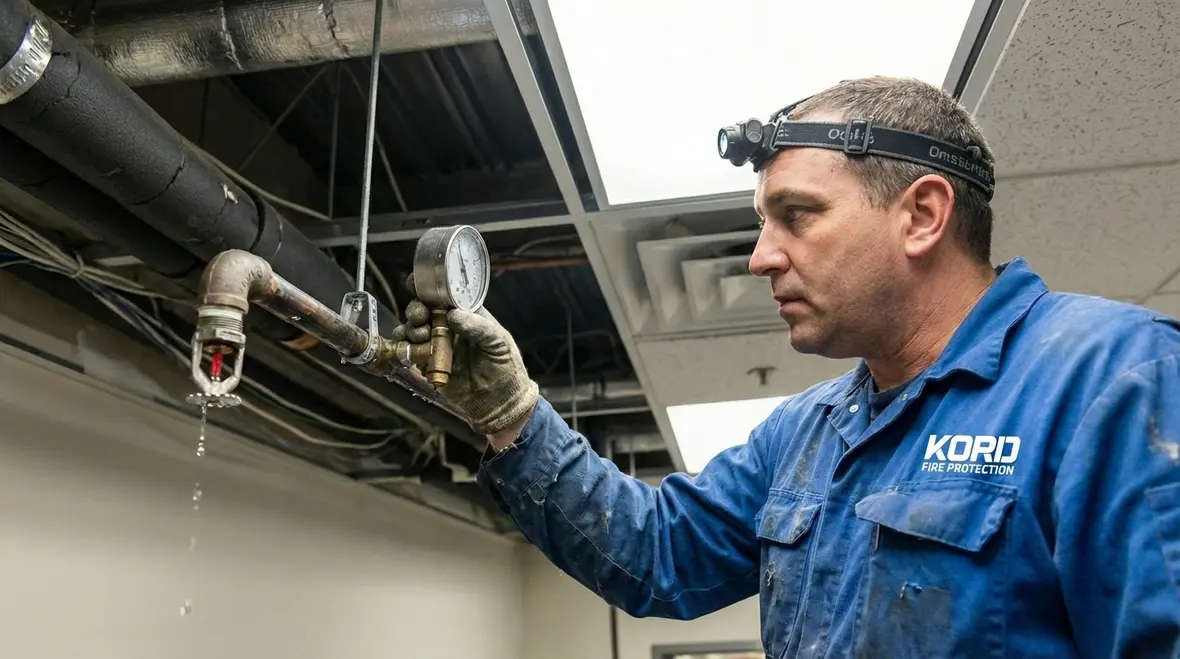
Facility managers often face a familiar question. Should they patch and repair, or invest in a full system overhaul? The answer depends on age, condition, and future goals.
Short Term Repairs
Advantages
- Lower upfront cost
- Minimal immediate disruption
- Targets specific issues
Limitations
- May not address aging infrastructure
- Could require repeated service calls
- Often does not improve code alignment
Comprehensive Upgrades
Advantages
- Aligns with current standards
- Improves long term reliability
- May reduce insurance risk
Considerations
- Higher initial investment
- Requires detailed planning
- May involve phased installation
While repairs serve a purpose, repeated fixes on aging systems resemble placing tape over a leaky pipe in a submarine. Eventually, deeper action becomes unavoidable. Therefore, many property owners weigh lifecycle costs rather than focusing only on immediate expense.
Kord Fire Protection technicians provide clear cost breakdowns and projected timelines. They also explain how upgraded systems can integrate with digital monitoring platforms, which allow faster response times and remote diagnostics. When you compare options, keep this commercial fire sprinkler upgrade guide handy alongside local service pages, so you can align design decisions with practical repair and retrofit support in your city.
When Insurance and Liability Drive the Decision
Insurance carriers evaluate risk carefully. They review inspection records, maintenance logs, and compliance status. If a building operates with outdated or impaired sprinklers, underwriters may adjust premiums or impose conditions.
Consequently, upgrading can support favorable insurance outcomes. Modern systems demonstrate proactive risk management. They also reassure tenants who expect safe working environments.
Liability concerns extend beyond insurance. In the event of a fire, investigators examine whether systems met applicable standards. If owners ignored clear warning signs, legal exposure increases. Therefore, many decision makers view sprinkler modernization as both a safety measure and a strategic safeguard.
Kord Fire Protection technicians emphasize documentation. They ensure inspection reports, upgrade plans, and testing results remain organized. This record keeping supports compliance and strengthens defensibility if questions arise. Pairing strong documentation with routine maintenance, as outlined in Kord Fire’s fire protection maintenance resources, keeps your upgrade story consistent from first quote to final inspection.
How Technicians Explain the Upgrade Process Step by Step
Upgrades may sound complex. However, the process follows a structured path. First, technicians perform a detailed assessment. They review original design documents, inspect physical components, and conduct flow tests.
Next, they compare findings against current codes and occupancy risks. Then, they present options. Some buildings require pipe replacement. Others need additional heads or updated control valves. In certain cases, installing a fire pump ensures adequate pressure.
Kord Fire Protection technicians take time to explain each recommendation. They avoid jargon and focus on practical impact. For example, they might describe improved response times in terms of seconds saved. And in a fire event, seconds matter.
Finally, installation proceeds in phases when possible. This approach limits disruption to tenants and daily operations. After completion, thorough testing confirms performance. Documentation follows. Peace of mind settles in.
It may not earn a standing ovation, yet a well executed upgrade deserves one.
FAQ: Commercial Sprinkler Upgrade Insights
Conclusion: A Smarter Path to Protection
Fire protection does not demand attention until it does. Therefore, wise building owners act before urgency strikes. With guidance from Kord Fire Protection technicians, commercial properties can evaluate age, performance, expansion, and code changes with confidence. Upgrading at the right time protects assets, supports compliance, and strengthens trust.
Those ready to move forward should schedule a professional assessment and take the next deliberate step toward safer, stronger protection. To turn this commercial fire sprinkler upgrade guide into action, connect directly with Kord Fire’s team through their California fire protection service pages or request a quote for system inspections, retrofits, and ongoing maintenance support.
Whether you manage a warehouse, office tower, or retail center, a clear upgrade plan today is the simplest way to avoid complicated emergencies tomorrow.
Know Your Weapon Before You Fight the Flame
Kord Fire Protection is your go-to when it comes to all things fire protection. For over 20 years, we’ve been serving Southern California with the quality service and equipment to keep your home or business safe at all times. Our competitive prices reflect our unwavering commitment to protecting what matters most in the event of a fire emergency. Give us a call, send an email, or use that form!

Join Our Newsletter!
Get the latest fire safety tips delivered straight to your inbox From our Newsletter.


