Fire Protection Compliance Audits Reduce Operational Risk
When a business treats fire safety as a once in a while chore, risk sneaks in like a smoke alarm battery that was “probably fine.” That is why our fire protection compliance audits matter, and why businesses schedule them regularly. In the same calm way Kord Fire Protection technicians explain the process, audits turn vague worries into clear, documented actions. And once the plan is solid, the long term operational risks shrink. This article explains how routine audits reduce those risks, what they typically uncover, and how teams benefit without losing momentum on day to day work.
There is another reason businesses keep these reviews on the calendar. A good audit does not just point at problems like a grumpy hall monitor with a clipboard. It creates order. It shows what is working, what is drifting, what needs attention now, and what can be scheduled sensibly before it grows fangs and starts affecting operations. That kind of clarity is not glamorous, but it is deeply useful.
What a regular audit actually prevents
Fire protection fails for predictable reasons. First, systems drift out of spec. Over time, inspection tags get missed, valves stick, fixtures change, and contractors swap parts without telling anyone who should care. Then, the building settles, dust builds up, and even good equipment can perform worse than expected.
Regular fire protection compliance audits interrupt that slide. They catch issues while they are small, so a business can fix one problem instead of dealing with a chain reaction. And because the audits focus on how systems perform in real conditions, they help companies avoid the expensive kind of “surprise” that usually shows up at the worst moment.
Small gaps tend to become large headaches
That is the quiet magic of a routine audit. It catches the slightly blocked sprinkler, the old record nobody updated, the extinguisher that moved during a renovation, or the alarm condition that has been blinking long enough to become part of the wallpaper. None of those issues look dramatic on their own. Together, they can create a very dramatic day.
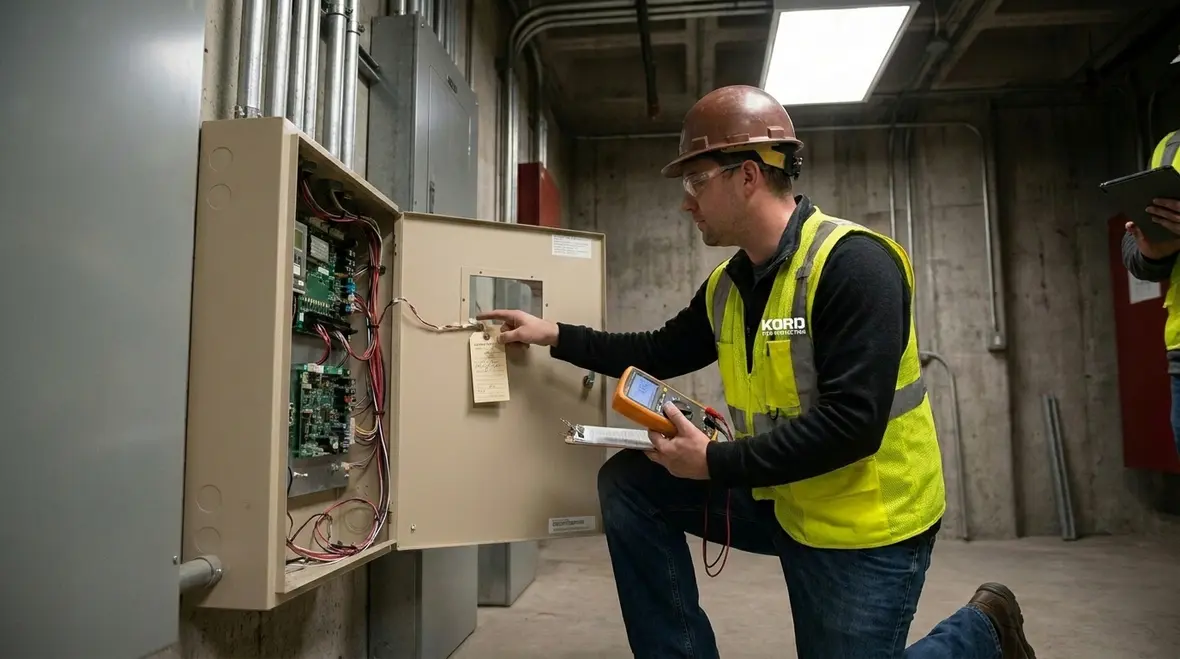
How audits reduce operational risk over time
Operational risk does not only mean fires. It also includes shutdowns, costly repairs, insurance disputes, and incidents that force staff to scramble and management to improvise. When audits happen on a schedule, a business builds an evidence trail that supports decision making.
Here is how that plays out in the real world. Fire protection compliance audits check key systems such as alarms, extinguishers, sprinkler setups, suppression systems, and emergency egress conditions. Then they compare what the business expects to happen with what the system can actually do today. After that, teams get clear recommendations, which means fewer last minute surprises.
Also, the audit cadence helps management plan budgets better. Instead of funding repairs after an incident, they can fix deficiencies before they escalate. And yes, that means fewer “we will handle it later” meetings, which is a win for both morale and the bottom line.
A paper trail is not boring when it saves the day
Documentation is one of the most underrated benefits of a steady audit schedule. Businesses that maintain clean records can answer questions faster, support internal planning, and reduce the friction that happens when insurers, inspectors, or executives ask what has been tested, repaired, or deferred. Kord Fire also highlights the importance of solid records in its article on fire safety system documentation for compliance.
Kord technicians explain risks in plain business language
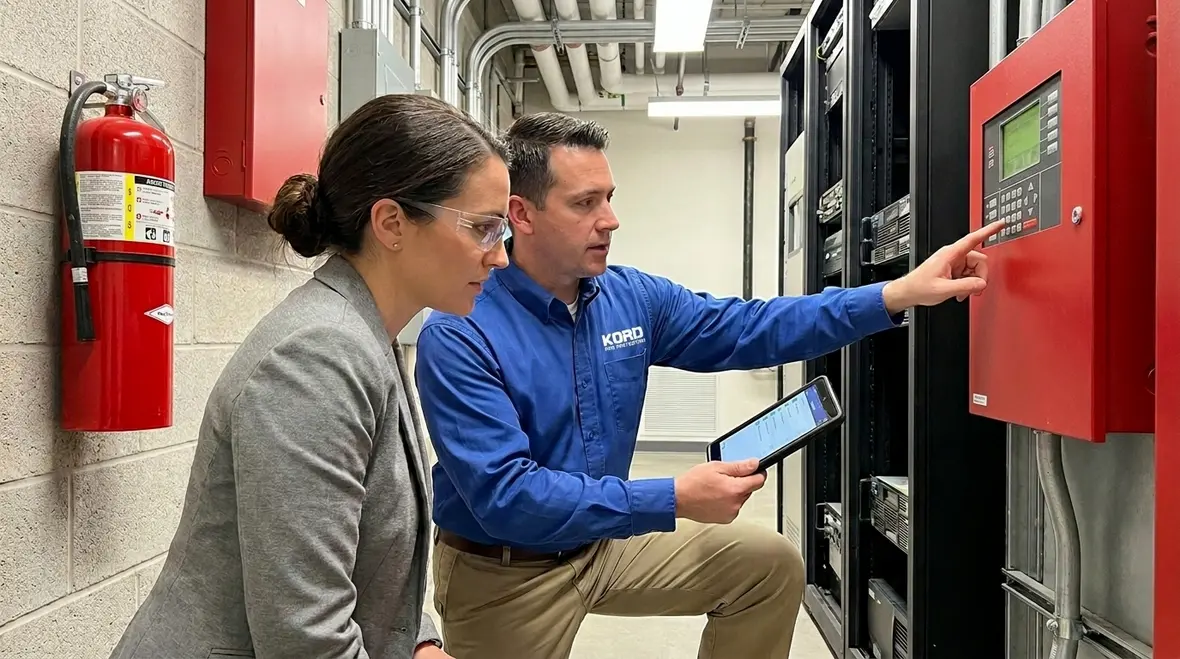
One reason many teams trust Kord Fire Protection technicians is that they do not hide behind complicated talk. They explain what they find, why it matters, and what a business should do next. During an audit, that matters because staff often do not know the difference between a minor defect and a safety gap.
For example, a technician might show how a small obstruction near a sprinkler head can change water delivery. Or they may explain how an alarm trouble signal can delay response, even when no one “thinks it is serious.” Then they help the business understand priorities so it fixes what affects safety first.
In short, the technicians connect compliance to operations. That way, teams act with confidence rather than guessing, and the audit stops being a paperwork exercise. That practical clarity is especially helpful in buildings with shared responsibilities, where owners and occupants need to know who handles what. For a related read, Kord Fire breaks that down in Fire Code Compliance Multi Tenant Responsibilities.

Spotting common gaps before they turn into incidents
Audits typically uncover issues that look harmless until the day they matter. Common gaps include missing documentation, outdated inspection records, obstructed protection equipment, mismatched labeling, or parts that were replaced but never verified.
Teams also run into workflow problems. Changes to storage areas, renovations, or new equipment can alter how fire protection systems work. For instance, relocating racks may block sprinkler coverage or affect clear exit paths. Meanwhile, electrical panels and control areas sometimes get cluttered during routine maintenance.
Therefore, routine audits help businesses keep pace with change. They ensure that every time the building changes, the fire protection plan updates too. And as pop culture would say, it is better to fix the plot hole now than watch the episode end with chaos.
Common audit findings worth fixing early
- Blocked or partially obstructed sprinkler heads
- Expired or incomplete inspection records
- Extinguishers that are inaccessible or poorly placed
- Exit routes narrowed by storage creep
- Alarm and suppression components changed without follow-up verification
- Unclear internal ownership for corrective actions
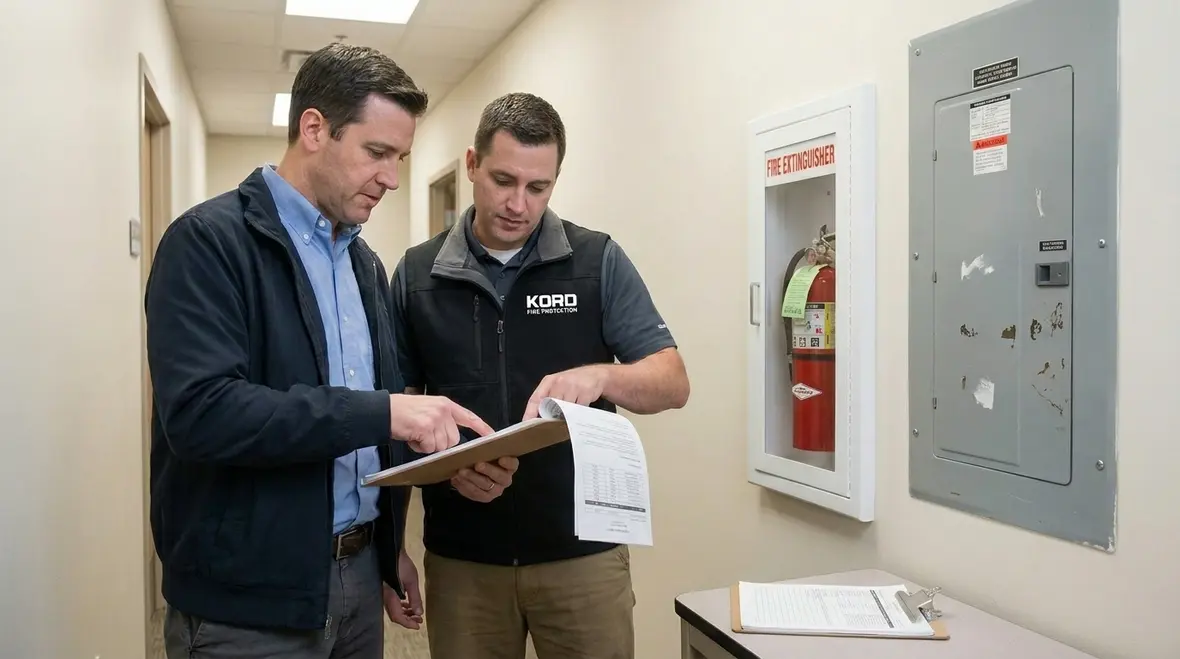
Staying compliant and reducing downtime
When a business builds a reliable audit rhythm, it reduces operational interruptions. That includes less downtime from emergency fixes and fewer disruptions during surprise inspections. Compliance becomes a living process rather than a scramble.
In many organizations, fire protection systems involve multiple parties such as facilities staff, maintenance crews, and vendors. A structured audit process helps those teams coordinate. It clarifies responsibilities, sets timelines, and creates a clear path from findings to corrections.
Additionally, stronger records can reduce friction with insurers and authorities. When documentation is accurate and current, the business can respond faster and with less stress. And yes, it also prevents that special moment where someone looks at a binder and says, “Uh, who owns this checklist?”
Turning audit findings into a real action plan
An audit only helps if it leads to action. Good programs convert findings into tasks with owners, deadlines, and proof of completion. Kord Fire Protection technicians often guide teams through prioritization so critical items get handled first.
Typically, businesses track findings in a simple system such as a work order queue. They assign each item to a responsible party, schedule the repair or service, then document what changed. After corrections, the business should verify that the system works as intended.
Furthermore, recurring issues should trigger process updates. If the same deficiency shows up twice, the cause might be training gaps, vendor communication failures, or unclear internal procedures. Audits then become more than compliance. They become a quality system that improves how the business runs.
What a usable action plan usually includes
- A clear list of deficiencies and observations
- Priority levels based on life safety and operational impact
- An assigned owner for each corrective action
- Target completion dates that reflect actual risk
- Verification steps after service or repair
- Updated documentation for future reviews
Frequently asked questions
Why audits become a long term safety advantage
Regular fire protection reviews help a business stay ready, not just compliant on paper. They reduce long term operational risk by catching drift, updating documentation, and guiding teams toward fixes that work. When Kord Fire Protection technicians explain what matters and why, companies take action faster and with less confusion.
If a business wants steadier operations, fewer emergencies, and a stronger safety culture, now is the time to schedule a review. For broader support, explore Kord Fire’s full fire protection services and contact Kord to set up your next fire protection compliance audits and start building confidence that lasts.

Join Our Newsletter!
Get the latest fire safety tips delivered straight to your inbox From our Newsletter.