Water Mist Systems That Stop Fire Without Flooding
Water Mist Systems: How Water Mist Puts Out Fire Without Flooding the Space
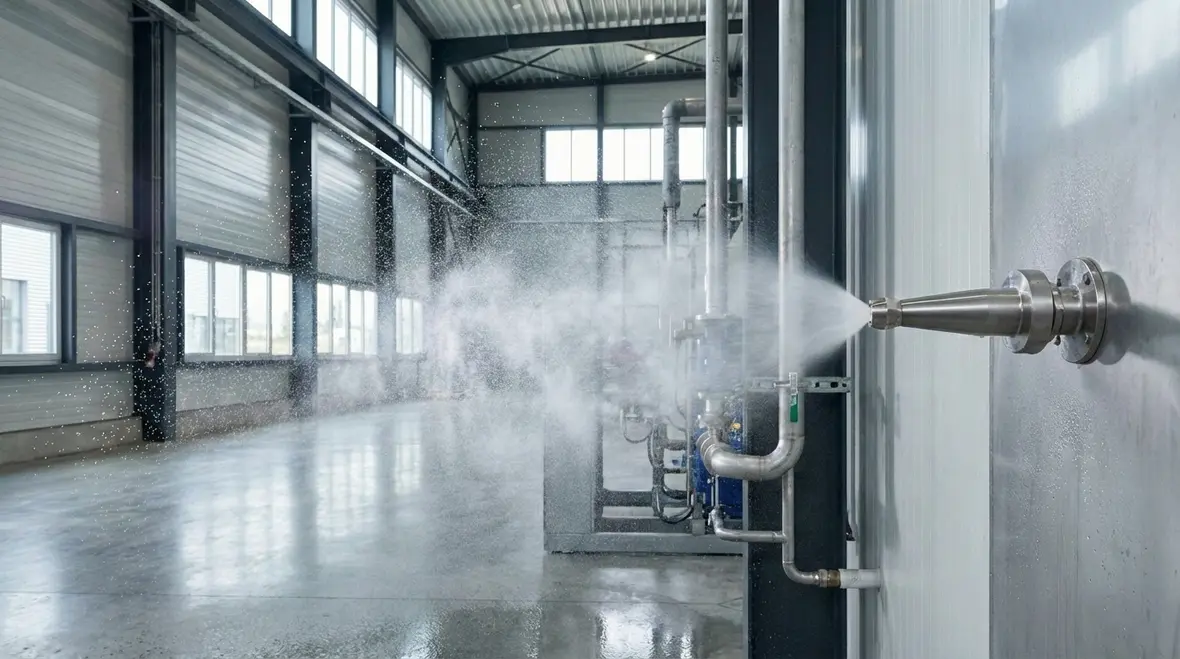
In a world where a single spark can turn into tomorrow’s headline, our water mist systems stand as quiet guardians. They do not roar. They do not drown a room in gallons of water. Instead, they release a fine mist that cools flames, displaces oxygen, and controls fire with precision. As Kord Fire Protection technicians often explain to clients, it is less like turning on a fire hose and more like deploying a carefully engineered weather system indoors. Think gentle storm, not hurricane. And yes, that difference matters when computers, machinery, or priceless interiors are on the line.
So how exactly does a cloud of microscopic droplets outperform the dramatic flood scenes seen in action movies? Let us take a closer look.
The Science Behind Water Mist Systems
At first glance, water is water. It looks simple. However, when it comes to fire suppression, size changes everything. Traditional sprinklers release large droplets that soak a space. By contrast, advanced mist based fire suppression technology produces droplets so small they measure in microns.
Because these droplets are tiny, they behave differently. First, they absorb heat faster. Fire feeds on heat, oxygen, and fuel. Remove one, and the fire weakens. Remove two, and it struggles. Remove all three, and it gives up. Water mist attacks two of these elements at once.
As the droplets meet the flame, they rapidly convert to steam. This process absorbs a significant amount of heat energy. Meanwhile, the steam expands and displaces oxygen around the fire. Consequently, the flame loses both temperature and breathable air. It is like taking away both the fire’s coffee and its Wi Fi. Eventually, it simply cannot function.
Kord Fire Protection technicians often slow the explanation down for clients. They describe it as a cooling blanket that moves quickly and evenly through a space. Instead of flooding the floor, it targets the fire itself.
Mist vs. Traditional Sprinkler Droplets
In traditional systems, larger droplets fall quickly and concentrate on horizontal surfaces. Mist droplets stay suspended longer, surrounding hot gases and flame fronts. That floating “cloud” of mist is what makes these systems so effective in complex spaces and around equipment with many vertical surfaces.
How Water Mist Puts Out Fire Without Flooding the Space
Here is where things get interesting. Traditional sprinklers rely on volume. They overwhelm the area with water. While that approach controls fire, it often leaves behind a secondary disaster. Carpets warp. Electronics fail. Documents dissolve into sad confetti.
Water mist systems operate on efficiency rather than force. Because the droplets are so fine, they create a larger surface area relative to their size. Therefore, they absorb heat more effectively than larger drops ever could. Less water achieves more cooling.
Additionally, the mist remains suspended in the air longer. This allows it to interact directly with the flame and hot gases. Instead of rushing to the floor, it lingers where the fire lives. As a result, the total water used can be up to 90 percent less than conventional sprinklers, depending on the design.
Kord Fire Protection technicians often reassure facility managers with a simple comparison. If a sprinkler system is a bucket thrown at a campfire, then a mist system is a carefully aimed pressure sprayer that handles the problem without soaking the campsite. Smokey Bear would approve.
Controlling Fire While Protecting What’s Inside
Because these systems release less total water, building owners worry less about replacing flooring, drywall, or equipment after a discharge. In many cases, it is possible to clean, dry, and restart operations far faster than after a traditional sprinkler event.
Why Modern Facilities Prefer Precision Over Volume
Today’s buildings are not just walls and ceilings. They house data centers, medical equipment, industrial controls, and art collections. Consequently, the cost of water damage can exceed the cost of the fire itself.
For example, in data driven environments, even a small amount of excess water can shut down operations for days. Therefore, engineers and safety managers look for suppression methods that balance fire control with asset protection.
Key Advantages of Water Mist Systems
- Reduced Water Damage – Because they use less water, cleanup is faster and less expensive.
- Faster Heat Absorption – Fine droplets remove heat quickly, limiting structural damage.
- Improved Visibility During Activation – Although some steam forms, visibility often remains better than with dense sprinkler discharge, which supports safer evacuation.
- Environmentally Responsible Operation – They use plain water. No chemicals. No complicated storage of agents that require special handling.
As a result, architects and engineers increasingly consider mist technology during the early design stages of projects. It fits well in heritage buildings, marine environments, healthcare facilities, and high tech spaces. In other words, places where flooding the room would be the wrong kind of dramatic.
If you are comparing mist against other modern systems, Kord Fire’s guide on Halon fire suppression rules and updates for 2026 is a useful read, especially when you are weighing clean agents and water based solutions side by side.
Where Do Water Mist Systems Work Best
Some clients ask a simple question. Can this really handle serious fire risks? The short answer is yes, when properly engineered.
However, not every environment is the same. That is why Kord Fire Protection technicians evaluate fuel type, ceiling height, ventilation, and occupancy before recommending a solution. Because droplet size and nozzle placement matter, design is not guesswork. It is math, testing, and experience.
These systems perform exceptionally well in:
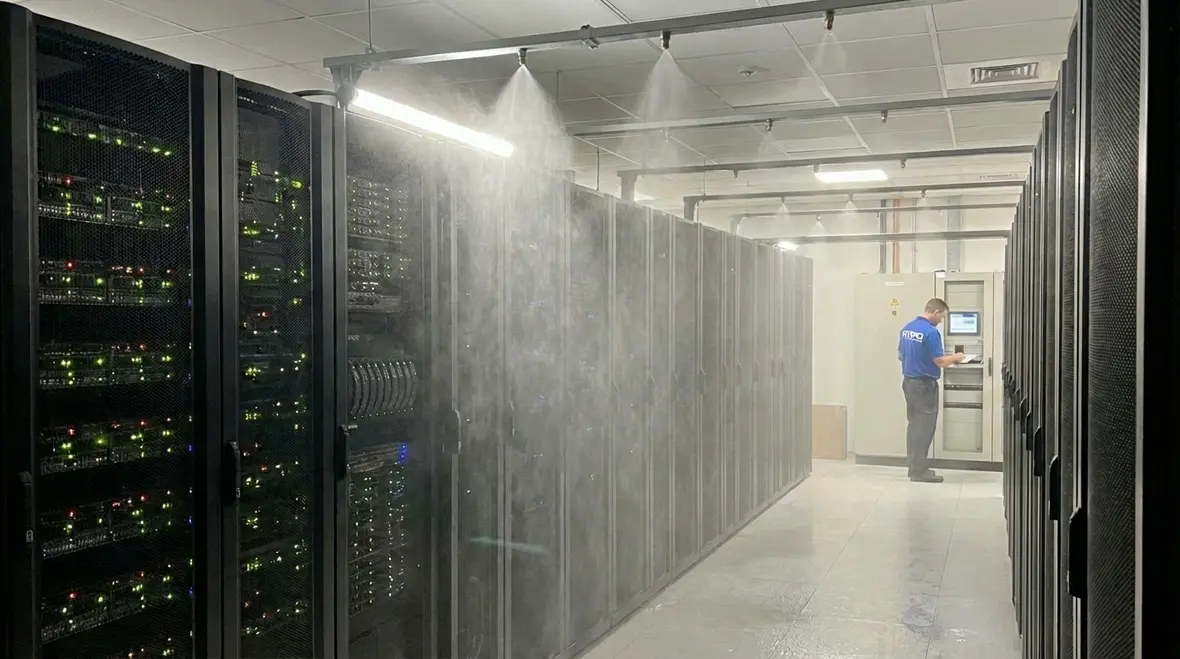
- Data Centers
They protect servers while minimizing downtime. - Hospitals
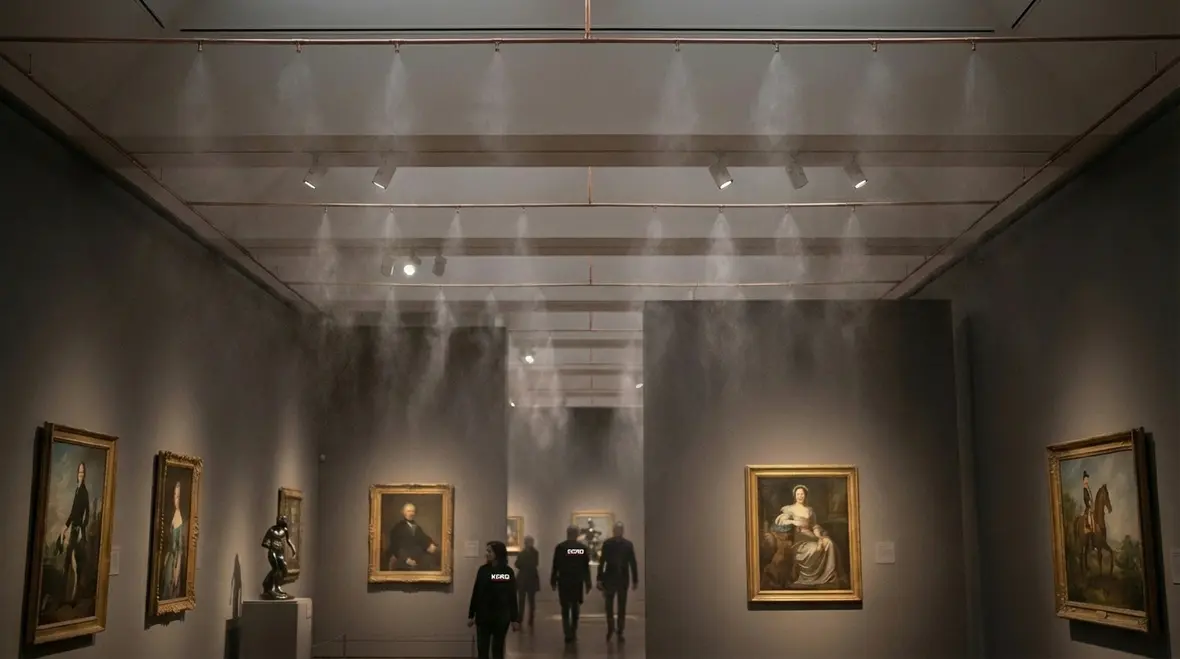
They limit disruption to sensitive medical equipment. - Museums and Archives
They safeguard irreplaceable items without drenching them. - Industrial Machinery Spaces
They cool and suppress fires around turbines and engines efficiently. - Marine and Offshore Platforms
They leverage readily available water supplies while avoiding massive storage tanks.
Pairing Mist With a Full Fire Protection Strategy
Water mist is often just one element of a complete plan that might also include clean agent systems, kitchen suppression, or traditional sprinklers in other areas. Kord Fire designs these pieces so they work together, not against each other.

What Happens During Activation
Picture this. A fire begins in a protected area. Heat rises. A detection system senses the change in temperature or smoke levels. Immediately, the control panel signals the pump or pressurized cylinder.
Within seconds, specialized nozzles release a high pressure mist. Because the droplets are microscopic, they disperse evenly across the hazard zone. As they contact heat, they transform into steam. Consequently, the temperature drops rapidly.
At the same time, the expanding steam reduces oxygen concentration around the flame. The fire weakens. Then it collapses. All of this occurs with a fraction of the water a traditional sprinkler system would discharge.
Kord Fire Protection technicians often remind clients that proper maintenance ensures this sequence works flawlessly. Regular inspections, pressure checks, and nozzle reviews keep the system ready. After all, fire protection should not rely on hope. It should rely on preparation.
Keeping Systems Ready for the Real Emergency
For a deeper dive into upkeep, Kord Fire’s article on water mist systems maintenance tips walks through inspections, testing, and common issues that building teams should watch for.
Side by Side Comparison
Below is a simplified comparison to clarify the differences.
Traditional Sprinklers
- Large water droplets
- High water volume discharge
- Greater risk of water damage
- Primarily cools by soaking
- Extensive cleanup required
Water Mist Systems
- Microscopic droplets
- Significantly reduced water usage
- Lower risk of secondary damage
- Cools and displaces oxygen
- Faster return to operations
Design, Standards, and Professional Guidance
No fire protection system should be installed without careful planning. In fact, international standards govern the design and testing of water based mist suppression technology. Engineers calculate droplet size, discharge density, and coverage area to match the hazard.
Because each building presents unique challenges, customization is essential. Ceiling height influences droplet travel. Airflow affects mist distribution. Fuel type determines the required cooling rate. Consequently, off the shelf thinking does not belong here.
Kord Fire Protection technicians take a consultative approach. First, they assess the site. Next, they review compliance requirements. Then, they design a system tailored to the risk. Throughout the process, they explain each step in plain language. Clients do not receive a lecture filled with jargon. They receive clarity. Sometimes, they even get a light joke about how this is one rain cloud you actually want indoors.
Common Questions About Water Mist Systems
Conclusion: A Smarter Way to Fight Fire
Fire does not announce its arrival. However, preparation speaks loudly in its presence. Water mist systems offer a refined, efficient, and modern approach to suppression that protects both people and property. With guidance from Kord Fire Protection technicians, facilities can choose protection that controls flames without creating a second disaster.
When safety matters and downtime costs real money, precision makes all the difference. Reach out today and let the right system stand watch over what matters most. To get started, explore Kord Fire’s dedicated Water Mist System Service page and request a quote for installation, testing, or maintenance tailored to your facility.
Know Your Weapon Before You Fight the Flame
Kord Fire Protection is your go-to when it comes to all things fire protection. For over 20 years, we’ve been serving Southern California with the quality service and equipment to keep your home or business safe at all times. Our competitive prices reflect our unwavering commitment to protecting what matters most in the event of a fire emergency. Give us a call, send an email, or use that form!

Join Our Newsletter!
Get the latest fire safety tips delivered straight to your inbox From our Newsletter.