Halon Fire Suppression Rules and Updates for 2026
Are Halon Fire Suppression Systems Still Legal in 2026 What Building Owners Need to Know
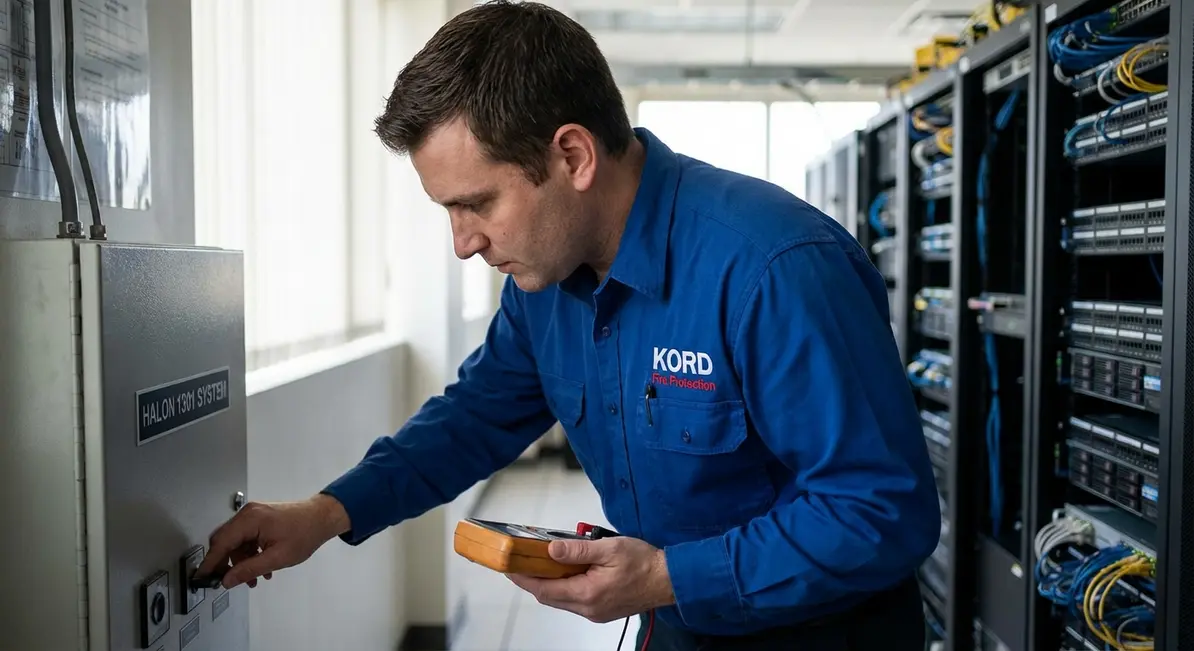
In the first few minutes of any serious fire safety talk, the subject always turns to what comes next. For many building owners, that means Halon fire suppression alternatives. Clean agents like FM 200, Novec 1230, inert gas blends, and modern water mist systems now sit front and center in new designs. They protect people, equipment, and the planet with far fewer tradeoffs. Still, Halon systems remain in place across data centers, aircraft hangars, and legacy facilities. So the big question hangs in the air like a dramatic pause in a movie trailer. Are they still legal in 2026 or are they living on borrowed time. According to Kord Fire Protection technicians, the answer requires nuance, context, and a calm walk through the codes. No panic. No doom music. Just facts.
Understanding the Legal Status of Halon Systems in 2026
Halon fire suppression systems remain legal to operate in the United States in 2026, but only under specific conditions. While new production of Halon stopped decades ago due to environmental concerns, existing systems can stay in service if they meet strict rules. In other words, Halon did not vanish. It simply stopped making new friends.
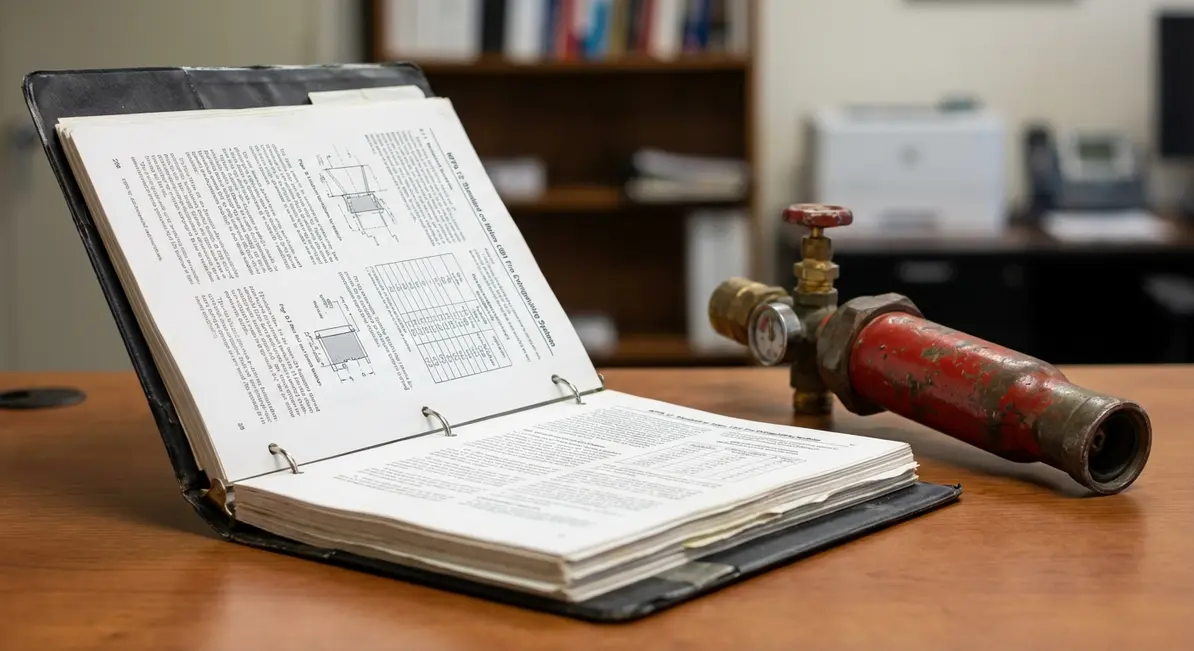
Because Halon harms the ozone layer, international agreements like the Montreal Protocol ended its manufacture. However, regulators understood that ripping out every existing system overnight would cause more harm than good. Therefore, authorities allowed continued use of recycled Halon for critical applications where alternatives may not yet fit.
That said, no code gives Halon a free pass. Building owners must maintain systems correctly, inspect them often, and document everything. According to Kord Fire Protection technicians, enforcement focuses less on age and more on condition, training, and compliance. Think of it like a classic car. You can drive it, but you better keep it tuned and road legal.
Why Building Owners Still Ask About Halon Today
Despite the rise of Halon fire suppression alternatives, Halon systems still appear in many essential spaces. Data rooms, military facilities, aviation support areas, and certain industrial sites rely on them because they work fast and leave no residue. That combination remains hard to beat.
At the same time, owners worry about liability, insurance, and future enforcement. They also hear rumors that Halon systems will suddenly become illegal. Fortunately, those rumors exaggerate reality. While regulators encourage replacement, they do not demand it in most cases.
Kord Fire Protection technicians often explain it this way. The law respects reality. If a system protects life and property and meets current standards, it earns the right to stay. Still, owners must plan ahead. Replacement costs money, but emergency replacement costs more. And nobody enjoys a surprise bill, unless they sell popcorn at the movies.

Applicable Codes and Standards That Govern Halon Systems
Every compliant Halon system lives under a web of codes and standards. These documents guide inspection, testing, and operation. More importantly, they protect building owners from guesswork.
NFPA 12A governs Halon 1301 systems. It outlines design, installation, inspection, and maintenance rules. Although no longer updated, it still applies to existing systems.
NFPA 70, also known as the National Electrical Code, ensures that wiring and power components meet safety requirements. Since Halon systems rely on detection and control panels, this code matters more than many owners realize.
NFPA 72 covers fire alarm and signaling systems. Detection devices, horns, strobes, and control interfaces fall under this standard.
NFPA 75 addresses fire protection for information technology equipment. Data centers with Halon systems often follow this standard closely.
When inspectors review a Halon system, they do not look at one code in isolation. Instead, they view the system as a whole. Kord Fire Protection technicians emphasize that compliance lives at the intersection of these standards, not in a single paragraph buried on page 300.
Service and Inspection Expectations Owners Cannot Ignore
Keeping a Halon system legal in 2026 means staying ahead of service requirements. Inspectors expect consistency, documentation, and trained personnel.
| Service Frequency | Key Activities |
| Semi annual | Inspection and service by KFP certified technicians |
| Weekly | Visual checks by on site personnel including pressure gauges and component condition |
Weekly visual inspections include checking the agent container pressure gauge and reviewing the general condition of electrical and mechanical components. These quick checks often catch small issues before they grow into expensive ones.
Semi annual inspections require trained professionals. Kord Fire Protection technicians review system health, verify performance, and document findings. Owners who skip these visits risk more than fines. They risk system failure when it matters most. And as any disaster movie fan knows, that is when the hero looks at the control panel and says something unprintable.
System Devices That Demand Regular Attention
A Halon system includes more than a tank and a pipe. Each device plays a role, and each demands care.
- Halon control panel
- Battery backup systems
- Detection devices
- Alarm bells
- Alarm and discharge horns
- Alarm and discharge strobes or beacons
- Manual discharge pull stations
- Agent storage containers
- Agent distribution piping and nozzles
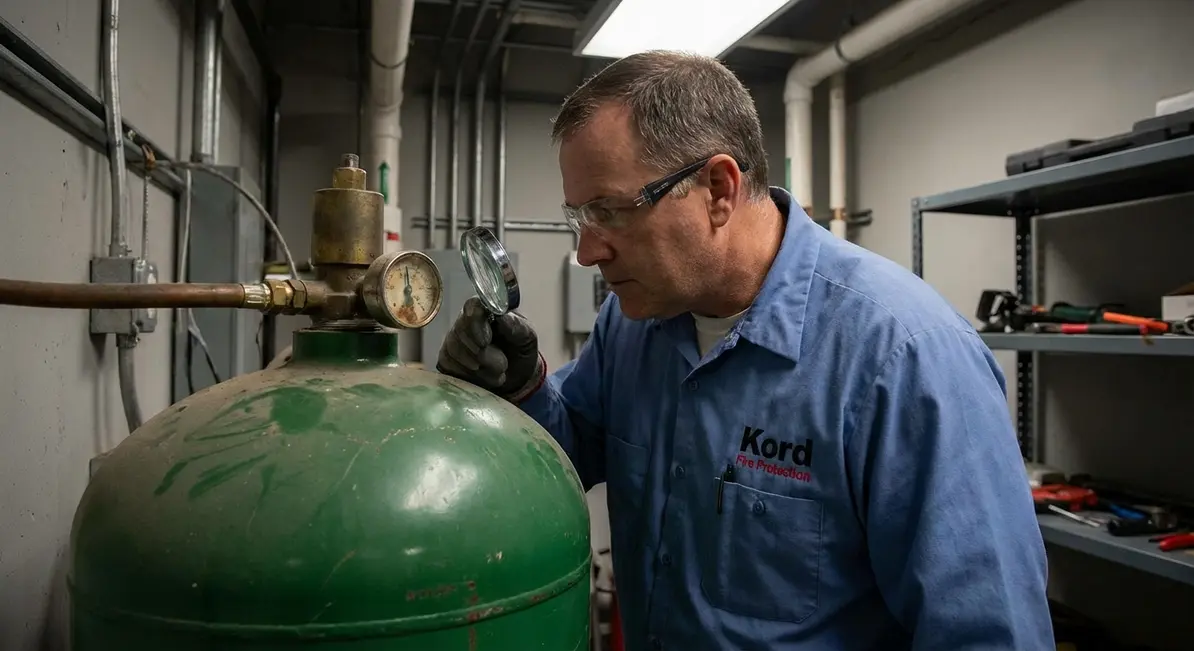
During inspections, technicians examine these components for electrical integrity, physical damage, and proper operation. According to Kord Fire Protection technicians, many failures come from neglected batteries or damaged wiring. These parts do not look exciting, but they quietly decide whether a system responds or stays silent.
Inspection and Testing Procedures Explained Simply
Inspection visits follow a clear flow. First, technicians check in with the facilities supervisor. Communication matters. Nobody likes surprises when alarms start sounding.
Next, technicians notify the monitoring station and building occupants before testing. This step avoids unnecessary panic and prevents false dispatches.
Technicians then inspect the system for electrical and mechanical integrity. They test devices, review wiring, and confirm proper operation. After testing, they restore the system to full operational status.
Finally, technicians submit a service report with findings and recommendations. This report becomes the system’s paper trail. Inspectors, insurers, and auditors rely on it. As Kord Fire Protection technicians often joke, paperwork may not stop fires, but missing paperwork can start arguments.
Annual and Semi Annual Service Tasks That Keep Systems Legal
Annual service focuses on function. Technicians individually test each smoke detector using approved methods. They also perform full system functional testing to confirm detection, signaling, and release logic.
Semi annual service focuses on condition and readiness. Tasks include verifying control panel indicators, testing batteries, inspecting wiring, and visually inspecting smoke detectors.
Technicians also test alarm bells and horns, verify manual pull and abort stations, and review auxiliary equipment shutdowns with written authorization only. They assess room integrity visually and verify agent container pressure, quantity, and piping condition.
Training rounds out the visit. Kord Fire Protection technicians provide system operation training as requested. Knowledge empowers staff. It also reduces mistakes. And mistakes tend to happen right before vacations. The universe has a sense of humor.
How Halon Fire Suppression Alternatives Fit Into Long Term Planning
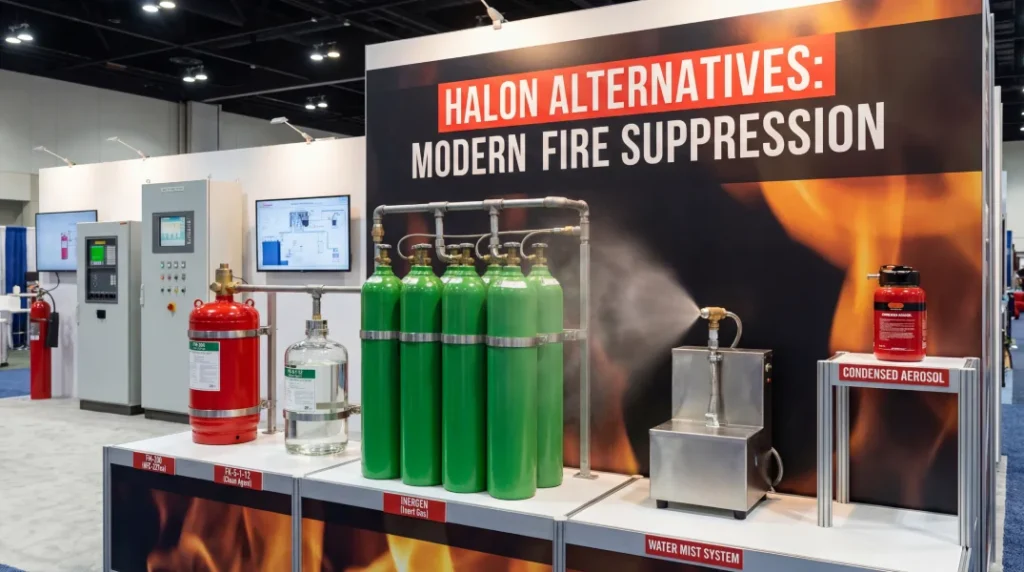
Even when Halon systems remain legal, many owners plan for change. Halon fire suppression alternatives offer environmental benefits, easier sourcing, and broader acceptance. Clean agents like Novec 1230 and inert gases meet modern expectations without ozone impact.
Transition planning does not mean panic replacement. Instead, owners evaluate system age, agent availability, and building use. According to Kord Fire Protection technicians, the smartest plans align replacement with renovations or equipment upgrades.
Alternatives also simplify compliance. New systems follow current codes from day one. They reduce long term risk and often lower insurance scrutiny. While Halon earned its reputation, the future favors solutions that protect both assets and atmosphere.
FAQ Quick Answers for Building Owners
Know Your Weapon Before You Fight the Flame
Halon systems still stand in 2026, but they stand on responsibility. Codes, inspections, and informed planning keep them legal and effective. Building owners who listen to experienced voices gain clarity and control.
Kord Fire Protection technicians bring calm guidance, practical insight, and a steady hand. For those considering inspections, compliance reviews, or a transition toward Halon fire suppression alternatives, now is the moment to act. A quiet system today prevents a loud problem tomorrow.
Join Our Newsletter!
Get the latest fire safety tips delivered straight to your inbox From our Newsletter.