Mist Sprinkler System and Water Mist Differences
Mist Sprinkler System: Is It a Real Category or a Misused Term?
When people search for our mist sprinkler system, they usually want one simple thing. They want better fire protection without the bulk of traditional sprinklers. However, somewhere between marketing language and technical standards, the phrase has become a bit foggy. Is a mist sprinkler system an official fire protection category, or is it a term that gets tossed around like confetti at a parade?
Kord Fire Protection technicians often find themselves explaining this very question to property owners, contractors, and facility managers. And as they calmly put it, with the patience of a seasoned professor, the answer is both simpler and more nuanced than most expect.
So let us clear the air. Slowly. Deliberately. And with just enough humor to keep everyone awake.

Understanding the Language of Fire Protection
To begin, fire protection systems fall into clearly defined categories under codes and standards. Traditional sprinklers follow established guidelines such as NFPA 13. Water mist systems follow NFPA 750. Those are official classifications. They are not marketing slogans. They are rule books.
However, the phrase mist sprinkler system does not appear as a standalone code category. That is where confusion begins. Many people use the term casually to describe any system that produces a finer spray pattern than a conventional sprinkler. Yet technically speaking, sprinklers and water mist systems operate under different design principles.
Kord Fire Protection technicians explain it this way. A traditional sprinkler releases larger water droplets designed to soak and control a fire through direct application and cooling. A true water mist system, on the other hand, produces ultra fine droplets that create a cooling and oxygen displacement effect. That difference is not cosmetic. It changes how the fire is suppressed.
Therefore, while the phrase sounds official, it often blends two separate technologies into one convenient label. It is a bit like calling every soda a Coke. Close enough for conversation. Not precise enough for engineering.
If you want a deeper dive into how standards separate these systems, Kord's guide on NFPA 750 water mist fire protection guidelines breaks down how mist systems are designed, installed, and maintained compared to traditional sprinklers.

What People Mean When They Say Mist Sprinkler System
Although the term lacks formal classification, it does reflect a real shift in demand. Property owners increasingly want systems that:
• Use less water
• Minimize property damage
• Offer cleaner suppression
• Fit compact or sensitive spaces
Because of that, the industry has seen a surge in hybrid descriptions. Some manufacturers design sprinklers that create smaller droplets than older models. Meanwhile, others promote water mist technology for residential, marine, and industrial spaces.
Consequently, when someone says mist sprinkler system, they usually mean one of three things:
1. A true engineered water mist system
2. A sprinkler with enhanced spray characteristics
3. A marketing term used loosely
Kord technicians often pause at this stage in conversations. Then they ask a clarifying question. What problem are you trying to solve? Because the label matters less than the performance requirement.
How Water Mist Technology Actually Works
Now we step into the science. And do not worry. No lab coat required.
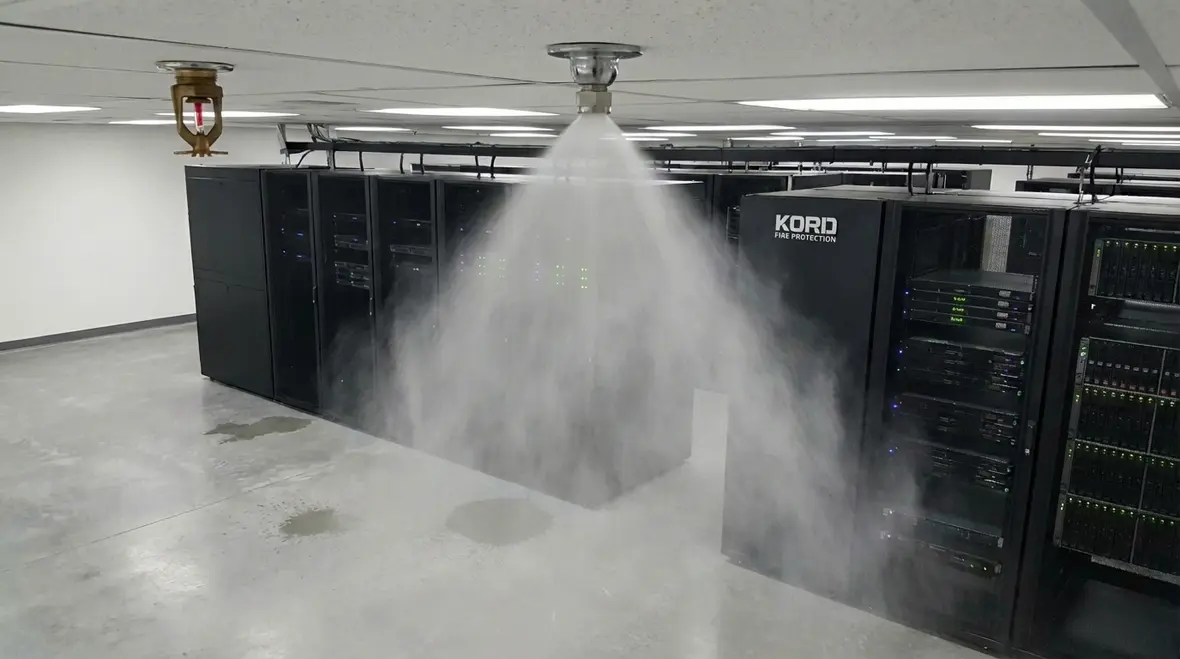
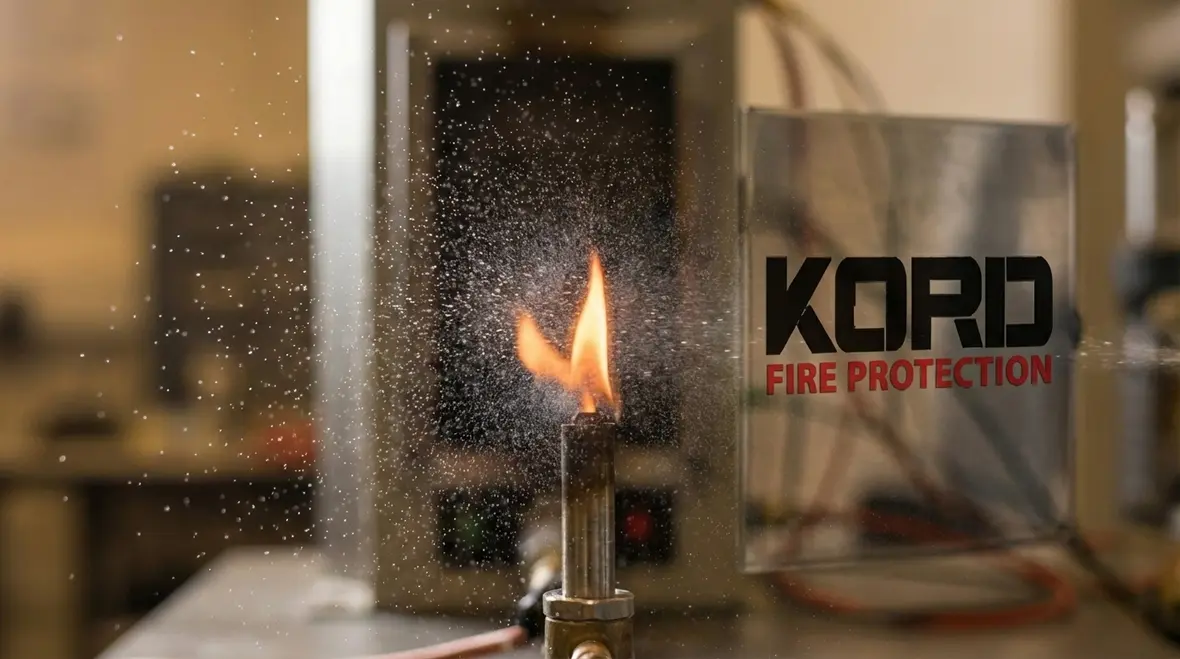
Water mist systems discharge very small droplets, typically less than 1000 microns in size. Because these droplets are so fine, they absorb heat rapidly. As a result, they convert to steam quickly. That steam expansion helps displace oxygen around the flame.
So instead of only soaking burning materials, the system attacks fire on multiple fronts. It cools. It smothers. It reduces radiant heat. That combination can control certain fires with significantly less water.
In contrast, standard sprinklers rely on larger droplets that penetrate flames and cool surfaces. They are highly effective and remain the backbone of commercial fire protection. However, they do use more water.
Kord Fire Protection technicians emphasize that neither system is universally superior. Each serves a purpose. For example, water mist systems often appear in:
• Data centers
• Museums
• Marine vessels
• Historic buildings
• High value equipment rooms
Meanwhile, traditional sprinklers dominate warehouses, offices, schools, and residential buildings.
Therefore, calling every fine spray device a mist sprinkler system oversimplifies the engineering behind it. And engineering, as any technician will tell you, does not appreciate oversimplification.
Is a Mist Sprinkler System a Recognized Code Category?
Here is the direct answer. No, it is not an official standalone category in major fire protection codes.
However, water mist systems absolutely are recognized and regulated. They require specific hydraulic calculations, nozzle spacing, pressure considerations, and testing protocols. They are not simply sprinklers with a different head attached.
This distinction matters for several reasons.
• Insurance approvals depend on correct classification
• Permitting requires code compliance
• Design calculations vary significantly
• Installation standards differ
Because of these factors, Kord technicians carefully evaluate project requirements before recommending any system. They do not rely on buzzwords. They rely on standards, data, and experience.
And yes, sometimes they gently explain that what someone calls a mist sprinkler system is actually a full water mist system requiring specialized pumps and piping. That conversation usually ends with clarity. And occasionally with a relieved laugh.
For owners managing multiple types of fire protection equipment, Kord's NFPA 25 overview of water-based system maintenance is a helpful complement, explaining how sprinklers, standpipes, and water mist all fit into one maintenance plan.
Side by Side Comparison for Better Understanding
Traditional Sprinkler
Water Droplet Size: Larger droplets
Water Usage: Higher volume
Primary Method: Surface cooling and flame penetration
Code Standard: NFPA 13
Common Locations: Commercial and residential buildings
Water Mist System
Water Droplet Size: Very fine droplets
Water Usage: Lower volume
Primary Method: Rapid cooling and oxygen displacement
Code Standard: NFPA 750
Common Locations: Specialized or high value environments
As shown above, the systems differ in design philosophy. Therefore, blending them under one casual phrase may create confusion during planning and budgeting.
Still, the popularity of the phrase mist sprinkler system reflects a broader trend. People want smarter suppression with less collateral damage. And that desire drives innovation.

Why the Term Persists in the Market
Language evolves faster than code books. That is simply reality.
Because water conservation and property protection have become major priorities, manufacturers and contractors often highlight fine spray performance. As a result, descriptive language enters sales conversations. Over time, those phrases stick.
Additionally, the word sprinkler feels familiar and safe. It reassures property owners who may feel unsure about newer technologies. So combining mist and sprinkler creates a bridge between old and new.
Kord Fire Protection technicians acknowledge this dynamic. However, they also guide clients toward precision. After all, in fire protection, details matter. A lot. One cannot simply improvise when flames are involved. This is not an action movie where someone grabs a garden hose and saves the day while delivering a clever one liner.
Instead, correct system selection requires:
• Hazard classification analysis
• Water supply evaluation
• Structural layout review
• Equipment sensitivity assessment
• Regulatory compliance verification
Only after those steps can a recommendation carry weight.
How to Choose the Right Fire Suppression Approach
When evaluating options, decision makers should focus on performance outcomes rather than trendy labels. For example, they might ask:
• Is water damage a primary concern?
• What type of materials are present?
• How critical is equipment uptime?
• What do local codes permit?
• What are the long term maintenance needs?
By answering those questions, the path becomes clearer.
In some cases, a traditional sprinkler system offers unmatched reliability and cost effectiveness. In others, a true water mist solution provides targeted protection with minimal water usage. And occasionally, hybrid approaches combine multiple technologies within one facility.
Kord technicians take a consultative approach. They do not rush decisions. Instead, they walk clients through tradeoffs, cost implications, and compliance issues. Because when safety is on the line, clarity is not optional.
Therefore, while the phrase mist sprinkler system may continue circulating in conversation, informed decisions rely on understanding the underlying technology.
Common Misconceptions That Deserve Retirement
Several myths surround this topic. Let us gently retire a few.
Myth 1: Mist systems use almost no water.
Reality: They use less water, not magic vapor. Adequate supply and pressure remain essential.
Myth 2: Fine spray automatically means better protection.
Reality: Effectiveness depends on hazard type and system design.
Myth 3: Installation is always cheaper.
Reality: Specialized pumps and components can increase upfront costs.
Myth 4: Any sprinkler head that sprays lightly qualifies as mist.
Reality: True water mist systems meet defined droplet and testing standards.
Because of these misconceptions, professional guidance becomes invaluable. And yes, this is the part where seasoned technicians quietly save the day, without capes but with code books.
FAQ: Quick Answers About Mist and Sprinkler Systems
Final Thoughts and Next Steps
The term mist sprinkler system may not stand as a formal category, yet it reflects a real desire for efficient, modern fire protection. However, proper classification ensures safety, compliance, and performance. Kord Fire Protection technicians stand ready to clarify options, evaluate hazards, and design systems that match exact needs.
If you are considering a true mist-based solution, explore Kord's dedicated water mist systems and UL 300 restaurant suppression services or their broader fire protection design and maintenance offerings. When protection matters, precision matters more. Contact Kord today and let experienced professionals guide the decision with confidence and clarity.
Know Your Weapon Before You Fight the Flame
Kord Fire Protection is your go-to when it comes to all things fire protection. For over 20 years, we’ve been serving Southern California with the quality service and equipment to keep your home or business safe at all times. Our competitive prices reflect our unwavering commitment to protecting what matters most in the event of a fire emergency. Give us a call, send an email, or use that form!

Join Our Newsletter!
Get the latest fire safety tips delivered straight to your inbox From our Newsletter.