Suppression Panel Trouble Signal Guide With Kord Fire Protection
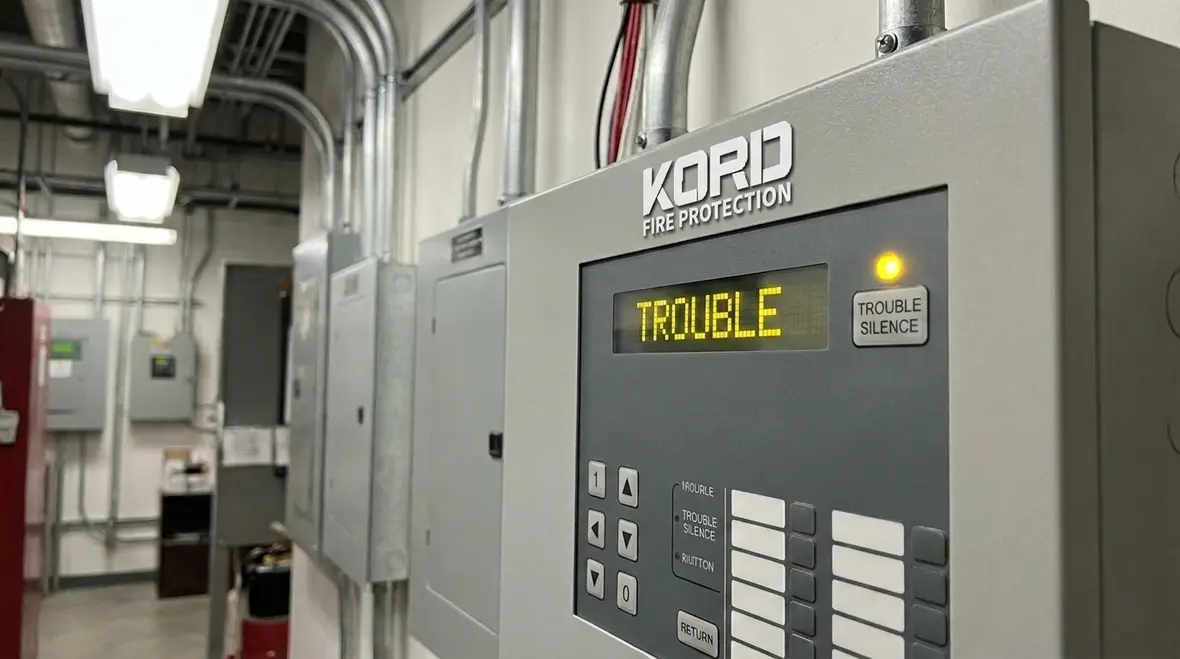
Suppression panel trouble signal lights up when a system needs attention, and it does not care whether it shows up during a busy shift, a quiet night, or right when someone forgets where the coffee is. In fire protection control rooms, that signal acts like an early warning. It can point to a device that failed to report, a wiring issue that is growing worse, or a control panel that cannot confirm a safe state. Meanwhile, teams often treat it like a nuisance until the next test. However, the smartest operators treat the suppression panel trouble signal as a lead, then act with calm speed. And when confusion, delays, or patchy documentation show up, Kord Fire Protection can become a vital partner for trouble response and dependable service.
That calm, methodical response matters because trouble signals rarely arrive with a neat little label that says, “Here is the exact failed part, have a nice day.” Instead, they usually appear as clues. Sometimes the panel is warning about a monitored circuit that drifted out of range. Sometimes it is reacting to a low battery, a communication interruption, or a device that changed status after maintenance. Either way, the message is the same: something in the suppression system no longer looks normal, and normal is exactly what life safety equipment is supposed to be.
For facilities that need broader life safety coordination, Kord Fire Protection also covers how connected systems should work together in Fire Suppression System Integration for Life Safety. That bigger picture helps explain why even a single trouble condition deserves serious attention instead of a shrug and a reset.
When the suppression panel trouble signal shows up, what it usually means
A suppression panel trouble signal typically means the panel detected a fault condition but did not reach a full alarm state. In other words, the system believes something is wrong with supervision, monitoring, or communications. For example, the trouble may relate to low air pressure, tamper detection, loss of power to a module, or a supervised circuit that no longer meets expected readings. Additionally, the panel may log an event that helps narrow the cause, which is why trained technicians should review history rather than guess.
To keep it simple, imagine the panel as a careful dispatcher. It is not calling “fire,” but it is sending a note that says, “Something is off at the station.” If the team ignores that message, the system can lose its confidence in readiness. And when readiness drops, emergency response becomes harder than it should be.
Trouble is not the same as alarm, but it still matters
That difference trips people up more often than anyone likes to admit. An alarm means the system believes an emergency condition exists. A trouble signal means the panel has doubts about the health or supervision of part of the system. Those doubts are not dramatic, but they are important. Fire protection is built on confidence that devices can communicate, circuits remain intact, and releasing functions will operate when commanded. The second the panel stops trusting one of those assumptions, the trouble indicator comes on like the least patient coworker in the room.
Common trouble indicators inside fire suppression control panels
Control panels for suppression systems watch a lot of inputs. Therefore, trouble signals can come from many places. The most frequent trouble indicators include notification circuit faults, trouble relays stuck in the wrong state, and supervision faults on initiating devices. Furthermore, power and grounding problems can create intermittent symptoms, which means the trouble might appear, clear, and then return when nobody is watching.
Here are other typical examples that crews see during routine checks:
- Supervisory wiring faults such as opens, shorts, or high resistance on monitored loops
- Device communication issues when modules stop reporting to the panel
- Power supply problems including low battery conditions or charger failures
- Incorrect or altered device status after repairs, renovations, or a tech swap
Each indicator has its own path to resolution. So, technicians should follow panel logs and circuit mapping rather than chase random parts like it is a game of “guess the wire.”
Intermittent faults are often the most annoying
A steady trouble condition is frustrating, but at least it stays put long enough to investigate. Intermittent faults are sneakier. They may show up only when temperatures change, when vibration affects a loose connection, or when a weak power supply dips under load. That is why event history, timestamps, and stable documentation matter so much. Without them, the technician ends up chasing a ghost that somehow never appears while everyone is standing in front of the panel.
How technicians trace trouble without guessing games
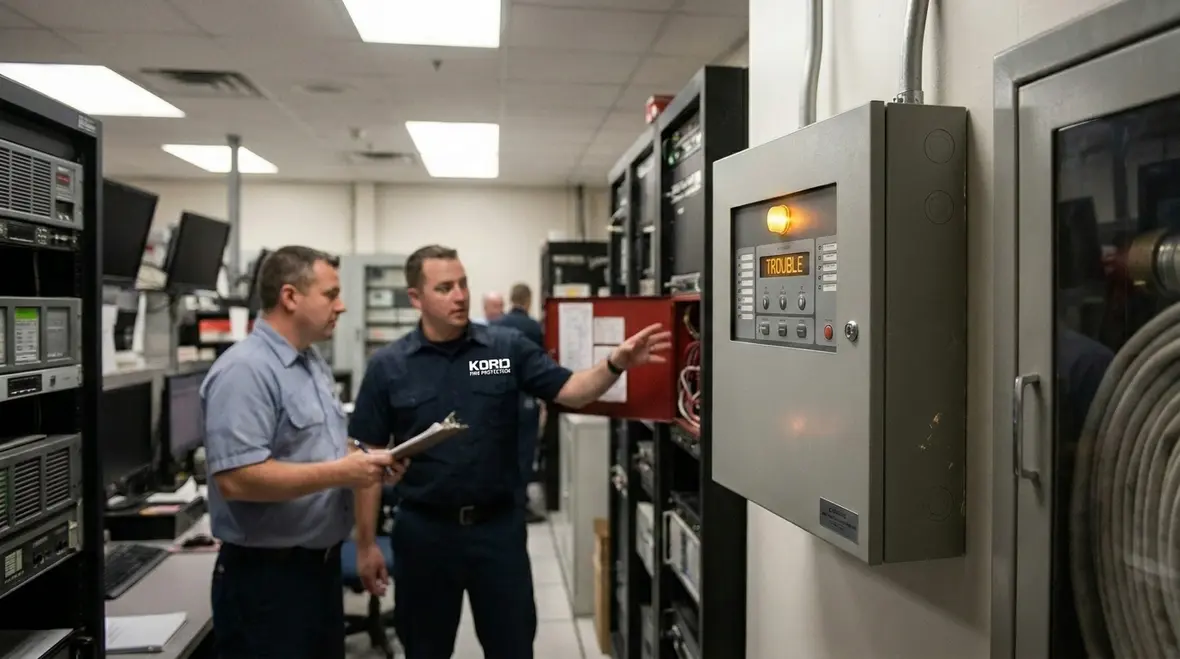
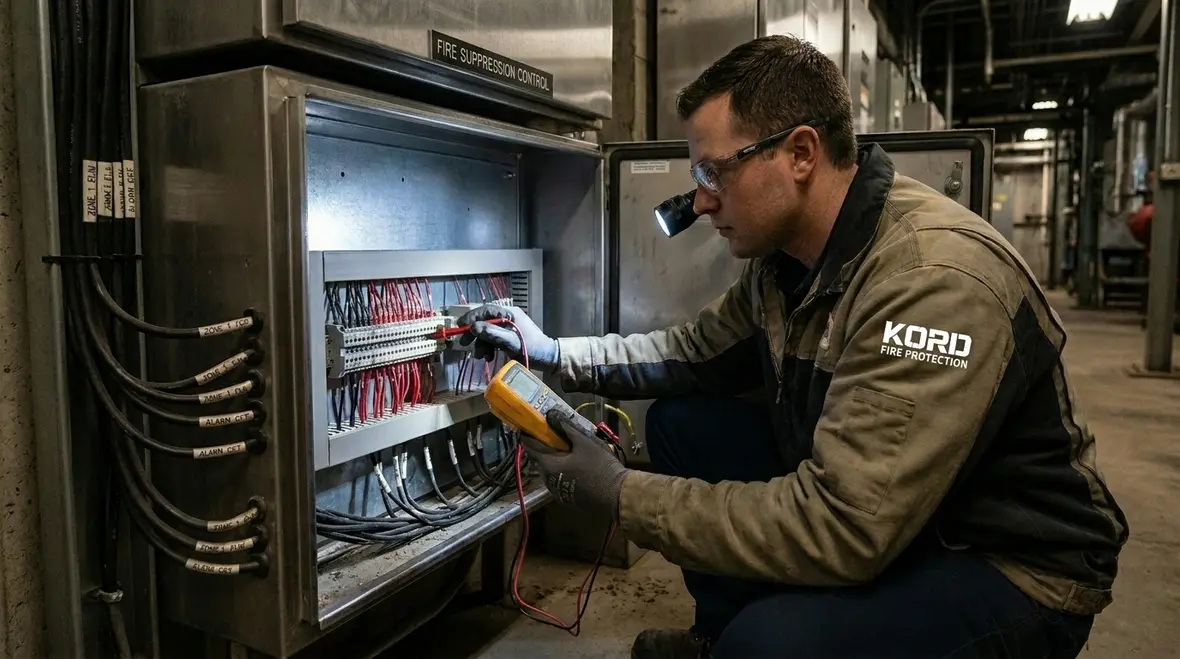
Trouble response works best when it follows a sequence. First, the technician confirms the exact trouble type and checks the panel history. Next, they compare current readings to expected values from the system documentation. Then, they inspect the affected devices, verify connections, and test circuits in a controlled way.
Additionally, effective troubleshooting accounts for human reality. Someone might have replaced a component using a similar part number. Someone might have bypassed a device temporarily and forgotten to restore it. Or a contractor might have moved junctions during a remodel. Even when nobody intends harm, those changes can trigger the suppression panel trouble signal or related supervision faults.
For a calmer process, good service teams also label circuits and update record drawings. That way, the next time trouble appears, the team can move faster. And speed matters, because a small fault can become a bigger one if it stays hidden.
A practical troubleshooting flow that saves time
- Read the exact panel message instead of relying on memory.
- Review event history to see whether the trouble is new, repeating, or tied to certain times.
- Check drawings, labels, and device mapping before opening random enclosures.
- Inspect the listed circuit, module, or power source in a controlled order.
- Test, verify, document, and only then clear the condition.
None of that sounds glamorous, but neither does spending three extra hours because somebody guessed wrong in minute two. Order beats improvisation almost every time in life safety work.
Why ignored trouble signals can turn into readiness problems
When a fire suppression control panel reports trouble, readiness gets questioned. Even if no discharge happens, a fault can prevent the system from acting correctly during an emergency. For instance, the panel might not receive supervision from an initiating device, or it might lose reliable communication with a module that controls key functions. If the system cannot confirm monitored conditions, it cannot demonstrate the reliability a fire safety plan depends on.
Moreover, delays create compounding risk. A trouble condition that appears once can become more frequent. Intermittent wiring can worsen under temperature swings. A battery that “almost passes” can fail during a real event. And meanwhile, facility leaders start asking the uncomfortable question, “How long has this been wrong?”
So, it is not overreacting to respond quickly. It is smart risk management. After all, fire protection systems work best when they are trusted, not tolerated.

How Kord Fire Protection supports trouble response and prevention
Kord Fire Protection can become a vital partner when the suppression control panel trouble signal appears and the facility needs more than a quick reset. A strong partner supports three phases: rapid diagnosis, corrective action, and prevention planning. That means their service approach aims to restore supervision, verify system function, and document what changed so the same issue does not return as a “surprise” on the next inspection.
In addition, Kord Fire Protection helps teams avoid the common trap of clearing trouble without fixing the cause. A panel can clear a warning after a temporary condition improves. However, the underlying fault may still exist in wiring, connections, or power stability. Therefore, dependable service focuses on root cause, not just the disappearance of the message.
That approach lines up well with Kord Fire Protection’s broader guidance on connected systems, including Industrial Fire Suppression Integration Tips for Safer Buildings and Commercial Fire Alarm Integration for Safe Building Automation. When suppression, alarm, and monitoring work like a team instead of distant relatives at a reunion, troubleshooting gets faster and system confidence gets stronger.
And yes, that last part matters. Paperwork may not fight fires, but it absolutely helps the right people move faster when it counts.
Prevent trouble signals through inspection, testing, and clean records
Prevention starts with a schedule and ends with accuracy. Teams should conduct routine inspections and testing that follow the system design, plus any local requirements. During those visits, they must verify that supervisory circuits remain stable and that devices show expected status. They should also check connections for looseness, corrosion, or physical damage that can trigger trouble over time.
Then, they should keep records that make sense to the next technician. When the panel sends a suppression supervision fault or a related monitoring alert, clear documentation supports faster diagnosis. Additionally, staff should train on what the panel displays so they know whether the system indicates trouble, alarm, or a supervisory condition that affects readiness.
Finally, teams should treat changes in the facility like potential system triggers. Construction, electrical work, or equipment relocation can disturb monitored wiring. Therefore, coordinating with Kord Fire Protection or another qualified service team during changes reduces the chance of repeat trouble signals.
Good records make future troubleshooting less painful
This is the part people skip until they desperately wish they had not skipped it. Clean records mean updated labels, corrected drawings, clear service notes, and accurate device locations. They reduce repeat visits, shorten downtime, and spare everyone the classic moment where three people stand around the panel saying, “I thought that module went to the other room.”
FAQ: suppression panel trouble signal and related issues
Conclusion: take control now with Kord Fire Protection
When a suppression panel trouble signal appears, a facility should not treat it like background noise. It signals a readiness concern that deserves clear diagnosis and documented correction. Kord Fire Protection helps teams respond fast, fix the real cause, and reduce repeat trouble events with reliable service and preventive support.
If your panel logs keep changing, or you are unsure what the events mean, contact Kord Fire Protection and explore their Full Fire Protection Services to restore confidence in your fire suppression system and support long term readiness.

Join Our Newsletter!
Get the latest fire safety tips delivered straight to your inbox From our Newsletter.