Fire Alarm Tie In Testing for Suppression Coordination
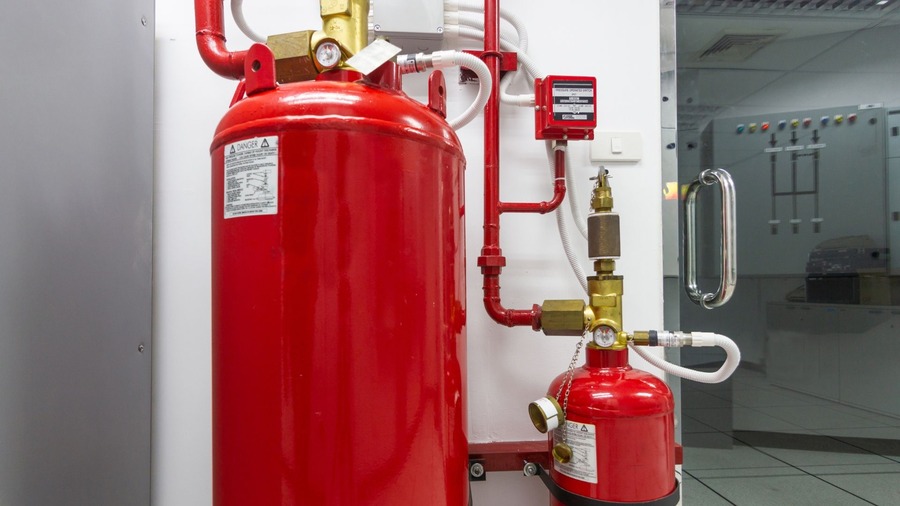
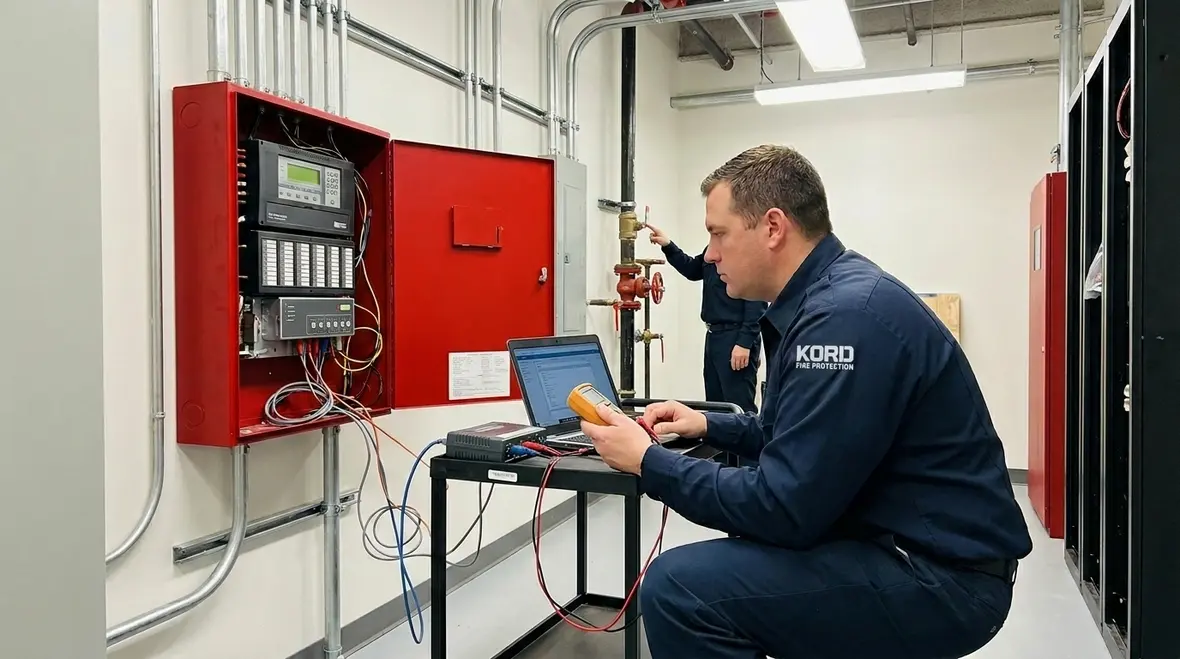
Fire alarm tie in testing is the step where a building’s fire alarm system proves it can do what it promises during an emergency. In many facilities, suppression systems like sprinklers, clean agent, or preaction setups must coordinate with alarm devices, control panels, and supervisory signals. That coordination does not happen by magic, no matter how confident the label on the cabinet looks. During fire alarm tie in testing, technicians verify that each alarm input triggers the right control output, that signals report correctly to the monitoring system, and that the suppression sequence behaves as intended. And while this work can feel routine, it still carries real safety impact. Kord Fire Protection can become a vital partner here by bringing skilled field testing, clear reporting, and a calm, methodical process that helps teams move from “we think it works” to “we know it works.”
What fire alarm tie in testing validates for suppression control
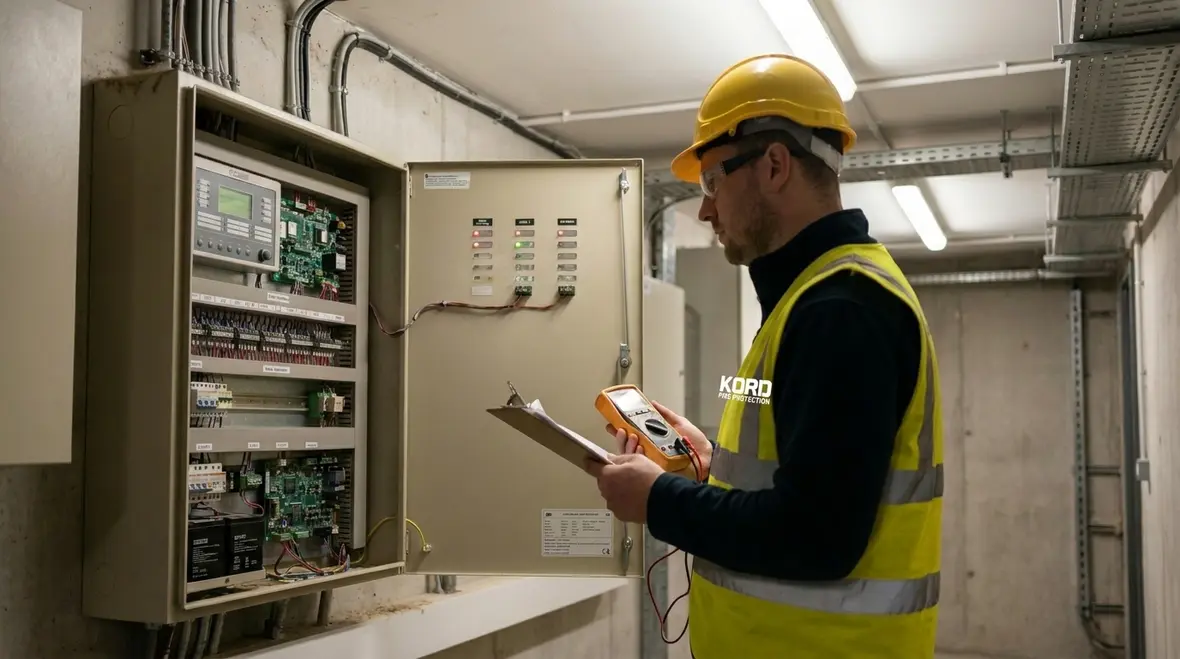
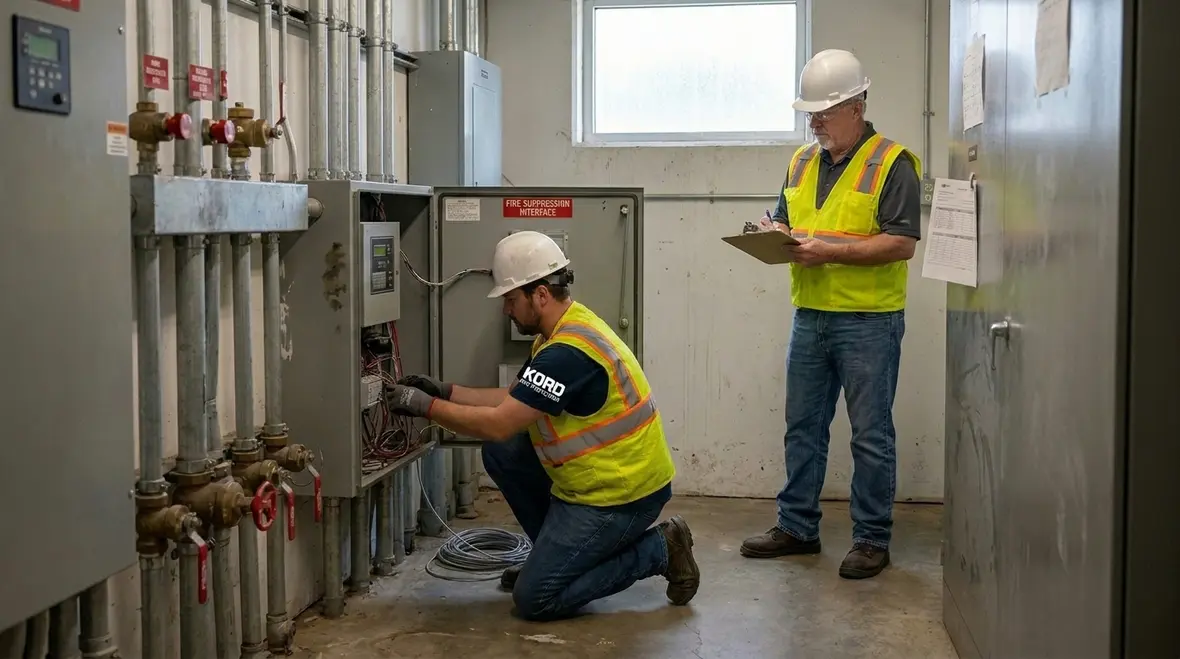
In a suppression system, every minute matters, so the goal of testing stays simple: confirm that alarms and suppression controls communicate correctly. First, technicians confirm that alarm signals reach the suppression interface, including zone or initiating device signals where required. Then they check supervisory status points, which often include tamper switches, valve position feedback, device trouble reporting, and airflow or pressure conditions depending on system type.
Next, the team validates the control logic. They verify the sequence that starts suppression and the sequence that stops it, if your design requires staged actions. For example, the fire alarm system should not only activate local outputs, it should also send supervisory alerts so operators and monitoring services understand what happened. If the project includes releasing controls for clean agent or releasing panels, the testing ensures the right release stage happens only under the defined alarm conditions.
Because real-world installations vary, Kord Fire Protection typically supports this work with a field-ready plan. They confirm the system drawings, test points, and wiring paths before any activation. That way, the job moves quickly and avoids the classic “flip a switch and hope” method. Hope is great for movies, and terrible for compliance. If you want a deeper look at how coordinated systems behave in the field, Kord also covers related concepts in Fire Suppression System Integration for Life Safety. ([kordfire.com](https://kordfire.com/fire-suppression-system-integration-for-life-safety/?utm_source=openai))
Why validation matters before an emergency ever happens
A system can look perfectly normal right up until the moment someone needs it to respond. That is why tie in testing is less about appearances and more about proof. It confirms that the panel, the releasing interface, the supervisory devices, and the reporting path all behave as one coordinated safety system instead of a collection of expensive opinions.
How technicians plan tie in tests without disrupting operations
Before any testing begins, a solid plan reduces downtime and keeps occupants safe. First, the responsible team reviews the as-built documents, the control panel layout, and the intended input to output mapping. Then they identify any devices that require isolation and determine how the facility will handle temporary supervisory states.
Next, they coordinate test windows and notify the right parties. That typically includes building management, fire watch when needed, alarm monitoring, and any teams that manage access to equipment rooms. After that, they set up documentation templates so the crew records results in the same format every time. Consistent notes matter because the report needs to stand up later during inspections or when a system change comes around.
Finally, technicians perform controlled activations using approved test methods, often starting with end to end signal verification at the panel and only then moving toward suppression actions. For businesses, this approach helps avoid false alarms that can trigger unnecessary calls or evacuations. In addition, it supports cleaner trend tracking over time. Kord Fire Protection can help manage that whole process, since their role often includes both technical testing and clear communication that protects the schedule.
What a good test plan usually includes
- Reviewed drawings and current field conditions
- Confirmed test sequence and expected outputs
- Notification to monitoring and site stakeholders
- Isolation steps where permitted and necessary
- Reset and restoration procedure after each activation
- Uniform documentation for every tested point
Common tie in paths from alarm panels to suppression equipment
Fire alarm tie ins commonly include a handful of predictable paths, though the details vary by system type. Many projects use alarm panel outputs to energize suppression releasing circuits, which may include contact supervision. Others route suppression supervisory signals back to the fire alarm panel, so the panel can display trouble, supervisory, or alarm states.
Here are frequent examples technicians validate during fire alarm tie in testing work:
- Initiating device signals to the alarm control panel, then panel outputs to a suppression interface module
- Supervisory inputs from valve supervisory switches, tamper switches, or device position feedback
- Release or abort command pathways for systems that use timed release sequences
- Monitoring routes to central stations or building management systems through supervised communication
- Control panel annunciation mapping so display messages match the physical device that triggered
Because these paths can involve multiple control points, technicians test at each stage. They do not assume a wiring run is correct just because the terminal is the same. Instead, they verify continuity, polarity where needed, correct contact operation, and response timing. And yes, sometimes the “correct” mapping is wrong on paper, because someone changed equipment during a renovation and the documentation lagged behind. That is why testing stays the final truth teller.
Kord explores similar coordination issues in Commercial Fire Alarm Integration for Safe Building Automation, where the focus stays on making sure connected systems support life safety instead of competing with it. ([kordfire.com](https://kordfire.com/commercial-fire-alarm-integration-for-safe-building-automation/?utm_source=openai))
Verification steps that reduce false trips and missed alarms
Systems can fail in quiet ways. For that reason, technicians follow a sequence that checks both control and reporting. First, they verify that alarm outputs operate under the right alarm conditions, not under trouble or test conditions. Then they confirm that suppression outputs respond as designed, including the correct stage activation and the correct time delays, if the system uses staged actions.
After that, technicians check reporting accuracy. They confirm the fire alarm panel displays the correct device location, the correct alarm type, and the correct supervisory messages. They also confirm that the monitoring system receives those signals in the correct format. If your facility uses a digital interface, the crew confirms the interface settings and that the mapping matches the receiver database.
Next, they restore devices to normal condition and verify normal supervisory status returns properly. That final step matters because some faults appear only after reset. Meanwhile, the job team should leave the equipment room tidy and locked, because fire safety is serious and nobody wants a loose cable playing hide and seek.
When Kord Fire Protection supports this service, it can bring a structured approach to documentation and system review. That means fewer surprises, less rework, and faster sign off. In short, the goal stays focused: prove that the system triggers correctly the first time, and continues to do so during future maintenance cycles. Related reading like Fire Suppression System Solenoid Testing and Checks also reinforces how small control components can create big problems when they are not verified properly. ([kordfire.com](https://kordfire.com/fire-suppression-system-solenoid-testing-and-checks/?utm_source=openai))
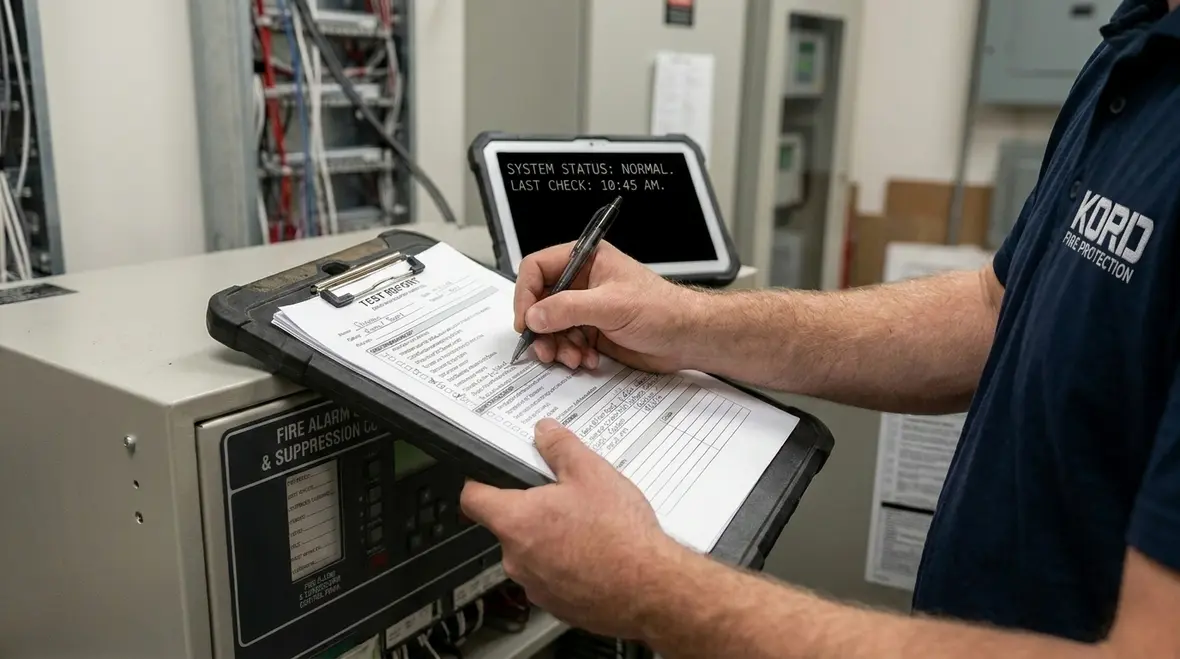
Checks that deserve extra attention
- Correct alarm condition versus trouble condition response
- Panel text and annunciation accuracy
- Timing logic on staged release systems
- Monitoring receipt and account mapping
- Successful reset and return to normal supervisory status
What compliance-ready documentation should include
Testing is only half the job. The other half is proof. A compliance-ready test package typically includes test scope, system type, project references, and the test results for each tie in point. Technicians should note the method used, the test dates, the names of the people performing the work, and the starting and ending conditions of the system.
Additionally, the documentation should identify every input and output point tested. It should include whether the response matched the sequence in the control diagrams, and it should capture any anomalies found, even if they were corrected on the spot. If any device needed adjustment, the report should document what changed and what retesting confirmed.
Where monitoring is part of the scope, reports should include proof of signal receipt or a record of how monitoring verified the event. That can include account identifiers, communication method, and receiver response notes. When operators can read the report and immediately understand what happened, the testing becomes easier to maintain.
Kord Fire Protection often helps teams keep this documentation clear and usable, so future service calls do not turn into detective work. Nobody wants to hunt through binders like it is an old crime drama.
How Kord Fire Protection supports fire alarm tie ins with real-world expertise
In many facilities, tie in work sits at the intersection of multiple trades, different vendors, and different timelines. So the biggest risk is not the wiring itself, it is misalignment between how the system was designed and how it actually operates. Kord Fire Protection can act as a vital partner by coordinating technical testing with practical communication and a safety-first workflow.
They can support site review, validate the control diagrams against the field, and test the interface points that connect fire alarm signals to suppression actions. Then they can produce documentation that helps facility teams meet inspection needs. Also, they can help plan future maintenance by showing recurring trends, response delays, and control points that often drift over time.
Put simply, Kord Fire Protection helps teams treat tie in testing as a continuous safety process instead of a one-time checkbox. And when safety gets treated like a routine, routine stays calm.
Facilities that want one provider across alarms, sprinklers, suppression, extinguishers, and ongoing compliance support can also review Kord’s Full Fire Protection Services page for a broader service overview and a practical next step. ([kordfire.com](https://kordfire.com/full-fire-protection-services/?utm_source=openai))
FAQ
Ready to verify your suppression coordination?
Fire alarm tie ins should work the first time, and they should stay reliable year after year. Kord Fire Protection helps facilities plan, test, and document suppression coordination with a steady, safety-first approach. If your building needs verification after a change, inspection prep, or periodic maintenance, now is the right time to schedule a thorough test.
Contact Kord Fire Protection to get a clear scope, a professional test plan, and documentation your team can trust. For broader suppression coordination guidance, see Industrial Fire Suppression Integration Tips for Safer Buildings, or explore Full Fire Protection Services to connect with the right team for your facility. ([kordfire.com](https://kordfire.com/full-fire-protection-services/?utm_source=openai))

Join Our Newsletter!
Get the latest fire safety tips delivered straight to your inbox From our Newsletter.