Standpipe System Pressure Testing and Integrity in Australia
Quick Answer: Standpipe systems must hold pressure when it matters. First, they are tested to confirm flow and integrity, then maintained through routine inspections, valve checks, hose and connection verification, and corrosion control. When pressure performance drifts, kord fire protection can step in as a vital partner with dependable testing and repairs.
In every industrial, retail, and commercial facility across Australia, standpipe performance is not a “nice to have.” It is a job that must be proven. That is why standpipe system pressure testing belongs near the start of a proper life cycle plan. When a system fails to hold pressure, it can waste crucial seconds during an incident. And those seconds are often the difference between “we’ve got this” and “why is it doing that.”
In this article, third person guidance is used to walk through the essential steps for pressure integrity. From setup to record keeping, the goal stays simple: ensure water reaches where it should, at the right pressure, every time. For facilities that need broader support beyond testing, Kord Fire’s Standpipe Systems service fits naturally into a complete maintenance and reliability plan.
How standpipe pressure integrity gets measured in the field
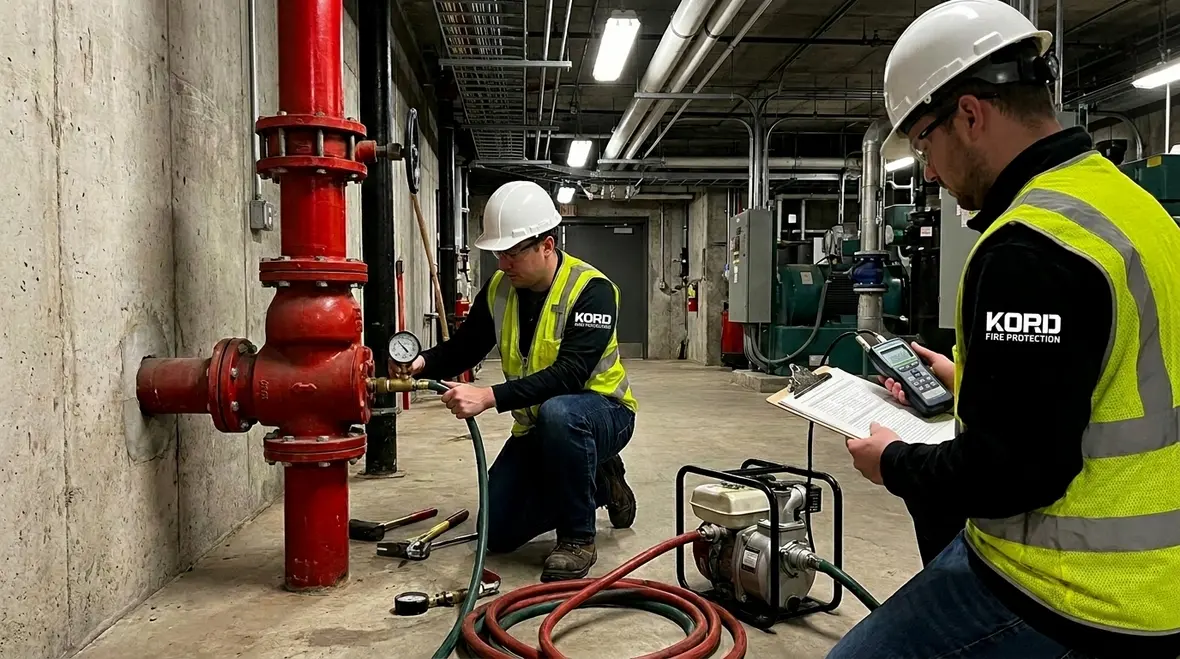
Standpipe integrity starts with measurement, not guesswork. Therefore, technicians evaluate static pressure and dynamic behavior. Static pressure shows whether the system can hold its built-in demand. Dynamic performance reveals what happens when water starts moving, which is when weak points often appear.
During standpipe system pressure testing, the team verifies that pressure stays within expected limits through the system length and at key outlets. Next, the process checks for pressure loss that can point to blocked piping, leaking joints, faulty valves, or internal scale buildup. Even if the standpipe looks fine on the outside, pressure data exposes what eyes cannot see.
Because facilities run different water supplies, the testing plan also considers local operating conditions. For example, a site with frequent pump cycling may need additional checks to confirm stability during transitions. In other words, it is not only about passing a test once, it is about behaving consistently.
Why consistent readings matter more than one lucky pass
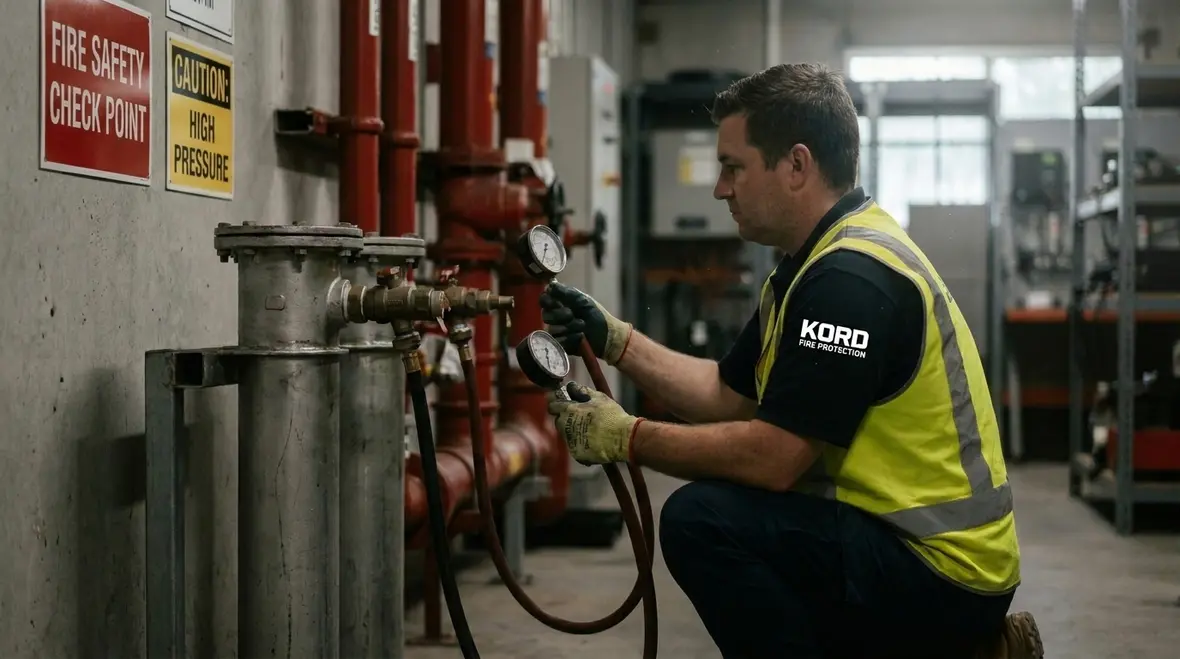
A single successful reading can look comforting on paper, but a reliable system must repeat that performance under normal site conditions. That is why good technicians compare readings across time, location, and flow state. A standpipe that behaves perfectly at one outlet but stumbles at another is not “mostly fine.” It is sending a message. The smart move is to listen before that message becomes an emergency repair bill with lousy timing.
Start with system readiness and safe test conditions
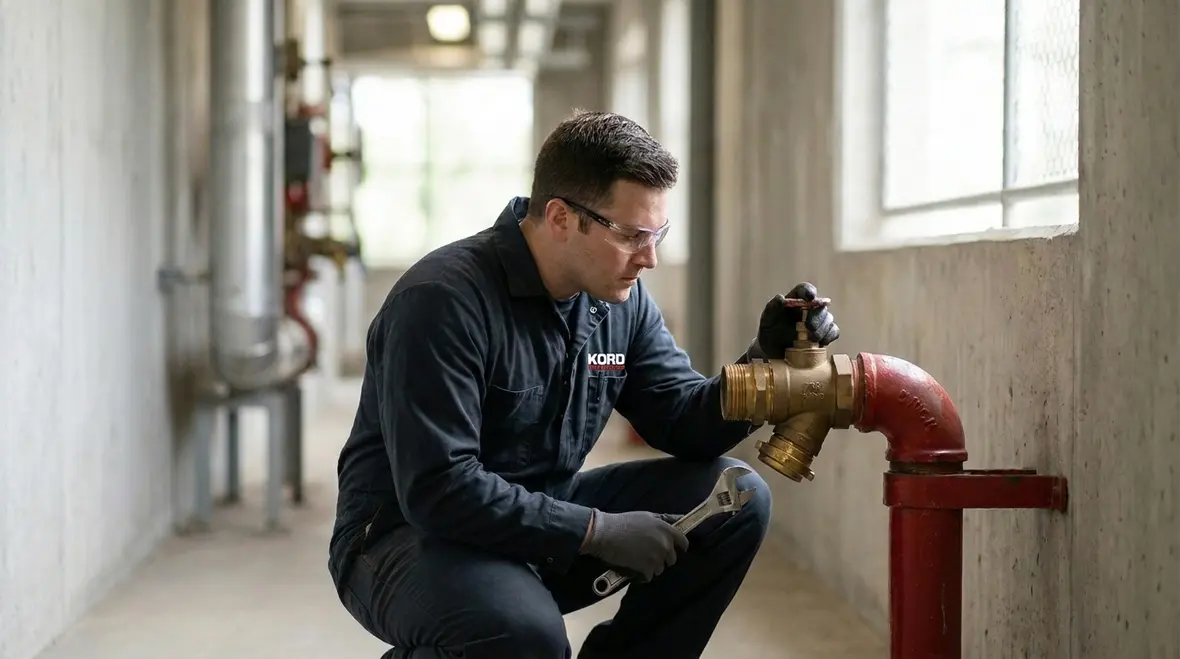
Before any test starts, the facility and the system must be ready. First, the team confirms the standpipe is isolated from unintended changes. Then, they verify valves and access points so test connections do not introduce new leaks. This is especially important in busy plant rooms and service corridors where people, equipment, and temporary works can complicate the setup.
Next, the team reviews fire protection drawings, last service records, and any recent changes to piping, pumps, or hydrant controls. If a contractor moved a valve during a remodel, the “new” configuration can quietly shift pressure balance. Then, during testing, technicians confirm that the system configuration matches the current site reality, not the version someone printed years ago.
Finally, the team manages safety controls. They isolate the right zones, maintain controlled flow paths, and communicate shutdown or alert procedures to relevant departments. After all, pressure testing is a controlled exercise, not an uncontrolled water feature.
This is also where contextual planning helps. Teams that already use a checklist-driven workflow often pair pressure work with related inspection routines. A useful companion read is the standpipe system inspection checklist guide, which supports a more disciplined approach to setup, testing, and follow-up.
Readiness checks that prevent false results
False failures waste time, and false passes are even worse. A partly closed valve, an undocumented pipe alteration, or a poor gauge connection can distort the entire exercise. So the boring prep work is not actually boring. It is the part that makes the numbers trustworthy. If that sounds less glamorous than firefighting movies, good. Real reliability usually is.
Use a structured pressure testing sequence that catches real faults
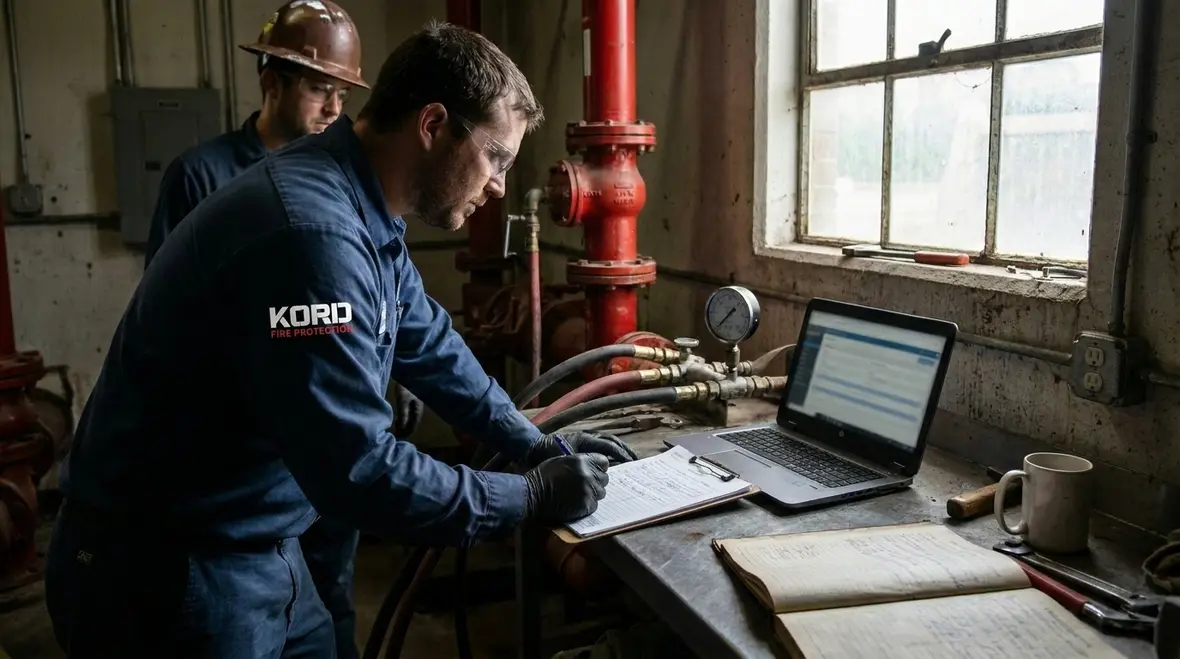
A strong testing sequence follows a logical order so results stay meaningful. Initially, technicians record baseline readings. Then, they apply controlled pressure and monitor changes over time. After that, they assess how pressure behaves under flow conditions, which is where the system proves it can deliver.
To catch issues early, technicians also check pressure at multiple points along the distribution. This approach helps separate problems such as localized valve leakage from broader pipe restrictions. If pressure drop appears only downstream, the likely culprit is not an entire network failure, it is a specific component.
During the run, the team watches for signs that indicate unstable behavior, such as rapid pressure fluctuations. Those patterns can suggest air entrainment, partial valve closure, or intermittent leaks. And yes, sometimes a system acts like it is in a pop song chorus, repeating the same failure pattern until someone fixes it properly.
Once readings finish, the team compares outcomes to expected performance windows. If the system does not meet thresholds, they do not just reschedule. Instead, they move into root-cause checks so the next test result reflects real improvement. Teams looking for a related deep dive can naturally connect this topic with Kord Fire’s standpipe flow test guide for fire protection, especially when flow behavior and pressure performance need to be read together.
What good sequencing reveals that shortcuts miss
Shortcuts often flatten the story of the system. Proper sequencing lets technicians see whether pressure drops slowly, spikes under demand, or recovers unevenly after flow changes. Each pattern tells a different story. Taken together, those clues help narrow the fault quickly and avoid the classic maintenance mistake of replacing the wrong part and hoping for applause.
Inspect components that most often weaken pressure performance
Pressure integrity rarely depends on one part only. Instead, it depends on how multiple components work together. Therefore, inspections must focus on the areas that commonly cause loss or failure.
First, technicians examine valves, including check valves, isolation valves, and any controlling devices. A valve can look intact yet leak under pressure, which lowers delivery capability. Next, they inspect couplings, joints, and threaded connections. Poor installation, worn seals, and corrosion around fittings can create slow leaks that only show up when pressure is applied.
Third, they review hose connections and outlets. If an outlet has an improper gasket, mismatched coupling, or internal blockage, flow performance drops. In facilities where outlets get handled frequently, damage can occur without obvious visual signs.
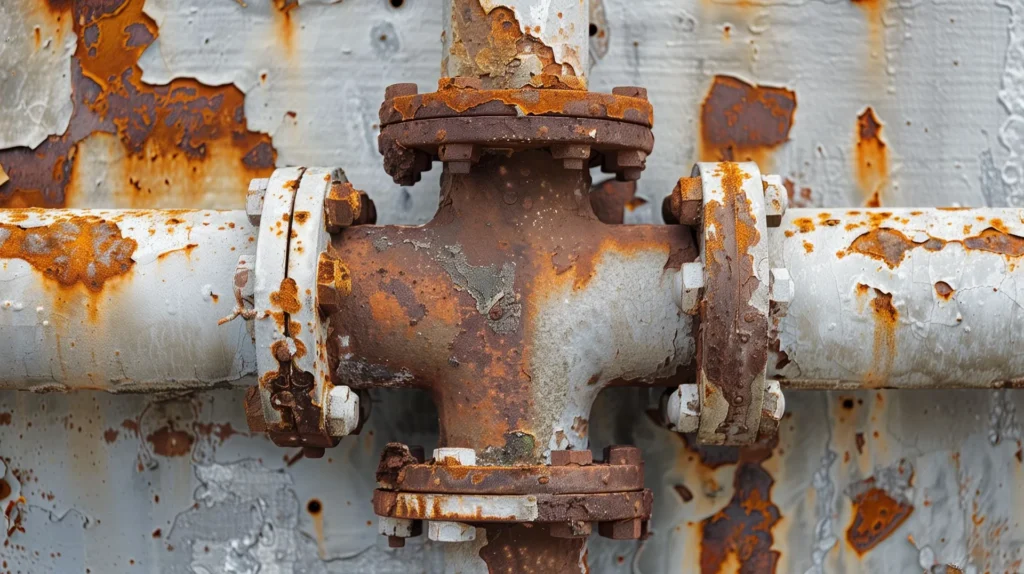
Finally, technicians check for pipe scaling, internal corrosion, and debris accumulation. Over time, mineral buildup reduces effective diameter and increases friction losses. As a result, the pump may work harder, but the system may still deliver less. That is like buying a bigger fan for a room with a broken window. It runs, but it does not solve the problem.
Sites that want more context on standpipe design and application can also connect this topic to the standpipe system requirements and how it works article, or explore the main Kord blog for broader fire protection guidance.
The usual suspects when pressure starts drifting
Most pressure problems are not dramatic at first. They creep in through valve wear, seal aging, corrosion, scale, poor outlet condition, or old fittings that have had enough of everyone pretending they are immortal. That is why targeted inspection matters. It turns vague concern into a list of fixable problems.
Document findings, track trends, and schedule the next maintenance step
Testing is only useful when it turns into action. That is why the documentation step matters. Technicians record readings, test duration, flow conditions, and any deviations. They also record the location of measurements so later teams can replicate the method.
After that, facilities should track results as trends, not one-off events. A small pressure loss over multiple cycles often signals a gradual issue. Meanwhile, sudden drops can indicate a newly introduced leak, a damaged valve seat, or a connection change. Trend data helps planning teams avoid reactive callouts that interrupt operations.
Next, based on results, the team schedules targeted maintenance. For example, if pressure loss concentrates at a particular zone, they can plan internal valve service or targeted joint replacement. Then, they retest after repairs to confirm the correction worked.
By keeping a clear maintenance calendar, facilities gain predictability. And predictability reduces stress. Nobody wants fire protection to be like a mystery box from a streaming show where the ending arrives later than promised.
Trend tracking turns maintenance into strategy
Documentation is not there to satisfy a filing cabinet. It helps teams compare year to year performance, justify repairs, plan budgets, and retest with consistency. Good records also reduce handover confusion when service providers, facility managers, or site conditions change. In short, they help the next decision become easier instead of messier.
Why kord fire protection can strengthen standpipe services in Australia
Pressure integrity work requires both technical skill and tight site coordination. That is where kord fire protection can become a vital partner with the service and job. They help facilities move from test results to resolved outcomes, while keeping documentation and process discipline aligned with ongoing fire safety responsibilities.
Instead of treating testing as a standalone task, the partnership approach supports a complete workflow. First, the team assesses current conditions and previous service history. Then, it performs pressure testing with the right method, checks the components that create real-world pressure loss, and reports findings in a way that decision makers can use.
Additionally, when repairs or adjustments are required, kord fire protection can support the next steps so sites do not bounce between vendors. That continuity saves time, reduces confusion, and helps facilities keep systems reliable across multiple buildings and asset types.
For industrial, retail, and commercial operators across Australia, this matters because the standpipe system must stay trustworthy through busy seasons, equipment changes, and facility expansions.
FAQ
Test schedule
Baseline pressure checks
Flow and outlet verification
After repair retesting
Action schedule
Component inspections
Valve and joint remediation
Corrosion or blockage control
Conclusion and CTA
Standpipe pressure integrity protects people and operations when every second counts. First, facilities should start with a solid standpipe system pressure testing plan, then inspect key components, document results, and schedule targeted fixes. Next, retest so performance returns and stays stable.
If the system needs disciplined testing and clear next steps, kord fire protection can partner with your team to deliver reliable outcomes across Australian sites. Call them to plan the next test and correction workflow, or explore more practical guidance across the Kord blog.

Join Our Newsletter!
Get the latest fire safety tips delivered straight to your inbox From our Newsletter.