Electrical Integration for Clean Agent Systems in Australia
Quick Answer: Electrical integration in clean agent systems means connecting detection, control, discharge, and safety circuits so the agent releases only when conditions are right. It also means coordinating wiring methods, shutdown logic, alarms, and compliance documentation. With Kord Fire Protection as a partner, teams reduce downtime, rework, and risk during installs and upgrades.
Clean agent systems protect people, assets, and processes without flooding spaces with residue. In the real world across Australia, that reliability depends on electrical integration. When technicians install clean agent system components like the control panel, detection devices, releasing devices, manual stations, and the required interlocks, they do more than “wire it up.” They build a sequence that behaves correctly under stress. And yes, if the sequence fails, the only thing that gets saved is everyone’s nerves, and that is not the goal.
Near the top of any project, it also helps to line up the fire alarm side of the job with a specialist that understands release logic, alarm interfaces, and ongoing service expectations. That is why many teams naturally pair clean agent work with fire alarm services, especially when multiple signals and shutdown responses need to behave in the right order every single time.
What electrical integration means for clean agent system components
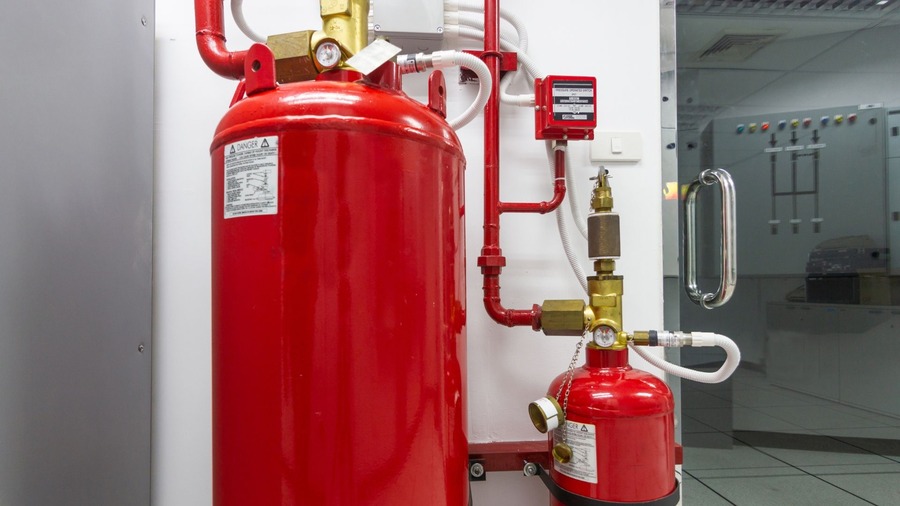
Electrical integration is the controlled linking of system parts so detection, decision, and discharge happen in the right order. It typically covers field devices and panel interfaces, including signal wiring for alarm and fault reporting, plus discharge circuit wiring for the agent release. In practice, the clean agent system components work like a well rehearsed band: if the drummer comes in early, nobody is impressed, and production downtime follows.
In facilities across industrial plants, warehouses, retail back rooms, and commercial service areas, integration also supports how the building operates. For example, it connects to evacuation alarms, door hold open releases, ventilation control, and emergency power considerations where required. Then it documents the logic so maintenance teams can verify performance during inspections and after changes.
That broader coordination matters because clean agent protection rarely works in isolation. Kord Fire Protection highlights this same practical role in its clean agent fire suppression system services page, where these systems are positioned for high value and sensitive environments that cannot afford messy recovery or uncertain response timing.
The core circuits that usually carry the workload
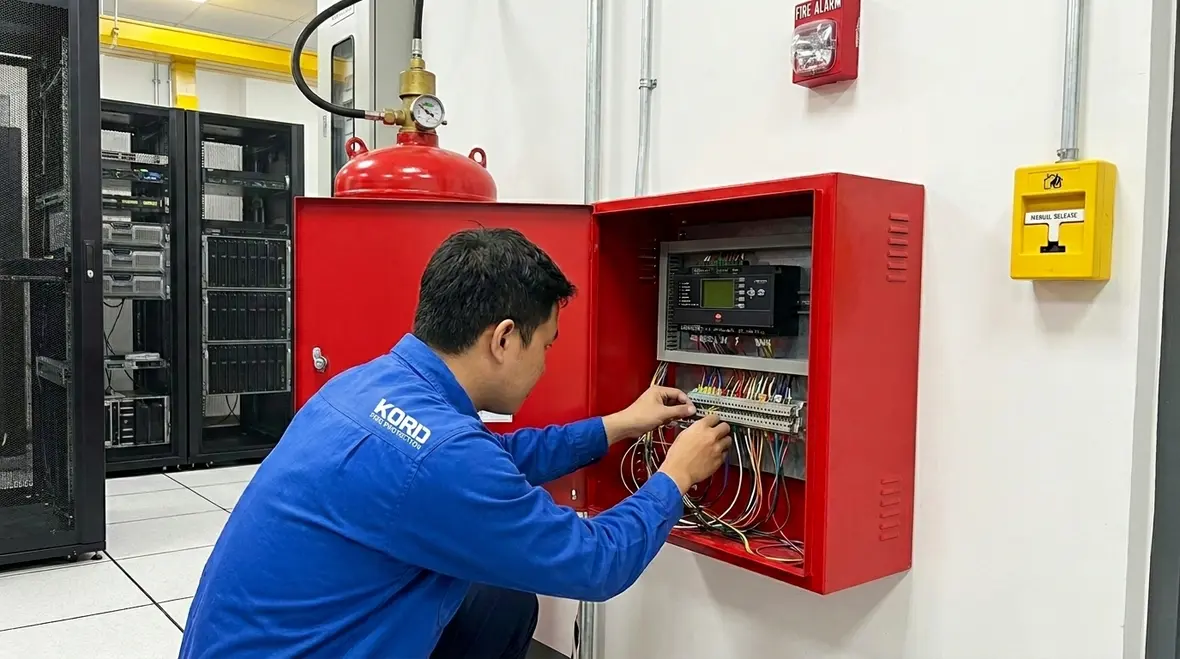
Most integration conversations eventually come back to a handful of electrical functions: initiating detection circuits or addressable loops, releasing circuits, monitored manual release and abort stations, alarm outputs, trouble reporting, and relay interfaces for the side effects around the room. Each one may seem straightforward on paper. Together, they form the sequence that decides whether the system responds cleanly or sends the site into an avoidable drama rehearsal.
How the detection to discharge sequence stays reliable
Technicians integrate clean agent systems around a strict timeline. First, detection devices must report fire conditions. Next, the control panel evaluates the signals, checks whether zones or conditions meet release criteria, and then begins a pre discharge timing period if the design requires it. After that, the panel commands the releasing devices.
To keep the sequence dependable, integration must address three practical areas. First, it uses correct circuit supervision so the panel detects open circuits and short circuits early. Second, it uses correct device addressing and polarity where applicable, so the panel interprets signals accurately. Third, it preserves integrity in the field wiring, including terminations, cable segregation, and protection against damage.
Meanwhile, teams often forget the human factor. Therefore, integration planning should include how operators and maintenance staff will test and reset the system. When that is handled properly, testing stays predictable, and troubleshooting does not turn into a scavenger hunt.
Why sequence timing is where confidence is won or lost
A system can have quality hardware and still perform poorly if the timing logic is sloppy. Pre discharge delay, alarm staging, manual release response, and fault handling all need to line up with the approved sequence. If they do not, the facility may discover during commissioning that alarms sound too late, shutdowns occur too early, or the release conditions are not what operators were told to expect. That is not a fun way to meet your own wiring.
Where interlocks and shutdown logic fit into the wiring
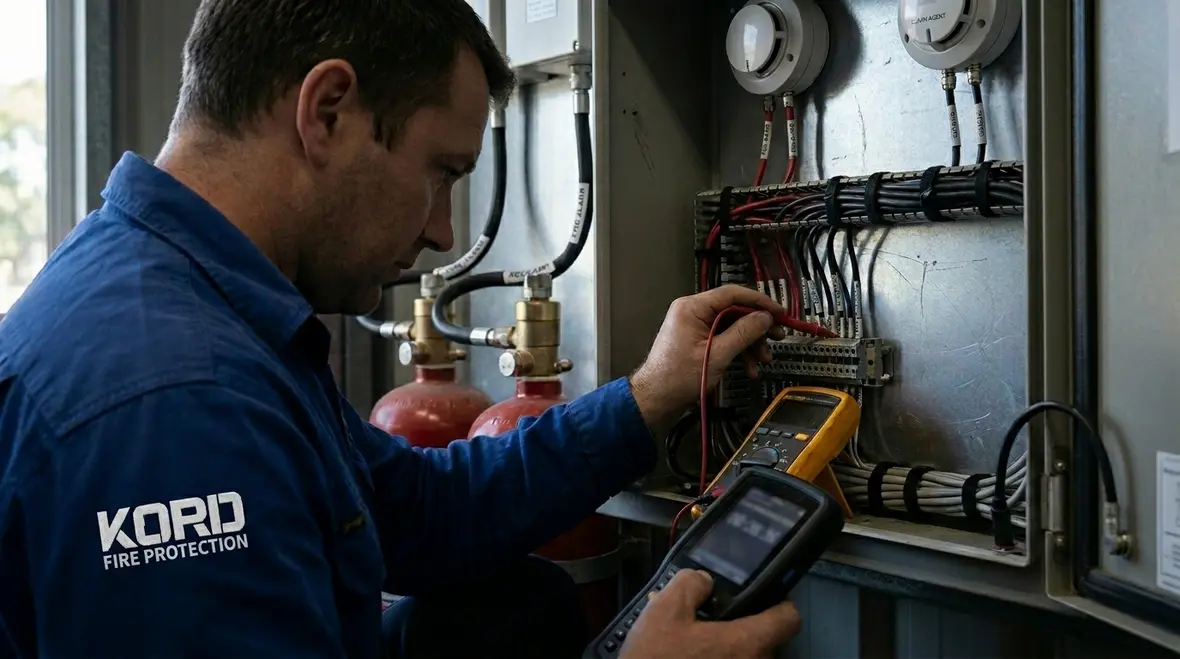
Clean agent systems frequently rely on interlocks to reduce risk and preserve the environment inside the protected space. Electrical integration handles these interlocks through control wiring between the fire panel and building systems. For instance, the release may trigger ventilation shutdown, start smoke control functions, or command dampers to close. It can also release door mechanisms or stop certain processes that could worsen fire conditions.
However, interlocks must be designed carefully. If a shutdown signal triggers the wrong equipment, the facility can lose uptime for no safety gain. Consequently, integration should include clear responsibility between the fire system and the building control system. Then the team verifies that signals fail safe. In other words, when wiring fault or power loss occurs, the system behaves in a way that prevents accidental release or unsafe operation.
In many commercial and retail sites, there is also a need to coordinate with existing alarm systems and emergency procedures. Therefore, integration often includes alarm relay interfaces so the fire panel can activate local alarms while still meeting facility standards. This overlaps naturally with the service logic described on Kord Fire Protection’s fire alarm service systems page when a site needs reliable reporting, notification, and coordination between connected life safety components.
Interlocks are not side characters
It is tempting to treat interlocks as a few extra relays tacked onto the end of the project. That usually goes well for about five minutes. In reality, they shape room conditions before, during, and after discharge. Ventilation control, access hardware, shutdown of vulnerable equipment, and alarm escalation all influence whether the protected area supports successful suppression. If any of those responses are vague, the system may technically release while the room itself works against it.
Compliance, testing, and documentation for Australian sites
Electrical integration does not end at the commissioning handover. It must support ongoing verification. That means the integrated wiring layout, device list, and sequence of operation need clear documentation. So when an inspector, maintenance technician, or service team arrives later, they can confirm the system still matches the approved design.
Testing typically includes checks of detection coverage, alarm signaling paths, fault reporting, and the discharge circuit performance. It also includes verification of the interlock logic, because a clean agent system is not just about releasing agent. It is about releasing agent at the correct time, with the correct conditions met, and with the correct side effects.
Transitioning from install to service can expose hidden issues. For example, facilities often undergo renovations, rerouted cable pathways, or equipment changes. When that happens, the integrated circuits may need updates to maintain correct operation. Therefore, good documentation helps teams avoid guessing and reduces the chance of an “it worked last year” myth.
This is also where ongoing service support becomes more than an administrative checkbox. Kord Fire Protection’s broader full fire protection services offering reflects the value of having one team help coordinate inspection readiness, corrective work, and system understanding across related fire protection assets instead of splitting responsibility into tiny confusing pieces.
Common integration challenges and how teams avoid rework
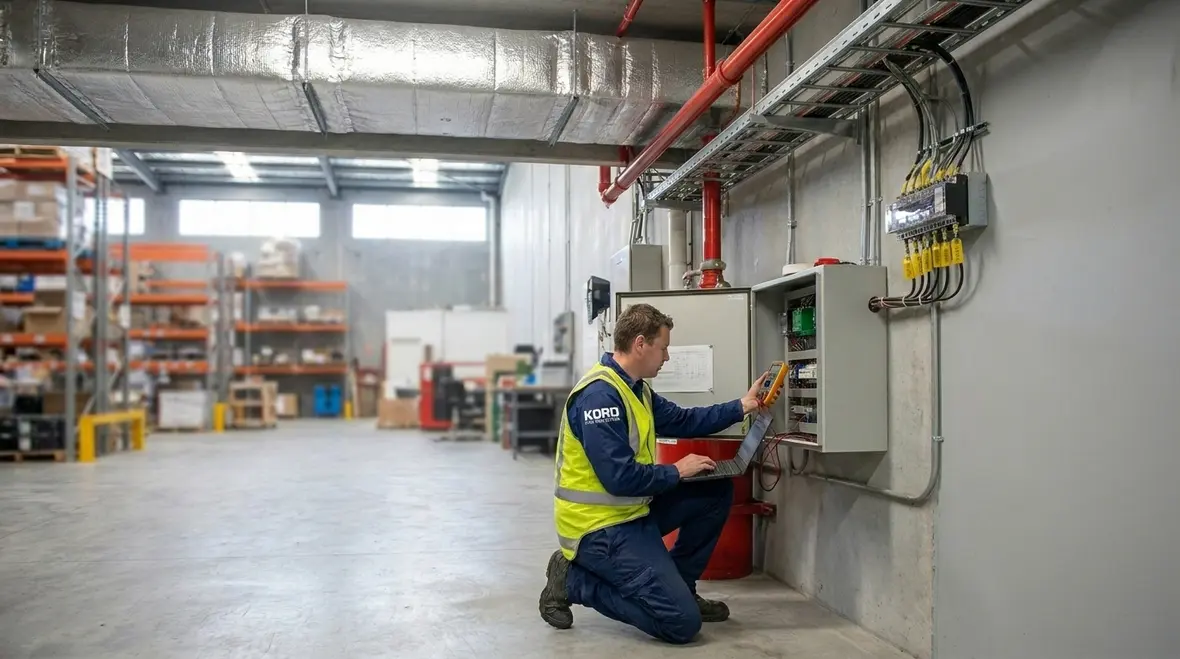
Across industrial and commercial environments, the most common integration problems come from predictable sources. First, poorly managed cable routing can cause interference or damage risk. Second, incomplete segregation between circuits can create nuisance faults. Third, incorrect termination practices can lead to intermittent issues that appear only under certain conditions.
Then there is the timing issue. Many clean agent systems require a pre discharge delay, which means integration must keep alarm and releasing logic aligned. If the panel programming or wiring does not match the design intent, the system might behave differently than the facility expects.
To prevent rework, teams should plan integration around the actual site layout. That includes verifying enclosure entry points, cable lengths, pathways, and the physical locations of control panels and releasing devices. Additionally, they should test interlocks with the actual building systems, not just in a simulation.
And if anyone says, “We will tidy the wiring later,” the facility manager should gently smile and request a plan. Later rarely arrives, and fire safety is not a DIY hobby.
Why Kord Fire Protection becomes a vital partner
Electrical integration benefits greatly when service and install teams coordinate with a partner that understands fire life safety, not just one portion of the job. That is where Kord Fire Protection can become a vital partner with clean agent system projects. They help coordinate commissioning, align sequencing expectations, and support the practical realities of industrial, retail, and commercial operations across Australia.
When Kord Fire Protection works alongside the facility and the broader electrical contractor team, they can help reduce downtime by planning staged work windows, confirming interfaces with building systems, and supporting accurate documentation. Furthermore, they can assist with maintenance readiness, so the system stays testable and reliable after handover. Because the goal is not only to install components, but to keep them operating correctly through inspections and operational change.
In short, Kord helps teams avoid the classic failure mode of integrations that “technically pass” but create service headaches later. And everyone knows what happens when service headaches show up. They multiply. Like pop culture reboots, without the charm.
Advanced tips for smoother commissioning and ongoing service
To improve commissioning outcomes, teams should verify the full chain from detection to discharge and then validate the side effects. That includes testing alarms, fault conditions, and the interlock responses under controlled conditions. Then they should document test results in a form that maintenance staff can use quickly.
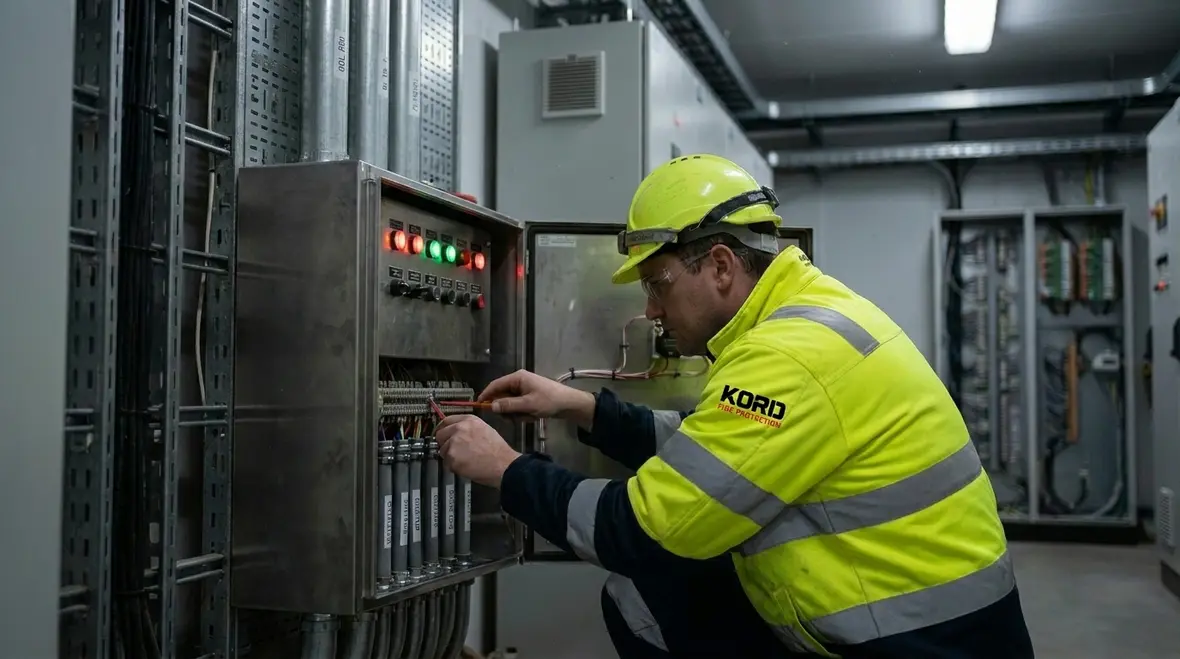
They should also plan for cable management and labeling. Clear labeling reduces time during later fault finding and makes it easier to confirm the correct circuits during upgrades. Likewise, using proper segregation methods supports stable supervision.
Finally, teams should treat changes like renovations or process upgrades as integration events, not just maintenance events. If the facility adds new equipment, modifies airflow, or changes control interfaces, the clean agent system components may require revalidation. When they do that, the system continues to protect assets and people with fewer surprises.
FAQ
Integration checklist teams can use on site
- Confirm circuit supervision and correct panel configuration
- Verify detection to discharge sequence timing and logic
- Test interlocks with real building equipment
- Use correct cable routing, segregation, and terminations
- Label circuits clearly for future maintenance
- Complete documentation for commissioning and future changes
Signals that the integration needs a second look
- Intermittent faults during commissioning or maintenance tests
- Alarm or relay behavior that does not match the sequence
- Unclear or missing documentation for interfaces
- Unexpected shutdown actions during test events
- Wiring access constraints that block safe future service
Conclusion
Electrical integration determines whether a clean agent system protects reliably when it matters most. Facilities in industrial, retail, and commercial settings across Australia can move faster and reduce risk by planning the detection to discharge sequence, interlocks, and documentation from day one.
Next step
If your project needs a partner who understands commissioning and long term service readiness, contact Kord Fire Protection for support and collaboration on clean agent system installations and upgrades.

Join Our Newsletter!
Get the latest fire safety tips delivered straight to your inbox From our Newsletter.