Fire Pump Controller Upgrade for Modernized Control Panels
Quick Answer: Modernizing fire pump control panels improves reliability, reduces downtime, and strengthens compliance for industrial, retail, and commercial facilities across Australia. A well planned fire pump controller upgrade also makes inspections simpler and helps operators respond faster during emergencies. It is not just technology work, it is risk reduction with a control panel.
Fire and life safety teams do not need another “maybe it works” system. They need equipment that behaves predictably under stress, even when everything else is doing its best impression of chaos. That is why many facilities choose a fire pump controller upgrade as part of modernizing their fire pump control panels. Near the start of that journey, it also helps to work with a provider that handles broader fire protection services for commercial and industrial facilities, because controller upgrades rarely live in isolation from the rest of the system. In the sections below, third person explains what changes, why it matters, and how Kord Fire Protection can become a vital partner throughout the process. And yes, modern controls can be more reliable than most people at a Christmas office party.
What modernizing fire pump control panels actually changes
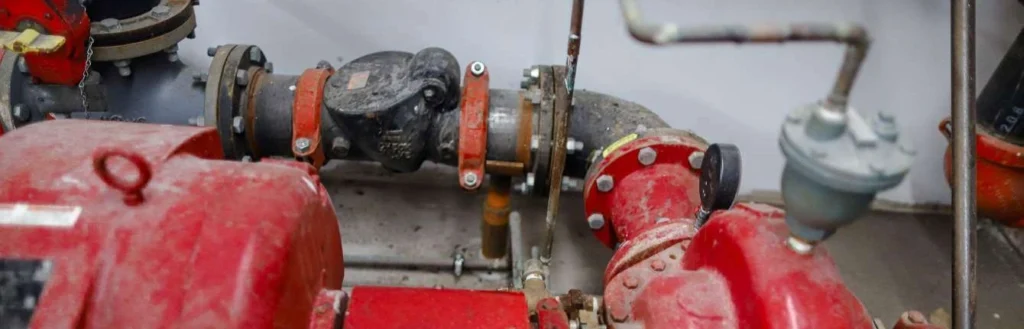
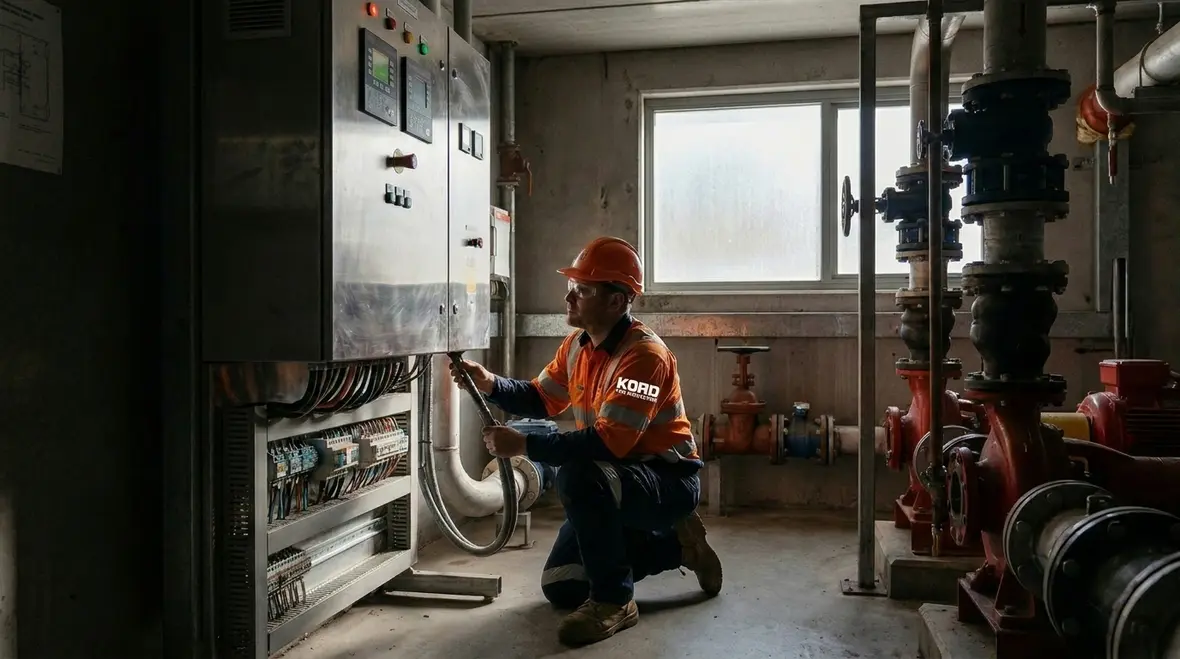
Modernizing fire pump control panels replaces aging components, improves logic, and upgrades the way the system monitors and controls the pump. As a result, the panel stops acting like a nervous old radio and starts behaving like a disciplined system that pays attention to every condition.
Typically, the work includes new controller hardware, improved monitoring points, updated power and protection devices, and refreshed wiring where needed. In addition, installers often refine alarm outputs and provide clearer status indicators. Then, technicians validate sequence of operation so pumps start, stop, and transfer control modes exactly as the design intends.
Why the control panel matters more than people think
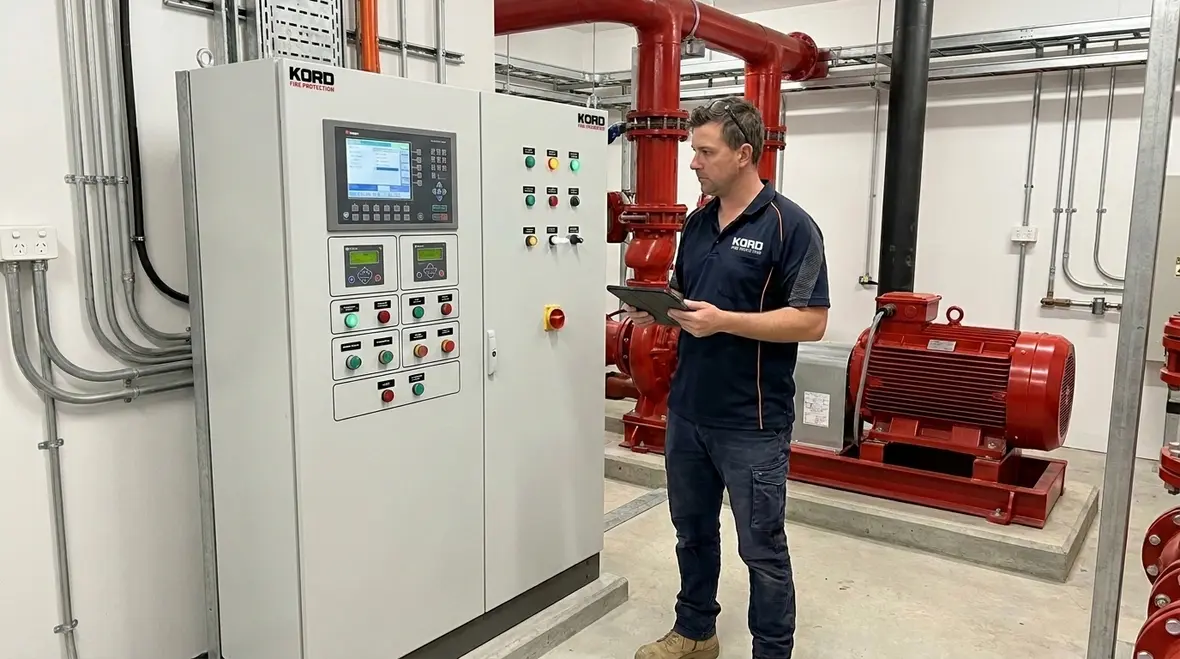
A fire pump controller is not decorative electrical furniture. It is the point where power, logic, protection, and field conditions all collide. If that point becomes unreliable, the whole system starts collecting stress like a hobby. An upgrade helps remove fragile components, reduce guesswork, and create a cleaner operating environment for both maintenance teams and emergency response conditions.
Where the real benefits show up day to day
When a facility runs 24 7, fire pumps do not get the luxury of “we will fix it later.” Modern panels help in ways that operators feel quickly.
- Fewer nuisance faults: Updated sensors and control logic reduce false trips and random lockouts that waste maintenance time.
- Faster troubleshooting: Clearer diagnostics point to the likely cause, so technicians spend less time guessing.
- More stable pump operation: Modern control strategies support smoother starts and better pressure control, especially across varying demand.
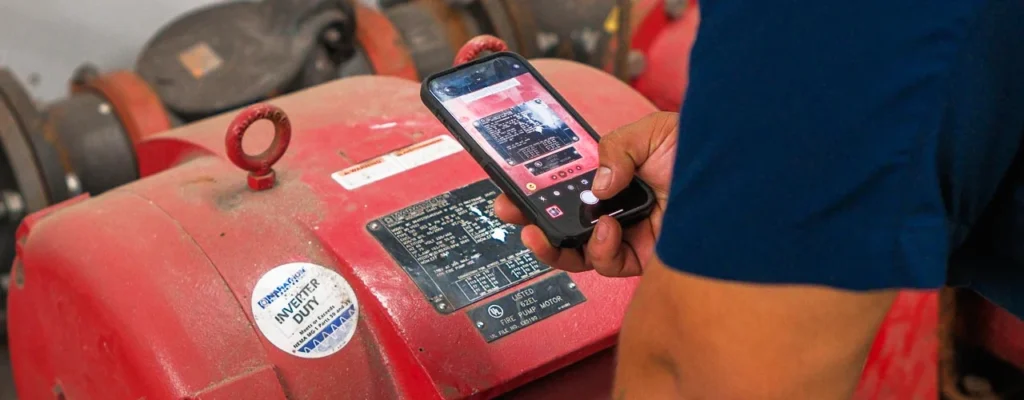
- Better documentation: Modernization projects usually come with updated schedules and test records, which helps during audits.
Meanwhile, the facility avoids downtime that could disrupt operations. And because safety systems must work when called upon, reliability becomes more than a technical checkbox. It becomes a business advantage, like having staff who actually read the shift notes.
Compliance and inspection readiness for Australian sites
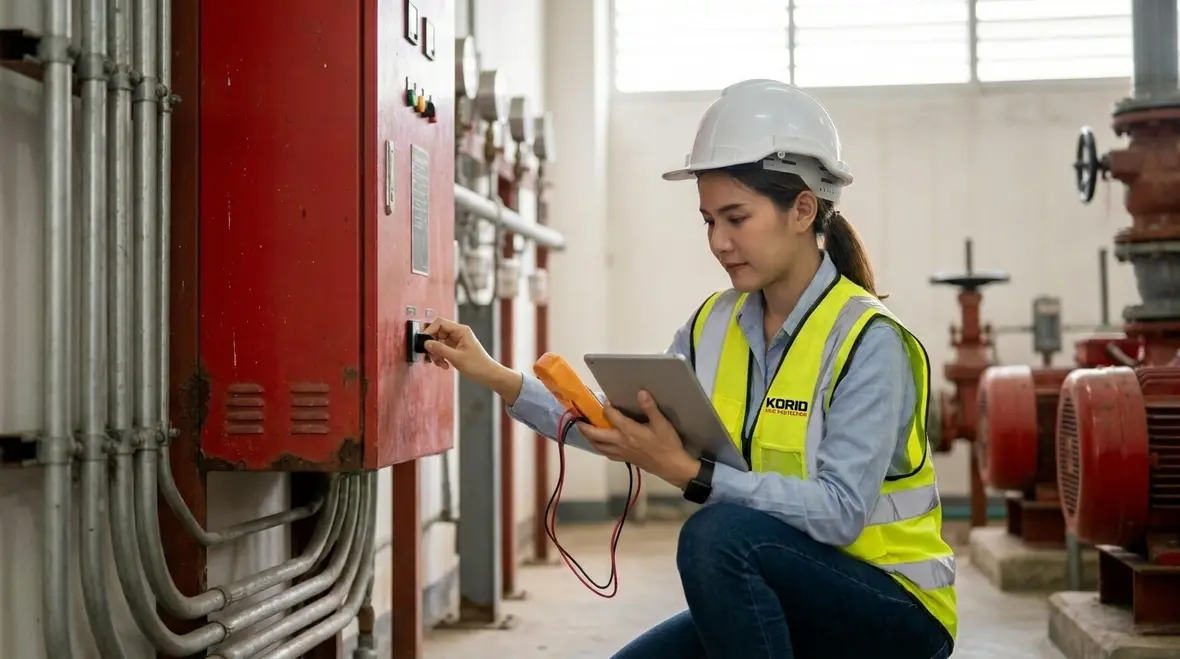
Across Australia, commercial and industrial sites face ongoing inspection expectations for fire protection systems. When panels get old, documentation can become scattered, and components can become hard to service. However, modern panels help the site stay ready.
First, an upgraded fire pump controller upgrade typically brings clearer operating status and standardized alarm functions. Then, the facility gains better alignment between what the panel shows, what technicians test, and what the system is supposed to do. Finally, maintenance teams can produce consistent evidence during inspections, because the system design and testing process match the current configuration.
In many facilities, that reduces last minute scramble. Instead of digging through old manuals like they are buried treasure, teams can follow a clean, updated test approach. It is less drama and more certainty.
Documentation gets less painful
Inspection readiness is not only about whether the equipment works. It is also about whether the facility can prove what changed, how it was tested, and what the present operating condition is. Clean labelling, updated records, and clearer alarm mapping turn a messy file hunt into something more civilized.
How Kord Fire Protection supports the modernization journey
Modernizing a fire pump control panel is not just a parts swap. It is planning, testing, commissioning, and ongoing service. This is where Kord Fire Protection can become a vital partner with this service job, especially when the facility needs both technical execution and practical coordination.
Facilities that want extra context can also review Kord Fire Protection’s related article on battery backup vs generator for emergency lighting. While that topic focuses on emergency lighting rather than fire pump controls, it reinforces the same underlying truth: life safety systems perform best when backup power, reliability planning, and maintenance discipline all work together.
- Site assessment: Kord Fire Protection can review pump configuration, control sequences, and existing conditions to spot hidden risks before installation begins.
- Integration planning: The upgraded controls must match the rest of the fire system. Kord coordinates interfaces so alarms, signals, and start commands work as designed.
- Commissioning and verification: Proper testing confirms the panel performs during real scenario simulations, not just during bench checks.
- Service continuity: If the facility needs ongoing maintenance support, the partner can help keep performance steady over time.
As a result, modernization stays controlled and predictable. And because fire protection often involves multiple stakeholders, having a reliable partner prevents the “everybody assumed someone else handled it” situation.
Reliability upgrades that reduce downtime and cost surprises
Downtime costs money, and fire system downtime costs risk. Therefore, modernization should target the failure points that create repeat service events.
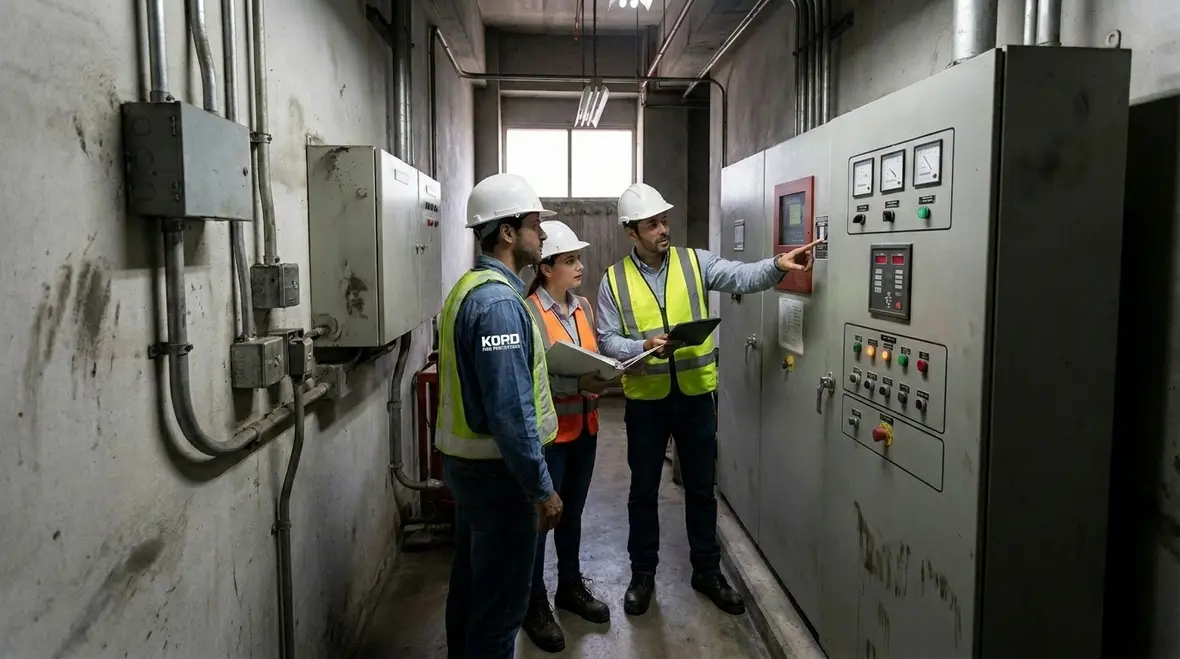
One common issue with older panels is component aging, including relays, power supplies, and interface boards. Over time, these parts can drift out of tolerance and create intermittent faults that appear only under specific electrical conditions. Meanwhile, older wiring or loose terminations can also contribute to unreliable starts or delayed signals.
To reduce cost surprises, modern panel work can include:
- Targeted replacement of end of life components based on a condition review rather than guesswork
- Improved input output handling so the panel reliably reads field signals and drives alarm outputs
- Upgraded monitoring for key states such as running status, fault conditions, and mode transitions
- Clear changeover logic for automatic and manual operations to protect equipment and personnel
Then, after install, technicians test sequences under expected demand scenarios. This step matters, because the best panel on paper still must prove itself in the real environment. Modern systems typically deliver more stable performance and fewer recurring “mystery faults,” which means maintenance teams can focus on planned work.
Why recurring faults cost more than the repair ticket
The visible cost is the service call. The hidden cost is disrupted operations, nervous stakeholders, delayed inspections, and maintenance teams getting dragged away from scheduled work. Upgrades help cut that pattern off before it becomes a permanent feature of the facility’s personality.
Planning a modernization project without disrupting operations
Facilities do not pause production just because a controller needs an upgrade. So project planning must protect safety and minimize disruption. A good approach uses a phased schedule and clear communication.
First, teams confirm the system status requirements and define the commissioning windows. Then, they prepare the panel, verify spare parts, and coordinate access with facility operations. During installation, they ensure that safety functions remain controlled and that any temporary steps follow site rules.
After the physical work, the team performs verification testing and records outcomes. In many cases, the work also includes training for facility staff so they understand what changed and how to interpret alarms. That training step reduces future calls that begin with “it is beeping again” and end with confusion.
Smart planning keeps the site calm
The best modernization projects rarely look dramatic from the outside. That is the point. When the schedule, access, testing window, and communication plan are clear, the work feels controlled instead of chaotic. Everyone prefers that version, especially the operations team.
FAQ about fire pump control panel modernization
Conclusion: take action before the next fault becomes a headline
Modernizing fire pump control panels strengthens reliability, improves troubleshooting, and supports compliance readiness for industrial, retail, and commercial facilities across Australia. A well executed fire pump controller upgrade reduces uncertainty during emergencies and lowers maintenance disruption over time.
Kord Fire Protection can help plan, integrate, commission, and support the system so it performs as intended. If the panel is getting unreliable, do not wait for a stressful event. Request an assessment today.

Join Our Newsletter!
Get the latest fire safety tips delivered straight to your inbox From our Newsletter.