
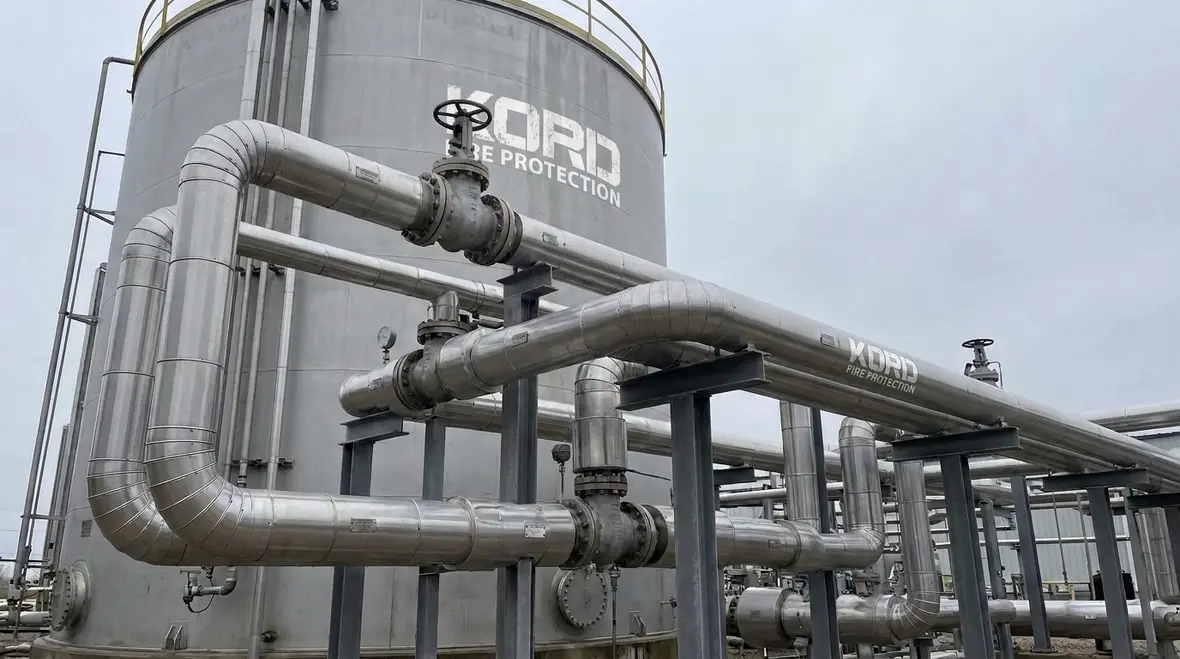
NFPA 52 Section 21.9: Piping Requirements for ASME LNG Tanks
Quick Answer
NFPA 52 Section 21.9 sets the piping design, installation, and inspection expectations that support safe operation of ASME LNG tanks. It addresses materials, routing, supports, isolation, leak prevention, and ongoing verification to reduce release risk and maintain life safety.
If your broader compliance program also needs practical inspection, testing, and documentation support, explore fire protection services in Southern California from Kord Fire Protection.
Why “NFPA 52 ASME LNG tank piping requirements” matter in the real world
Commercial LNG sites cannot rely on “good enough” piping practices because the consequences of cryogenic leaks, brittle fracture, vibration damage, or insulation failure are severe. This is why the NFPA 52 ASME LNG tank piping requirements establish clear expectations for how piping systems connect to ASME LNG tank appurtenances, how those lines are supported and protected, and how integrity is verified over time.
In day to day operations, the biggest compliance challenges typically include managing thermal contraction, controlling stress at tank nozzles, maintaining insulation continuity, and ensuring that valves and relief devices remain functional after routine service, spill response readiness checks, and seasonal temperature shifts.
What Section 21.9 focuses on for tank piping
NFPA 52 Section 21.9 centers on the piping interface between the ASME LNG tank and the connected system components. The intent is to maintain pressure boundary integrity, limit ignition sources and release potential, and preserve mechanical performance during normal operating cycles and abnormal conditions.
Core piping concerns that drive compliance
Material compatibility and cryogenic performance to reduce brittle fracture and maintain ductility at LNG temperatures.
Mechanical integrity including pipe stress control, proper support spacing, and protection from low cycle fatigue due to thermal cycling and vibration.
Leak prevention at joints and connections using approved connection methods and ensuring that installation practices do not compromise sealing surfaces.
Isolation and control so that sections of piping can be shut down quickly when needed to limit the size of a release.
Safety function readiness for pressure relief related piping pathways and protective arrangements.
Design and installation: the compliance “must haves”
Section 21.9 requirements influence how owners, engineers, and installers build the piping system before commissioning. The most common failure points typically appear later, but they often originate during installation when alignment, support selection, and insulation detailing are not executed to match the cryogenic design assumptions.
Supports, alignment, and stress control
Piping attached to ASME LNG tanks experiences constant thermal cycling. Proper supports allow controlled movement while preventing excessive nozzle loads. Compliance review typically focuses on:
Support selection for cryogenic service, including load bearing capability and stability.
Pipe alignment at connections to avoid bending stress at the tank nozzle area.
Verification that installed piping matches design stress analysis assumptions, including changes due to insulation thickness and finish materials.
Routing and physical protection
Routing practices help maintain safe clearances, avoid mechanical damage, and reduce the likelihood that external impacts or contact with adjacent infrastructure degrade the pipe system. Sites also evaluate where piping is routed relative to pedestrian areas, vehicle access, and maintenance zones to ensure inspection access. For related LNG code context, see NFPA 52 Section 20.1 application and LNG fueling coverage.
Valves, flanges, and connection integrity
Connections and valve assemblies require installation practices that preserve gasket seating, prevent misalignment, and avoid damage to sealing surfaces. In operational settings, maintenance personnel may be tempted to “standardize” replacement parts. Under NFPA 52 ASME LNG tank piping requirements, substitution must be controlled to maintain pressure boundary integrity and cryogenic compatibility.
Insulation, cryogenic performance, and common failure mechanisms
Even when the piping pressure boundary remains intact, insulation breakdown can create hidden hazards. Section 21.9 piping expectations work alongside insulation and containment principles because cold spots can drive condensation, icing, and localized deterioration.
Typical mechanisms that lead to releases or enforcement findings
Moisture ingress into insulation systems, leading to ice formation and insulation collapse.
Thermal contraction mismatch between components, causing stress accumulation and joint movement.
Support settlement or corrosion that alters alignment and increases bending loads.
Valve leakage paths that become apparent only under sustained cryogenic conditions.
Mechanical impact to jackets or insulation that exposes the pipe to rapid heat gain.
For commercial and retail LNG facilities, these failure mechanisms can be amplified by frequent access by contractors, seasonal downtime, and limited work windows. A disciplined maintenance and inspection program helps avoid small defects that escalate into system integrity events.
Inspection, testing, and documentation for ongoing compliance
NFPA 52 requirements do not end at installation. Owners must demonstrate that piping systems remain reliable throughout the facility life cycle. Practical compliance hinges on a repeatable verification workflow that matches how inspectors and investigators evaluate condition.
What compliance verification usually covers
As built and design basis alignment, including confirmation of installed routing, supports, and insulation coverage.
Leak detection and monitoring readiness where applicable to the site design.
Relief and discharge pathway protection to ensure safe performance under credible pressure scenarios.
Condition checks for corrosion, insulation loss, valve operation, and mechanical damage.
Recordkeeping that ties inspection results to corrective actions and re checks.
For many facilities, internal audit findings come from incomplete documentation rather than a visible defect. Kord Fire Protection supports owners by helping build and maintain inspection and testing programs aligned with operational realities, access constraints, and documentation expectations.
If your program includes broader fire and life safety testing, reference Kord Fire Protection services and compliance support.
How to prepare for enforcement and reduce downtime risk
Enforcement activities for LNG facilities often focus on whether the piping system can reliably perform its safety functions and whether maintenance has preserved those functions. The most effective preparedness strategy treats compliance like an uptime program, not a one time event.
Operational practices that reduce surprises
Pre maintenance isolation verification so personnel confirm that valve position and control logic match the intended shutdown boundary.
Insulation and jacket walkdowns during routine service to catch damage before it expands.
Corrective action closure tracking that includes post repair verification and document updates.
Contractor controls to prevent unapproved parts or improper connection procedures.
Kord Fire Protection can help facilities organize documentation, testing schedules, and field verification activities so crews spend time correcting issues, not searching for records after the fact. For adjacent compliance planning, you can also review NFPA 52 Section 16.8 emergency response measures for LNG sites.
Frequently Asked Questions
Conclusion and call to action
NFPA 52 Section 21.9 plays a direct role in limiting LNG release risk by requiring reliable piping design, installation practices, and ongoing verification for ASME LNG tanks. Facilities that treat piping compliance as an operational process reduce downtime, improve inspection outcomes, and strengthen safety culture. Kord Fire Protection can help organize inspection and testing support, documentation readiness, and field verification planning. Contact Kord Fire Protection to review your current piping compliance workflow and next maintenance window.

Join Our Newsletter!
Get the latest fire safety tips delivered straight to your inbox From our Newsletter.


