
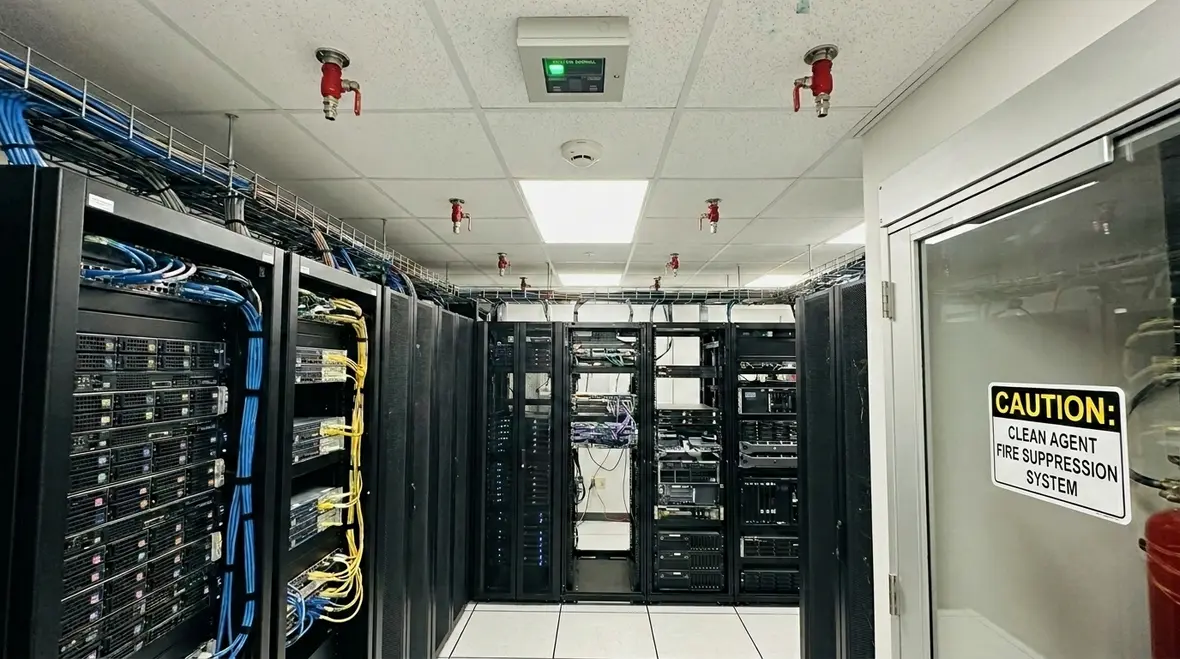
Special Hazard Suppression for Server Rooms in Australia
Quick Answer
For server rooms, choosing special hazard suppression means matching the hazard type, enclosure design, airflow patterns, and occupancy needs to a system that extinguishes fast and cleanly. With Kord Fire Protection as a partner, facilities gain smarter design reviews, testing plans, and support that keeps uptime from going up in flames. Figuratively. Hopefully.
When a server room goes down, the impact travels fast. Sooner than anyone wants, alarms start, operations stall, and that calm confidence in your uptime plans turns into a very loud “uh oh.” This is where special hazard suppression becomes a serious protective strategy. And it is not just about spraying something and hoping for the best. Instead, it is about selecting the right suppression approach for the exact risks inside your enclosure, including electrical hazards, airflow behavior, and how quickly systems must respond.
In Australia, industrial, retail, and commercial facilities across many states face similar pressure: keep people safe, protect assets, and limit downtime. Therefore, the best outcomes come from choosing carefully, then supporting the system with a reliable partner. Kord Fire Protection can become that vital partner for the full service journey behind fire suppression systems, from planning to commissioning and ongoing confidence checks. If you are evaluating broader fire suppression system services, it helps to start with a provider that already supports integrated protection programs across critical environments.

How special hazard suppression protects server rooms
Server rooms concentrate value and heat in a small footprint. That combination makes fire behavior harder to predict than in typical storage spaces. Therefore, an effective plan accounts for the way fires start and spread around equipment.
Special hazard suppression systems usually aim for three goals at once. First, they detect early so the response happens before flames grow. Next, they suppress the fire quickly enough to protect sensitive electronics. Finally, they limit secondary damage, because smoke residue and messy cleanup can cost as much as the incident itself. In other words, it is not only about putting out the fire. It is about keeping the rest of the server room from turning into a restoration project that takes forever.
However, the right approach depends on the hazard profile. For example, surface burning, fast electrical ignition, or hidden smouldering will call for different design decisions. In the end, the best suppression plan behaves like a tuned instrument, not a generic solution that plays the wrong song at the wrong time.
Why early detection and room performance matter
That is also why room performance matters almost as much as the agent itself. Kord Fire Protection’s guidance on server room fire suppression systems emphasizes that fires in these spaces often start small, build quickly, and punish slow response. Likewise, their article on clean agent fire suppression for server rooms reinforces the value of protecting electronics without leaving the room looking like a cleanup crew lost a wrestling match with the equipment.
Choosing the right agent and system type
When decision makers evaluate special hazard suppression, they often start with the question of which agent and technology fits the space. Yet that choice should follow a hazard assessment, not the other way around. After all, the agent needs to match the fuel load, the enclosure tightness, and the likely fire growth pattern.
Common directions facilities consider include clean extinguishing methods designed for use in areas with sensitive equipment. These approaches can reduce residue risk compared to water-based methods, and they can help protect electrical components. Still, the system must align with the room’s design, including ceiling height, rack layout, and air movement.
Meanwhile, a key detail often gets missed: the system should account for the way hot air and smoke move inside a server room. If air circulation pulls the fire products toward protected and unprotected zones, the suppression design should reflect that. That is why good engineering reviews matter.
For facilities managers and operators, the goal is simple. Pick an option that extinguishes effectively, supports safe evacuation and detection timing, and avoids unnecessary damage during discharge. When the design gets this right, uptime stops looking like a gamble. For a broader comparison mindset, Kord Fire Protection’s best server room fire suppression solutions overview is a useful internal reference point.
Design considerations that decide success or failure
Once the system type and extinguishing approach are on the table, the design details do the heavy lifting. And yes, these are the parts that separate a great outcome from a “we followed the checklist” outcome.
- Room integrity and enclosure sealing: Leaks reduce agent effectiveness. Even small gaps can change how well suppression reaches the hazard zone.
- Detection strategy: Choosing detection type, placement, and alarm thresholds affects how fast the system reacts.
- Suppression zone layout: Racks and cable pathways create microenvironments. Proper zoning helps target the source area, not just the smoke.
- Interlocks and control sequences: Fans, dampers, and doors can either support suppression or undermine it if not managed.
- Occupant safety measures: Alerts, signage, and evacuation timing must support human safety without creating chaos.
- Maintenance access: If technicians cannot reach components easily, reliability becomes a future problem. A system should be serviceable, not mysterious.
To keep the system effective, facilities should also plan for future changes. Server rooms evolve: new racks, new airflow requirements, and fresh power loads. As equipment changes, the hazard picture changes too. Therefore, the design should include a thoughtful approach to updates, reviews, and adjustments.
The room itself is part of the system
This point deserves extra emphasis because an excellent agent in a leaky room is still an underperforming solution. Kord Fire Protection repeatedly ties room sealing to system performance in related server room content, and that message is worth keeping front and centre. If the enclosure does not hold the agent where it needs to work, the system may discharge exactly as designed and still leave everyone muttering the professional version of “well, that was not ideal.”
Integrating fire detection, notification, and suppression
A suppression system that works on paper still needs to work in real time. So integration matters. It is the difference between a clean, controlled response and a system that triggers late or triggers confusingly.
First, detection must coordinate with the suppression discharge timing. Then, notification needs to guide people safely while the system performs its job. For facilities across Australia, this integration also supports consistent response procedures for staff, contractors, and security teams.
Kord Fire Protection can help facilities link these elements in a way that supports operational continuity. For example, during design and commissioning, they can align alarm pathways, verify control sequences, and assist with acceptance testing plans. That way, the system does not just exist. It performs.
And if you are thinking, “We already have alarms,” that is great. Still, alarms alone do not protect electronics from heat and smoke damage in the same way a properly engineered suppression solution can. Think of it like having a smoke alarm that calls for help, but never actually puts out the fire. Useful. But also not the whole job. Kord Fire Protection’s fire detection and suppression systems guide provides a helpful adjacent read on how these layers support one another.

Service planning for long term reliability
Choosing special hazard suppression is only step one. The next step is ensuring the system stays ready when it matters, which is the part nobody wants to think about until they have to. Therefore, service planning should include inspection schedules, component checks, and performance verification.
In a server room, downtime risk cuts deeper than in many other spaces. Consequently, service activities should follow practical methods that reduce disruption. For instance, planned inspections can include verifying detection zones, checking control panels, and reviewing discharge control logic. In addition, facilities should document any room changes and ensure the suppression design remains aligned with the current layout.
There is also the human side. Staff training supports the response during alarms, especially if there is uncertainty about where smoke is coming from or whether an incident is active. A calm, practiced response reduces panic, improves evacuation discipline, and helps protect the process.
In short, long term reliability comes from routine service plus smart update discipline. When the system stays current, it behaves like a dependable teammate instead of a temperamental co worker.
Fire suppression systems in Australia: common pitfalls to avoid
Across industrial, retail, and commercial sites, several recurring issues undermine suppression performance. Therefore, decision makers should address them before a system goes live.
Pitfall one is treating server rooms like generic telecom closets. Server rooms include racks, cables, and airflow patterns that change how hazards evolve.
Pitfall two is ignoring enclosure behavior. If the room leaks air, agent distribution may fall short when time matters most.
Pitfall three is skipping coordination between mechanical systems and suppression controls. Fans and dampers can shift smoke, and they can change how quickly detection reaches alarm thresholds.
Pitfall four is postponing updates. After upgrades to servers, cooling units, or rack layouts, the hazard profile can shift. A review should follow the change, not months later when someone notices a mismatch.
Finally, there is a pitfall that deserves its own mention: assuming “installed” equals “optimized.” A system can be installed and still be underperforming because commissioning details, zoning choices, or control sequences did not get dialed in for the real room. That is where professional service and verification make the difference.
How Kord Fire Protection becomes a vital partner
When facilities choose fire suppression systems, they should expect more than product delivery. They should expect job support that connects the design, commissioning, and ongoing service needs into one dependable workflow.
Kord Fire Protection can act as that vital partner by helping the facility align special hazard suppression design decisions with real operational constraints. That includes reviewing room conditions, supporting the selection process, coordinating system integration, and helping verify readiness through structured testing and servicing.
Also, Kord Fire Protection supports the practical side of ongoing care. Therefore, facilities benefit from clear service planning, better documentation, and guidance that keeps systems aligned with how the server room actually runs today, not how it looked on day one.
And yes, this is where grown ups do the boring work so everyone else can stay focused on the important work, like keeping revenue from vanishing with the smoke.
FAQ
Conclusion and call to action
Special hazard suppression protects the assets that keep your facility running, and it only works as well as the design, integration, and service behind it. Server rooms do not give second chances very often. When a fire event happens, the room either responds as planned or it becomes a story people retell with exhausted faces and incident reports.
So if your server room needs a smarter protection plan, reach out to Kord Fire Protection. They help facilities evaluate system options, integrate detection and controls, and support long term reliability through service. Contact Kord Fire Protection today to talk through your room and protection goals.

Join Our Newsletter!
Get the latest fire safety tips delivered straight to your inbox From our Newsletter.



