Fire Pump Motor Protection Basics for Safe Starts Australia
Quick Answer: Commercial fire pumps must stay reliable when seconds matter. That means protecting motor starters, wiring, and power quality, then validating the system under real conditions. With the fire pump motor protection basics in mind, the right inspection plan reduces failures, and Kord Fire Protection can support the ongoing service and compliance side so nothing gets overlooked.
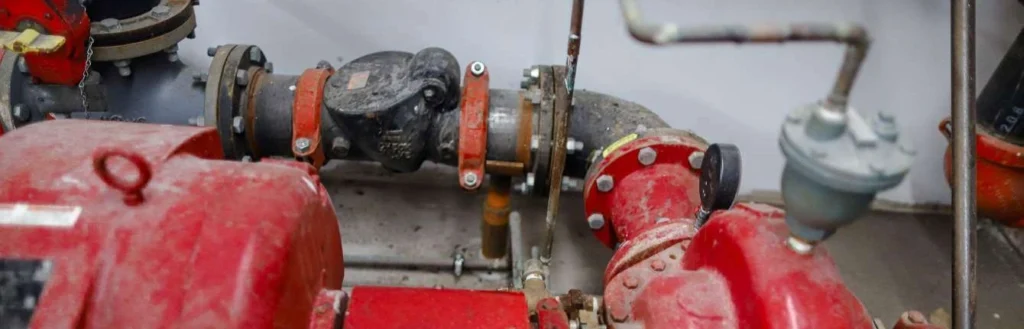
In commercial facilities across Australia, fire pump reliability is not a “nice to have.” When an alarm happens, the motor must start, reach speed, and hold pressure long enough to protect people and property. That is why these fire pump motor protection basics belong in the first conversation: safe power supply, correct starting method, proper protection devices, clean wiring, and documented testing routines. From there, the rest of the story gets practical and hands on. Because electrical motor safety is a chain of details, and one weak link can turn a routine event into a very expensive drama. Like a dramatic Netflix season finale, except this one involves real risk.
For facilities that want the broader maintenance picture tied together, Kord’s fire pump service offering fits naturally into the workflow by aligning inspections, testing, maintenance, and reporting around the system that actually has to perform when the pressure is on.
Commercial fire pumps depend on clean electrical safety
Electrical motor safety for commercial fire pumps starts before a technician touches a terminal. In fact, the facility team first needs to confirm that the pump circuit design matches the motor nameplate and the pump duty. Then they verify that protective devices match the starting current and locked rotor conditions. Finally, they ensure the installation allows safe heat dissipation and proper cable sizing.
When this work stays vague, motors often pay the price. Heat, insulation stress, and nuisance trips show up as “mystery faults” that appear only during testing. Meanwhile, the controller can also hide issues, such as loose connections or corroded terminations, which quietly increase resistance until the next call for water. And yes, water is the whole point. So it helps to protect the electricity that makes the pump do its job.
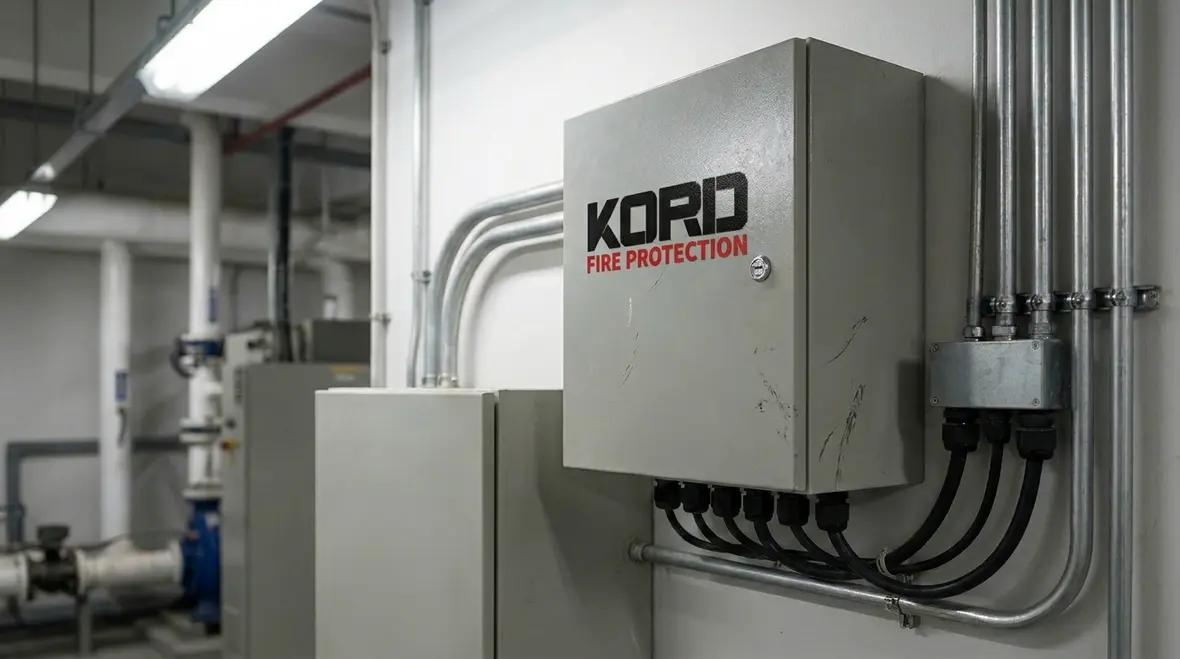
How power quality and surge events threaten pump motors
Fire pump motors live in the real world, which means they face voltage dips, harmonics, and surge events from nearby loads. For example, large compressors cycling, elevator motors starting, or welding activity can create brief disturbances that do not bother other equipment but still stress sensitive motor protection components.
To control this risk, facilities should measure incoming voltage stability and check the health of electrical distribution upstream. Then they can select protective strategies that tolerate the normal inrush current during starting, while still tripping when conditions become dangerous. After that, technicians should verify grounding and bonding integrity, because poor grounding can increase fault currents and create unpredictable behaviour.
When power anomalies repeat, the motor insulation system can degrade faster than expected. Over time, that shows up as phase imbalance, rising temperatures, and eventual insulation failure. And because fire pumps are infrequently run during normal operations, crews may only discover the issue during a periodic test. At that point, the system must still perform. So prevention stays the better business decision.
Motor starters and protection devices: the real safety line
Most commercial installations use specific starting equipment and protection devices to handle starting current and fault conditions. That includes motor starters, overload protection, short circuit protection, and in many systems, controller monitoring for phase loss or motor running confirmation. The goal is simple: protect the motor and enable a dependable start when the fire pump command arrives.
To get this right, a facilities team should confirm the following points during commissioning and scheduled inspections:
- Correct overload settings based on the motor service factor and temperature rise, not guesswork
- Proper short circuit coordination between the upstream protective device and the motor protection element
- Healthy contactors and relays with verified contact resistance and mechanical operation
- Phase sequence and phase loss detection that match the motor wiring layout
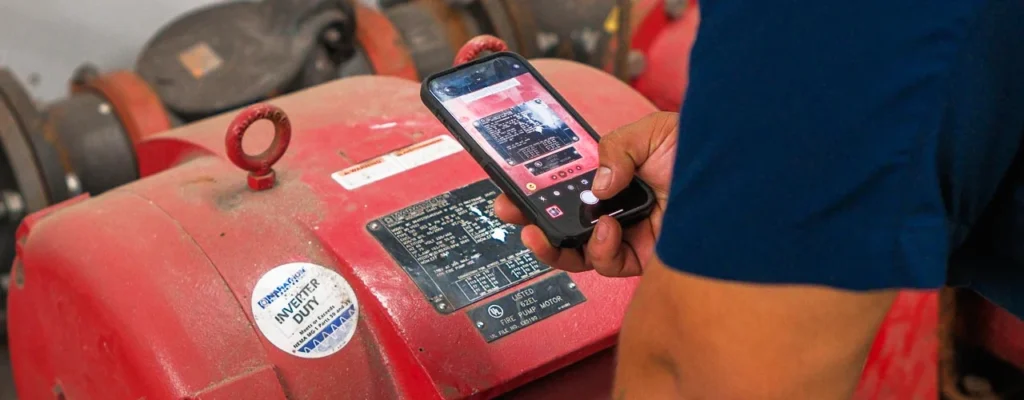
- Insulation resistance checks at intervals that align with the site’s risk and environment
Technicians should also look for signs of wear such as pitted contacts, heat staining, and vibration-related loosening. If a starter panel looks like it survived a decade of bad coffee spills, that is usually a sign to inspect more deeply. In business terms, it prevents the kind of downtime that stops production and triggers internal audits. In safety terms, it helps the fire pump do what it must.
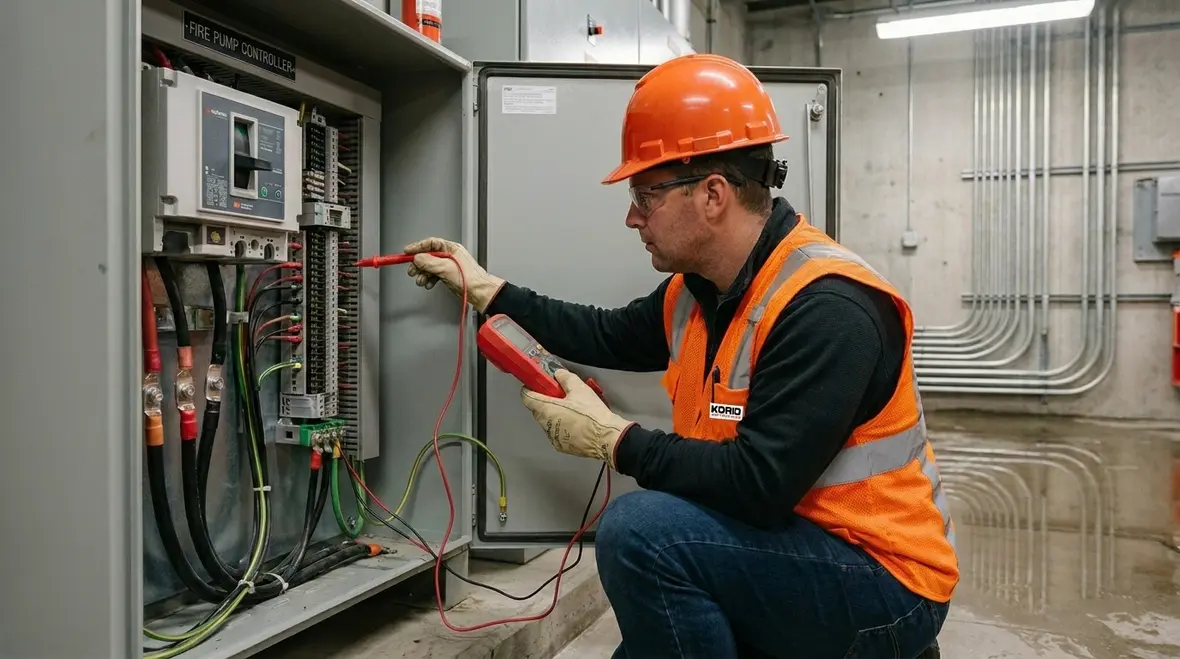
Wiring, terminations, and ingress protection in Australian sites
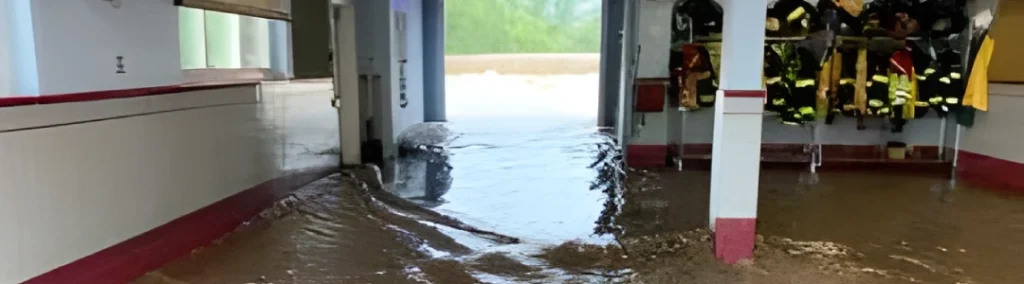
Even with the best protection devices, the motor can still fail if wiring and terminations degrade. Commercial facilities across Australia deal with heat, coastal salts, dust, and occasional water ingress. Over time, these conditions can attack cable jackets, corrode terminations, and reduce insulation value.
Therefore, crews should tighten, clean, and inspect terminations using proper methods. They should also confirm that cable glands, conduit seals, and panel door gaskets remain intact. Additionally, vibration can loosen terminal hardware, especially near pump foundations and equipment rooms with regular mechanical activity.
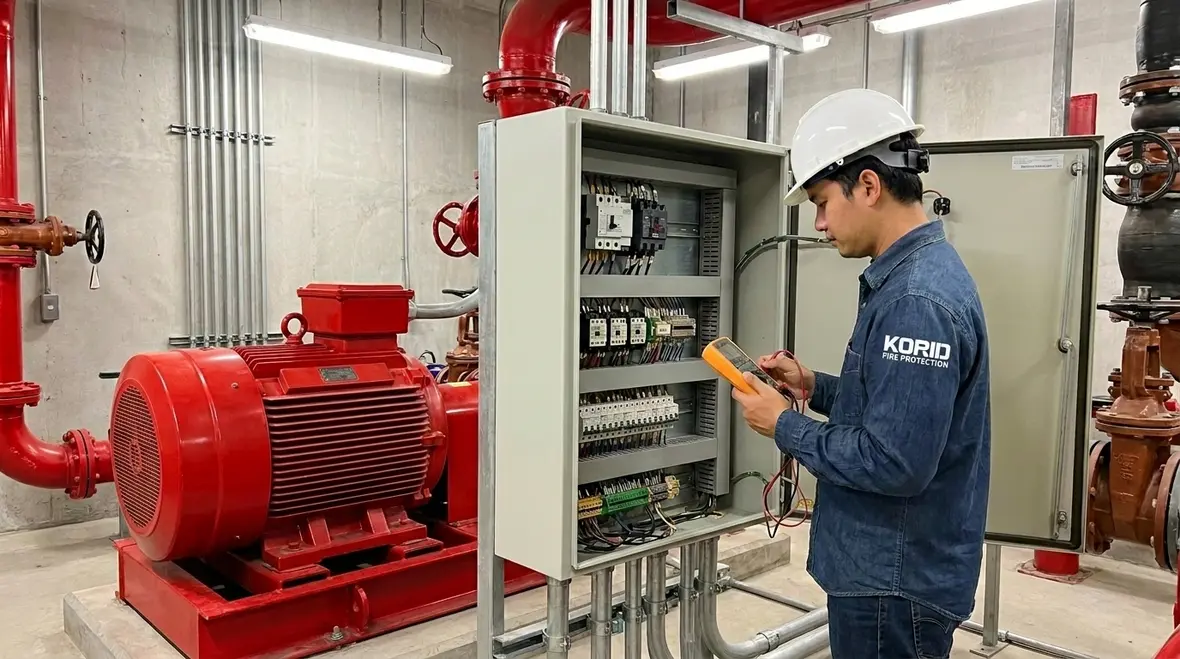
During inspections, technicians should follow a simple logic chain. First, they confirm cable runs remain protected from physical damage. Next, they validate conductor condition and insulation resistance. Then they verify that torque marks and re-tightening practices match the manufacturer’s guidance. Finally, they ensure the panel environment supports safe operation by checking ventilation openings, filter status where applicable, and ambient temperature limits.
Why environmental exposure quietly raises risk
This is one of those issues that can look boring right up until it becomes expensive. A little dust does not seem dramatic. A bit of moisture around a panel does not inspire a crisis meeting. But over months and years, those conditions can build a steady path toward corrosion, weakened insulation, and heat buildup at the exact points where electrical reliability matters most. Fire pumps do not care whether the failure came from a spectacular event or a slow drip and a layer of grime. Failed is failed.
Testing, documentation, and compliance-ready records
Electrical motor safety becomes more than good intentions when the facility tests and documents the system. Fire pump testing often includes run testing and functional checks. However, the motor protection story should also include verification that protection devices behave as expected under test conditions and that alarms log correctly. Kord’s related guide on fire pump testing requirements is a useful companion here because it connects day-to-day testing routines with the broader readiness picture.
That documentation must be consistent and easy to audit. Facilities should maintain clear records showing what was tested, what results were observed, and what adjustments were made. Then they should track trends such as recurring trips, rising insulation resistance values that decline over time, and repeated minor fault messages from the controller.
Here is where a partnership can matter. Kord Fire Protection can act as a vital partner with this service job by coordinating broader fire protection maintenance, supporting compliance timelines, and helping keep records organized. In other words, they help ensure the electrical safety work sits inside a bigger, reliable fire protection program rather than living as a standalone task that gets forgotten between busy weeks.

Where Kord Fire Protection fits the job workflow
Many facilities hire electrical contractors for motor protection, then later discover that the fire protection schedule and documentation are not aligned across disciplines. That gap costs time, creates friction, and increases the chance of missed checks. To reduce that, the site can build a workflow where motor protection aligns with fire system service activities.
Kord Fire Protection can help integrate that workflow so the facility gets a coordinated approach. For example, they can schedule tasks so that motor related electrical inspections happen alongside broader pump and fire protection maintenance, while still allowing technicians to carry out safe lockout and verification steps. They can also support consistent reporting so management teams see the same story across inspections.
Dual column overview:
Electrical motor safety focus
Confirm protection settings, verify wiring health, inspect terminations, test insulation resistance, and validate starter operation.
Kord Fire Protection partnership focus
Coordinate fire protection maintenance planning, help align records and compliance timelines, and support the bigger pump system service program.
Common failure patterns and how to prevent them
Facilities rarely see total motor failure first. Instead, they see early warning patterns. For example, repeated nuisance trips can indicate deteriorating contactor contacts, minor cable damage, or drift in protection components. Also, phase imbalance or repeated phase related fault messages often point to supply issues or loose terminations that increase resistance.
Technicians should treat these patterns like clues, not inconveniences. After one incident, they can check connections and test the electrical parameters. Then they can review whether the motor protection device settings remain correct for the motor’s operating conditions. If issues keep returning, it can be time to inspect the panel environment and confirm that protective components match the installation’s actual electrical behavior.
In a facilities environment, the fastest path to improvement is usually this sequence. First, isolate the root cause using safe test methods. Next, correct the installation or settings properly. Then, document results and schedule follow up checks at an interval that matches the risk. That approach turns “random faults” into a managed system, which makes operations calmer and audits easier. Nobody wants to explain to management why the fire pump failed. Unless management enjoys comedy, which is rare.
FAQ: fire pump motor protection basics in plain language
Final thoughts and call to action
Protecting commercial fire pump motors requires more than replacing parts. It needs careful electrical protection choices, strong installation quality, and disciplined testing records that show the system stays ready. Facilities across Australia can reduce surprises by building a clear workflow for motor starter safety and power protection.
Then, by partnering with Kord Fire Protection, teams can coordinate fire pump service and documentation so nothing slips through the cracks. Reach out to plan the next safety review and keep the full fire protection program moving in one clear, accountable direction.

Join Our Newsletter!
Get the latest fire safety tips delivered straight to your inbox From our Newsletter.