
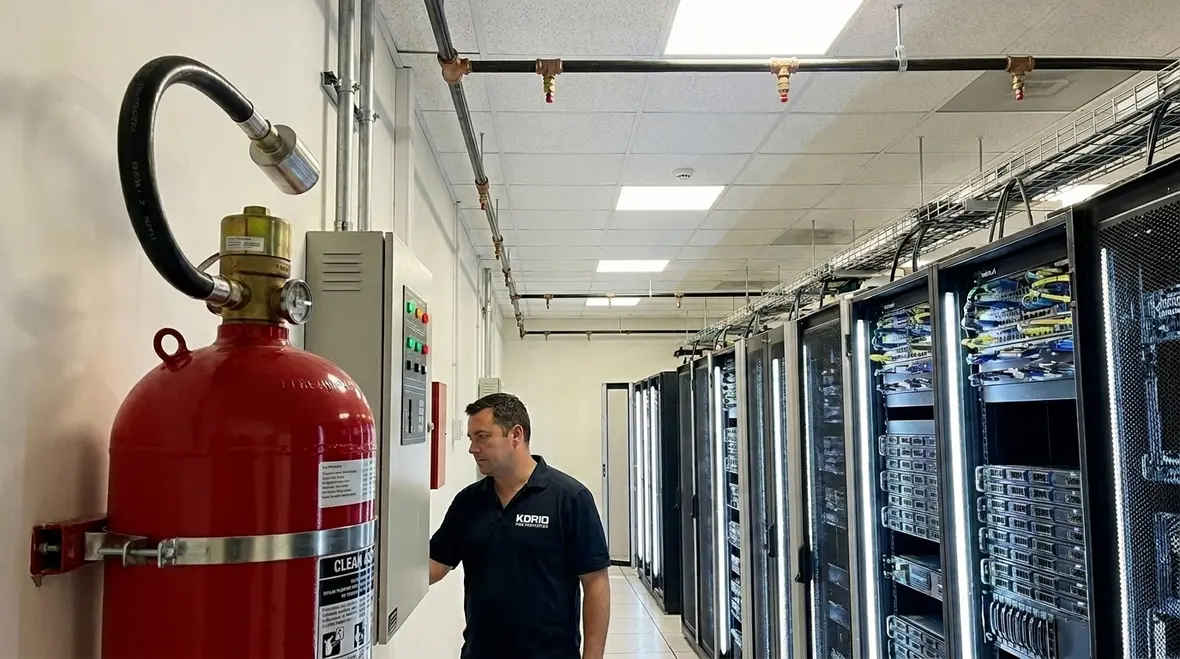
Clean Agent Fire Suppression for Server Rooms by Kord
In the modern data center, server rooms sit at the center of everything: emails, billing systems, backups, and the quiet hum of operations that keeps life moving. However, when smoke, heat, or stray electrical issues show up, the stakes rise fast. That is why server room fire suppression matters. This article walks through clean agent fire suppression, how it protects sensitive electronics without ruining the room, and why Kord Fire Protection can become a vital partner for planning, installation, and ongoing service. And yes, we will talk about fire safety without turning it into a bedtime story. (Although, if we did, it would be the kind where everyone wakes up alive.)
What clean agent fire suppression protects in a server room
Server rooms carry a mix of heat, power, and high-value hardware, and that combination creates a short path from “something smells warm” to “everything stops working.” Clean agent systems protect the people and the equipment by detecting a developing fire and releasing a fire suppressant that interrupts the fire chemistry or smothers the flame depending on the agent type. Unlike older methods that flood a space with residue or leave heavy cleanup behind, clean options focus on fast suppression with minimal harm to electronics.
Because server rooms depend on controlled airflow, steady temperatures, and strict equipment handling, a fire response plan must fit the real environment. In other words, the system cannot act like it is throwing water balloons at a problem it does not fully understand. It needs careful design, proper placement, and correct discharge timing. When that is handled well, the room can return to service without turning into a demolition project.
Kord Fire Protection’s clean agent fire suppression service page explains that these systems are designed for data centers, server rooms, and other critical environments where water could cause more damage than the fire itself. That lines up perfectly with what a server room needs: fast action, no residue, and as little collateral damage as possible. Near the planning stage, it also helps to review Kord Fire’s broader fire suppression services so the suppression strategy fits the building’s overall protection approach.
How the clean agent system works step by step
Detection, alarm, and release sequence
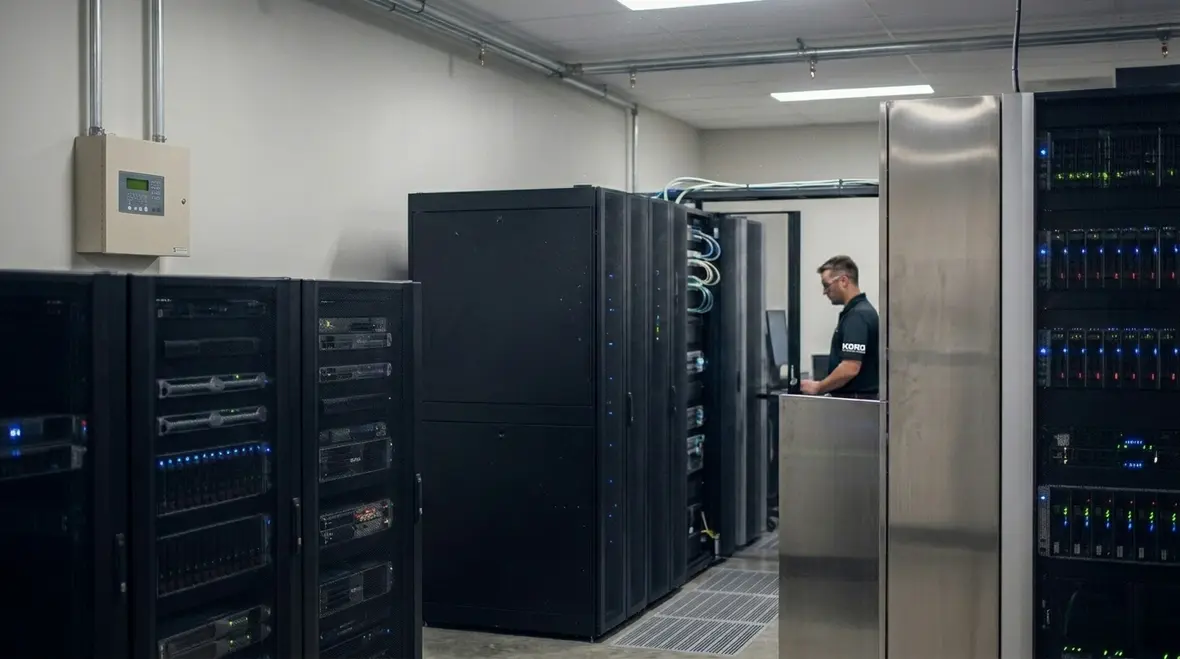
First, the system monitors for warning signs through heat and smoke detection devices. Then it follows an alarm and pre discharge workflow, so occupants and equipment have time to respond based on the site plan. After that, the control panel triggers the release of the clean agent when conditions match the threshold.
Next comes the part that matters for servers: the suppressant reduces the ability of the fire to continue. Many clean agents work by changing the chemical balance of combustion and limiting the reaction chain. As a result, flames shrink and stop spreading instead of growing into a bigger event.
What happens after discharge
Finally, maintenance teams verify system readiness, and operations teams review the timeline so they know what happened and when. That combination of technical accuracy and human clarity helps during drills and real incidents alike. Fire is urgent. Confusion makes it worse.
Kord Fire’s server room guide and FM-200 overview both emphasize how quickly clean agent systems can act in these environments, especially when detection and release logic are set up correctly. The point is not just speed for speed’s sake. It is speed with control, so the system responds before a small thermal issue turns into a major outage. That is a much better story than “we saw smoke and then chaos happened.”
Why this approach helps keep downtime low
When fire suppression discharges, the goal is not just to stop flames. The goal is to stop flames with the least disruption possible to the rest of the infrastructure. Clean agents typically leave little residue, which can reduce cleanup time, limit corrosion risk, and avoid the mess that other suppression choices can bring.
Also, the design of the hazard area matters. If the system covers the correct zones and the room meets the enclosure needs, the discharge becomes more efficient. Then the team can restore operations faster because they are dealing with fewer secondary issues like moisture damage or contaminated surfaces.
Of course, nothing in life is perfect. If a room is poorly sealed or airflow management fights the system, the protection performance drops. Therefore, service work before installation and periodic testing after installation become essential. It is like tuning a musical instrument: the performance sounds better when the setup is right.
What to check before installation and commissioning
Design review and enclosure readiness
Successful server room fire suppression begins long before a cylinder ever opens. Teams typically review building layout, ceiling type, rack arrangements, and ventilation patterns. They also confirm the protected volume and determine where nozzles or distribution pathways should go so the agent reaches the hazard area effectively.
Additionally, they validate detection placement and alarm zoning. If detectors sit in the wrong spots, they might respond too early, too late, or to the wrong signal. Then the release sequence may not match the reality on the floor. That is why design documents must align with how the room is actually used, not how it was imagined on day one.
Commissioning and communication checks
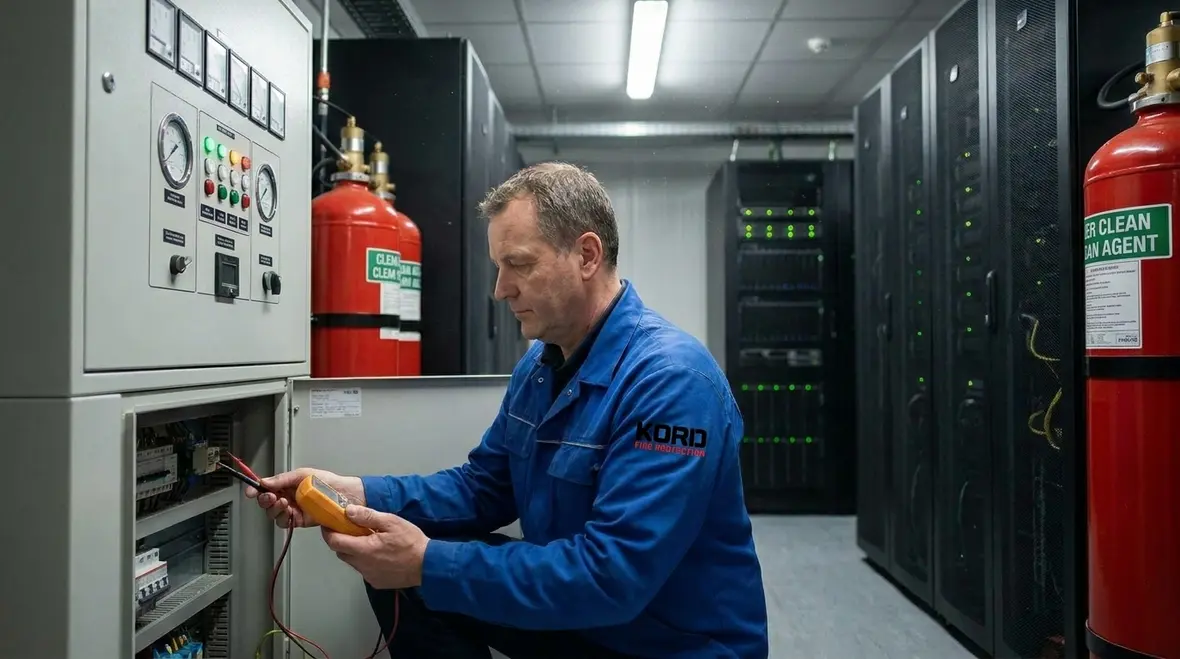
Commissioning should include functional tests, leak checks where required, and confirmation that control panels communicate correctly with monitoring systems. Furthermore, the team should confirm that emergency procedures match the actual discharge plan. If staff cannot explain what happens during an alarm, then alarms stop being training and start being panic.
This is where Kord Fire’s room integrity testing content becomes especially useful. Their articles on clean agent suppression and room integrity testing explain why a system can look great on paper and still underperform if the room leaks too much. That is an uncomfortable truth, but a helpful one. Better to find out during commissioning than during a real fire when everyone suddenly becomes a philosopher about sealing penetrations.
How Kord Fire Protection supports ongoing protection and peace of mind
Even well designed systems need steady care. Clean agent systems include mechanical components, electrical monitoring, storage hardware, and release controls that must stay within required tolerances. Over time, dust, changes in room layout, new equipment, and updated operational schedules can shift conditions. Therefore, inspections and service visits should be planned, documented, and executed consistently.
This is where Kord Fire Protection can become a vital partner. They can support the full lifecycle, from early risk assessment and design coordination to installation oversight and periodic service. They also help teams maintain readiness by supporting test plans, reviewing alarm logs, and aligning service records with local standards and insurance expectations.
If you want a direct starting point, Kord Fire’s clean agent fire suppression systems page lays out the services offered for server rooms, data centers, and other sensitive spaces. It also pairs naturally with their dedicated fire suppression services page when your facility needs a broader look at special hazard protection.
Service focus
- System inspections and functional checks
- Detector and control panel verification
- Agent storage and release hardware checks
- Documentation and compliance support
Business impact
- Fewer surprises during testing or an actual event
- More accurate alarms and faster, correct response
- Reliable discharge performance when it counts
- Smoother audits and easier coordination with stakeholders
Planning drills and procedures that staff will actually follow
A fire plan fails when it lives only in a binder. Instead, server room fire suppression protection should connect to real workflows: badge access, rack management, remote support, and how teams communicate during an alarm. When staff understand the steps, they act with purpose.
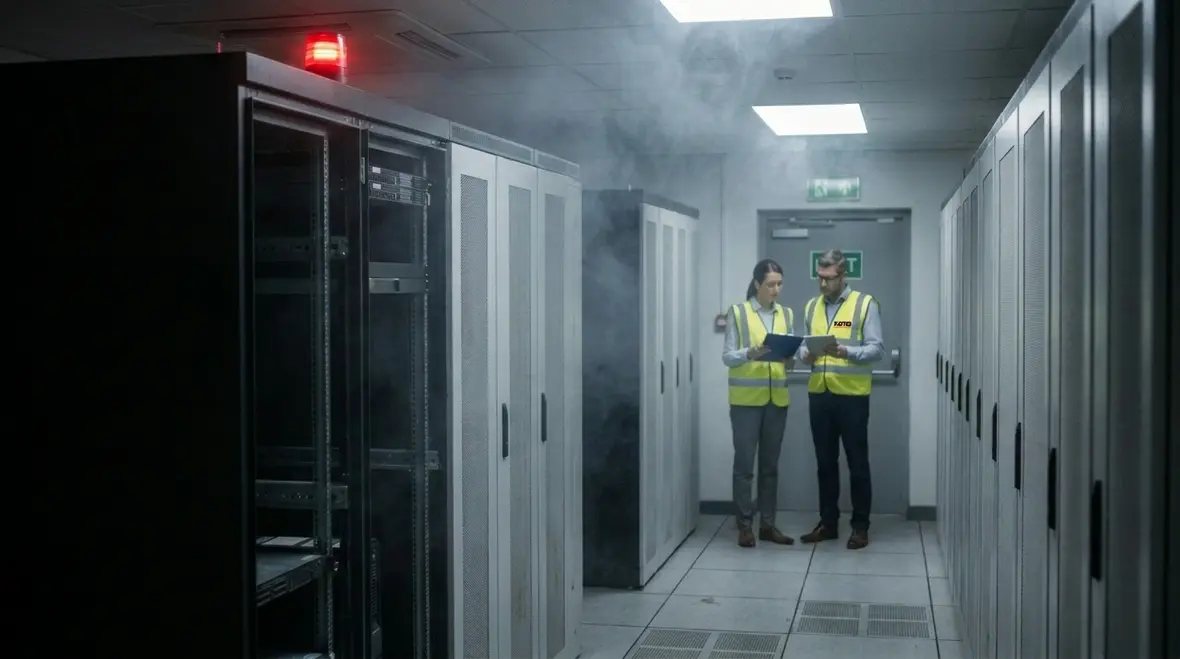
During drills, the team should practice notification, confirmation of safe shutdown actions when appropriate, and verification of evacuation routes. Then they should review what happened, including any false alarms and how those signals were handled. If the drill turns into a blame session, nobody learns. If it turns into a calm post event review, the whole organization improves.
Also, leaders should plan for after the event. Even when the system suppresses cleanly, there are still questions about inspection, equipment screening, and system reset. Assign roles in advance so the recovery process starts immediately rather than after someone remembers the plan at 2 a.m.
Kord Fire’s articles on server room suppression and clean agent systems for critical equipment reinforce a simple idea: technology protection works better when procedures, detection, enclosure, and maintenance all cooperate. That may sound less exciting than an action movie, but it is exactly what keeps action movies from happening in your server room.
FAQ about clean agent systems for server rooms
Final call for server room protection
Fire risk does not wait for budget cycles. If a server room failure would interrupt revenue, customer service, or operations, then clean agent fire suppression deserves a real plan, not a guess. Kord Fire Protection can help teams move from design intent to dependable performance through commissioning support, service, and readiness checks.
Take the next step now. Contact Kord Fire Protection to evaluate the space, confirm system fit, and build a protection plan that keeps uptime and confidence intact. A strong place to start is Kord Fire’s clean agent fire suppression service page, and near the broader service level, their fire suppression services page is the right CTA for facilities that need a complete special hazards conversation.

Join Our Newsletter!
Get the latest fire safety tips delivered straight to your inbox From our Newsletter.



