Fire Detection and Suppression Systems Global Use Explained
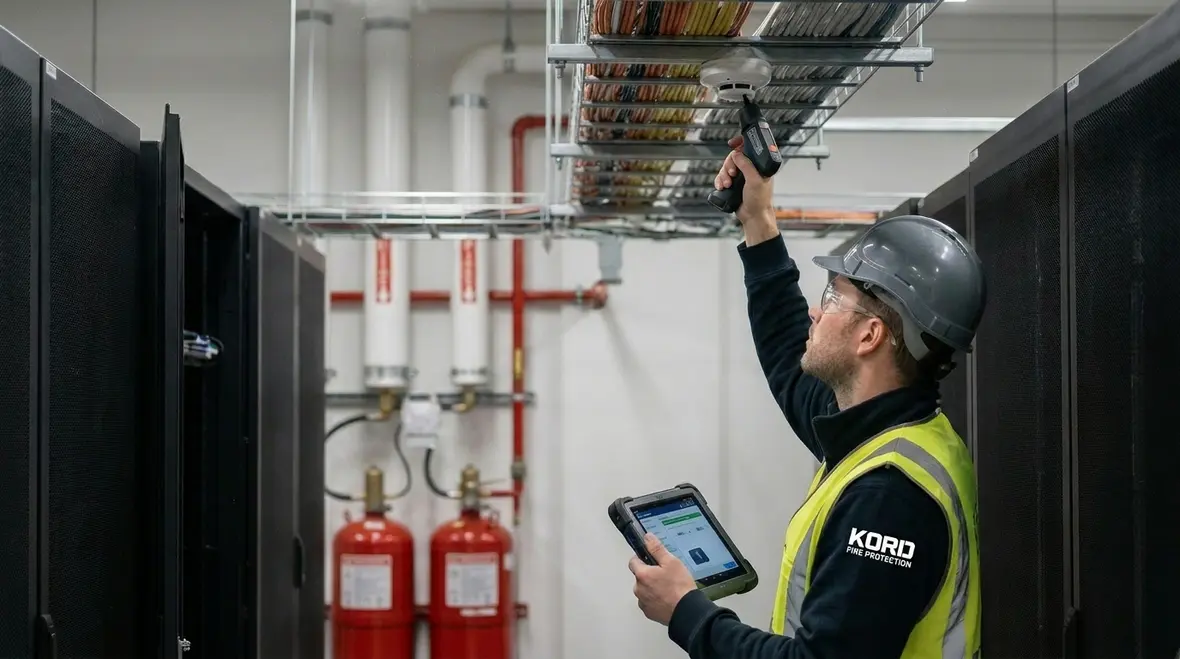
When clients ask how fire detection and suppression systems global use supports safety around the world, Securiton teams answer with a simple truth: the same logic that protects people in one country can protect them everywhere, when it is designed, installed, and maintained the right way. These Securiton systems span airports, data centers, warehouses, hotels, and industrial plants across many regions. In every market, kord fire protection technicians help explain the why behind the technology, so owners understand what the equipment does, what it does not do, and how it fits the building they actually occupy.
And yes, fire safety can feel like a “boring spreadsheet” topic until it saves your day. Then it becomes the headline, not the paperwork.
How Securiton fire detection and suppression works in the real world
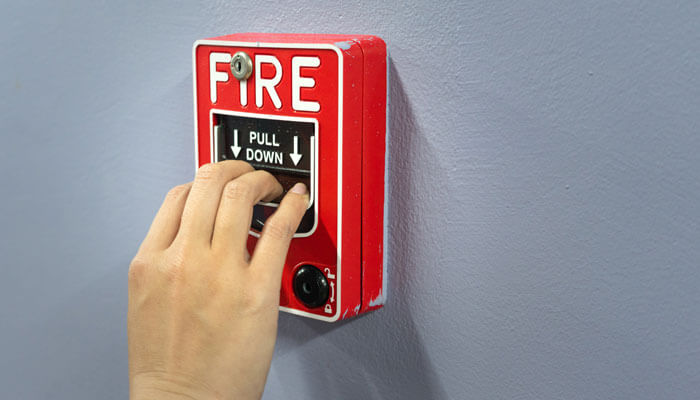
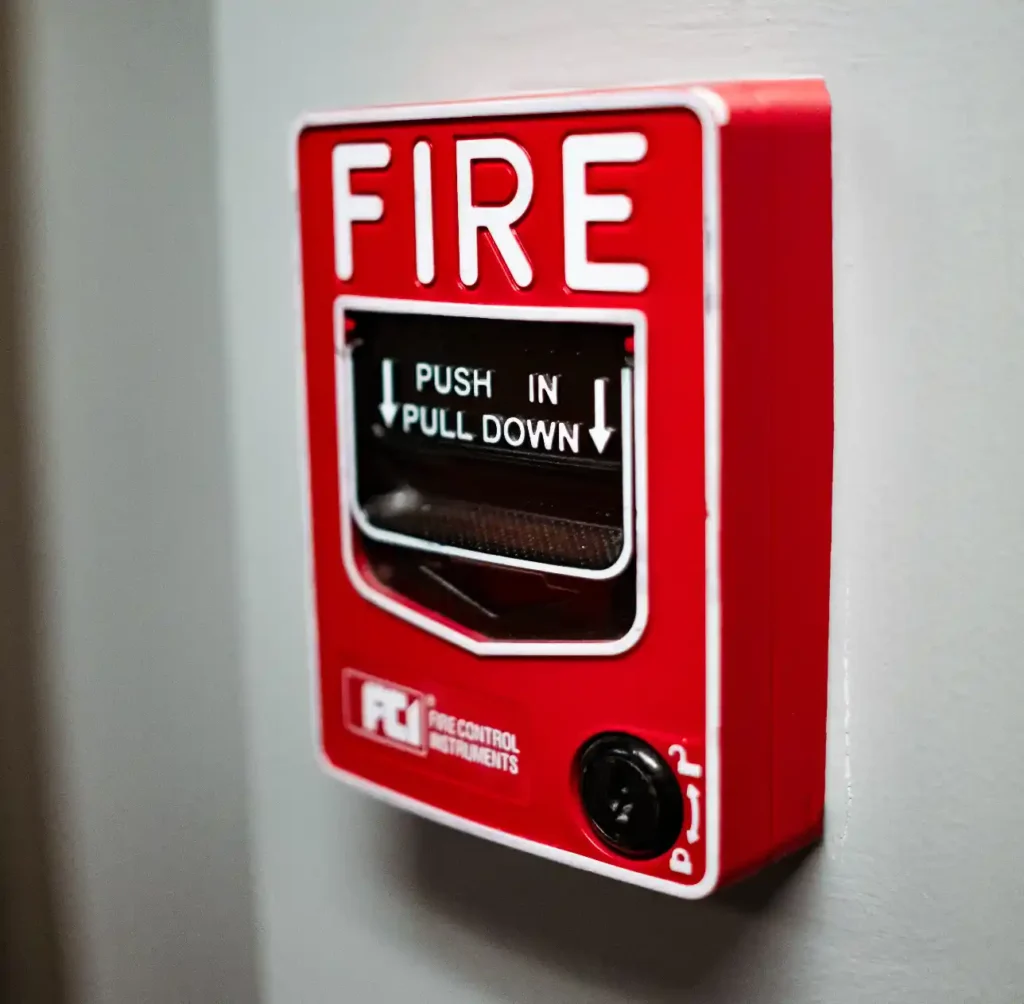
Securiton fire detection and suppression systems global use starts with a chain of events that stays consistent even when the buildings change. First, sensors watch the environment for early signs of fire such as smoke, heat rise, or specific gases depending on the selected detection method. Then the fire control panel evaluates the signal pattern and decides whether the event matches a real fire scenario or a harmless condition like steam from a kitchen or dust from construction.
Once the system confirms a fire condition, it triggers planned actions. Depending on design, those actions can include alarms for occupants, notification to monitoring services, release of suppressant agents, and activation of supporting systems such as ventilation shutdown or door hold open release. Importantly, the design aims to protect life first, and then reduce property loss. In short, detection and suppression work together like a coordinated crew, not like two separate departments.
For staff and contractors, the value sits in clarity. The equipment sends signals the panel understands, and the panel sends instructions the building can follow. That is why kord fire protection technicians often spend time walking stakeholders through alarm logic and cause and effect diagrams before anything goes live.
Where it is commonly installed worldwide
Fire risk does not respect borders, and neither does the need for fast, reliable response. Therefore, the installations commonly appear in locations where smoke spreads quickly, valuable assets sit close together, or downtime costs are painful.
Common global installation zones include:
- Industrial manufacturing: where heat and ignition sources vary, and where suppression must match the hazards, not just the floor plan
- Warehouses and logistics centers: where high-rack storage hides fire growth and can accelerate spread
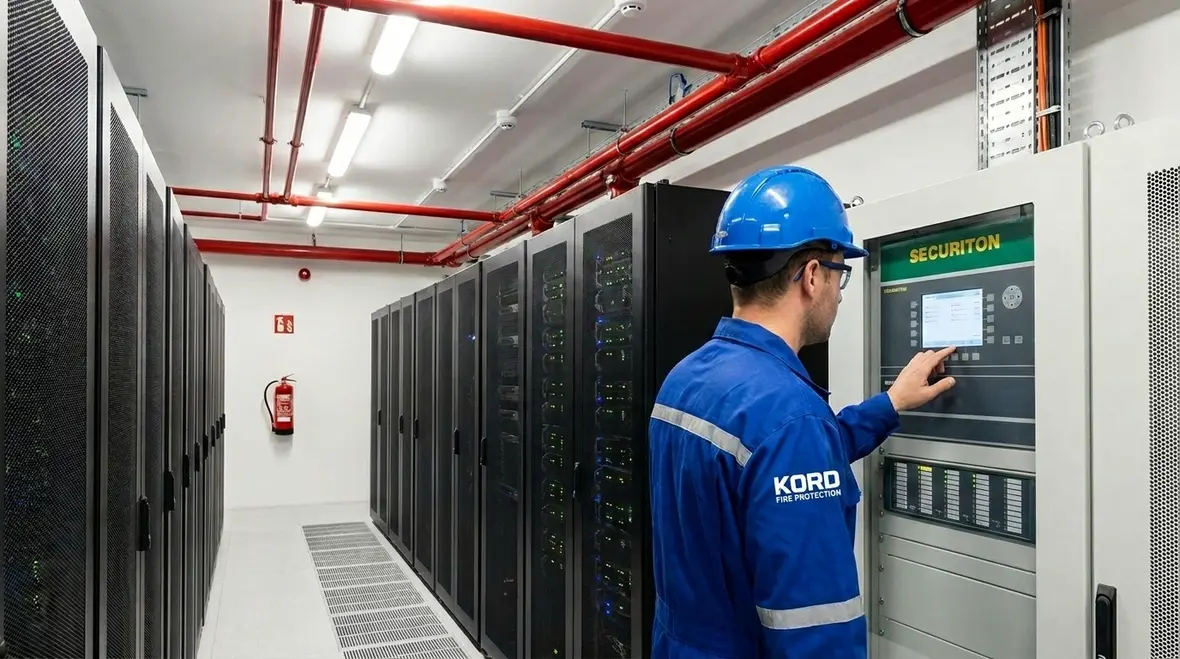
- Data centers and telecom rooms: where clean agent strategies help protect equipment and reduce cleanup time
- Commercial and hospitality buildings: where occupant notification and life safety compliance matter most
- Healthcare facilities: where delayed detection becomes dangerous and response time must stay predictable
- Transportation hubs: including terminals and stations, where detection must handle complex airflow
Then, there are the high-risk spaces owners sometimes forget. Electrical rooms, generator enclosures, transformer areas, and stock rooms can carry significant hazard loads. Consequently, Securiton fire detection and suppression systems global use frequently expands beyond “obvious rooms” once survey teams perform a proper hazard review.
As a quick pop culture reminder, most people remember the movie scenes, but the system needs to see the “quiet moments” before smoke becomes a scene. Detection catches the early signals before they become drama.
Key benefits and tradeoffs for owners
Designed well, these systems deliver fast, targeted action. They can reduce smoke damage, limit spread, and protect critical spaces while supporting planned emergency procedures. Also, many designs support monitoring and reporting, which helps facility teams document performance and respond quickly to alerts.
There is a tradeoff, though, and it is not hidden. System performance depends on selection, placement, and maintenance. In other words, if a building holds different airflow patterns than the design assumed, the system may require tuning or revalidation. Similarly, suppression must match the hazard classification. Using a suppressant strategy in the wrong application becomes like wearing a raincoat to a snowstorm and hoping for magic.
Other practical tradeoffs include:
- Installation disruption: coordination with contractors matters, especially in occupied facilities
- Room sealing requirements: certain suppression approaches depend on integrity of compartments
- Agent selection impact: some agents favor equipment protection and low residue, while others favor different hazard coverage
- Alert management: notification design must prevent panic and prevent alarm fatigue
When kord fire protection technicians explain these points, the goal is not to overwhelm. It is to prevent surprises after commissioning, when everyone suddenly becomes an expert in “why the system did what it did.”
Service and lifecycle requirements that keep them reliable
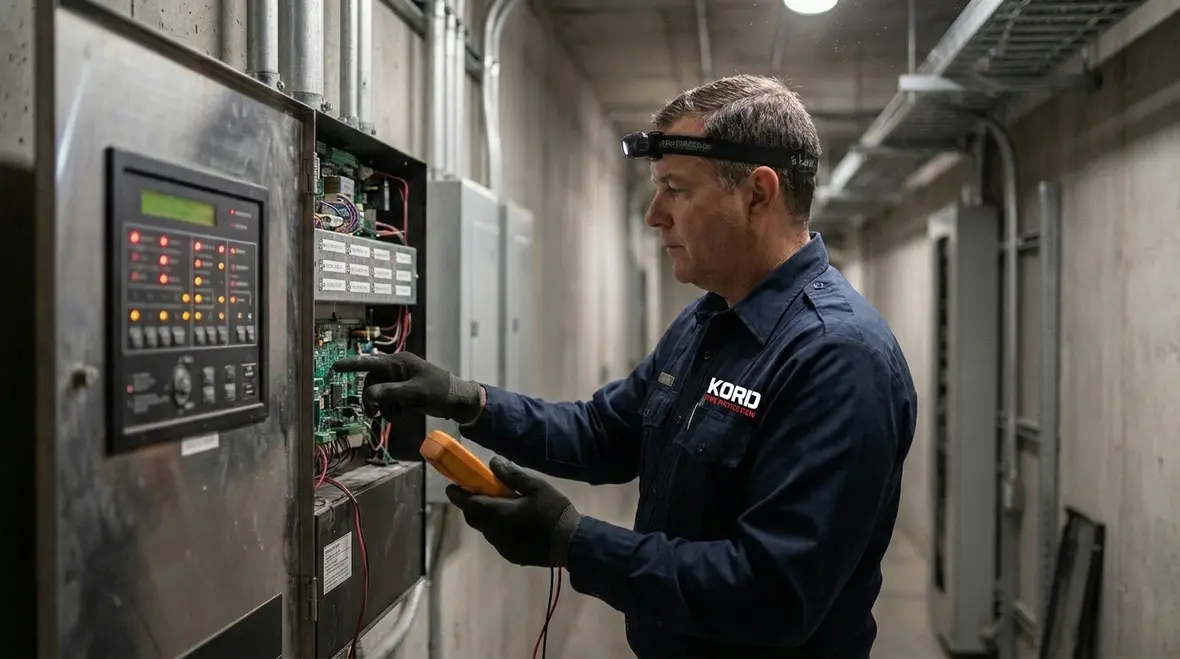
Fire protection does not end at installation. In fact, the lifecycle is where performance gets protected. Securiton systems require planned inspections, testing, and documentation to confirm the system still matches the building today, not the building from last year.
Typical lifecycle needs include:
- Routine inspections and cleaning: removing dust buildup and verifying detector health
- Functional testing: verifying alarm transmission, panel operation, and device responses
- Suppression system checks: confirming agent integrity, control valves, and discharge readiness
- Software and configuration review: updating logic when occupancy or layouts change
- Record keeping: maintaining logs for audits, insurers, and internal safety reviews
As facilities evolve, so does the risk. A new rack configuration in a warehouse, a refreshed HVAC layout, or a remodel that changes ceiling height can change detection and suppression performance. Therefore, owners should require change notification and revalidation after major construction, tenant improvements, or equipment swaps.
Here is where process matters. A solid service plan assigns who checks what, how often, and how issues get corrected. When maintenance teams follow that plan, the system stays calm and dependable, even when the building is anything but calm.
Applicable codes and standards used in design and inspection
Fire detection and suppression requirements change based on jurisdiction and hazard type. However, the design process usually aligns with widely recognized codes and standards for fire alarm systems, detection performance, and suppression equipment acceptance.
In practice, qualified designers and service providers reference applicable local regulations and national standards, including requirements related to fire alarm, notification, detection spacing and siting, and inspection and testing. For suppression, designers follow the standards governing specific agent types, installation methods, and discharge controls, plus local authority having jurisdiction interpretations.
Even when the details differ, the workflow stays consistent. Engineers identify hazards, define coverage goals, select components, validate placement, and then commission with functional testing. After that, inspection programs verify continued compliance over time. kord fire protection technicians typically support this by reviewing documentation and ensuring field conditions match the approved design assumptions.
Because codes often reference testing frequencies and documentation rules, owners should treat compliance paperwork as part of the safety system, not as a separate task. After all, the fire department does not grade slide decks.
Dual column example: what teams plan before installation
To show how global projects stay consistent across markets, teams often plan using parallel tracks like these:
| Design track | Operations track |
|
|
So, when fire detection and suppression systems global use expands into a new country or a new site, the project does not start from scratch. Instead, teams reuse the proven process and adjust for local requirements and actual building conditions.
FAQ: quick featured answers
Use these systems the smart way, not the hopeful way
In real life, the best outcome comes from clear design, correct installation, and disciplined maintenance. Therefore, owners and facility managers should use these systems by matching detection and suppression choices to the actual hazard, training staff on the response plan, and scheduling inspections before problems grow legs. Kord fire protection technicians can help teams understand what each component does and how the system behaves in alarms, supervisory events, and suppression sequences. When organizations treat safety like an ongoing practice instead of a one time purchase, the system performs when it matters most.
Call to action: If a facility owner or contractor wants a dependable plan for life safety and property protection, they should request a site review and a walkthrough of system logic, placement, and maintenance needs. Securiton fire detection and suppression experts, including kord fire protection technicians, can guide the next steps, help align the design with local requirements, and build a service approach that keeps the equipment ready for the moment it earns its keep. Reach out today to schedule an assessment and bring calm back to the safety plan.
Want a practical compliance and maintenance plan?
Review the related guidance on complex fire alarm and supervisory testing to keep documentation and testing aligned with real-world operation.
Know Your Weapon Before You Fight the Flame
Kord Fire Protection is your go-to when it comes to all things fire protection. For over 20 years, we’ve been serving Southern California with the quality service and equipment to keep your home or business safe at all times. Our competitive prices reflect our unwavering commitment to protecting what matters most in the event of a fire emergency. Give us a call, send an email, or use that form!

Join Our Newsletter!
Get the latest fire safety tips delivered straight to your inbox From our Newsletter.