
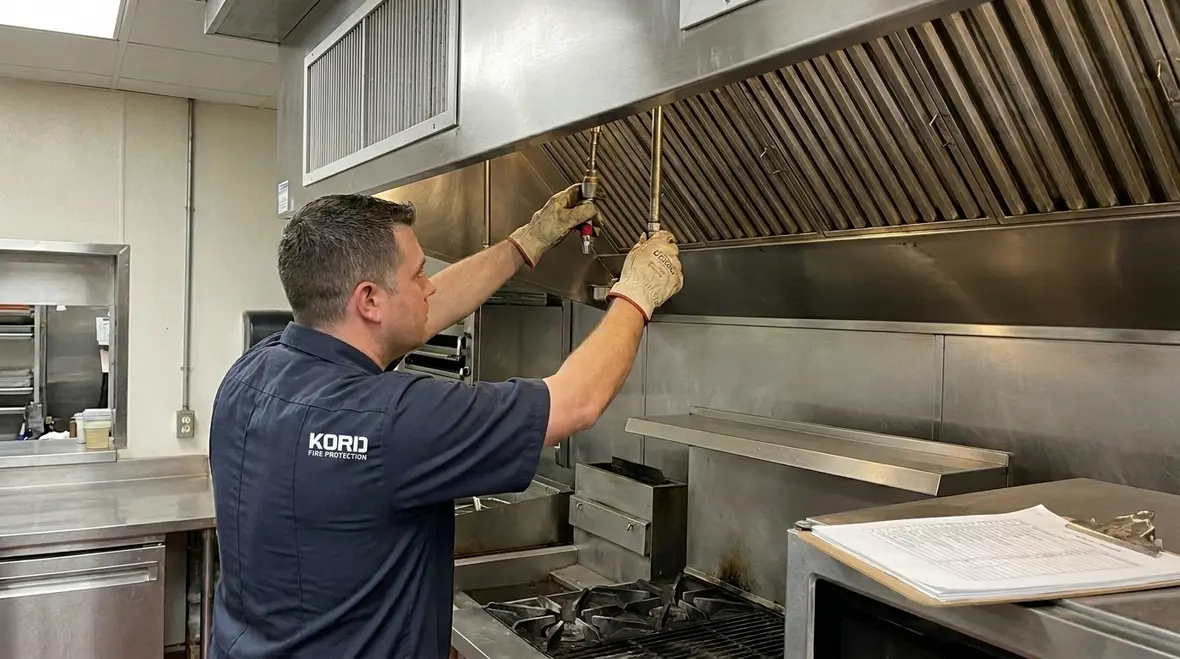
Restaurant Fire Suppression Maintenance Checklist for Owners Managers
Restaurant fire suppression maintenance keeps a restaurant ready for the worst day, before it shows up uninvited like a surprise pop quiz. In this guide, third person outlines a practical checklist used to inspect, test, and service the systems that protect kitchens, dining rooms, and storage areas. It covers what teams should verify on schedules, what to document, and which red flags require immediate attention. Most importantly, it explains how Kord Fire Protection can become a vital partner by helping operators stay compliant, reduce downtime, and keep protection systems performing when every second matters. Because when the alarm lights up, nobody wants to find out the hood system last got checked “sometime last year.”
Restaurant fire suppression maintenance checklist for owners and managers
A solid checklist does not start with paper. It starts with a walk through the kitchen and back of house, then it matches what is seen to what the system was designed to do. First, staff should confirm the type of system installed, since kitchen fire suppression usually differs from other hazards. Then they should align maintenance tasks to the system manual, local requirements, and the last service date. Restaurant teams that already rely on UL 300 and restaurant hood suppression systems guidance can use that context to make sure the checklist reflects real cooking hazards rather than generic assumptions.
In practice, restaurant teams can use this sequence as a backbone for restaurant fire suppression maintenance. The goal is not to create busywork. The goal is to spot anything that could delay discharge, weaken coverage, or leave somebody staring at a system that looks official but behaves like it missed rehearsal.
- Verify access to all protected areas, including the hood, duct runs, and any clean out points
- Check that no changes occurred that could block discharge or alter airflow
- Confirm that sprinklers or nozzles have not been painted, obstructed, or damaged
- Inspect pull stations, system status indicators, and related wiring pathways
- Review extinguisher placement and ensure they match the hazard areas in the floor plan
- Document findings with photos when something looks off, because memory is not a maintenance tool
Next, the restaurant team should decide who does what. Some tasks require trained technicians, while others include visual checks and cleaning support. However, when restaurant fire suppression maintenance becomes consistent, fewer surprises end up on the schedule. That is usually the moment managers stop treating inspections like interruptions and start treating them like insurance against chaos.
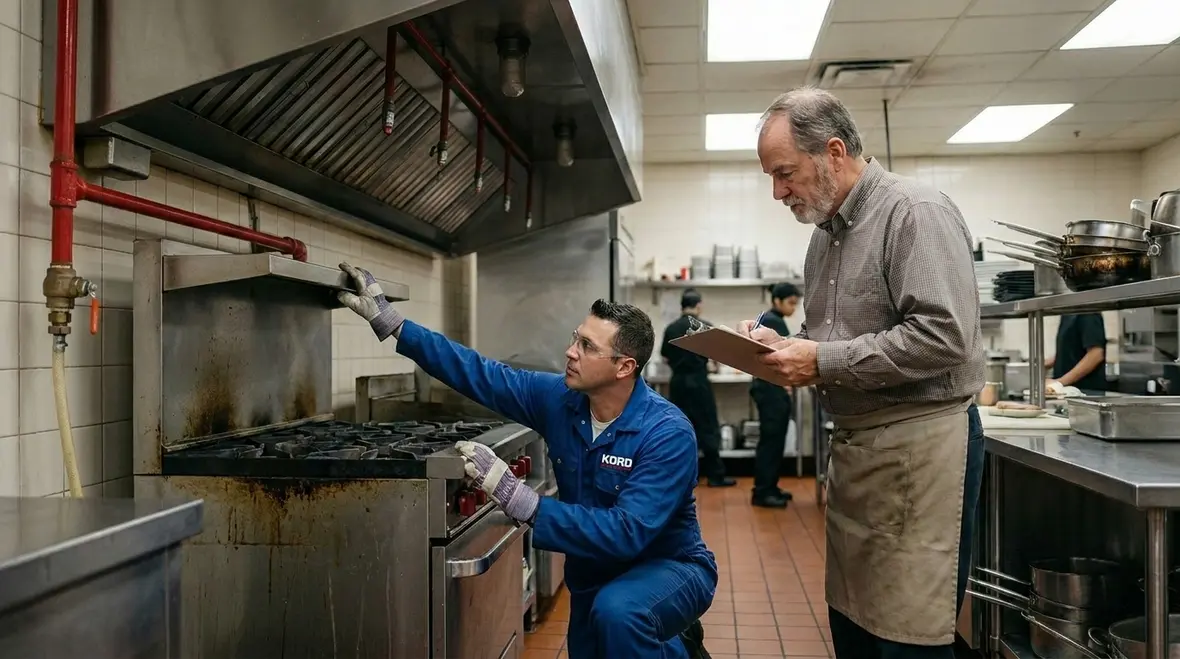
Monthly and quarterly checks that prevent surprise failures
Many failures start small. Therefore, monthly and quarterly checks focus on obvious issues that can grow fast, especially in kitchen environments where heat, grease, and humidity live. For example, a nozzle that collects residue may still look intact, yet it can slow discharge or reduce effectiveness. The same goes for a control panel that keeps flashing a minor trouble condition. It may be easy to ignore until the day it decides to become the main character.
Routine visual checks worth repeating
- Look for physical damage to nozzles, piping, cables, and hangers
- Confirm nozzles and detection components remain clean and unobstructed
- Inspect control panels for trouble conditions, loose covers, or corrosion
- Check that kitchen fans, duct dampers, and hood filters do not interfere with protected paths
- Verify signage, access doors, and discharge clearance stay open and usable
Then the team should compare notes from prior visits. If the same trouble code shows up repeatedly, the restaurant should not treat it as a ghost story. Instead, it should schedule focused troubleshooting. Consistency matters here because repeating little checks is often what prevents the big expensive lesson later. Restaurants that want more context on why modern kitchens need system specific protection can also review this UL 300 restaurant hood fire suppression guide for a clearer picture of how updated suppression is meant to perform.
Annual inspection steps for hood and duct systems
Annual work should go deeper, because kitchen hazards change with equipment upgrades, remodels, and everyday wear. First, technicians typically confirm system condition, test components where required, and validate that the system can actuate properly. Next, they examine the protected duct and hood assembly and verify that the suppression system interfaces correctly with heat or detection elements. This is where assumptions stop and proof begins.
Core steps in an annual review
- Review of design intent, coverage areas, and hazard classification
- Detailed inspection of detection devices and release mechanisms
- Verification of pressure levels, agent quantity, and discharge path readiness
- Inspection of ductwork penetration points and nozzle alignment
- Functional checks based on manufacturer requirements and local standards
- Testing and verification that alarms transmit to the correct location when applicable
Also, the restaurant should make sure cleaning routines do not undo suppression performance. Grease buildup affects many parts of a kitchen, and if it hides where it should not, the system can lose time during the critical moment. In other words, annual service is where the restaurant stops guessing and starts proving. Owners planning upgrades, retrofits, or complete replacements can compare their current setup against the ideas in the UL 300 upgrade checklist for commercial kitchens to see whether their protection still matches the equipment on the line.
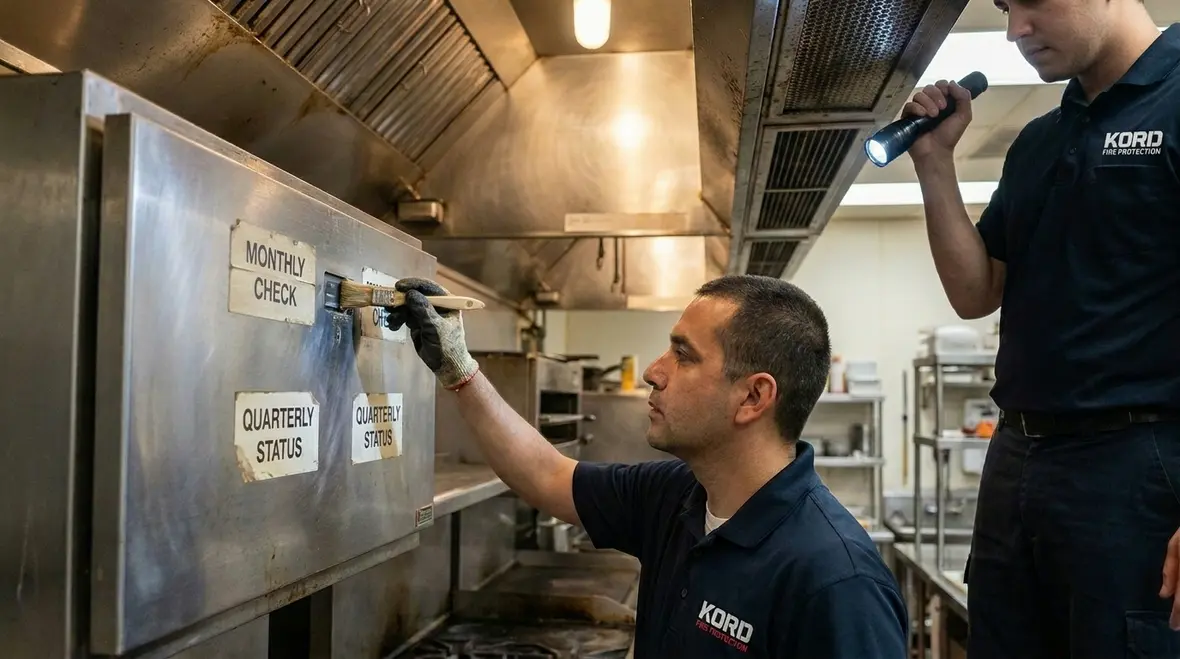
How to spot problems early during inspections
Restaurant teams do not need to become fire engineers, but they do need strong observation. Therefore, they should watch for patterns that suggest the system will underperform during a real event. Early warning signs often show up as small changes in appearance, layout, or documentation. They are easy to brush off when the lunch rush is building. They are much harder to brush off after an incident report lands on the desk.
- Frequent dust and grease accumulation around detection heads and control wiring
- Evidence of modifications, new hood appliances, or rerouted duct work without system updates
- Loose labels, missing manuals, or outdated schedules in the maintenance log
- Paint overspray on nozzles, covers, or inspection ports
- Corrosion, moisture intrusion, or signs of rodent activity near control panels
When staff notices any of these items, they should document the location and notify the service provider quickly. After all, waiting usually turns a fix into a repair bill that feels like it came from a sitcom villain. And nobody needs that plot twist. A practical rule is simple: if something changed in the kitchen, the suppression system deserves a second look too.
Paperwork, logs, and compliance that hold up under pressure
In the real world, inspections and audits come when schedules are already packed. So a restaurant must keep clean records. Proper documentation shows that the restaurant operates with intent, not hope. It also helps the restaurant coordinate repairs without losing track of system history. Good paperwork is not glamorous, but it is a lot more fun than trying to explain missing records while flipping through folders like the room suddenly turned into an escape challenge.
What a strong maintenance file should include
- Service dates and scope of work, including what was checked and what was tested
- Deficiency reports with corrective actions and completion dates
- Any replacement parts used, along with manufacturer details
- Photos of key components when issues appear
- Sign off by a qualified technician, plus contact information
Then, the restaurant should store the file in one secure location and back it up digitally. That way, when a regulator asks for proof, the restaurant can answer fast and calmly. Just as important, the historical record helps reveal recurring issues, repeated service calls, or equipment changes that never made it into the suppression plan.
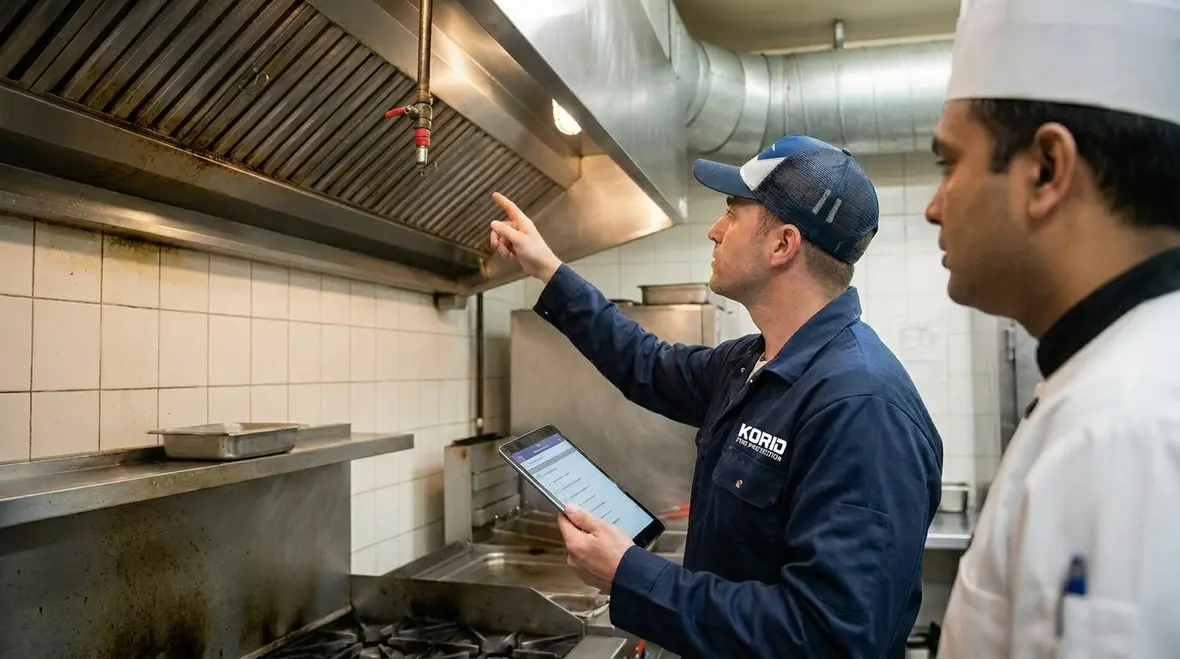
Kord Fire Protection as a long term partner for fire safety
Fire protection should not feel like a one time transaction. It should function like a steady routine, with skilled support that understands how restaurants run. This is where Kord Fire Protection becomes a vital partner. They help restaurants plan restaurant fire suppression maintenance around real operational schedules, so protection work does not disrupt service more than it has to. Restaurants comparing broader options can also review fire suppression system design, types and maintenance for a wider view of how inspections, upgrades, and planning fit together.
Additionally, a good partner does more than show up with tools. They help restaurants connect the dots between kitchen changes and suppression coverage, and they keep documentation organized for compliance needs. When a restaurant adds equipment, expands seating, or replaces a hood system, the protection plan must update too. Otherwise, the system can become a beautiful brochure that does not match the kitchen.
To keep things practical, Kord Fire Protection can support long term planning through clear service reminders, documented findings, and corrective action tracking. In short, they help the restaurant move from reactive fixes to proactive readiness. For owners who need direct service support, UL 300 restaurant hood fire suppression guidance and fire suppression services offer a clear path toward inspection, upgrade, and maintenance planning.
Dual column example for organizing the checklist
FAQ for restaurant fire suppression maintenance
Conclusion and next steps for safer service
Restaurant safety should not run on luck. With a clear restaurant fire suppression maintenance checklist, teams catch issues early, document everything, and keep systems ready for real fire conditions. That kind of routine turns emergency preparation into something steady and manageable instead of mysterious and last minute.
Then, by partnering with Kord Fire Protection, restaurants gain a reliable support plan that respects busy schedules while strengthening compliance. If the last service date is fuzzy or the kitchen has changed, it is time to schedule a review through UL300 restaurant systems or explore broader fire suppression services to build a maintenance path that keeps protection dependable.

Join Our Newsletter!
Get the latest fire safety tips delivered straight to your inbox From our Newsletter.



