ANSUL Kitchen Fire Suppression System Maintenance and Service
When a kitchen fire starts, seconds feel like hours. That is why the ANSUL kitchen fire suppression system matters in real-world operations, not just in training videos that never seem to look anyone directly in the eyes. This article walks through how these systems work, what they protect, and how service teams keep them ready when cooking, grease, and heat decide to improvise. And yes, there is a smart way to manage the job after installation too. Kord Fire Protection can become a vital partner, helping facilities stay compliant, reduce downtime, and handle inspections with the calm confidence that keeps owners focused on food, not flames.
Understanding what an ANSUL kitchen fire suppression system does
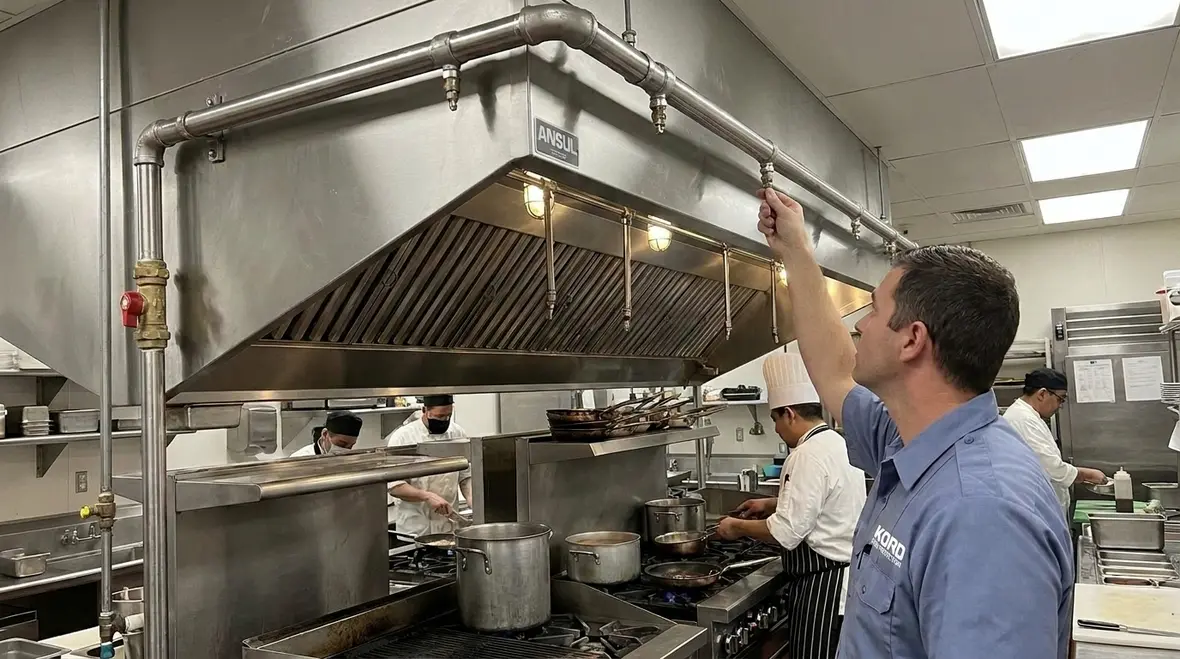
A kitchen is a special kind of risk. Heat sources sit close to cooking oils and grease, and that combination can turn a small flare up into a fast-moving event. The ANSUL kitchen fire suppression system is designed to detect fire conditions near cooking appliances and then interrupt the situation quickly. It aims to suppress flames and limit spread so people can evacuate safely and equipment damage stays as low as possible.
Instead of waiting for manual response, the system uses a detection and release process that begins automatically. Then it activates the discharge of an agent that is tailored for commercial cooking hazards. In plain terms, it works like a fire safety teammate that shows up before the whole team panics.
If you want a broader overview of how these protections fit into restaurant operations, Kord Fire Protection also covers the bigger picture in its guide on commercial kitchen fire suppression systems. That companion article lines up well with what owners and managers need to know before service schedules, inspections, and equipment changes start piling up. ([kordfire.com](https://kordfire.com/commercial-kitchen-fire-suppression-systems-explained/?utm_source=openai))
Why speed matters in grease fire protection
Commercial kitchens are not dealing with ordinary fire conditions. Grease, vapor, and high heat can stack the odds in the fire’s favor very quickly, which is exactly why these systems are engineered to react in the hood and appliance zones where problems start most often. Kord’s kitchen suppression content repeatedly points owners back to this reality: the system is there to stop a bad moment from becoming a full operational disaster. ([kordfire.com](https://kordfire.com/commercial-kitchen-fire-suppression-systems-explained/?utm_source=openai))
How detection and release work in real kitchens
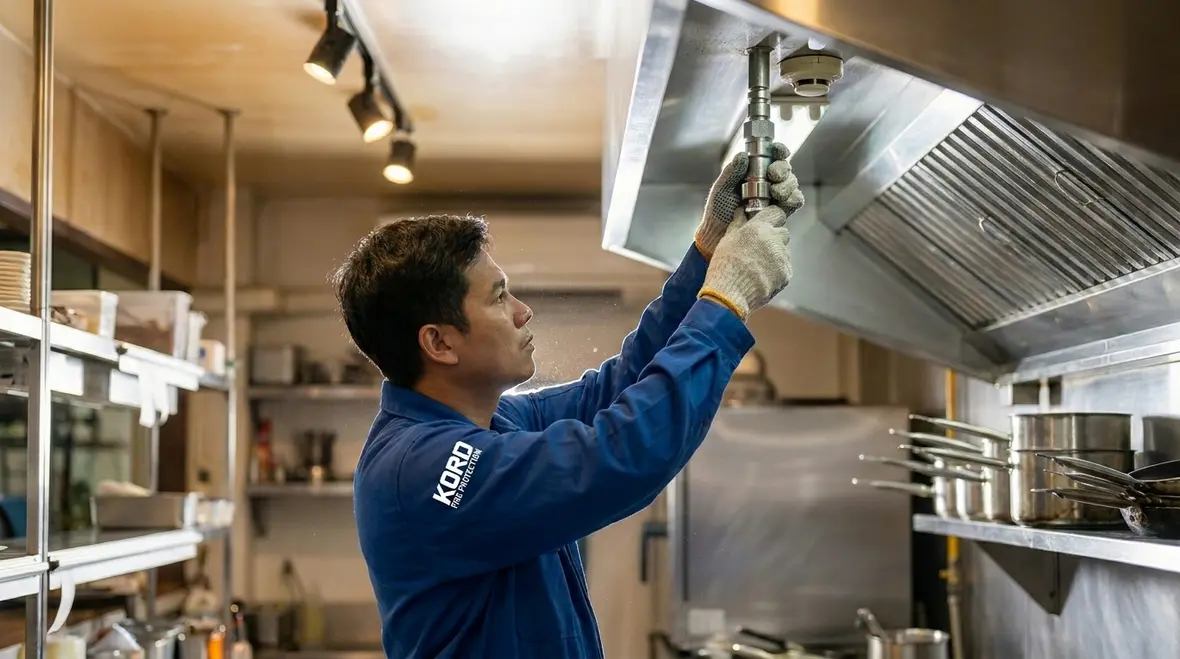
Most incidents begin when grease heats beyond safe limits or when a flare up ignites oil buildup. Therefore, the system focuses on the canopy and cooking area where heat and flames show up first. Heat-sensitive components trigger when temperatures rise beyond set thresholds. After that, the control portion releases the suppression agent at the right time.
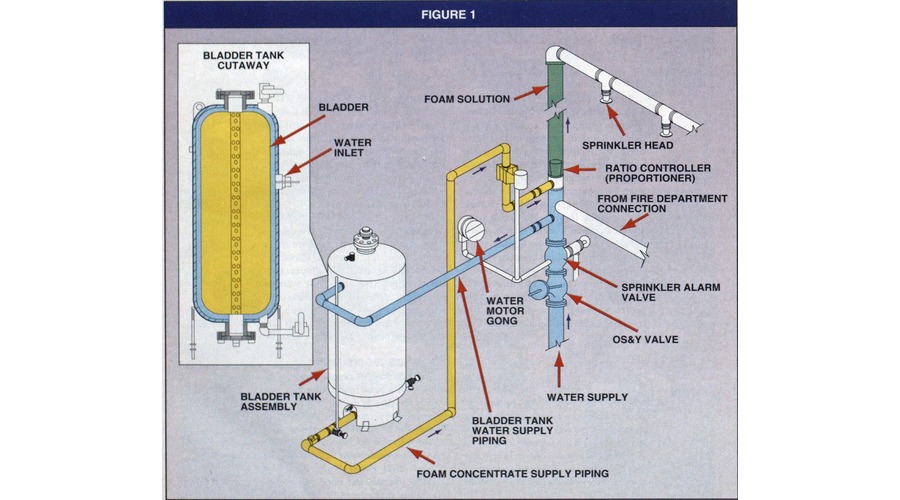
Once activated, the agent flows through the piping network and discharges onto the protected surfaces. This helps smother flames and reduce the oxygen supply around the fire. Additionally, it can cool hot areas, which lowers the chance of re-ignition.
Service teams also watch for proper distribution. If a line is blocked, kinked, or misrouted, the system may not perform as designed. For that reason, inspection and maintenance are not “nice to have.” They are part of safe operations.
The difference between installed and actually ready
A system can be physically present and still fall short if lines are obstructed, components have shifted, or previous service work took a few too many creative liberties. Kord Fire Protection’s related articles on coverage and interlocks underline the same point from different angles: readiness comes from correct configuration, clear access, and testing that reflects real kitchen conditions instead of wishful thinking. ([kordfire.com](https://kordfire.com/kitchen-fire-suppression-what-it-covers-and-does-not-cover/?utm_source=openai))
What the system protects and where the risks hide
In commercial kitchens, risk does not just live in the hood. It hides in gaps, vents, and grease accumulation points. The system primarily protects the hood, duct work, and cooking equipment zones. However, hazards can also appear in hood filters, exhaust openings, and areas where steam and grease collect.
Consequently, designers place components to match the layout. If the kitchen changes, the protection needs to match too. A remodel, new appliance line, or a changed exhaust route can shift the protected coverage and affect performance.
Moreover, many kitchen fires are a chain reaction. A small flame can ignite grease on nearby surfaces. Then it can travel along the duct path. Because of this, the system’s placement and agent delivery matter as much as the agent itself.
That is also why it helps to understand not only what the system covers, but what it does not cover. Kord Fire Protection makes that distinction clearly in its article on what kitchen fire suppression covers and does not cover, which is useful reading for owners who assume protection somehow extends everywhere all at once like a superhero movie budget. It does not. It is targeted, intentional, and tied to the actual hazard layout. ([kordfire.com](https://kordfire.com/kitchen-fire-suppression-what-it-covers-and-does-not-cover/?utm_source=openai))
Installation and ongoing maintenance that keeps performance steady
Installation should not feel like a guessing game. It should follow the manufacturer’s requirements, local fire codes, and the actual kitchen design. Technicians must verify proper layout, correct mounting, and correct piping connections. They should also confirm that the system discharges where it must, without delays or missed sections.
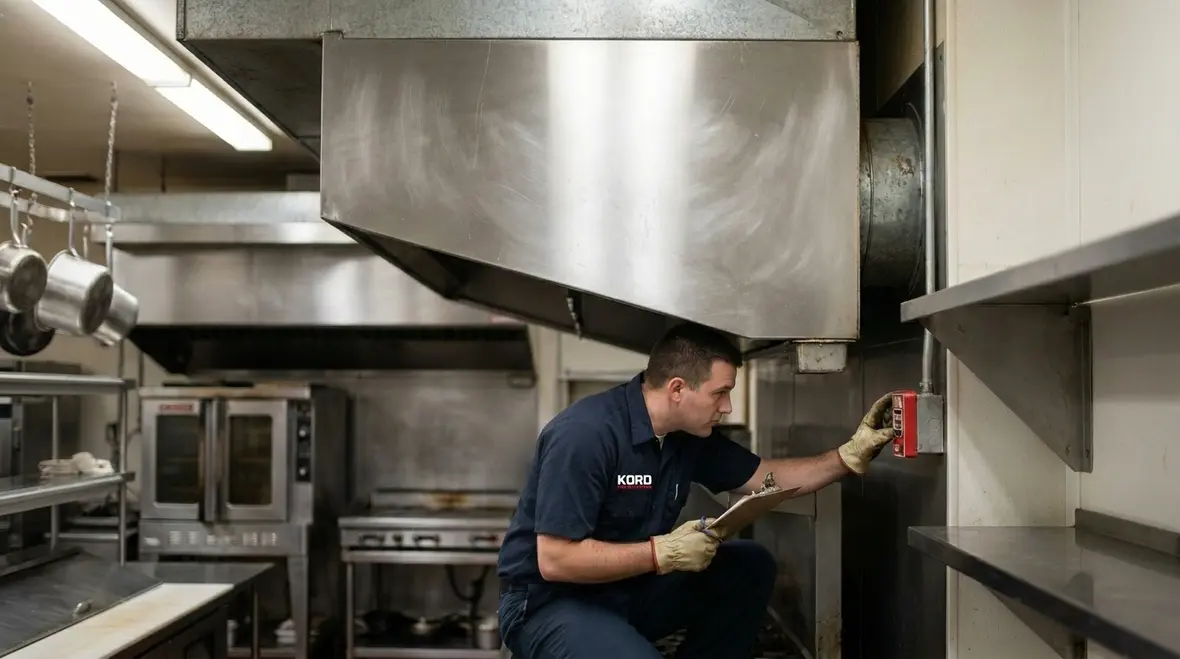
After installation, routine service keeps everything ready. That includes scheduled inspections, checks of actuating devices, verification of pressure or agent status, and inspection of release hardware. In addition, technicians should review signage and access so the system can be reached quickly during emergencies.
Now here is the part people tend to forget until it becomes a problem: the kitchen does not stay the same forever. Filters get replaced, appliances get upgraded, and remodels shift the flow of air. Therefore, service plans should include updates after changes, not just yearly checklists that look good on paper.
Maintenance is where compliance stops being theoretical
Kord’s recent kitchen safety articles keep circling back to the same practical truth: inspection tags, service records, and correct maintenance matter because inspectors and operators both rely on them. A system that matched the kitchen six months ago might not match it now if equipment moved, duct routes changed, or service was skipped while everyone promised to “get to it next week.” ([kordfire.com](https://kordfire.com/artesia-fire-suppression-systems-for-kitchens/?utm_source=openai))
Why inspections need a partner, not a single-and-done vendor
Facilities want reliability. They want to pass inspections. They want technicians who show up prepared instead of improvising with “good enough” parts and hope. This is where Kord Fire Protection can become a vital partner with the ANSUL kitchen fire suppression system service and job. Instead of treating fire protection like a one-time purchase, they help kitchens manage it as an ongoing safety program.
Furthermore, a strong partner coordinates documentation, maintenance records, and inspection outcomes in a way that supports business needs. That means fewer surprises, faster resolution of issues, and clearer guidance for owners and staff.
And let’s be honest, nobody wants a fire inspection day to feel like a pop quiz. With the right partner, the facility looks ready because it actually is.
For owners who want to connect kitchen protection with broader special hazard support, Kord Fire Protection also maintains a dedicated fire suppression services page. Their kitchen-focused content even points readers there as a logical next step when inspections, testing, and ongoing readiness need to be managed as a complete service path instead of a last-minute scramble. ([kordfire.com](https://kordfire.com/kitchen-fire-suppression-what-it-covers-and-does-not-cover/?utm_source=openai))
Common troubleshooting and how service teams prevent downtime
When problems occur, they can come from normal wear, kitchen modifications, or improper servicing in the past. Service teams often check for blocked lines, damaged fittings, loose connections, and components that shifted after repairs. They also examine how the system interacts with hood cleaning schedules and filter changes.
Additionally, techs verify that manual pull stations and related hardware are accessible and correctly identified. If signage gets removed during cleaning or remodeling, it can slow response time. So, they confirm everything aligns with the plan.
Preventive action usually beats emergency action. Therefore, proactive inspections can catch issues early, when the fix is simple and the business impact stays small. The goal is not just to “make it work.” The goal is to make it work when it counts.
What smart service teams usually catch first
- Blocked or misaligned discharge paths that can interfere with agent delivery.
- Fittings and connections loosened by routine vibration, cleaning, or previous service work.
- Manual pull stations that are technically present but awkwardly placed, hidden, or poorly labeled.
- Kitchen layout changes that quietly moved hazards outside the original protection assumptions.
- Documentation gaps that make inspection day much more exciting than anyone wanted.
That pattern matches Kord’s newer kitchen and interlock articles, which emphasize that downtime often starts with small overlooked issues rather than dramatic failures. Catching those details early is how service teams keep kitchens operational, compliant, and a lot less likely to become the subject of a very bad staff meeting. ([kordfire.com](https://kordfire.com/commercial-kitchen-fire-suppression-electrical-interlocks/?utm_source=openai))
FAQ about ANSUL kitchen fire suppression systems
Final call for kitchen safety readiness
A well-run kitchen protects people first, then equipment, then business continuity. The ANSUL kitchen fire suppression system helps deliver that safety by detecting hazards and suppressing fires in the areas that matter most. Still, performance depends on proper installation, careful maintenance, and timely updates after kitchen changes. That is where Kord Fire Protection can step in and keep the program organized and compliant.
If your facility needs a dependable path forward, schedule an inspection and service plan with Kord Fire Protection and review their fire suppression services for the next step. You can also keep reading with their article on commercial kitchen fire suppression systems if you want a practical companion guide before the next inspection cycle comes knocking. ([kordfire.com](https://kordfire.com/clean-agent-fire-suppression/?utm_source=openai))

Join Our Newsletter!
Get the latest fire safety tips delivered straight to your inbox From our Newsletter.