UL 300 Upgrade Checklist for Commercial Kitchens
There comes a moment in every commercial kitchen when the stainless steel still shines, the fryers still hum, but the fire suppression system overhead begins to show its age. That moment is where the ul 300 upgrade checklist steps in. It does not shout. It does not panic. It simply lays out, with calm authority, what must change to keep a kitchen safe and compliant. Throughout this guide, the ul 300 upgrade checklist will serve as the foundation, while seasoned Kord Fire Protection technicians explain what matters, what does not, and why upgrading an older system is not just smart, but necessary.
Understanding Modern Kitchen Fire Standards
Commercial kitchens have evolved. Years ago, animal fats dominated the stove. Today, vegetable oils burn hotter and longer. As a result, older fire suppression systems that once handled grease fires with confidence may now struggle against modern cooking hazards.
UL 300 standards were introduced to address this shift. They require systems that can suppress high temperature grease fires and prevent reflash. In other words, it is not enough to knock down the flames. The system must keep them down.
Kord Fire Protection technicians often explain it this way. An old system is like a flip phone. It worked great in its time. However, no one wants to stream movies on it today. Likewise, an outdated suppression setup may still look functional, but it may not meet current safety codes or insurance requirements.
Therefore, reviewing an older kitchen system against modern standards becomes essential for safety, compliance, and peace of mind. If you want a deeper dive into how modern kitchen suppression is designed, the Kord Fire team breaks it down in their guide on commercial kitchen fire suppression systems.
UL 300 Upgrade Checklist: Key Signs an Older System Needs Attention
Not every system needs a full replacement. However, several red flags suggest that a retrofit or upgrade should move to the top of the priority list.
1. Pre 1994 Installation
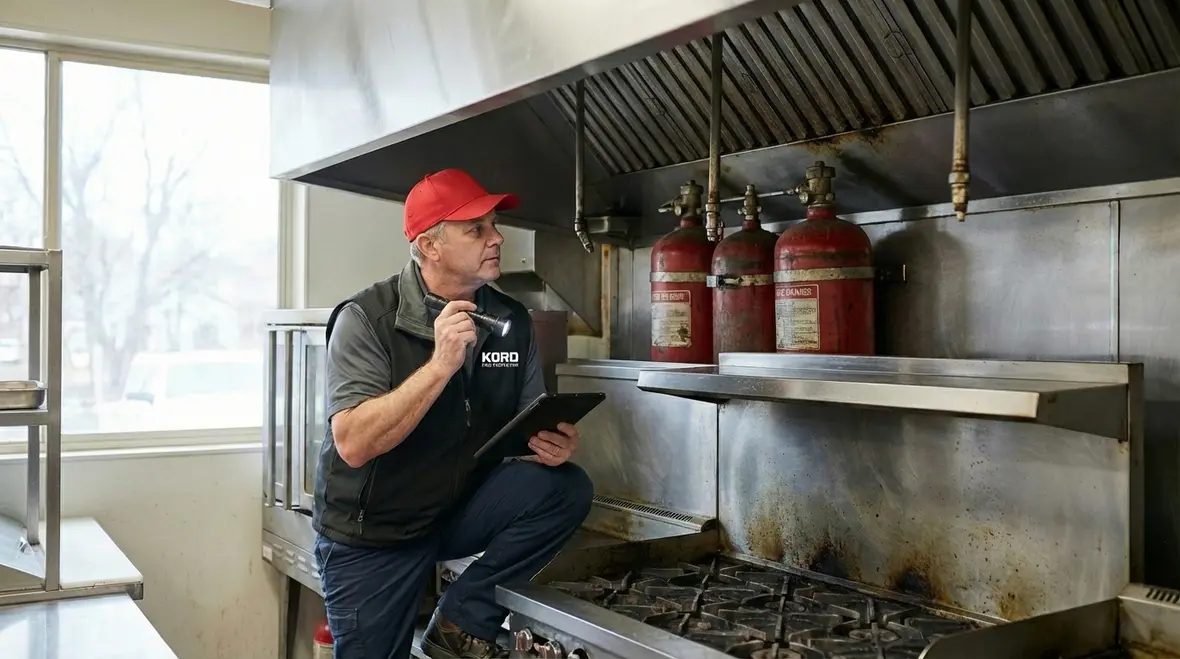
Systems installed before UL 300 standards were widely adopted often lack proper nozzle design and agent capacity for modern appliances. If your hood tag or paperwork predates 1994, it is a strong sign your system belongs on the UL 300 upgrade checklist.
2. Appliance Changes
If the kitchen added high efficiency fryers or new cooking lines, the original suppression layout may no longer provide proper coverage. Any time you rearrange or upgrade equipment, the suppression design should be reevaluated alongside it.
3. Undersized Agent Tanks
Older tanks may not hold enough suppression agent to meet today’s discharge time requirements. In a modern cooking fire, a tiny burst of agent is not enough; UL 300 demands enough volume and duration to fully cool surfaces and stop reflash.
4. Insurance or Code Citations
If an inspector raises concerns, that is not the moment to cross fingers and hope for the best. It is time to review the system thoroughly. Insurance carriers and local authorities increasingly expect UL 300 compliant systems, especially in busy commercial kitchens.
5. Repeated Service Issues
Frequent repairs can signal aging components that no longer perform reliably. If your service tags read like a repair novel, it is worth asking whether an upgrade would cost less, and protect better, than yet another patch.
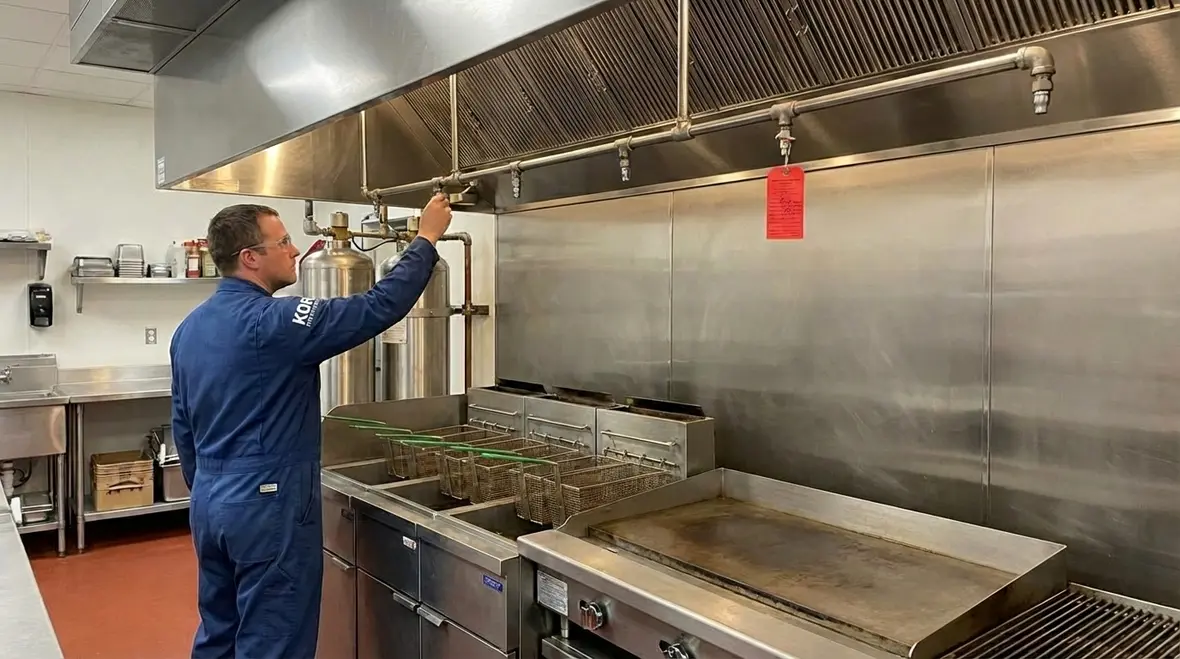
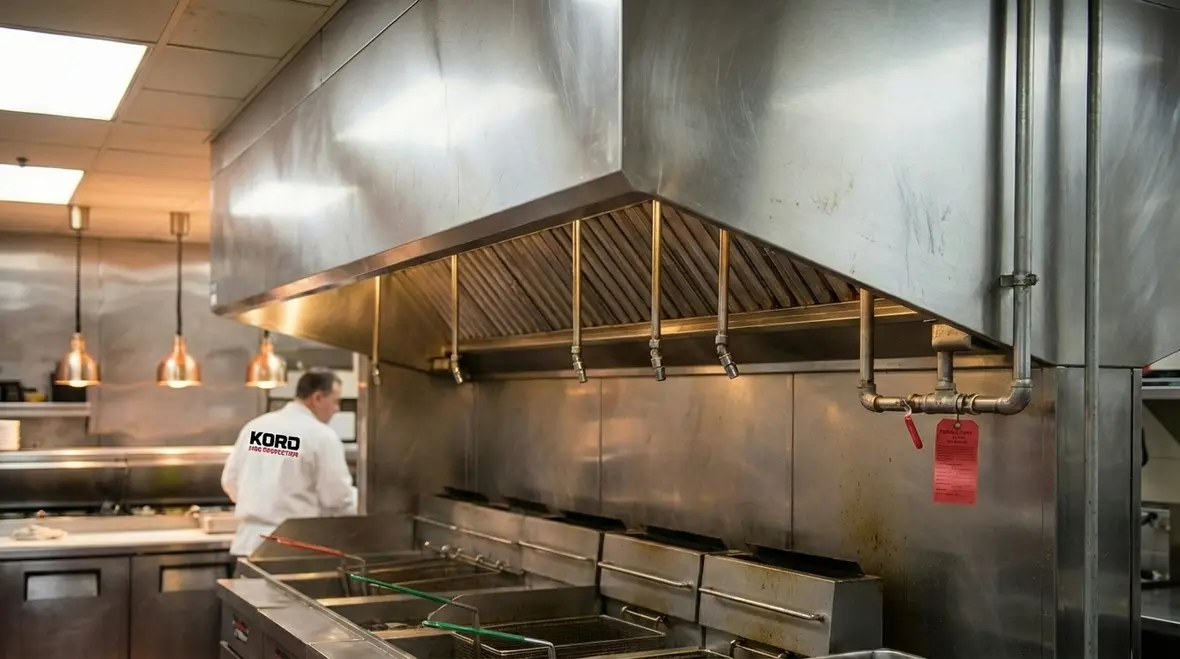
Kord Fire Protection technicians approach each kitchen with a detailed eye. They examine nozzle placement, agent type, detection lines, and manual pull stations. Moreover, they compare the setup to the latest code requirements. Because when it comes to fire protection, guessing is not a strategy.
What a Retrofit Actually Involves
When operators hear the word retrofit, they often imagine weeks of downtime and invoices that require a deep breath before opening. However, the reality is usually more controlled and far less dramatic.
Upgrading Tanks, Nozzles, and Detection
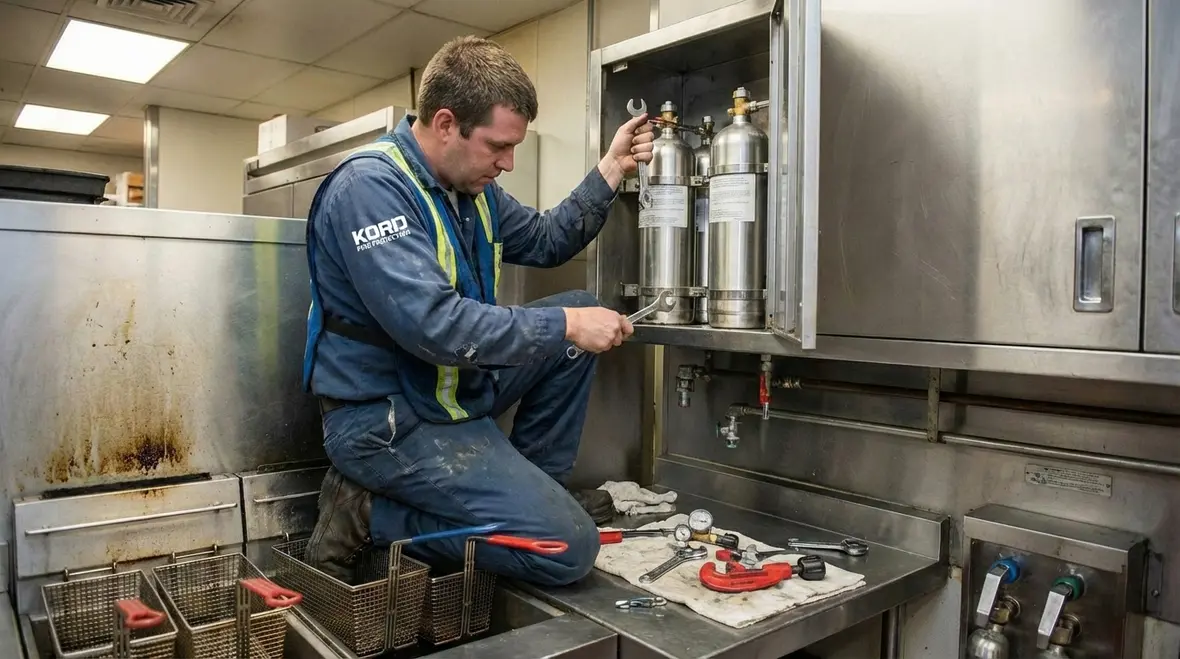
A retrofit may include replacing agent tanks with larger UL 300 compliant models. In addition, technicians may install updated nozzles designed to discharge wet chemical agent in precise patterns. Detection lines and fusible links may also require replacement to ensure accurate activation temperatures.
Dialing In Appliance Specific Coverage
Furthermore, appliance specific coverage becomes critical. Modern fryers demand targeted protection. Therefore, technicians adjust nozzle angles and flow rates to match manufacturer specifications. That way, the system discharges exactly where the risk lives, not just somewhere in the general neighborhood of the flames.
Keeping Owners in the Loop
Kord Fire Protection technicians explain each step in clear language. They outline what stays, what goes, and why. Consequently, kitchen owners gain a practical understanding of the work rather than feeling buried in technical jargon. No smoke. No mirrors. Just facts.
For operators planning full kitchen projects, pairing a UL 300 retrofit with broader hood work or new installs often makes sense. The Kord Fire kitchen hood fire suppression services page outlines how hood and suppression upgrades can be coordinated to minimize disruption.
How to Evaluate Your System with Confidence
Many facility managers type something like this into a search bar: How do I know if my kitchen fire system meets UL 300 standards?
Start with Paperwork
The answer begins with documentation. First, confirm the installation date. Next, review service records for notes referencing UL 300 compliance. Then, verify that the suppression agent is a wet chemical solution approved under current listings.
Then Look Above the Cookline
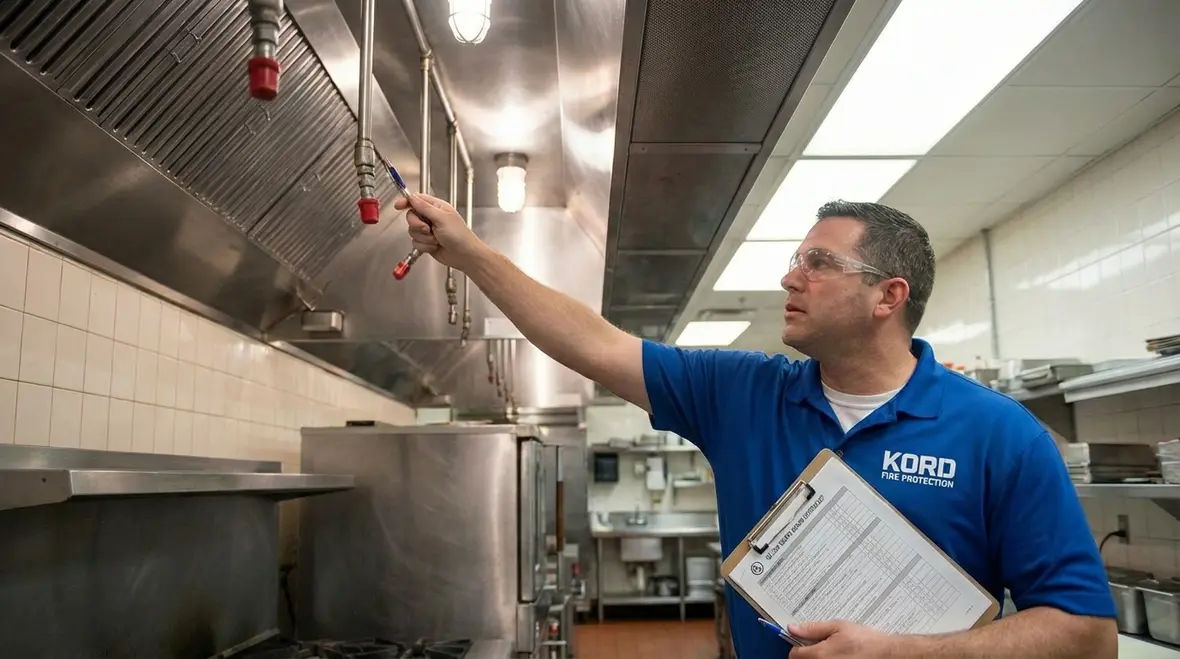
However, paperwork only tells part of the story. Physical inspection matters just as much. Technicians inspect:
- Nozzle caps and alignment
- Tank size and condition
- Manual pull station accessibility
- Automatic fuel shut off integration
- Detection line routing
Additionally, they confirm that coverage matches the current appliance layout. Even a small equipment shift can leave gaps in protection. And in fire safety, gaps are not charming quirks. They are risks.
By walking through the system step by step, operators move from uncertainty to clarity. That clarity often reveals whether a targeted retrofit or full upgrade makes the most sense.
Comparing Older Systems and UL 300 Compliant Systems
To make the differences clear, it helps to see them side by side. Below is a simple comparison that Kord Fire Protection technicians often use when explaining upgrades.
Older Pre UL 300 Systems
- Dry chemical agents primarily
- Limited discharge duration
- Basic nozzle coverage
- Smaller agent tanks
- Less focus on fuel shut off
UL 300 Compliant Systems
- Wet chemical agents designed for high temp oils
- Extended discharge to prevent reflash
- Appliance specific nozzle placement
- Larger capacity tanks for modern hazards
- Integrated automatic fuel and power shut off
The contrast is not subtle. Modern systems address the way kitchens actually operate today. Therefore, upgrading is less about following trends and more about matching protection to real world conditions. For many operators, that starts with a conversation about UL300 restaurant systems and services offered by Kord Fire.
Financial and Liability Considerations
Fire protection upgrades often compete with other budget priorities. New ovens look exciting. Updated dining spaces attract customers. A suppression system tucked into the hood does not exactly make for glamorous marketing photos.
However, liability tells a different story.
If a fire spreads because an outdated system failed to suppress high temperature oil, insurance claims may face scrutiny. Moreover, non compliant systems can lead to denied claims or increased premiums. Consequently, the cost of inaction can exceed the price of a retrofit.
Kord Fire Protection technicians frequently remind clients that compliance protects more than property. It protects staff, customers, and business continuity. In addition, many jurisdictions require documented UL 300 compliance during inspections. Failing to meet that requirement can result in citations or temporary closure.
When viewed through that lens, an upgrade becomes less of an expense and more of a shield.
Working with Certified Technicians Who Explain Every Step
Technical upgrades should not feel mysterious. In fact, the best service providers make complex systems feel understandable.
From Assessment to Clear Recommendations
Kord Fire Protection technicians take time to walk kitchen managers through the evaluation process. First, they conduct a detailed assessment. Then, they explain findings in plain language. If an upgrade is necessary, they outline the scope, timeline, and expected costs. Moreover, they coordinate installations to reduce kitchen downtime.
Why Trust Matters in Fire Suppression
That steady, deliberate approach builds trust. And trust matters when the subject involves fire suppression over open flames and sizzling oil. After all, this is not the place for guesswork or improvisation worthy of a reality cooking show meltdown.
By relying on experienced professionals, businesses ensure that every component aligns with code and manufacturer requirements. Furthermore, they gain documentation that supports inspections and insurance reviews.
Future Proofing Your Commercial Kitchen
Upgrading an older suppression system is not simply about meeting today’s code. It is about preparing for tomorrow’s demands.
Designing for Evolving Equipment and Menus
As kitchens adopt new equipment, energy efficient fryers, and higher output cooking lines, fire risks continue to evolve. Therefore, a properly upgraded system offers flexibility for future modifications. Technicians can design layouts that anticipate equipment shifts rather than reacting to them.
Staying Ahead with Maintenance and Inspections
In addition, regular inspections and maintenance keep the system aligned with changing regulations. Kord Fire Protection technicians encourage scheduled reviews so small issues never grow into large problems. Because in fire safety, prevention will always outshine reaction.
And let us be honest. No restaurant owner wants their business trending online for the wrong reasons. A compliant, modern suppression system helps ensure the only flames customers talk about are on their sizzling entrées.
Frequently Asked Questions
Take the Next Step Toward Compliance
Why Acting Now Matters
An aging fire suppression system may sit quietly above the cookline, but its performance carries serious weight. Reviewing it against current standards ensures safety, compliance, and confidence. Kord Fire Protection technicians stand ready to assess, explain, and guide every step of the process.
Schedule a professional evaluation today and make certain the protection over your kitchen matches the heat beneath it. Because preparation today prevents disaster tomorrow.
Get Help with UL 300 Upgrades
If your UL 300 upgrade checklist has more than a few boxes unchecked, it is time to bring in specialists. Kord Fire’s dedicated UL300 restaurant systems service team can design, install, or retrofit a compliant solution tailored to your kitchen.
Reach out through the Kord Fire contact page to request a quote, discuss your current setup, or schedule an on site review. Turn that quiet question mark over your cookline into a clear, documented “Yes, we are protected.”
Know Your Weapon Before You Fight the Flame
Kord Fire Protection is your go-to when it comes to all things fire protection. For over 20 years, we’ve been serving Southern California with the quality service and equipment to keep your home or business safe at all times. Our competitive prices reflect our unwavering commitment to protecting what matters most in the event of a fire emergency. Give us a call, send an email, or use that form!

Join Our Newsletter!
Get the latest fire safety tips delivered straight to your inbox From our Newsletter.