Operational Testing for High Rise Standpipe Systems in Australia
Quick Answer: Essential operational testing for high rise standpipe systems verifies water supply, pump performance, hose reel readiness, and interface reliability under real operational conditions. It also confirms that valves, alarms, and controls work as designed. With the right partner, like Kord Fire Protection, testing becomes faster, cleaner, and more defensible when it matters.
For facilities that want support beyond a single test day, Kord Fire Protection’s Standpipe Systems Class I-II-III service fits naturally into a broader readiness strategy, especially when inspections, maintenance, and operational validation all need to line up cleanly across a high rise portfolio.
Operational Testing That Holds Up in the Real World
Within the first moments of a job, the team should follow standpipe system testing procedures to confirm the system performs the way it was built to perform. That starts with reviewing design intent, then moves into commissioning style checks that verify pressure, flow, activation points, and key interfaces. From there, the operational test plan expands into functional checks of controls, signage, and on site readiness. Because when the building goes from calm to chaotic, nobody wants surprises. Not the tenant, not the fire team, and definitely not the facilities manager who already has enough emails.
This is also where a linked discipline matters. A clean operational test does not live in isolation from the rest of the fire protection ecosystem. In many buildings, standpipe performance overlaps with alarms, pumps, tank conditions, and response planning. That is one reason many operators also coordinate with Kord Fire Protection’s commercial and residential fire alarm installation team when interface behavior, signals, and building wide response expectations need to make sense together.
Why High Rise Standpipes Need More Than Paper Compliance
Operational testing turns “meets requirements” into evidence. In commercial and industrial facilities across Australia, standpipe systems sit in the gap between design theory and emergency execution. Even when the drawings look perfect, real conditions can shift through maintenance history, minor alterations, or valve wear. Therefore, the testing process should validate the full path: from water source to outlet and onward to usable performance. Moreover, teams should check that the system can respond quickly and consistently. That means the operation does not just pass once, it stays reliable across the risk profile of the building.
What operational proof really looks like on site
On site, proof looks a lot less glamorous than a stamped document and a lot more useful. It looks like actual readings, observed sequences, verified valve positions, and evidence that the right thing happens when the right trigger occurs. It looks like crews confirming the system behaves under demand, not under wishful thinking. And thankfully, unlike some project handovers, it does not rely on everyone nodding politely while hoping somebody else checked the awkward bits.
Step by Step Checks During Standpipe System Performance Testing
When crews run standpipe system performance testing, they should follow a disciplined sequence. This reduces missed steps and avoids “we thought someone else handled it” moments. Typically, the process covers these areas:
- Supply validation: confirm static and residual pressures at the right points, and confirm that the water supply can sustain flow
- Valve operation: verify correct valve positions, ensure smooth actuation, and confirm that indicators match actual status
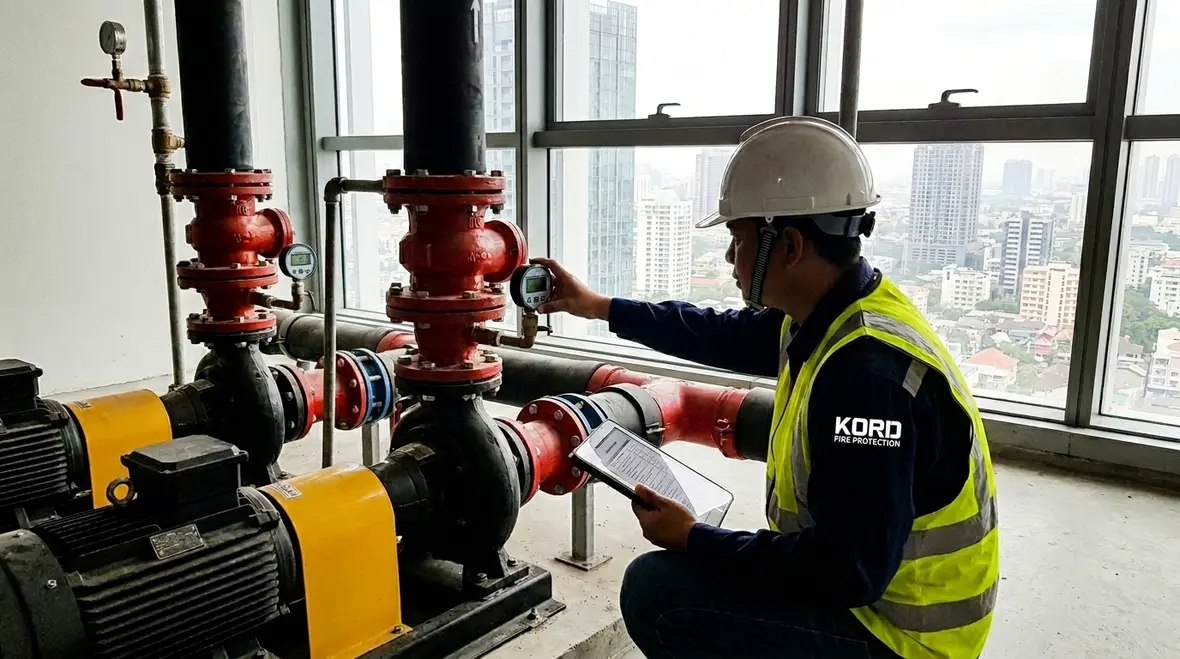
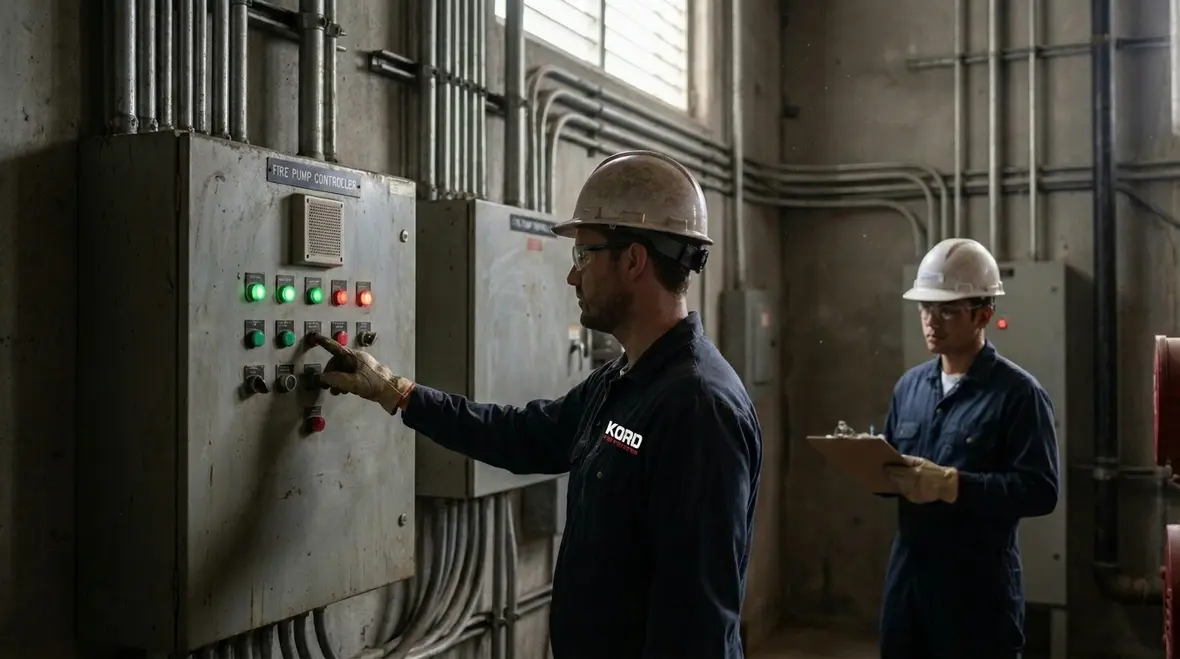
- Pump and controller behavior: test pump start logic, duty and standby changes, and confirm controller alarms respond as expected
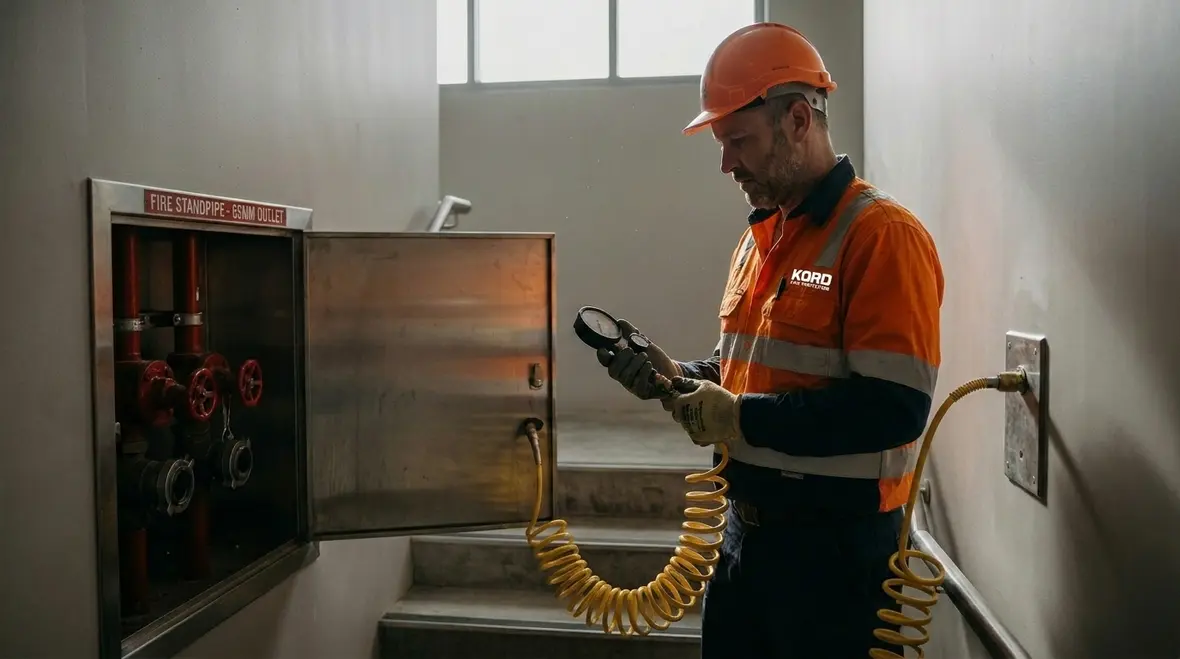
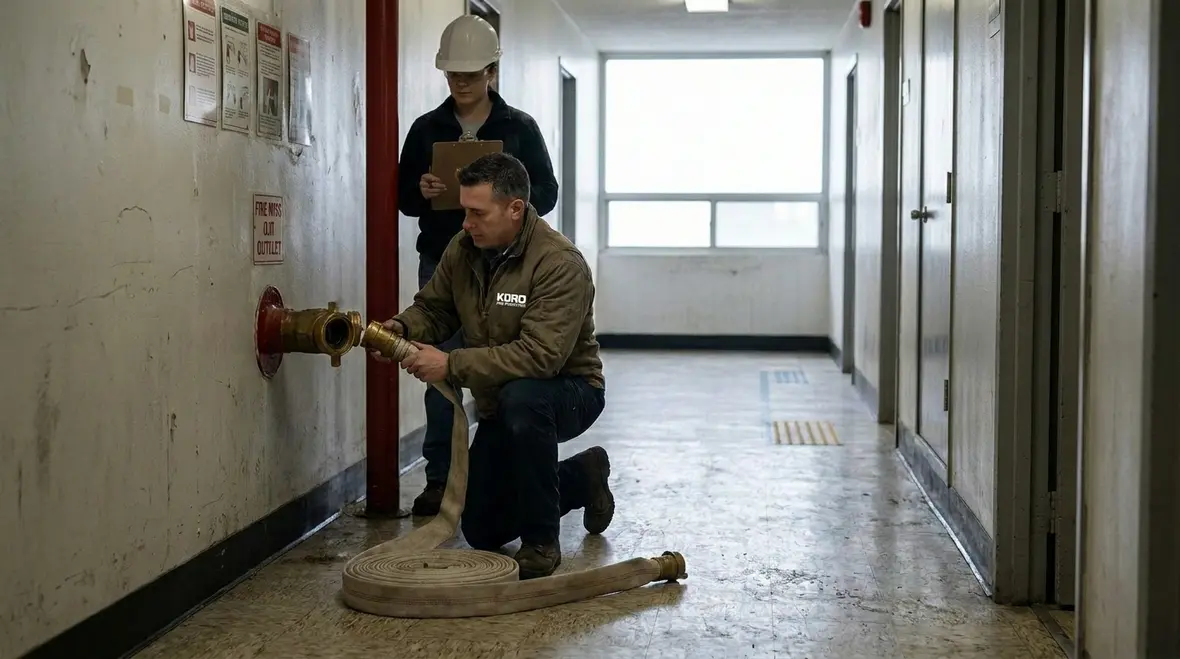
- Outlet and hose interfaces: check coupling alignment, outlet accessibility, and confirm that components allow effective use
- Hydraulic performance: verify pressure and flow under operational conditions rather than assumptions
- Documentation capture: record results clearly so stakeholders can trace what was tested and what was found
Next, the team should compare results to expected ranges. If values sit outside those ranges, the procedure should move into diagnosis and corrective action before closing. Consequently, the building keeps a testing history that supports audits and maintenance decisions, not just a stack of paperwork that reads like a mystery novel.
Why sequence matters more than speed
A rushed test can still generate plenty of activity, but activity is not the same thing as confidence. Following the sequence matters because each result influences the next action. If supply performance looks unstable, pump behavior should be interpreted differently. If outlet readiness is poor, a perfectly healthy pressure reading does not magically solve the practical problem. Good testing is orderly for a reason. It helps people see cause and effect before they write conclusions that sound impressive and help absolutely nobody.
Pressure, Flow, and Controls That Actually Respond
High rise systems depend on stable pressure and predictable flow. During testing, crews should confirm that the system does not drift into unstable operation as demand rises. They should also verify that control responses match what operators expect during an incident. For instance, controller logs and alarm outputs should align with the test sequence. If the system activates but the alarm behavior contradicts the controller events, that is not a “minor issue.” It is a risk communication failure.
Additionally, the operational checks should include interface points that often get overlooked. These include tank level status, pump permissives, fault handling, and any dependencies that control when the system starts. In many buildings, facilities teams coordinate multiple trades and maintenance contractors, so the system should remain consistent even after recent works. And yes, the building should not behave like a sitcom character who forgets their lines every time the spotlight hits.
Small control issues can create big operational confusion
Control logic problems have a talent for looking tiny on paper and enormous during an event. A delayed signal, a mismatched indication, or a fault that does not report cleanly can send teams chasing the wrong assumption at exactly the wrong time. That is why these tests are not only about moving water. They are about verifying how the system communicates with people, equipment, and procedures under pressure, both literal and human.
Testing Management for Multi Site Facilities Across Australia
Facilities and commercial operators with multiple buildings face a practical challenge: testing must be scheduled, documented, and repeatable across sites. Therefore, the testing program should include a clear plan for access, safety controls, downtime management, and data handling. Crews should also align with site operations so testing does not derail critical schedules, such as loading hours, retail peak periods, or industrial production cycles. When the team communicates early, the process runs smoother and stakeholders stay calm. That matters because confusion costs more than most people want to admit.
Here is where Kord Fire Protection can act as a vital partner. They can support operators by bringing repeatable field practices, structured reporting, and coordination skills that reduce rework. In other words, Kord helps the testing stay consistent across buildings, and it helps the organisation keep a defensible record for future audits and maintenance planning.
| Testing Focus | What It Confirms on Site |
|---|---|
| Water supply performance | Pressure stability and sustained flow under operational conditions |
| Pump and controller behavior | Correct start, stop, duty rotation, alarms, and fault response |
| Valve and outlet readiness | Operational correctness, access, and usable interface with hose connections |
| Record quality | Clear evidence for maintenance, audits, and future modifications |
Consistency across buildings is a real advantage
The biggest gain in multi site testing is not just efficiency, although that certainly helps. It is consistency. When the same logic, documentation style, and closeout expectations apply across buildings, it becomes easier to spot patterns, escalate recurring issues, and budget maintenance with fewer surprises. It also means nobody has to decode five different report styles like they are solving an escape room with a clipboard.
Common Failure Points Found During Operational Testing
Most standpipe issues do not announce themselves with dramatic flair. Instead, they hide in the small details. During operational testing, teams often discover:
- Valve stiffness or incorrect indications: the valve may move slowly or show a status that does not match reality
- Controller mismatch: alarms may not align with the actual operating sequence
- Outlet accessibility problems: signage, obstructions, or access routes reduce readiness
- Supply performance gaps: pressure and flow may fall short under sustained demand
- Maintenance gaps: prior work may have changed components without full verification
Because each discovery changes the risk profile, the next step should always include clear corrective actions and confirmation testing. That way, the building does not keep walking around with a quiet problem that only becomes loud during an emergency. Facilities teams already manage enough challenges, so testing should bring clarity, not drama.
Why recurring faults deserve extra attention
A one off defect is one thing. A recurring fault is a story. It may point to poor maintenance handover, inconsistent contractor methods, hidden hydraulic issues, or operational habits that keep pushing the same component into trouble. When teams identify repeat findings across test intervals, the smarter move is to investigate the system context, not just swap a part and hope for the best.
How Kord Fire Protection Supports Reliable Results
Effective testing depends on more than someone showing up with tools. It needs method, reporting discipline, and an operator friendly approach. Kord Fire Protection can support the job by coordinating the operational testing workflow, helping ensure crews follow the right standpipe system testing procedures, and producing results that stakeholders can use. Additionally, Kord can assist with recommendations that connect test findings to practical maintenance actions. This reduces guesswork for facilities managers and supports ongoing compliance readiness.
In business terms, it keeps the operation efficient. In safety terms, it keeps performance real. And in the real world, that means less rework, fewer repeat visits, and a clearer path from test to improvement. Like a well rehearsed fire drill, it makes everyone better prepared without stealing the whole day.
If your team is also reviewing test methodology in more detail, Kord Fire Protection has related resources such as the standpipe flow test guide for fire protection and the standpipe system inspection checklist guide, both of which fit naturally into broader operational planning.
FAQ
Conclusion
High rise standpipe systems earn trust through operational testing that validates pressure, flow, and control responses under real conditions. When teams follow disciplined standpipe system testing workflows, they reduce hidden risks and improve emergency readiness.
For industrial, retail, and commercial facilities across Australia, Kord Fire Protection can become a vital partner by supporting repeatable field practices, clear reporting, and practical next steps. Reach out to coordinate your next operational test plan and keep performance audit ready.

Join Our Newsletter!
Get the latest fire safety tips delivered straight to your inbox From our Newsletter.