Novec 1230 Fire Suppression for Clean, Low-Downtime Protection
Novec 1230 fire suppression is a clean agent system designed to protect people, property, and critical equipment without leaving messy residue behind. In the first place, it helps control fires by interrupting the fire triangle and reducing heat and oxygen availability in the protected space. As a result, facilities use Novec 1230 fire suppression to keep downtime low and cleanup simple, which is great news for anyone who has ever faced a “mystery cleanup” after a bad incident. Of course, no one plans for emergencies, but the best operators plan for them anyway.
What Novec 1230 fire suppression actually is
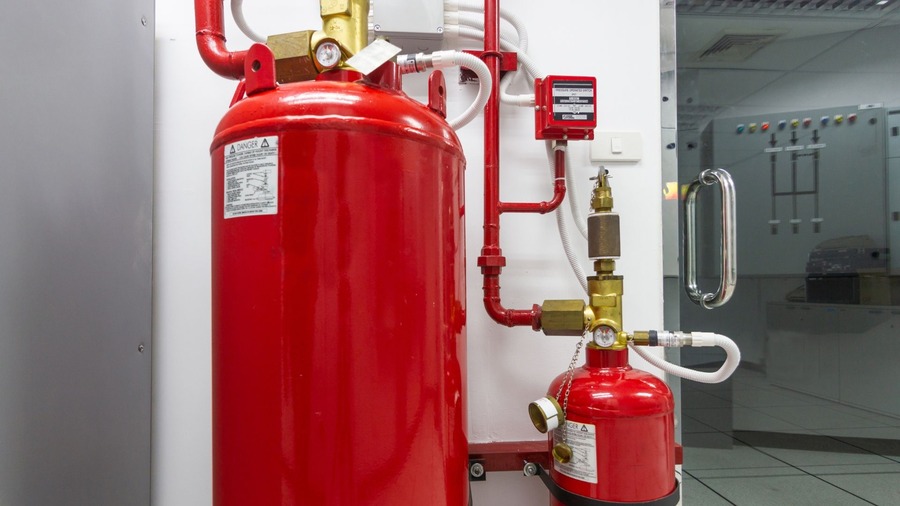
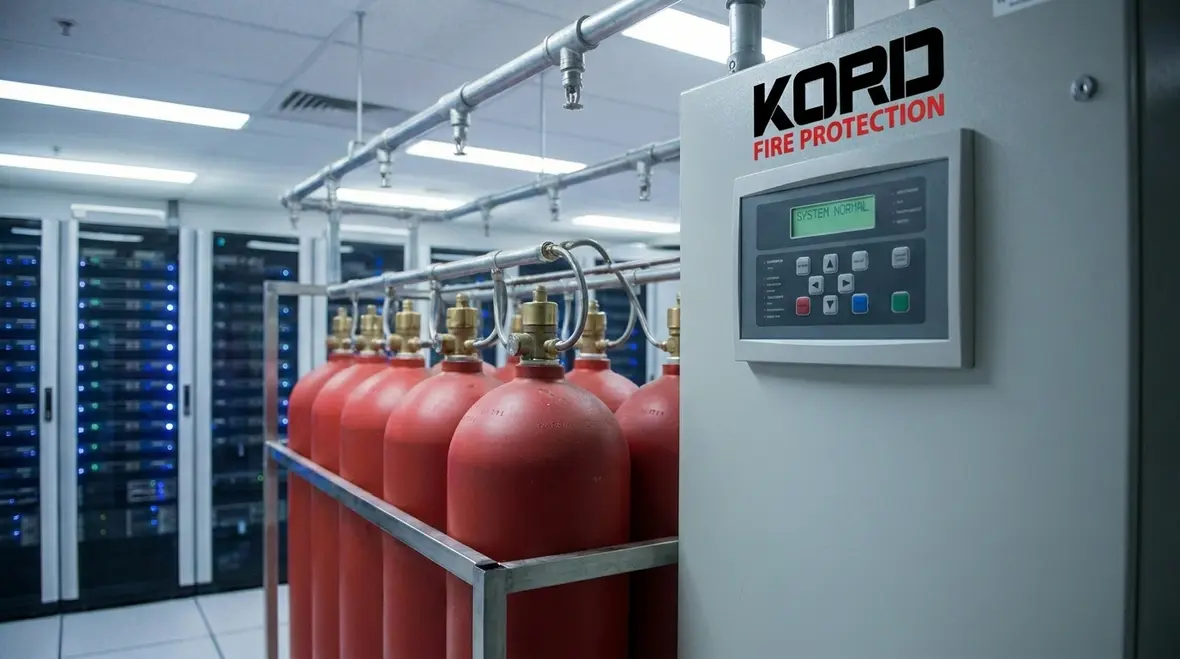
Novec 1230 is a liquefied gas clean agent used in total flooding and other specialized applications. Instead of flooding a room with foam or creating powder that lingers for days, it releases through nozzles and quickly disperses throughout the space. Then, it works fast to suppress flames and slow the conditions that allow the fire to keep growing.
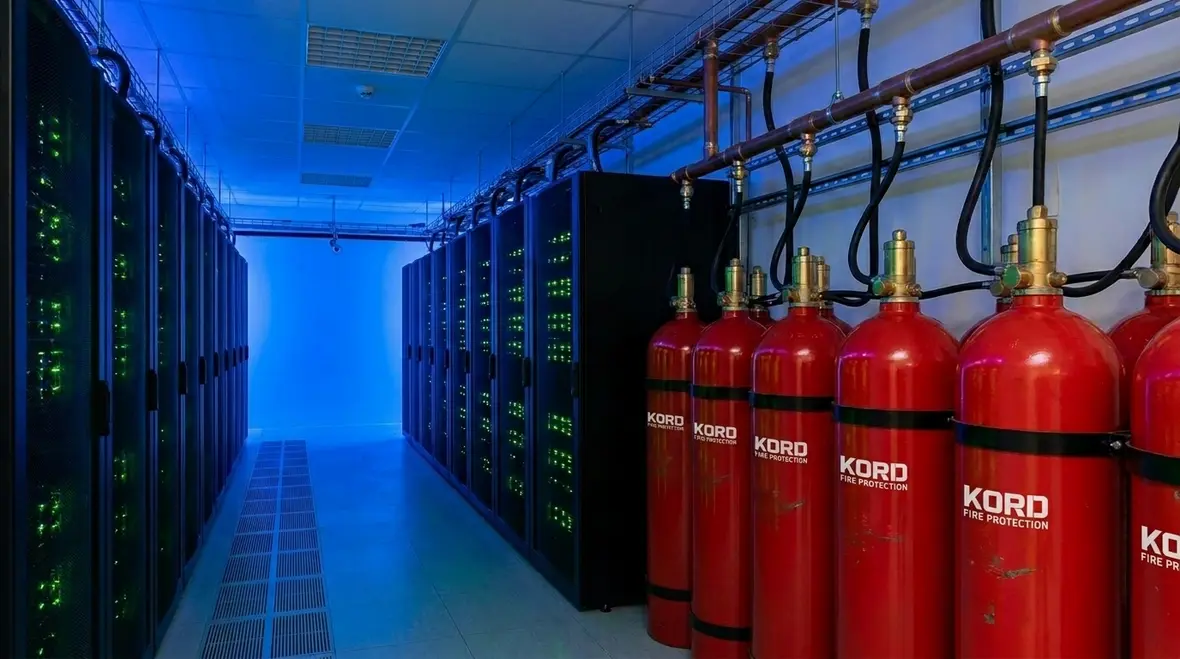
Because it behaves like a fast-acting suppressant, the system is often chosen when operators need protection for sensitive gear. For example, server rooms, control spaces, and laboratories cannot tolerate heavy residue. Meanwhile, people still require a system that responds quickly and safely. Kord Fire also covers the broader category in its clean agent fire suppression system services overview, which is useful when comparing where Novec 1230 fits within the larger clean agent family.
- It releases as a controlled discharge from a dedicated cylinder system
- It quickly distributes to the protected enclosure
- It minimizes cleanup compared to many traditional agents
Why the “clean” part matters so much
For technology-heavy spaces, a fire event is not just about flames. It is also about what happens after suppression. If residue coats electronics, wiring, or delicate instruments, the cleanup can become its own expensive disaster. That is one reason facilities lean toward clean agents in the first place. They want suppression that handles the emergency without turning the recovery process into a second emergency with clipboards, cables, and one very worried operations manager.
Where it is used in the real world
In practice, Novec 1230 fire suppression shows up where the cost of interruption is high and the tolerance for damage is low. Consequently, it fits many buildings and facilities that depend on electronics, tight processes, or high-value assets.
Common places include
- Data centers and network operations centers
- Telecom closets and equipment suites
- Industrial control rooms
- Clean rooms, labs, and research facilities
- Electrical rooms where residue control matters
Moreover, the system also appears in specialized areas such as document storage, museums, and certain commercial spaces where cleaning after discharge would cause major disruption. And yes, it often gets selected because operators would rather avoid the “we’ll just mop it up later” fantasy. Fire protection does not work like that, no matter how confident the team feels.
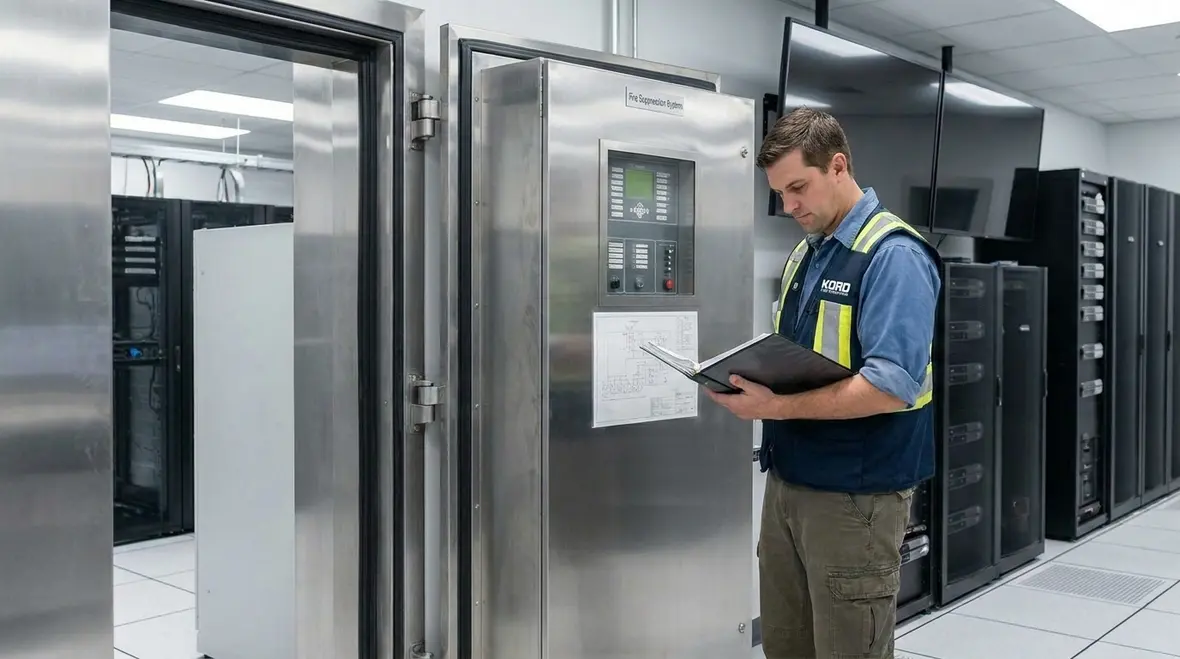
Spaces where downtime hurts the most
Think about environments where every minute offline means lost transactions, lost research time, or serious operational headaches. Those are exactly the kinds of spaces where clean agent systems earn their keep. Kord Fire’s data center clean agent fire suppression guide explores this idea in detail, especially for facilities that cannot afford a long restart process after a fire incident.
How clean agent systems compare to other options
Facilities choose clean agent suppression because it helps protect without the cleanup burden that comes with many alternatives. However, every option has tradeoffs, and the right one depends on the hazards, room design, and operational needs.
Traditional dry chemical systems can be effective, yet they often leave residue that can damage electronics and increase restoration costs. Water based systems protect well in many spaces, but they can cause equipment harm and downtime due to water exposure. In contrast, clean agents like Novec 1230 focus on fast suppression with less mess.
Additionally, engineers consider enclosure integrity, airflow, and how quickly the protected space can maintain the agent concentration. Therefore, the same building can have different recommendations room by room, even if the hazards look similar on paper. If you want a side-by-side perspective, Kord Fire’s clean agent vs traditional fire suppression systems article adds useful context for decision-making.
A practical way to think about the tradeoff
One option may put out the fire but leave a giant mess. Another may be clean but require a more controlled enclosure and tighter design work. That is the trade. The goal is not to pick the system with the most impressive brochure language. The goal is to pick the one that actually matches the hazard, the building conditions, and the business reality.
Design factors that decide performance
When an installation underperforms, it usually comes down to design and integration, not the agent itself. So, the best teams treat system planning like a serious project, not like a last minute ticket at a busy counter.
Key factors include
- Protected enclosure quality, including door seals and leak rates
- Volume and ceiling geometry, since distribution affects concentration
- Hazard classification and expected fuel loads
- Agent release timing and alarm system coordination
- Manual and automatic release strategies based on site needs
Then, technicians validate performance using acceptance testing procedures. They confirm that detection, control panels, door release devices, and discharge components work together as one system. As a result, the facility avoids that fun but expensive scenario where everyone agrees it should have worked, and then it does not.
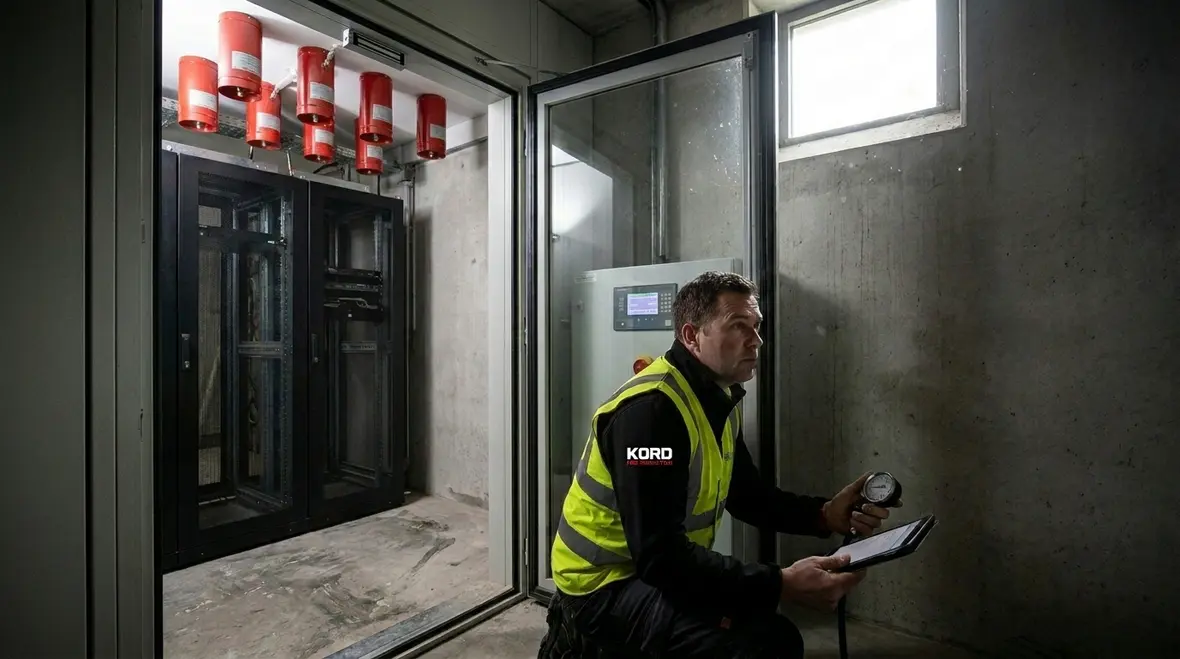
Why room integrity is not a side note
A clean agent system can be carefully engineered, professionally installed, and still fall short if the room cannot hold the needed concentration. Leaks around doors, cable penetrations, and construction gaps matter more than people expect. That is why topics like testing and enclosure performance are not paperwork fluff. They are the difference between a system that looks good on a submittal and one that performs when it counts.
Where Kord Fire Protection fits as a vital partner
Kord Fire Protection can become a vital partner with this service job by handling the full lifecycle, from planning support to ongoing care. In other words, they do not just show up for the discharge and call it a day. They treat the system like critical infrastructure that needs consistent attention.
Specifically, Kord Fire Protection can help clients evaluate protected areas, confirm documentation needs, and coordinate with other trades so the enclosure design supports effective Novec 1230 release. After installation, they can assist with inspection and maintenance routines that help keep detection and release components reliable. That matters because small issues like wiring faults, component wear, or blocked pathways can quietly degrade performance over time.
| Service area | What Kord Fire Protection helps with |
|---|---|
| System planning support | Guidance on hazard fit, enclosure considerations, and integration steps |
| Commissioning and verification | Testing coordination so detection and release work as one system |
| Inspection and maintenance | Routine checks and documentation support to keep performance dependable |
Finally, they help the client stay prepared for audits and operational checks. And since downtime often costs more than people expect, proactive partnerships can reduce surprises. It is like having a reliable co-pilot. The goal is to land safely, not to improvise mid flight with a screen full of alarms.
For owners managing sensitive spaces, Kord Fire’s clean agent fire suppression for critical equipment article is another helpful resource because it speaks directly to uptime, asset protection, and why these systems are chosen where recovery speed matters.
What owners should ask before installation
Before committing to a system, owners should confirm that the scope matches the building reality. After all, the best hardware still needs smart installation and clear coordination. Therefore, a strong vendor will answer questions with specifics, not vague promises.
Owners can ask
- Which hazards are being protected, and how does the design match them
- How will technicians verify enclosure integrity and agent distribution
- What detection and alarm workflow will trigger discharge
- How will the team test the system without disrupting operations
- What maintenance schedule will keep Novec 1230 fire suppression ready
When teams provide clear details, the project stays on track. Meanwhile, operators gain confidence that the system will perform as designed, not as hoped. That confidence is worth a lot when the protected room contains systems that cannot simply be unplugged, dried off, and restarted after lunch.
FAQ about Novec 1230 fire suppression
Conclusion and call to action
Novec 1230 fire suppression can protect high value spaces without the messy aftermath that often slows recovery. However, the results depend on smart design, correct enclosure conditions, and consistent verification over time. If a facility wants dependable performance and fewer surprises, Kord Fire Protection can serve as a steady partner from planning through maintenance.
Take the next step and schedule a consultation to review hazards, protected areas, and a practical service plan tailored to the site. For facilities exploring broader clean agent solutions, visit Kord Fire’s clean agent fire suppression services. If you are specifically evaluating this approach for critical spaces, the clean agent service page is the right place to start the conversation.

Join Our Newsletter!
Get the latest fire safety tips delivered straight to your inbox From our Newsletter.