
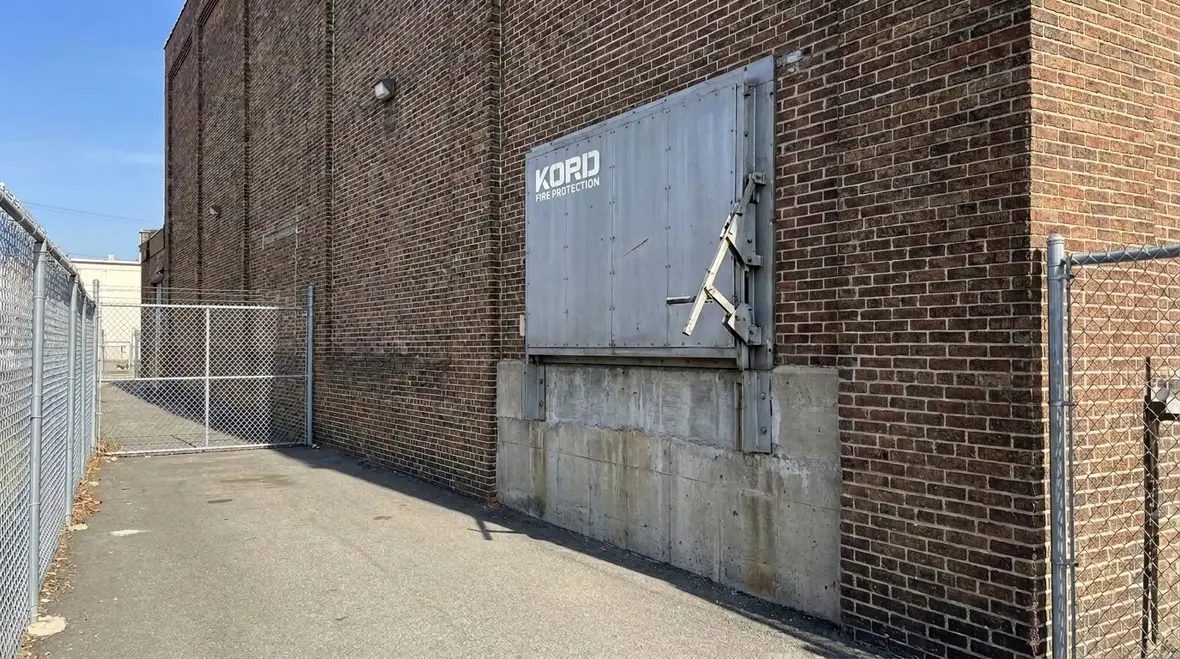
NFPA 40 Section 4.3: Explosion Venting for Nitrate Film Buildings
Quick Answer
NFPA 40 Section 4.3 establishes how nitrate film buildings must be vented to reduce pressure and improve survivability during an explosion scenario. Compliance focuses on vent area, location, construction details, and ongoing readiness through inspection and maintenance.
If your team is also tightening documentation and inspection workflows, it helps to review fire safety system documentation for compliance early so venting records do not become the weak link later.
What NFPA 40 Section 4.3 is trying to prevent
Nitrate film storage and processing environments present unique fire and explosion hazards because nitrate film can release rapid energy under certain conditions. NFPA 40 Section 4.3 addresses explosion venting as a protective measure to limit structural and equipment damage by providing a designed pathway for pressure relief. This approach helps facilities avoid random, uncontrolled venting through doors, glazing, or structural weaknesses.
For teams evaluating NFPA 40 explosion venting requirements nitrate film buildings, the key is that venting is not a generic “add some panels” exercise. It is a system that must be engineered, installed, protected from obstruction, and kept operable for the life of the facility.
Where Section 4.3 typically applies in nitrate film occupancies
Section 4.3 applies to building and enclosure arrangements where explosive pressure relief is required for nitrate film hazards. In practice, compliance is evaluated at the room and building envelope level because vents must discharge safely to a location that reduces exposure to occupants, responders, and adjacent spaces.
Common nitrate film building compliance checkpoints include:
- Vent provisions for rooms used for film storage, film handling, or processing activities where nitrate film hazard conditions may exist.
- Exterior discharge paths that prevent hazardous accumulation and reduce impingement risk on personnel and egress routes.
- Building construction interfaces where ducts, penetrations, and closures can disrupt vent performance if improperly detailed.
Core explosion venting design controls under NFPA 40 Section 4.3
NFPA 40 Section 4.3 sets performance expectations that translate into practical design and installation requirements. While project drawings and engineering calculations often drive exact vent sizing and placement, the operational intent remains consistent: the vent must open when the design pressure impulse occurs and must not be degraded by normal use.
Vent sizing and placement: preventing “too little” and “in the wrong spot”
Vent sizing controls the pressure relief effectiveness. Under vented or poorly placed systems can lead to excessive pressure in the protected enclosure, which increases the likelihood of structural damage and hazardous propagation.
Facilities commonly struggle with placement issues when:
- Vents end up behind storage racks, shelving, or roll doors that change the effective discharge geometry.
- Architectural changes alter the envelope tightness or introduce new obstacles within the discharge pathway.
- Penetrations and secondary enclosures reduce vent accessibility and reliability.
Construction, closures, and protective features: keeping vent function reliable
Many explosion vent systems depend on closures that must remain free to operate. Section 4.3 compliance typically turns on whether the closure and vent assembly maintain vent integrity without creating a “choked” condition.
Practical failure points include:
- Paint, corrosion, sealants, or warped frames that restrict movement of vent components.
- Inadvertent modifications to vent frames during renovations, including fastener changes or replacement of components with nonconforming parts.
- Temporary coverings used during maintenance that remain in place and block vent operation.
Commercial facilities often treat these items as housekeeping. NFPA 40 enforcement treats them as life safety reliability issues.
Discharge safety: directing energy without creating new hazards
Explosion venting must release pressure in a manner that limits secondary risk. This includes considering where hot gases and burning fragments go after vent activation. Discharge areas cannot become new ignition sources, impede egress, or expose adjacent exposures.
Installation and acceptance: what compliance documentation should show
NFPA 40 explosion venting requirements nitrate film buildings should be supported by verifiable installation documentation. During inspections, authorities typically look for alignment between the engineered design intent and the installed condition.
Expect a complete compliance package to include:
- As-built drawings showing vent location, type, and protected enclosure boundaries.
- Vent assembly specifications that match the engineered design basis.
- Inspection and test records, including initial acceptance and any post-maintenance verification.
- Change management records for any modifications affecting the vent pathway or enclosure integrity.
For nitrate film buildings, the compliance risk frequently increases after renovations. Any change to walls, ceilings, doors, or exterior discharge zones can affect vent performance even when the vent hardware itself remains untouched.
Before any major alteration, teams may also want to review NFPA 40 plan approval requirements for nitrate film storage so approved intent and field conditions stay aligned.
Inspection, testing, and maintenance: the operational layer many facilities miss
Explosion venting only provides benefit if the vent remains unobstructed and functional. Facilities commonly assume that because vents are “passive,” they require less attention. NFPA 40 compliance practice treats vent systems as safety-critical hardware.
Routine inspection focus areas
- Obstructions: verify racks, stored materials, wraps, debris, or temporary construction have not blocked the vent opening or discharge area.
- Physical condition: check for corrosion, impact damage, loose fasteners, and frame deformation that could restrict operation.
- Closure mobility: confirm closures can operate freely without sticking or binding.
- Seals and coverings: confirm no unauthorized gaskets, sealants, or coatings have been applied that affect vent movement.
Maintenance and replacement: how to avoid “nonconforming repairs”
Replacing a vent component with an inexact substitute can invalidate the design basis. Facilities should ensure maintenance uses correct parts, correct tolerances, and manufacturer or engineering approved assemblies.
Kord Fire Protection supports commercial clients with ongoing inspection, verification, and maintenance planning so the venting system stays aligned with NFPA 40 intent. This includes review of documentation, field checks for obstruction and component condition, and guidance to prevent common post-project modifications from creating compliance gaps.
To strengthen your internal maintenance program, Kord Fire Protection also integrates vent reliability checks with broader fire protection asset management practices. For more on structured commercial compliance support, reference Kord Fire Protection.
Common compliance challenges and how teams address them
Commercial, industrial, and retail operators managing nitrate film spaces often face recurring issues. The following patterns drive most audit findings and operational deficiencies.
Change control gaps after tenant, layout, or equipment upgrades
Renovations can reroute storage, add partitions, or alter exterior conditions. Without strict change control, vents may become partially obstructed or their discharge geometry may shift.
Deferred maintenance leading to restricted vent operation
Corrosion, paint buildup, and minor frame distortions may not appear serious until they interfere with vent actuation. A maintenance interval that is too long effectively converts a passive safety feature into an unreliable one.
Inconsistent documentation and “installed but not validated” assumptions
Facilities sometimes rely on contractor statements without preserving acceptance records. When questions arise, missing documentation creates schedule and cost risk because rework may be required to confirm vent performance and configuration.
Structured field verification and documentation management reduces these risks. Kord Fire Protection helps facilities maintain an auditable, defensible compliance posture across the full lifecycle.
Frequently Asked Questions
Conclusion and call to action
NFPA 40 Section 4.3 explosion venting compliance depends on more than vent hardware presence. Facilities must maintain correct configuration, unobstructed discharge paths, and reliable vent operation through disciplined inspection, maintenance, and change control. Kord Fire Protection can support your nitrate film building compliance with field verification and an auditable maintenance approach. Contact Kord Fire Protection to assess current venting readiness and build a defensible ongoing inspection plan aligned with your operational realities.

Join Our Newsletter!
Get the latest fire safety tips delivered straight to your inbox From our Newsletter.



