
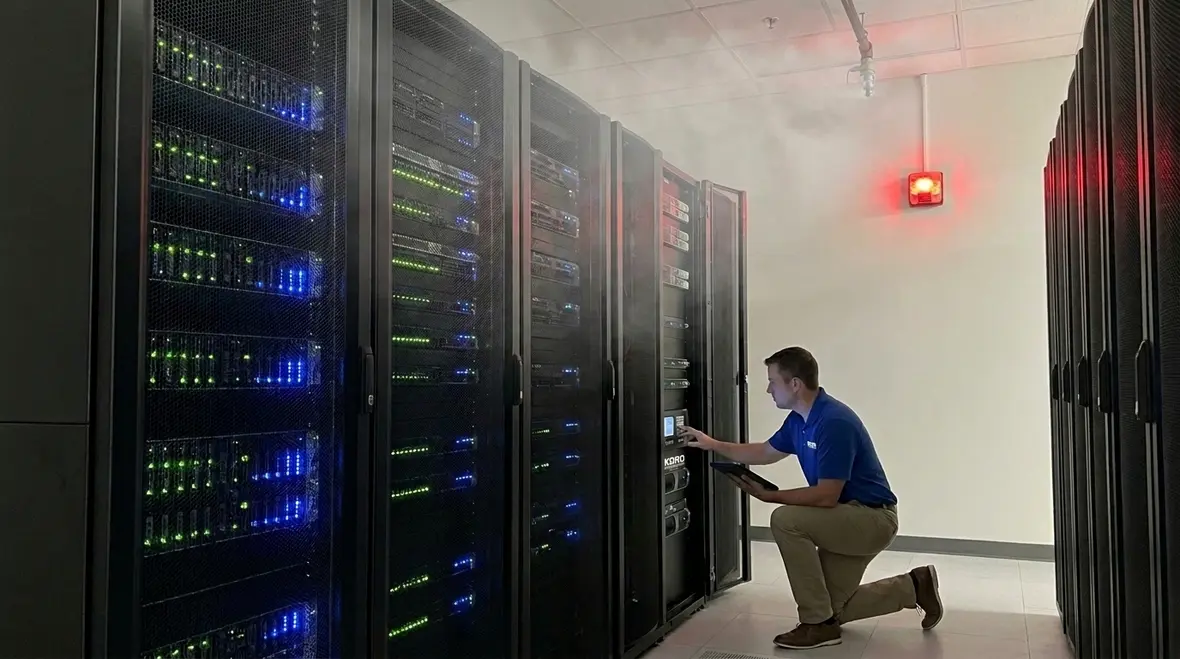
Fluoro-K Clean Agent Fire Suppression by Kord Fire Protection
When a business decides on a fire protection system, it needs more than a slogan. It needs a plan that is reliable, safe for people, and practical for the spaces it protects. That is where Fluoro-K Clean Agent Fire Suppression comes in. This agent system uses a clean approach that reduces damage and keeps downtime from turning into a full scale disaster movie. In fact, it helps many teams handle fires without covering everything in a sticky, corrosive mess. And yes, that matters, because nobody wants their server room to look like the world’s messiest science fair.
Kord Fire Protection highlights Fluoro-K as a waterless clean agent option that leaves no residue, is not electrically conductive, and is used where water could damage critical assets. Their clean agent service page also notes that clean agent systems are commonly chosen for data centers, server rooms, telecom spaces, libraries, and other high value environments where uptime matters as much as extinguishment. Learn more about Kord Fire’s clean agent fire suppression services here.
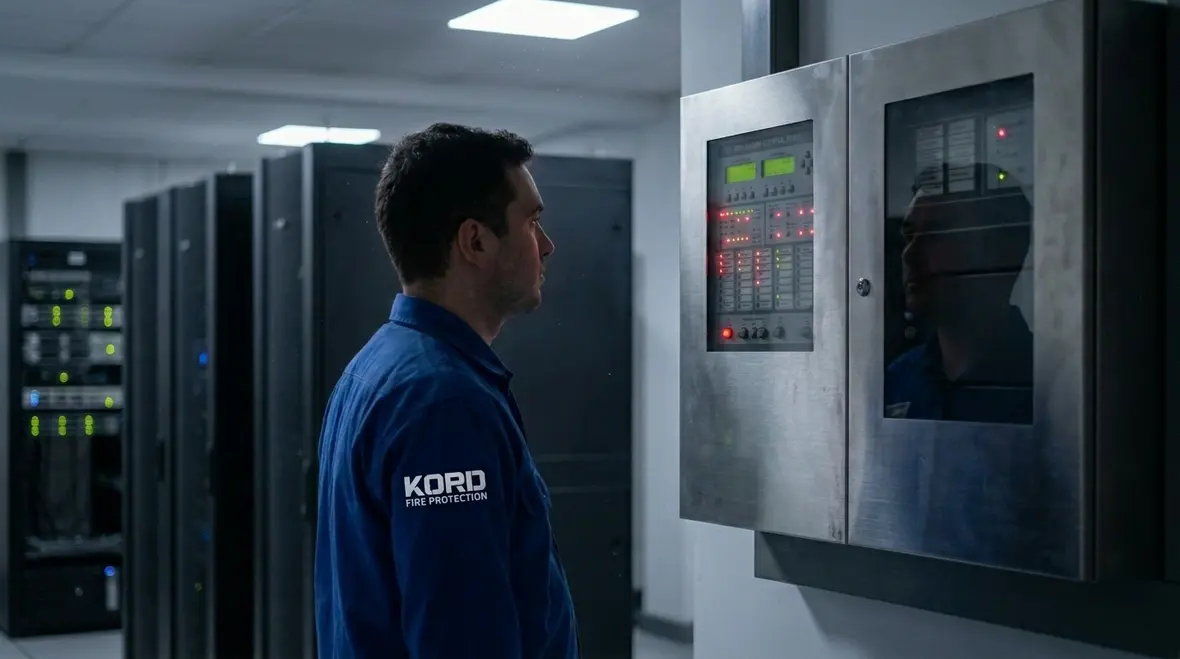
What Fluoro-K Clean Agent fire suppression is and why it matters
Fluoro-K clean agent fire suppression uses a specialized chemical agent that interrupts the fire reaction. Instead of smothering a flame with thick foam or flooding a space with powder, it works in a way that helps stop the fire while leaving less residue. As a result, protected equipment often needs less cleanup, and operations can restart faster.
In practice, this matters most in areas where water and conventional extinguishing methods can cause major problems. Think control rooms, electrical closets, data centers, archives, and industrial spaces that rely on equipment that does not enjoy getting wet or contaminated. Kord Fire specifically describes clean agent systems as a strong fit for bank vaults, computer rooms, data centers, libraries, server rooms, and telecommunications centers, which lines up perfectly with the kinds of sensitive spaces where Fluoro-K makes the most sense.
Moreover, clean agent systems are designed to discharge only when needed. They integrate with detection devices, control panels, and shutdown procedures. Therefore, teams get a controlled response that matches the real conditions inside the room, not a guess made during an emergency. If you want a broader look at how these systems compare to other solutions, Kord Fire’s guide to fire suppression system types adds helpful context.
Why clean agents earn attention in high value spaces
The appeal is simple. Businesses want a suppression method that acts quickly without punishing the room it is trying to save. That is why clean agents often feel less like brute force and more like precision. They do the firefighting job while avoiding the aftermath that can leave teams standing in a soaked equipment room wondering how the rescue somehow created a second emergency.
How the system detects, releases, and protects
The process usually starts with detection. Sensors watch for heat, smoke, or other fire indicators. When the system confirms a fire condition, it moves into action through a structured sequence. First, it gives an alert that allows occupants to evacuate. Then, it releases the agent to control and suppress the fire.
At the same time, good system design coordinates with building safety steps. For example, the system can integrate with ventilation shutdown, door hold open releases, and alarm notifications. In other words, it helps keep the fire response from being a one step “spray and pray” moment. This matters because airflow changes can spread hazards faster than most people realize.
Because Fluoro-K clean agent systems discharge as a planned event, they can protect the space while limiting collateral damage. And since the agent leaves minimal residue, technicians can often inspect and restore equipment without extensive cleanup. Kord Fire’s data center suppression overview reinforces this same point by focusing on fast fire response with less mess and less interruption to critical operations.
Coordination matters more than people think
A clean agent system is not just a cylinder and a nozzle. It is part of a larger safety chain that includes early warning, occupant notification, enclosure control, and post event response. When those pieces are coordinated well, the system feels calm and intentional. When they are not, even a good agent can be undermined by a room that leaks, a fan that keeps running, or a process nobody practiced.
What makes Fluoro-K a clean option for sensitive spaces
Many facilities choose Fluoro-K clean agent fire suppression because they want fast fire control with less post incident damage. Traditional methods can harm sensitive assets through residue, corrosion, or water exposure. Meanwhile, a clean agent approach aims to reduce the impact on equipment and preserve the environment after discharge.
That benefit shows up in day to day operations. When maintenance crews prepare for inspections, they often prefer systems that do not create a mess every time they test. Also, when an event does occur, property teams often need to get back online quickly. Clean discharge helps reduce downtime and supports more predictable recovery.
However, it only works well when the system fits the space. That means correct room boundaries, proper agent concentration design, and correct nozzle placement. Therefore, site evaluation and accurate engineering decide whether the system performs as expected. Kord Fire’s recent article on room integrity testing is especially relevant here, because clean agent performance depends on holding the required concentration long enough to suppress the hazard.
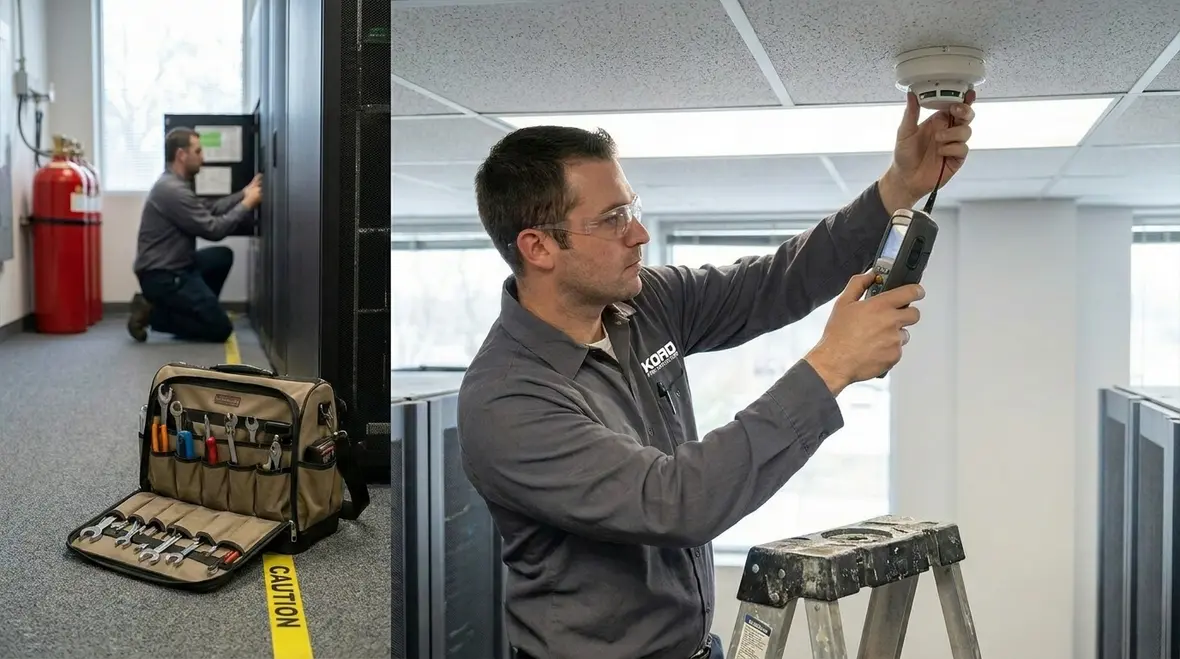
Key design factors for proper coverage and performance
Fire safety is not a one size fits all task. A clean agent system must be designed for the specific hazards and room layout. If the enclosure leaks air, or if the protected volume calculation is off, coverage can suffer. In addition, the fire load and ventilation conditions influence how quickly a fire can grow and how the agent distributes.
Facilities also need correct hazard classification. For example, one area may include electrical hazards, while another includes flammable liquids or other special materials. The system must match those risks rather than rely on generic assumptions.
Moreover, the design should account for typical obstructions and airflow patterns. Ducts, open doorways, and ceiling layouts can affect how the agent moves. As a result, engineers often measure and plan thoroughly so the agent reaches the right locations at the right concentration. Kord Fire’s article on the clean agent standard for fire suppression systems is a useful companion resource for understanding how design, testing, and maintenance tie together in real facilities.
To keep it dependable long term, the organization should also plan for maintenance. Detection devices, control panels, and discharge components all need routine checks. And yes, maintenance is not glamorous, but neither is replacing a controller after it fails during an emergency. Nobody wants that plot twist.
Good engineering protects more than equipment
The real goal is continuity. Proper coverage protects the hardware, the room, the process, and the people responsible for getting everything back online. In a lot of facilities, one interruption can trigger missed production, lost access, unhappy clients, and a very long meeting nobody wanted. Good design reduces the odds of all of that.
Why Kord Fire Protection becomes a vital partner
Even the best system design can struggle without strong service support. That is where Kord Fire Protection becomes a vital partner for the job. They help facilities treat fire suppression like an ongoing safety program, not a box checked once and forgotten.
First, Kord can support planning and implementation. This includes system review, coordination with site constraints, and alignment with code requirements. Then, they can help teams stay ready through inspections and maintenance schedules. As time passes, building changes happen, equipment gets moved, and airflows shift. A partner that tracks these changes reduces the risk of performance gaps.
Additionally, Kord can assist with documentation and compliance support. That often includes verification of system components, troubleshooting guidance, and training support for facility teams. In the real world, training matters because people act under stress. Clear procedures can turn panic into action, and action into a fast, orderly response.
Most important, Kord helps organizations treat the system as business continuity. A clean agent event is still a serious event, yet a prepared facility can limit damage and recover faster. Their main clean agent fire suppression service page is the logical place to start if your team is comparing options, planning a retrofit, or preparing a new installation.
Maintenance, testing, and readiness after installation
After installation, Fluoro-K clean agent fire suppression needs ongoing attention. Routine inspection verifies that detection and control components work as designed. Technicians also check for any signs of tampering, damage, or environmental effects that could impact performance.
Systems typically follow service intervals guided by governing standards and manufacturer instructions. Moreover, testing should align with the facility schedule to reduce downtime and avoid unnecessary discharge events. Many organizations plan tests during low traffic hours so operations stay stable.
Facilities also benefit from post test documentation. Clear records help compliance teams, maintenance managers, and safety officers understand what happened and when. Therefore, Kord’s service support often brings value beyond the physical system, because it helps teams stay organized and audit ready.
Finally, readiness includes people. It helps when staff know evacuation routes, alarm meaning, and who to contact during an incident. A fire system can do its job, but humans still decide the first actions. For facilities that want a related service near the end of the article, Kord Fire’s room integrity testing service information is a smart next step because enclosure performance can directly affect whether a clean agent system holds concentration long enough to do its work.
FAQ about Fluoro-K clean agent systems
Final thoughts: choose a partner that keeps systems dependable
Fluoro-K clean agent protection can help facilities control fires while reducing cleanup and downtime. Yet performance depends on correct design, careful installation, and steady maintenance. That is why organizations often rely on Kord Fire Protection as a vital partner. Kord helps teams stay compliant, prepared, and ready for real emergencies, not just inspection day.
If this is the kind of coverage your facility needs, reach out through Kord Fire’s clean agent fire suppression page and explore whether related support like room integrity testing should be part of your plan. A dependable suppression strategy is not built on guesswork. It is built on engineering, maintenance, and the right partner showing up before the emergency does.

Join Our Newsletter!
Get the latest fire safety tips delivered straight to your inbox From our Newsletter.



