NFPA Compliance vs California Code Compliance
When it comes to fire safety, few debates spark more confusion than Compliance vs California requirements. On one side stands the National Fire Protection Association, better known as NFPA. On the other stands California, a state famous for beaches, earthquakes, innovation, and yes, very specific building codes. The difference between NFPA compliance and California code compliance is not just technical jargon. It affects how buildings are designed, inspected, upgraded, and protected. Fortunately, seasoned professionals like Kord Fire Protection technicians take these complex layers and explain them in plain English, often with the calm confidence of someone who has seen a few false alarms and lived to tell the tale.
This article walks through how national standards and California specific codes interact, where they differ, and why understanding both can save time, money, and more importantly, lives.
Understanding NFPA Compliance at the National Level
NFPA compliance begins with a simple goal. Protect people and property from fire hazards. The NFPA develops codes and standards that guide everything from sprinkler system design to fire alarm installation and emergency exits. These standards are used across the United States and even internationally. Kord Fire Protection even maintains an in-depth NFPA Codes and Guidelines resource center that breaks down many of these standards in more detail.
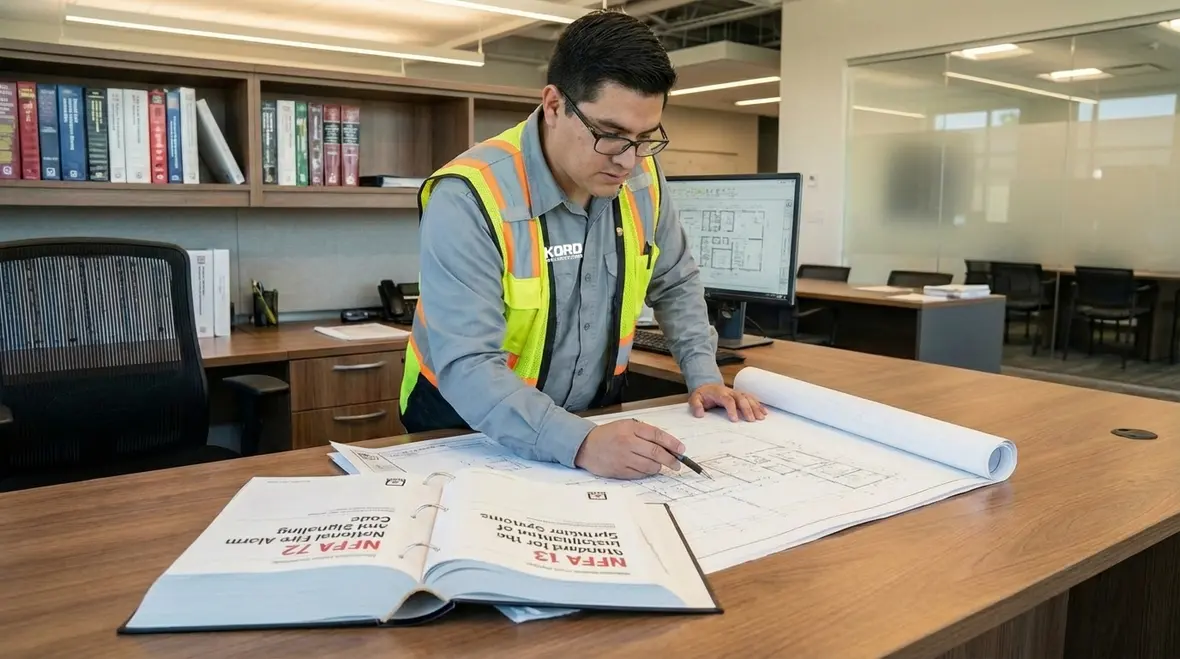
However, NFPA itself does not enforce laws. Instead, states and local jurisdictions adopt NFPA codes, sometimes word for word and sometimes with modifications. For example, NFPA 13 governs sprinkler system installation, while NFPA 72 covers fire alarm systems. When a building meets these standards, it demonstrates adherence to nationally recognized safety practices.
Kord Fire Protection technicians often explain that NFPA standards act like the blueprint of a well directed film. The script is detailed, the characters are defined, and the plot makes sense. Yet, how the movie is shot depends on the location. And that is where California steps onto the stage.
California Code Compliance Explained Clearly
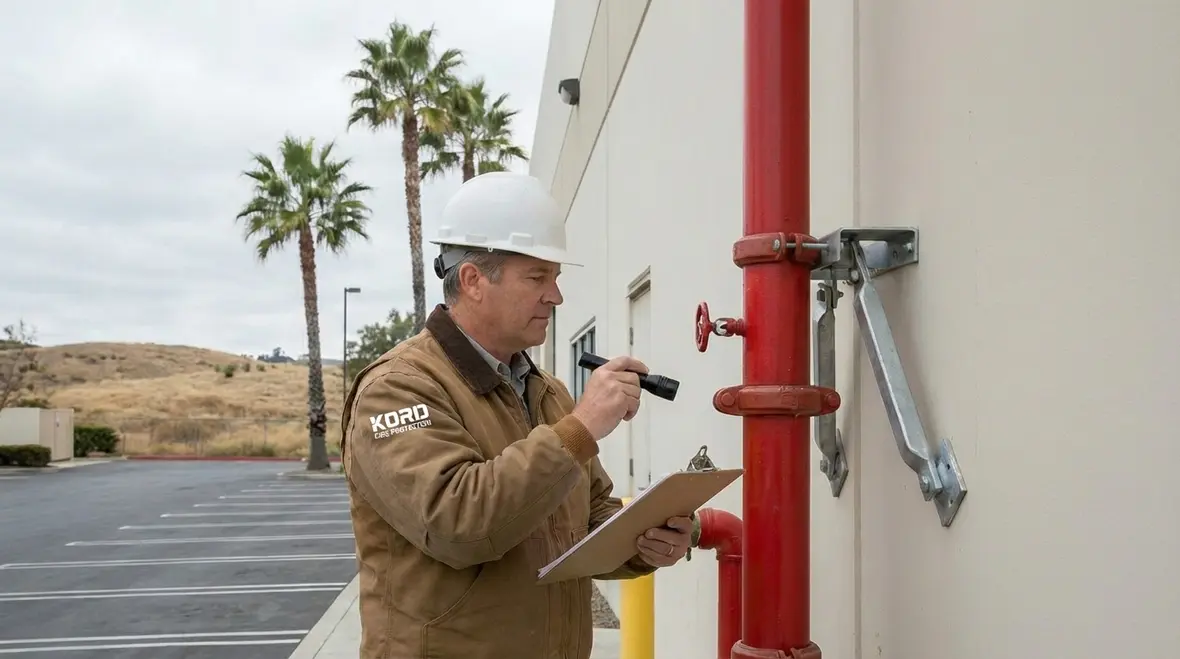
California code compliance builds upon national standards but adds its own requirements through the California Building Code and California Fire Code. These codes are part of Title 24 of the California Code of Regulations. They incorporate many NFPA standards, yet they also introduce amendments based on the state’s unique risks.
Because California faces earthquakes, wildfires, and dense urban growth, its codes often demand stricter measures. For instance, seismic bracing requirements for sprinkler systems are more detailed than in many other states. In wildfire prone areas, additional fire resistant construction rules apply.
Therefore, California code compliance is not separate from NFPA. Rather, it is layered on top of it. Think of NFPA as the foundation and California as the custom architecture built above it. Kord Fire Protection technicians regularly walk property owners through these layers, ensuring they understand not just what is required, but why it matters.
For building owners who want to dive deeper into the national side of the equation while staying California conscious, resources like Kord Fire Protection’s overview of NFPA 25 water-based fire protection maintenance or their NFPA 72 fire alarm overview can be helpful starting points that still tie back into California’s adopted versions.

NFPA Compliance vs California Code Compliance
This is where the conversation often gets interesting. In the discussion of NFPA Compliance vs California Code Compliance, the key difference lies in adoption and modification.
While NFPA publishes standards, California decides how those standards apply within the state. Sometimes California adopts an NFPA code edition later than other states. Other times, it amends sections to address seismic safety or wildfire concerns. As a result, a building compliant in another state may need adjustments before it satisfies California authorities.
Kord Fire Protection technicians frequently encounter property managers who assume that meeting NFPA automatically guarantees California approval. Unfortunately, that assumption can lead to delays during inspections. However, with proper planning and expert guidance, aligning both standards becomes far less stressful.
After all, fire inspectors are not movie villains waiting to shut down businesses. They are there to ensure systems work when it counts. And in California, the margin for error is smaller because the risks are greater.
Side by Side Comparison for Quick Clarity
NFPA Compliance
Scope
- National and international standards
- Developed by consensus committees
- Not law unless adopted by a jurisdiction
Focus
- Sprinkler design
- Fire alarms
- Inspection and testing procedures
Flexibility
- Can be adopted fully or partially
- May vary by state adoption cycle
California Code Compliance
Scope
- State specific regulations under Title 24
- Incorporates NFPA with amendments
- Legally enforceable statewide
Focus
- Seismic bracing
- Wildfire resilience
- Energy and life safety integration
Flexibility
- Mandatory once adopted
- Local authorities may add further rules
This side by side view makes one truth clear. NFPA sets the stage. California fine tunes the performance.
Why California Often Goes Further Than NFPA
California does not tighten regulations for fun. The state experiences some of the most destructive wildfires in the country. In addition, it sits on major fault lines. Because of these realities, fire protection systems must remain operational after seismic events.
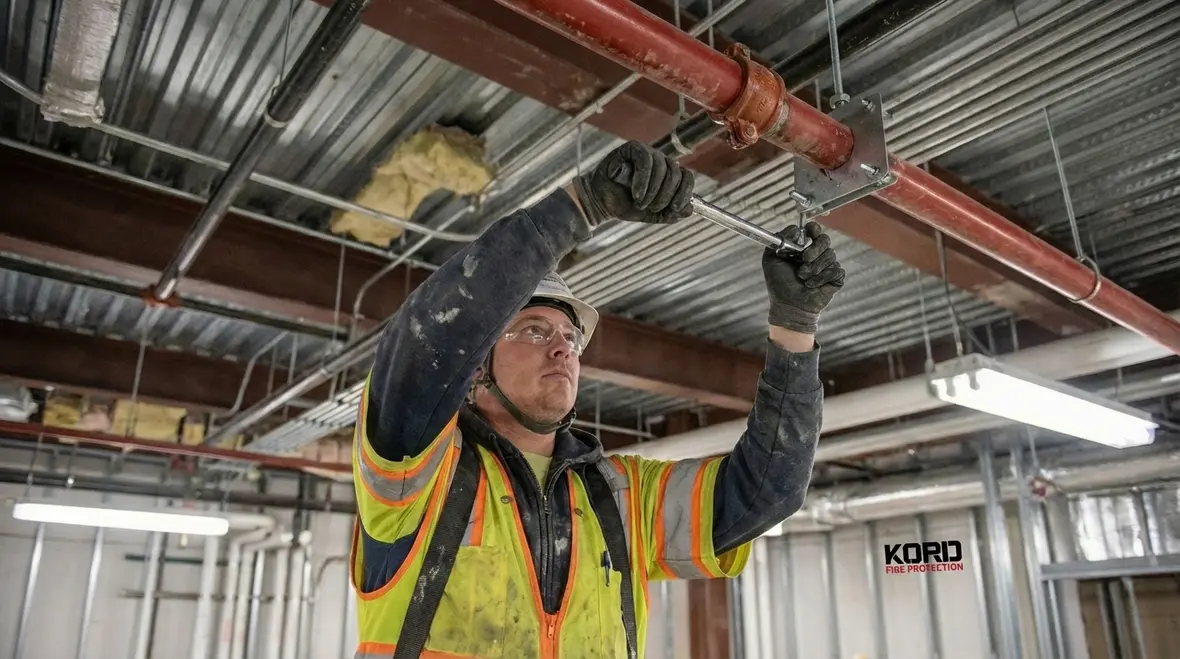
For example, seismic bracing ensures sprinkler pipes stay intact during earthquakes. Without proper bracing, a system could fail precisely when it is needed most. Similarly, defensible space and fire resistant construction help slow wildfire spread in vulnerable areas.
Consequently, California code compliance often demands more documentation, engineering calculations, and inspections. Kord Fire Protection technicians guide clients through this process step by step. They review building occupancy classifications, verify hazard levels, and coordinate with local authorities. In doing so, they remove guesswork and replace it with clarity.
And yes, sometimes they joke that California treats fire codes like a director obsessed with getting one more take. However, that extra take can make all the difference.
How Building Owners Can Navigate Both Standards
Building owners often ask how to manage national and state requirements without losing sleep. The answer begins with understanding which code edition the local authority has adopted. Since code cycles update every few years, using outdated standards can cause setbacks.
Next, owners should schedule regular inspections and testing according to both NFPA and California mandates. Routine maintenance is not just a checkbox. It ensures systems function under real world stress.
Additionally, documentation plays a critical role. Inspectors expect detailed records of testing, repairs, and modifications. Kord Fire Protection technicians emphasize organized reporting because clear records speed up approvals.
Finally, proactive upgrades often cost less than emergency corrections. For example, retrofitting seismic bracing during planned renovations is more efficient than responding to a failed inspection. Therefore, strategic planning protects both budgets and occupants.
If you are unsure where to start with specific systems, exploring focused resources such as Kord Fire Protection’s guide to NFPA 22 fire protection water tanks or their overview of NFPA 1 Fire Code can clarify how baseline NFPA expectations intersect with California’s adopted codes.
What Does NFPA Compliance vs California Code Compliance Mean for Inspections?
During inspections, authorities verify that systems meet adopted codes. In California, inspectors reference the California Fire Code and Building Code, which include NFPA standards with amendments. As a result, they may check additional elements such as seismic sway bracing or wildfire interface requirements.
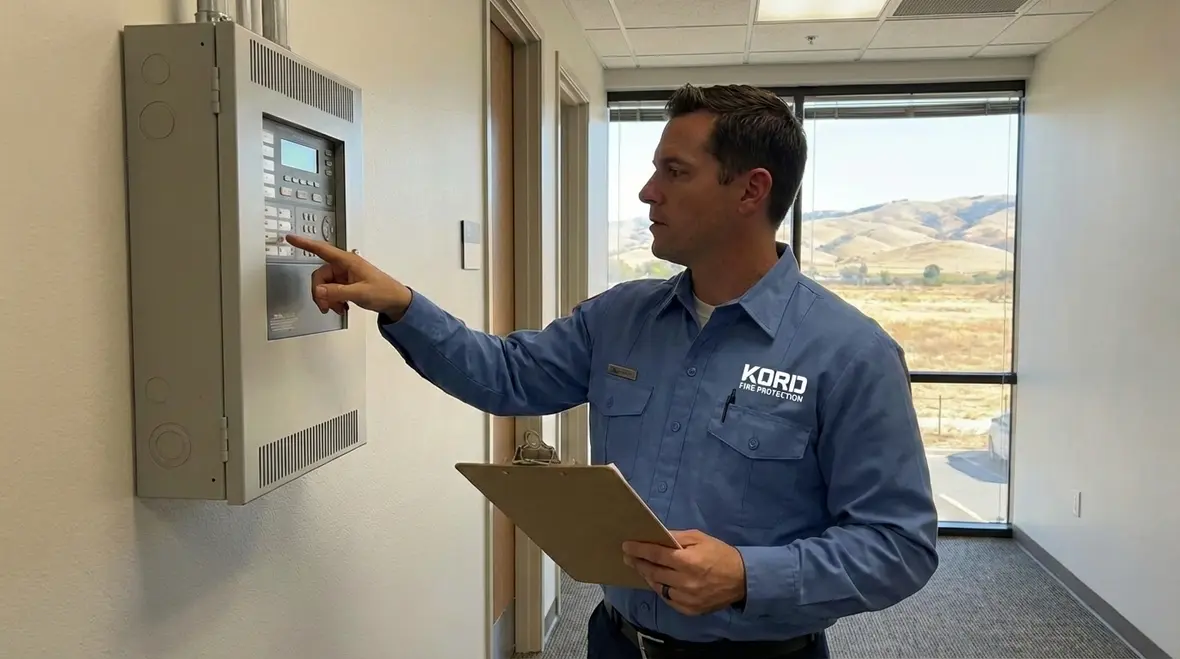
If discrepancies appear, correction notices follow. However, when professionals prepare systems correctly, inspections become straightforward. Kord Fire Protection technicians often attend inspections alongside clients, answering technical questions and ensuring smooth communication.
This collaboration reduces surprises. It also reinforces confidence that the building meets both national best practices and California specific rules.
Frequently Asked Questions
Bringing It All Together
In the ongoing conversation of Compliance vs California requirements, the message is clear. National standards provide a strong framework, yet California builds upon that framework to address its distinct risks. Understanding both layers protects property, ensures smooth inspections, and most importantly safeguards lives.
If a building needs clarity, upgrades, or a steady hand to guide it through regulations, Kord Fire Protection technicians stand ready to help. They combine NFPA expertise with on-the-ground experience in California jurisdictions, so owners are not left guessing which rule applies where.
Reach out today, ask the right questions, and ensure every system meets the highest standard of safety. Because when it comes to fire protection, preparation is not optional. It is essential.
To take the next step, explore Kord Fire Protection’s California fire protection and safety inspection services and connect with a team that understands both NFPA best practices and California’s code reality from design to final inspection.
Know Your Weapon Before You Fight the Flame
Kord Fire Protection is your go-to when it comes to all things fire protection. For over 20 years, we’ve been serving Southern California with the quality service and equipment to keep your home or business safe at all times. Our competitive prices reflect our unwavering commitment to protecting what matters most in the event of a fire emergency. Give us a call, send an email, or use that form!

Join Our Newsletter!
Get the latest fire safety tips delivered straight to your inbox From our Newsletter.