Mission Critical Fire Suppression with Clean Agent Systems
Mission critical facilities live on a simple promise: when fire happens, the system must respond fast, clean, and reliably, without turning the building into a smoke-filled hostage situation. That is where mission critical fire suppression earns its keep. It focuses on protecting people, safeguarding high value assets, and keeping operations moving, even when seconds matter. However, clean agent technology also has its own rules, including proper system design, careful installation, and disciplined inspections. Therefore, teams that handle life safety, data, and high consequence equipment often need a vendor partnership that can think ahead.
Enter Kord Fire Protection, a partner that can support the entire job from planning to documentation and service. Because when the stakes are real, the best plan is the one that gets followed, not the one that looks good on paper. If your facility is evaluating broader fire suppression services, clean agent protection often becomes the obvious choice where uptime matters more than dramatic sprinkler theatrics. Kord Fire also offers dedicated clean agent fire suppression system services for critical environments that cannot afford water damage or long cleanup windows. ([kordfire.com](https://kordfire.com/clean-agent-fire-suppression/?utm_source=openai))
What clean agent fire suppression means for high value sites
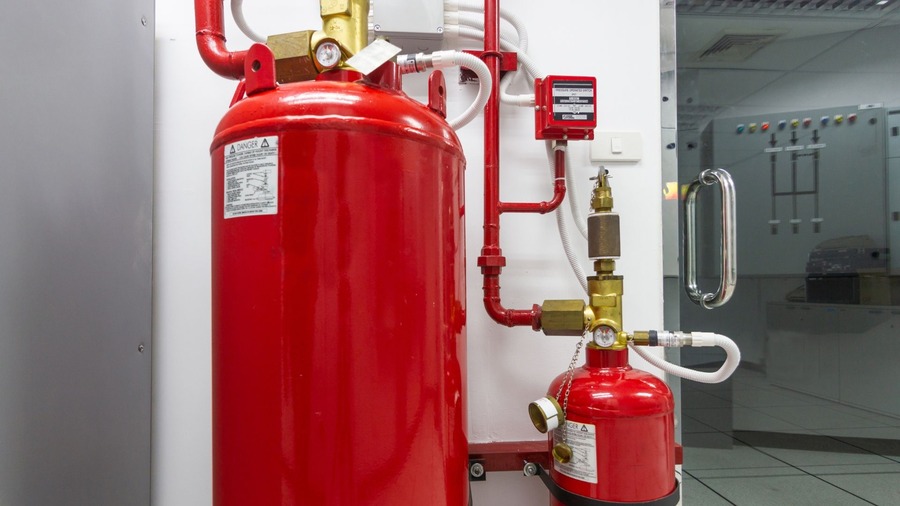
Clean agent fire suppression uses gases that put out a fire by interrupting the chemical or thermal process, depending on the agent type. Unlike water based methods, these systems avoid heavy residue and reduce cleanup time. That matters in spaces such as server rooms, control rooms, telecommunication hubs, archives, and parts of manufacturing where a shutdown causes major financial loss. Kord Fire describes clean agent systems as residue-free protection for data centers, server rooms, libraries, telecommunications centers, and other sensitive spaces where water could cause more damage than the fire itself. ([kordfire.com](https://kordfire.com/clean-agent-fire-suppression/?utm_source=openai))
In addition, clean agent systems help support tight operational goals. Facilities often cannot tolerate downtime, and they cannot risk a fire response that destroys sensitive equipment. Then again, no system is magic. Proper hazard assessment and correct discharge design determine whether the agent actually works as intended. Or, said less formally, a shiny cylinder bank is not a personality trait. It still has to perform.
- Less cleanup compared to water mist and sprinklers in many protected areas
- Protection of electronics and materials that resist contamination better than they resist flooding
- Fast response when detection and release sequencing are properly engineered
- Better recovery timelines for rooms where even a short outage can create operational chaos
And yes, the phrase “clean” can feel like marketing gloss. Still, in the real world, it often means the difference between reopening quickly and spending weeks restoring equipment after discharge. That distinction becomes painfully clear in environments where a few minutes offline can affect customer service, security systems, production schedules, or compliance obligations.
Where these systems make the biggest difference
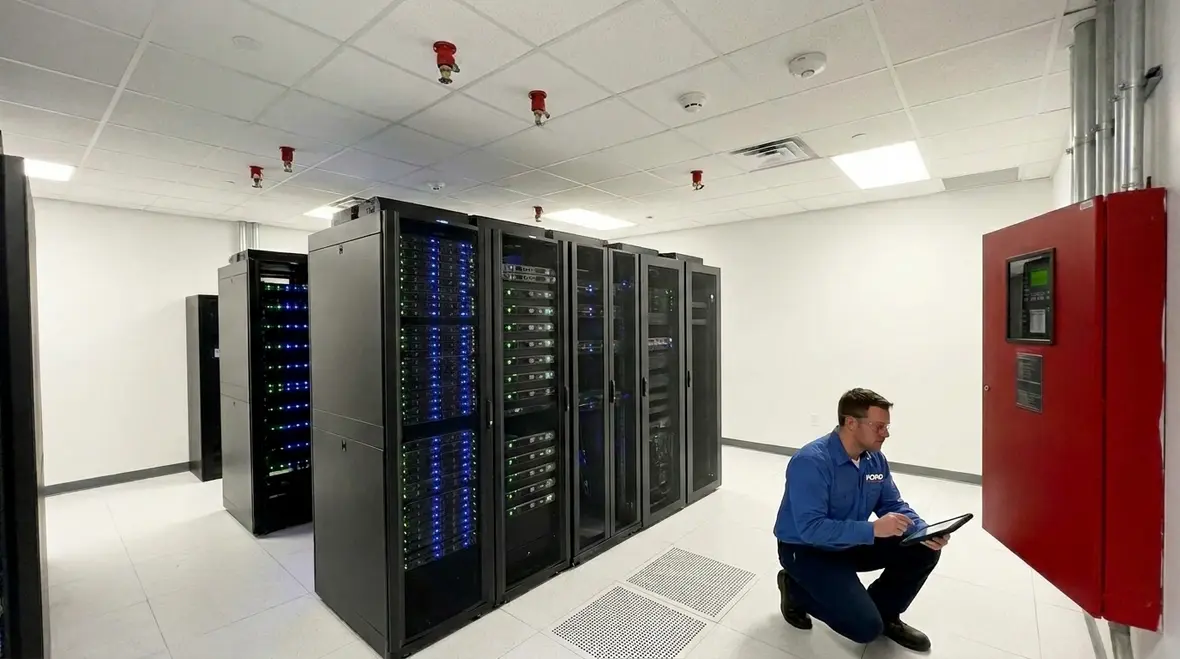
Kord Fire specifically highlights computer rooms, bank vaults, data centers, libraries, and server rooms as common applications for clean agent systems. That list makes sense because these are places where traditional suppression can solve one emergency by creating a brand new one. If the mission depends on electronics, records, communications, or continuity, clean agent systems are usually less about convenience and more about basic operational survival. ([kordfire.com](https://kordfire.com/clean-agent-fire-suppression/?utm_source=openai))
How the design process protects people, equipment, and uptime
High performance clean agent work does not start with the cylinder. It starts with understanding the building and the risk. First, a qualified team performs a hazard review, including room geometry, ventilation, leakage paths, occupancy patterns, and fire load. Next, engineers choose agent type and cylinder quantity based on the concentration needed for the expected hazard. Kord Fire’s service and education pages repeatedly emphasize design, installation, maintenance, and room integrity testing as linked parts of one protection strategy rather than separate checkboxes. ([kordfire.com](https://kordfire.com/clean-agent-fire-suppression/?utm_source=openai))
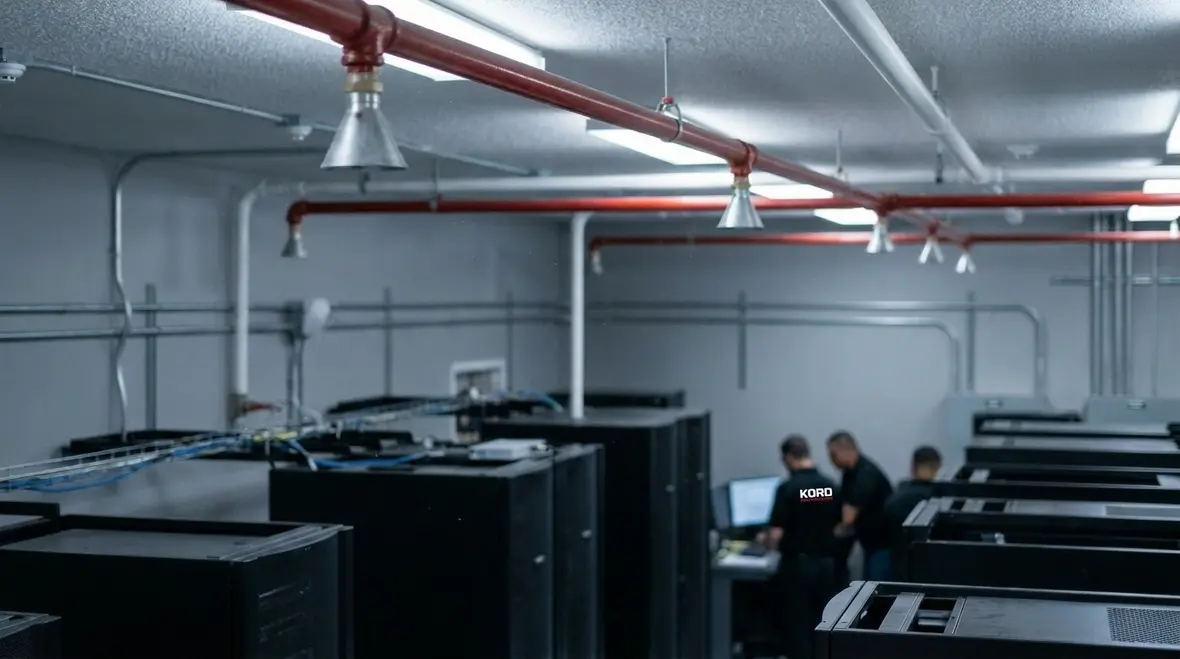
Then the job gets specific. Proper nozzle placement, release timing, and volume calculations decide how evenly the agent reaches the protected space. Meanwhile, the detection system must coordinate with evacuation and door closure logic where required. After all, it is not enough to “have the equipment.” The system must respond like a well rehearsed play, not like a group chat during a crisis.
- Hazard analysis for correct agent concentration and effective coverage
- Engineering for room tightness, airflow, and leakage considerations
- Integration with detection, alarms, and any pre discharge safety actions
- Commissioning that verifies sequence and performance before turnover
- Documentation that helps owners, insurers, and inspectors confirm the system is not just present, but usable
Kord Fire Protection can become a vital partner by aligning the suppression plan with life safety requirements and facility operating needs. As a result, mission teams get clear documentation, consistent installation practices, and a path to steady service after the system goes live. If your team wants a deeper look at enclosure performance, Kord Fire’s article on clean agent suppression system and room integrity testing explains why even a well designed system can fall short when the room itself does not hold the agent concentration long enough. ([kordfire.com](https://kordfire.com/clean-agent-suppression-system-and-room-integrity-testing/?utm_source=openai))
Installation quality, testing, and commissioning that actually matter
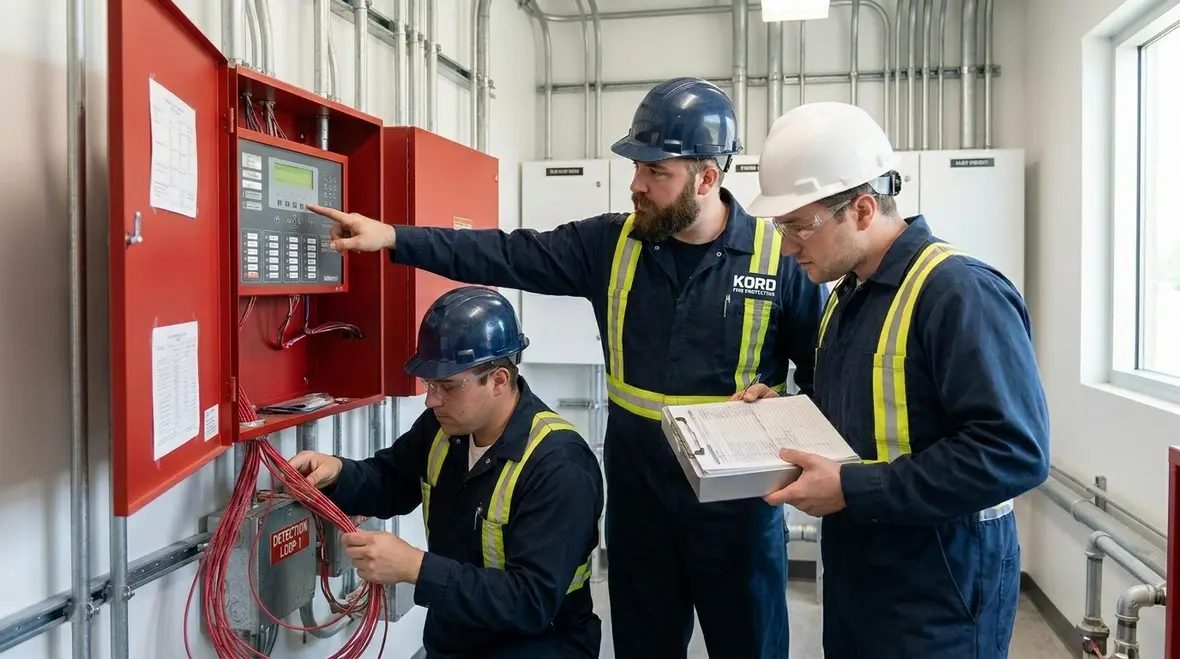
Clean agent systems can look straightforward, but installation errors create hidden failure points. For instance, loose fittings, incorrect wiring, or poorly routed detection lines can delay release or cause false actions. Therefore, a strong commissioning process should verify every part of the system in the real environment it will protect.
During testing, teams should verify alarm initiation, control panel behavior, releasing circuits, and any interlocks such as fans, dampers, or door closure controls. Next, technicians confirm signage, emergency procedures, and occupant notification methods. Then they document results so the facility can prove compliance when inspectors ask for evidence, not hope.
To keep everything steady over time, Kord Fire Protection helps clients establish clear service expectations after commissioning. That includes schedules, inspection criteria, and a plan for corrective actions. In other words, the system does not just “get installed.” It gets managed. Kord Fire’s resources on server room and data center protection reinforce the same point: clean agent protection only works well when detection, discharge logic, room integrity, and follow-up service all pull in the same direction. ([kordfire.com](https://kordfire.com/data-center-clean-agent-fire-suppression-guide/?utm_source=openai))
Commissioning is where theory meets reality
This is the stage where polished drawings stop being impressive and start being useful. A successful commissioning process confirms not just that the components exist, but that they act in the right order, within the right timing, under realistic site conditions. That difference matters a lot when alarms are sounding and nobody wants to find out the hard way that an interlock was wired backward three months ago.
What inspections and maintenance look like over time
Clean agent systems require disciplined care because components age, sensors drift, and building conditions change. Even small facility renovations can alter airflow patterns or room tightness, which affects performance. Thus, ongoing maintenance focuses on both hardware and environment.
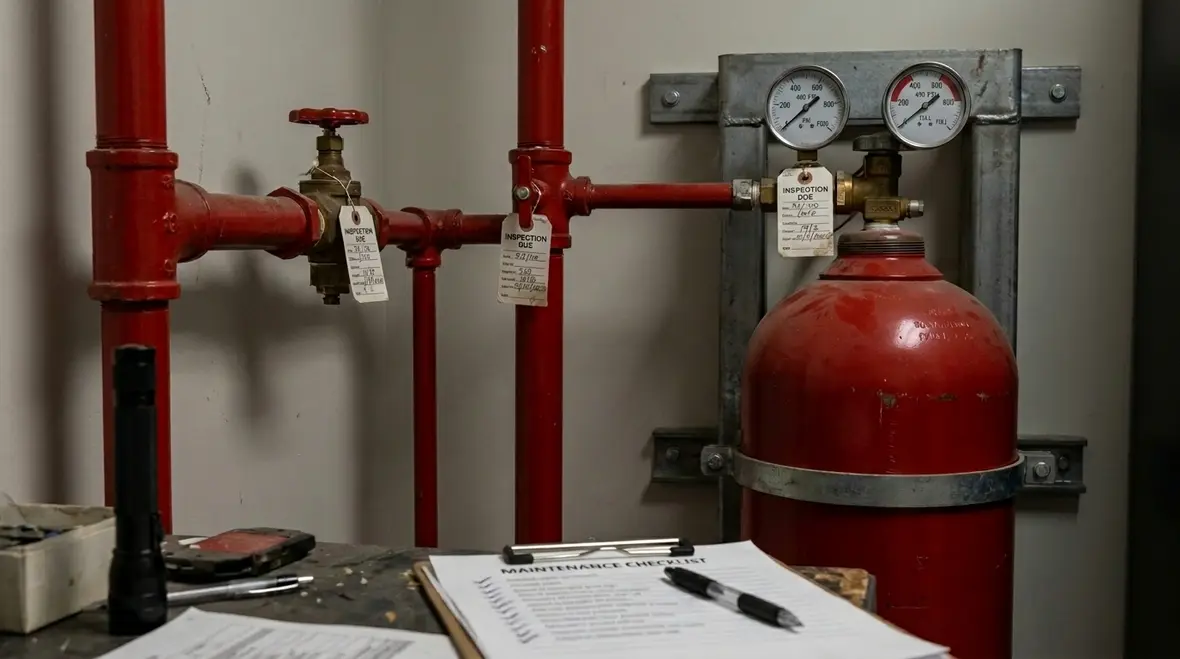
A practical maintenance approach typically includes periodic visual inspection of cylinders, gauges, and distribution piping. Technicians also check the integrity of releasing lines and confirm the control panel status. In addition, they verify battery condition, sensor cleanliness, and communication paths for alarm monitoring where applicable. Kord Fire’s clean agent service pages specifically include maintenance support and room integrity testing, which shows that long term reliability depends on more than glancing at the cylinder pressure once in a while and declaring victory. ([kordfire.com](https://kordfire.com/clean-agent-fire-suppression/?utm_source=openai))
Then there is the human side. Staff members need to understand what the system does, what it will sound like, and what actions they must take after discharge. Otherwise, the facility risks treating a real event like a surprise power outage. That never ends well for anyone. Training is not glamorous, but neither is explaining to leadership why the room was full of confusion during the one emergency everyone assumed was covered.
Case based guidance for server rooms, control centers, and data archives
Different mission critical spaces behave differently. A server room with ceiling voids and HVAC routing can create airflow pathways. A control center might include partitions that reduce effective distribution. Meanwhile, data archives may contain storage arrangements that change heat release patterns. Therefore, a team should tailor the design and verification to the actual layout and operating behavior rather than copying a generic template and hoping the building cooperates.
Facility type
- Server rooms
- Control centers
- Data archives
Common focus areas and clean agent considerations
- Server rooms often require attention to HVAC shut down logic and room sealing details
- Control centers benefit from strict sequencing that protects staff without delaying response
- Data archives demand careful evaluation of storage density and fire load assumptions
Next, teams should confirm that emergency procedures match the system layout. Smoke detectors, audible alarms, and visual signals must guide occupants toward safe exits. And yes, it helps when signage reads like it was written for real humans, not for a committee in a windowless room.
For facilities focused on digital infrastructure, Kord Fire’s data center clean agent fire suppression guide and server room fire suppression guide offer context that aligns closely with the same risks discussed here: airflow, enclosure integrity, sensitive electronics, and the need for fast but controlled response. ([kordfire.com](https://kordfire.com/data-center-clean-agent-fire-suppression-guide/?utm_source=openai))
Why choosing the right partner reduces risk and cost
Fire suppression is not a one time purchase. It is a life safety commitment and an asset protection tool. When the partner lacks experience, the facility may get generic drawings, vague documentation, or inconsistent service. Then the system becomes “unknown” during the next inspection cycle, which is a fun way to say “stressful.”
Instead, a strong partner provides the full loop: assessment, design coordination, installation support, commissioning verification, and ongoing service. That includes training resources and clear reporting so the facility can operate with confidence. Near the end of the process, it also helps to have a direct path back to the right service team instead of searching through old email threads like an archaeologist of bad project handoffs.
Kord Fire Protection works as a vital partner by bringing discipline to planning and follow through after activation. Therefore, clients get fewer surprises, faster issue resolution, and better readiness when conditions change. Most importantly, the mission stays protected. If your facility is preparing for upgrades, inspections, or a new protected room, Kord Fire’s clean agent fire suppression services and broader fire suppression service page make a practical next step and a clear CTA for teams that need design, installation, and maintenance support in one place. ([kordfire.com](https://kordfire.com/clean-agent-fire-suppression/?utm_source=openai))

FAQ: Clean agent suppression for mission critical spaces
Conclusion
Clean agent systems protect mission critical facilities by controlling fire quickly while reducing damage and downtime. However, performance depends on thoughtful design, solid installation, and disciplined inspection over time. When a facility treats this work as a partnership, not a transaction, it stays ready for real events.
Kord Fire Protection can help teams plan, commission, and maintain clean systems with clear documentation and dependable service. If the next audit or expansion is already on the calendar, now is a smart time to connect through Kord Fire’s clean agent service page or review their broader fire suppression solutions for a facility specific path forward. ([kordfire.com](https://kordfire.com/clean-agent-fire-suppression/?utm_source=openai))

Join Our Newsletter!
Get the latest fire safety tips delivered straight to your inbox From our Newsletter.