FE-25 Fire Suppression and Kord Fire Protection
When the stakes rise, FE-25 fire suppression becomes a serious tool, not a casual idea. In the first place, it is designed to control fast developing fires by targeting the conditions that let flames grow. As a result, facilities that need dependable protection often look at FE-25 as part of a broader fire safety program rather than a one and done product. Still, no system is magic. It helps, but it also has limits that decision makers must understand before signing off.
Now, picture a fire alarm company showing up with confidence, then realizing the real job is teamwork, training, and the boring paperwork that nobody frames. That is where Kord Fire Protection steps in as a vital partner. They help owners and managers connect the dots between design, installation, inspection, and response, so the system works when people actually need it to.
What FE-25 fire suppression is and how it works
FE-25 fire suppression uses an engineered approach to reduce fire intensity by disrupting the fire’s ability to continue. In many setups, it targets the environment around the hazard, helping keep flames from spreading. Additionally, it can be used in spaces where traditional water based methods may cause problems, such as areas with sensitive equipment, clean operations, or specific enclosure designs.
Importantly, performance depends on proper design and correct placement. Therefore, engineers evaluate the hazard type, enclosure boundaries, airflow, and potential fire behavior. Once that is done, the system can be matched to the space so it releases at the right time and in the right way. That same logic shows up across Kord’s broader clean agent fire suppression services, where room conditions and hazard behavior guide the design.
And yes, like all safety tech, it works best when installed correctly. Otherwise, it becomes the most expensive “hope” anyone ever bought. So the real goal is disciplined implementation.
Why design discipline matters so much
A suppression system only looks simple after the engineering is done. Before that, it is measurements, calculations, airflow questions, and a lot of attention to details that would make most people suddenly very interested in checking their email. The good news is that when those details are handled correctly, FE-25 becomes a practical, fast acting layer of protection in the right environment.
Typical uses for FE-25 in real facilities
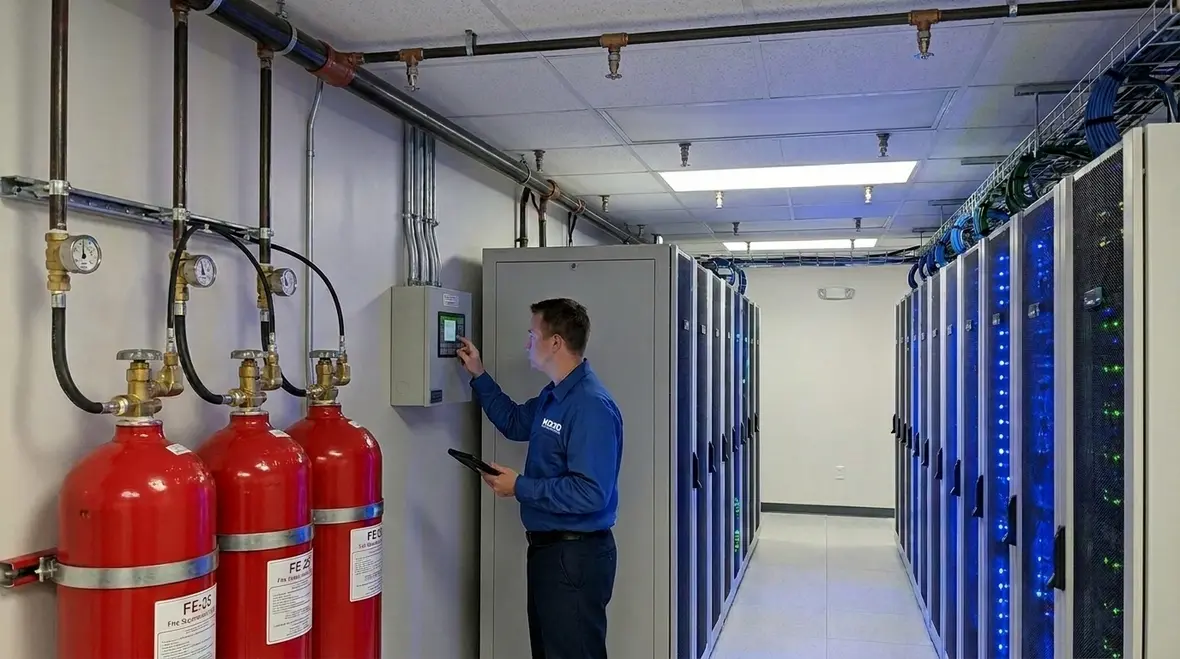
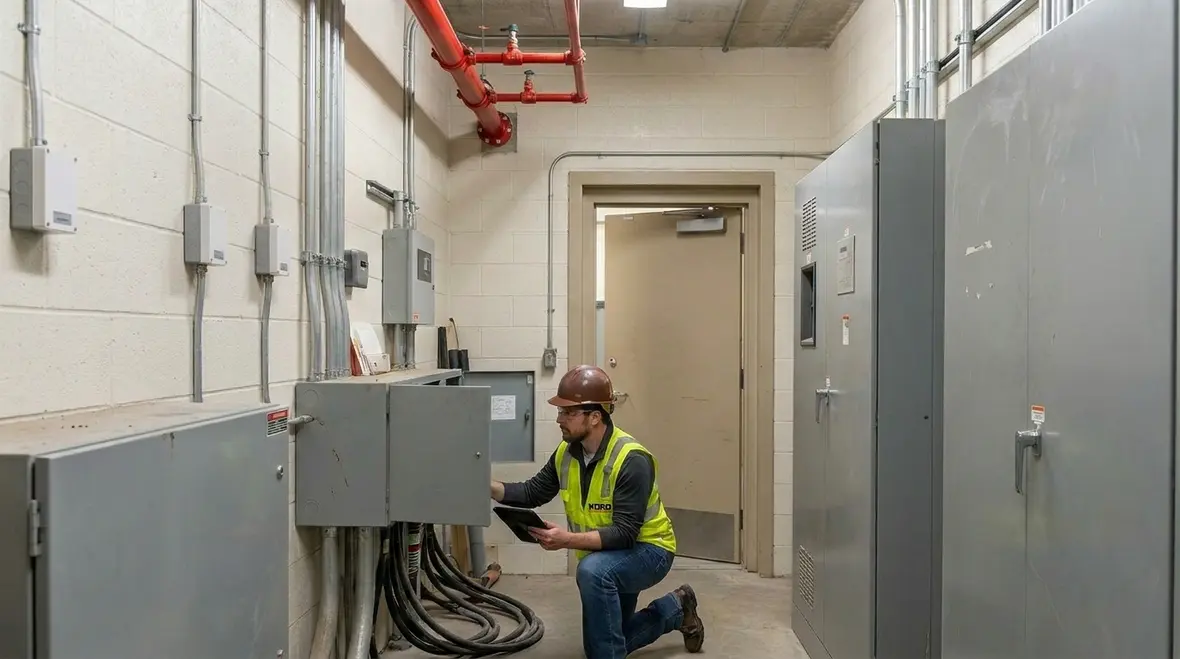
Organizations usually consider FE-25 when the hazard is high, the room can be enclosed, or water can create added risk. Common use cases include spaces with electrical gear, machinery that cannot get wet, and environments where cleanup after discharge would be hard. In addition, some facilities use it as part of a layered approach that pairs detection with suppression so actions happen quickly.
Rather than treating FE-25 as a standalone solution, teams often map it to the facility’s risk. For instance, a site might install detection in strategic locations, then pair it with suppression that covers the protected area. Consequently, response times improve and fire growth slows. That risk based strategy lines up with Kord’s recent guidance on clean agent suppression for critical assets, especially when equipment uptime really matters.
- Enclosures where flames can be contained for effective suppression
- Areas with equipment that water might damage
- Facilities that need a clean, controlled discharge strategy
- Operations that benefit from detection plus suppression coordination
Benefits that decision makers care about
FE-25 fire suppression offers benefits that show up in both safety and operations. First, it can help reduce smoke and fire spread in the protected zone, which supports evacuation and protects assets. Second, it can limit damage compared with solutions that soak the area. As a result, downtime can shrink, and recovery becomes less painful.
Additionally, it supports risk management. Because it is designed around hazard behavior, it can align with a facility’s codes and inspection standards. Then again, the benefit is not just the suppression itself. It is also the system’s integration into the facility’s fire plan, including alarms, monitoring, and staff response. Kord also discusses these broader tradeoffs in its article on clean agent vs traditional fire suppression systems, which is useful when teams are comparing methods instead of shopping for magic.
To keep it clear, here is a quick comparison in two columns that helps teams think practically about outcomes.
Operational value beyond the equipment
Decision makers usually care about one thing after the fire is out: how bad the interruption will be. A well planned FE-25 setup can support business continuity by reducing collateral damage, keeping cleanup more manageable, and making post event recovery less chaotic. That does not make the system effortless, but it does make the consequences far more survivable.
Limitations and the details that make or break performance
Every suppression plan comes with limits, and FE-25 is no exception. For starters, performance relies on correct system sizing and proper enclosure conditions. If doors stay open, airflow changes, or the hazard layout differs from the assumptions used during design, outcomes can shift. Therefore, facility owners must treat the protected area like a real system boundary, not a suggestion.
Also, teams should plan for discharge effects. Depending on the setup, the release can create cleanup steps, reset requirements, and inspection needs. Then there is human factors. People must understand alarms, evacuation procedures, and what to do after an event. Without training, even the best system can become a confusing alarm loop.
Finally, the job does not end at installation. Inspections, maintenance, and verification ensure the system stays ready. If the facility changes equipment, storage patterns, or airflow paths, it may affect how well the suppression operates. So it helps to keep FE-25 fire suppression connected to facility management, not parked in a binder. Kord’s article on clean agent suppression system and room integrity testing is especially relevant here because retention time and enclosure performance can quietly decide whether a system shines or sulks.
Why Kord Fire Protection becomes a vital partner
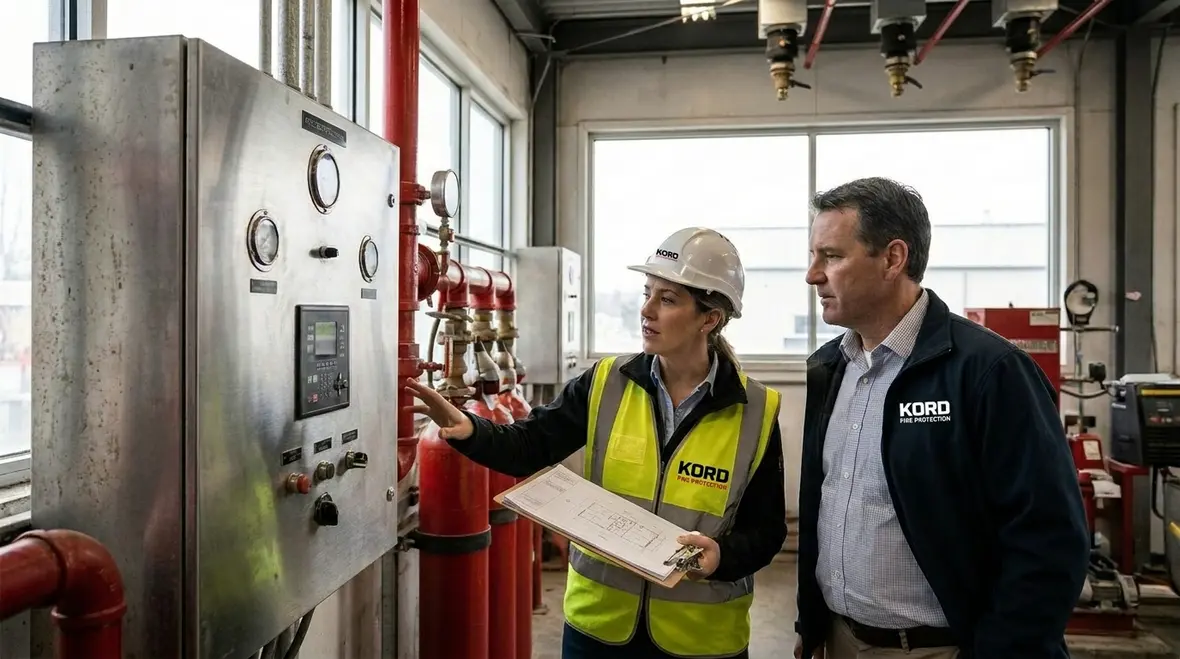
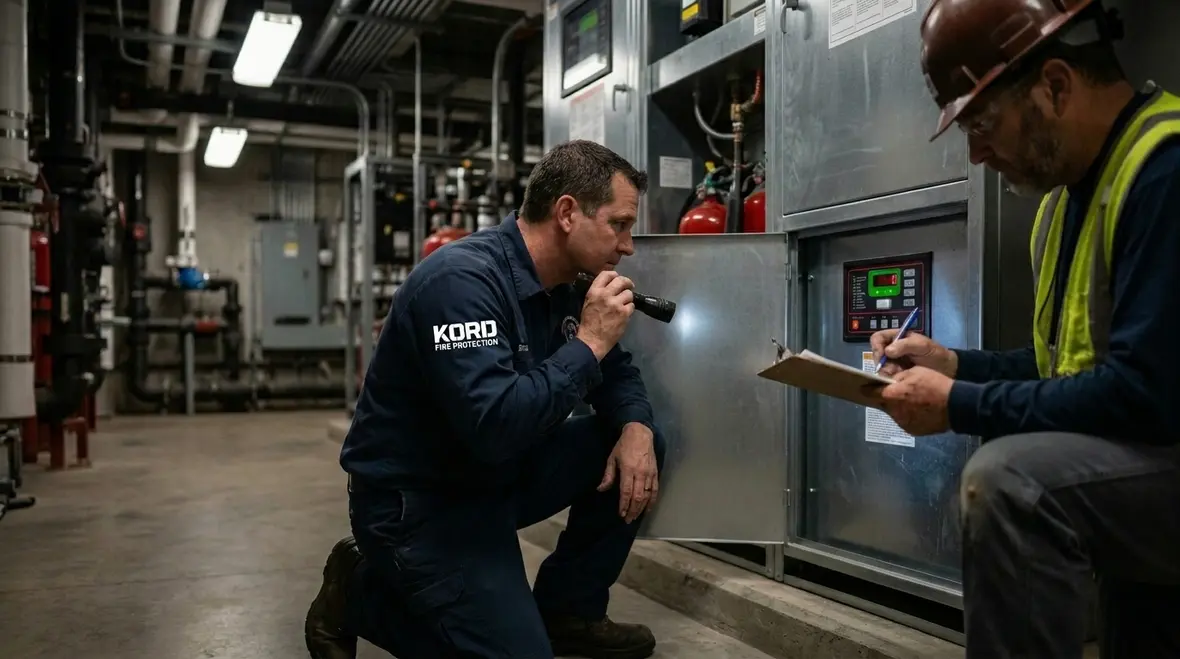
Kord Fire Protection brings the kind of practical follow through that many projects lack. They help teams move from “we chose a system” to “we know how it performs here.” That matters because FE-25 fire suppression is only as strong as the design assumptions, installation quality, and ongoing verification.
In other words, Kord Fire Protection treats suppression as part of an operating system. They support site reviews, help confirm hazard understanding, and coordinate the details that help the solution work reliably. Additionally, they support inspection and maintenance planning so the facility does not wait until something goes wrong to act. If a facility needs a service level starting point, the dedicated clean agent fire suppression service page is the obvious place to begin.
And if there is a joke hiding in the margins, it is this: fire protection is not a set of parts you buy. It is a relationship you maintain. Kord helps keep that relationship professional, calm, and ready, even when the building decides to be dramatic at 2 a.m.
Implementation steps for a smooth, compliant rollout
To implement FE-25, facilities usually follow a clear sequence that reduces surprises. First, they assess hazards and confirm boundaries. Then, they design detection and suppression to match the space and fire behavior. After that, they install the system, test it, and document everything required for compliance.
Next, they train staff and update the fire plan. Then comes the part everyone delays: maintenance and inspection scheduling. However, those steps protect the investment and support predictable performance over time.
- Hazard review and enclosure condition checks
- System design that matches airflow, layout, and risk
- Installation quality control and commissioning tests
- Staff training for alarms, evacuation, and reset steps
- Inspection and maintenance plan with clear ownership
When these steps connect cleanly, FE-25 fire suppression becomes a dependable layer, not a hopeful experiment. If a team wants more context on where FE-25 fits within the wider menu of special hazard options, Kord’s article on fire suppression system types explained offers a useful side by side perspective.
FAQ about FE-25 fire suppression
Ready to strengthen fire safety planning with FE-25?
Fire safety should feel steady, not improvised. Kord Fire Protection helps facilities evaluate hazards, design suppression fit, and maintain systems so FE-25 performs when it matters most. If a facility is planning a new build, upgrading protection, or reviewing current coverage, a professional assessment can clarify what works and what needs adjustment.
That is also a good time to explore Kord’s clean agent fire suppression service page and related insights like data center clean agent fire suppression guide if your operation includes sensitive technology or high value equipment.
Take the next step with Kord Fire Protection
Reach out to Kord Fire Protection to map the right solution, schedule next steps, and build a fire plan that stands up to real life. When the building gets dramatic, your fire protection plan should stay boring in the best possible way.

Join Our Newsletter!
Get the latest fire safety tips delivered straight to your inbox From our Newsletter.