FE 13 Fire Suppression With Kord Fire Protection
FE 13 fire suppression is not one-size-fits-all, and that is exactly why it works so well when it belongs. In the right settings, this system helps control developing fires fast, supports life safety, and protects business assets without turning the site into a science project. However, it still needs thoughtful design, correct placement, and solid service. So, for teams that want fewer surprises and steadier uptime, the smartest move is pairing the system with expert support. That is where Kord Fire Protection can step in as a vital partner, bringing job-ready planning, commissioning help, and dependable follow up so the protection plan actually performs when it matters.
If your facility protects sensitive electronics, operational continuity, or high-value spaces, that kind of support matters more than most people think. A suppression system might look calm and quiet on a wall, but behind that calm is a lot of design logic, timing, and coordination. When those pieces come together, FE 13 fire suppression becomes less of a gamble and more of a strategy that works the way it should.
Where FE-13 fire suppression fits best
FE-13 fire suppression makes the most sense in spaces where a fast response matters and where fire behavior can be predicted with reasonable confidence. In many facilities, early stage fires start small, then spread quickly when oxygen and fuel line up. Therefore, the goal is not just to react, but to manage the situation before it grows into a full headline.
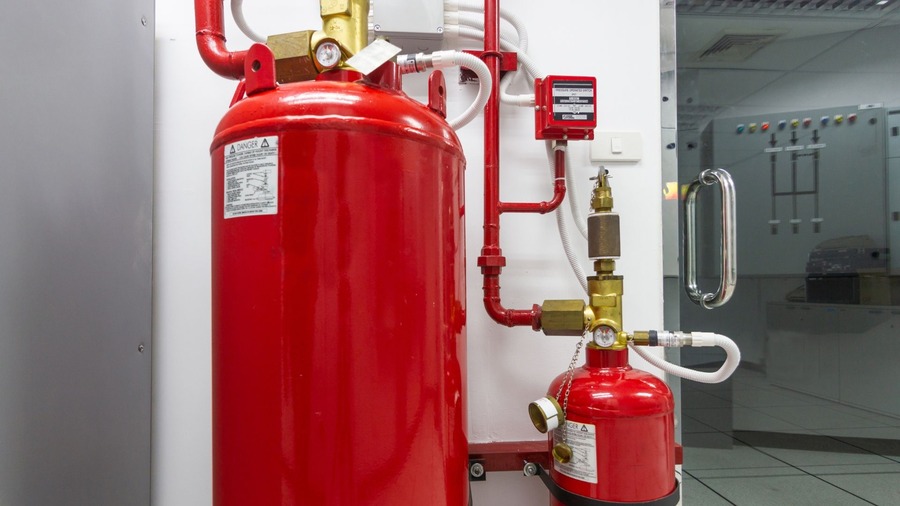
This is also why clean agent systems stay popular in rooms where water damage would feel like adding insult to injury. Kord Fire Protection’s clean agent fire suppression services highlight how these systems are used to protect high-value assets in spaces such as computer rooms, data centers, libraries, server rooms, bank vaults, and telecommunications environments. That broader clean agent context makes FE 13 easier to understand as part of a targeted protection strategy rather than a magic fix for every possible hazard.
Typical conditions that make the system a strong fit
- High value equipment that downtime would hurt more than the system cost
- Areas with controlled hazards where the risk profile is understood
- Spaces that need clean, targeted suppression rather than broad disruption
- Facilities that already run tight safety routines and can support maintenance schedules
In plain terms, this is where a system earns its keep. And yes, fire suppression is a bit like a good fire drill: nobody wants it to be “tested” for real, but when it is needed, people are very glad it existed.
Common project scenarios that benefit from targeted suppression
Many fire suppression jobs succeed because they focus on the real world, not the brochure. Consequently, FE-13 fire suppression often shows strong value in environments where fires can be localized and controlled. For example, certain commercial and industrial setups benefit when the team can plan access routes, avoid blind spots, and coordinate detection with suppression timing.
Project scenarios where teams often see the best fit
- Electrical and control areas where overheating and short events must be managed quickly
- Special use rooms tied to operations that cannot simply shut down for long periods
- Facilities with strict occupancy needs that require a calm response plan during incidents
- Renovations and upgrades where modern protection needs to blend with existing layouts
When a job like this is planned well, the system does what it should do without drama. And if a facility manager tells you “we will figure it out later,” the building usually picks a different time to remember the laws of physics.
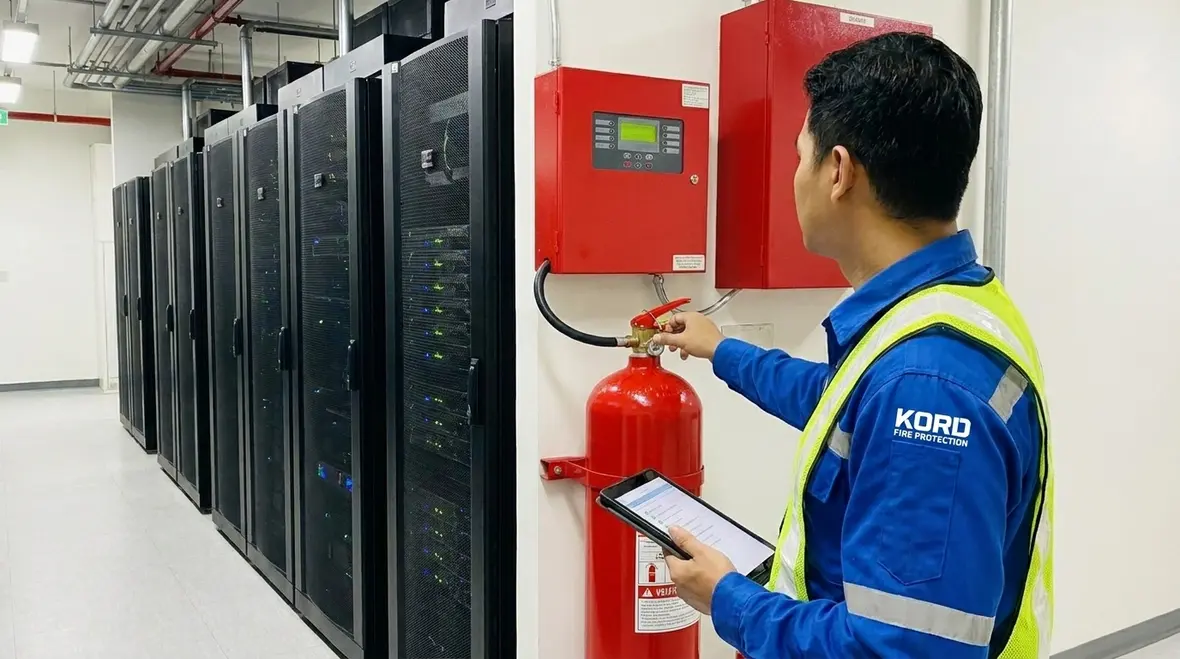
Kord Fire’s recent data center clean agent fire suppression guide makes this especially clear in technology-driven spaces. The same planning mindset applies beyond data centers too: when hazards are known, room conditions are stable, and operations cannot tolerate messy suppression, the value of a properly matched clean agent system goes up fast.
How FE-13 fire suppression works in real life
FE-13 fire suppression focuses on early control. Instead of waiting for flames to race across a space, it aims to reduce fire growth and limit damage while people respond. That means the system depends on correct detection cues, accurate discharge design, and the right coverage strategy for the hazard.
To make this real, the job typically includes several steps that teams must not rush. Those steps are where good intentions become actual protection, and where expert support can save everyone from future headaches that seem small on day one and expensive on day ninety.
The steps that usually matter most
- Hazard review to map fuels, airflow paths, and ignition points
- System design to align protection with how the fire actually behaves
- Installation and layout control so devices reach the right areas without interference
- Commissioning to verify activation logic, timing, and performance
- Maintenance planning with clear schedules and documented checks
Meanwhile, Kord Fire Protection can become a vital partner here. They help teams connect the dots between design intent and field results. That reduces guesswork, helps prevent “it passed once” scenarios, and supports ongoing readiness so the system does not drift over time like a thermostat stuck at the same wrong setting.
If your team wants more background on how these systems are expected to perform in sensitive environments, Kord Fire’s article on the clean agent standard for fire suppression systems is a useful companion read. It reinforces the bigger point here: system performance is never just about buying equipment. It is about matching design, testing, service, and room conditions so the whole setup works as one plan.
When a different approach works better
Not every project needs FE-13 fire suppression, and that is the mature way to handle it. Some sites may require alternative fire protection methods based on hazard class, airflow, ceiling height, obstructions, or operational constraints. Therefore, a good service plan begins with a careful match between risk and system type.
Common reasons another system may be the better call
- The hazard is hard to define because processes vary too much
- Coverage becomes unreliable due to complex layouts or frequent changes
- Environmental conditions affect performance or maintenance access
- Integration limits exist with existing controls, detection, or monitoring
In those cases, Kord Fire Protection can still help by guiding teams toward the safest path. The goal stays the same: protect people, protect property, and keep operations moving without turning every incident into a rebuild.
That is also where broader comparisons matter. Kord Fire’s overview of fire suppression system types shows why different hazards call for different tools. Sometimes the right answer is clean agent. Sometimes it is something else entirely. A good partner is the one willing to say so before the installation, not after the invoice.

Installation, commissioning, and service that keeps protection dependable
A suppression system is only as strong as its service rhythm. So even when the design is strong, poor installation details or weak testing can cut into real performance. That is why commissioning and ongoing checks matter as much as the initial build.
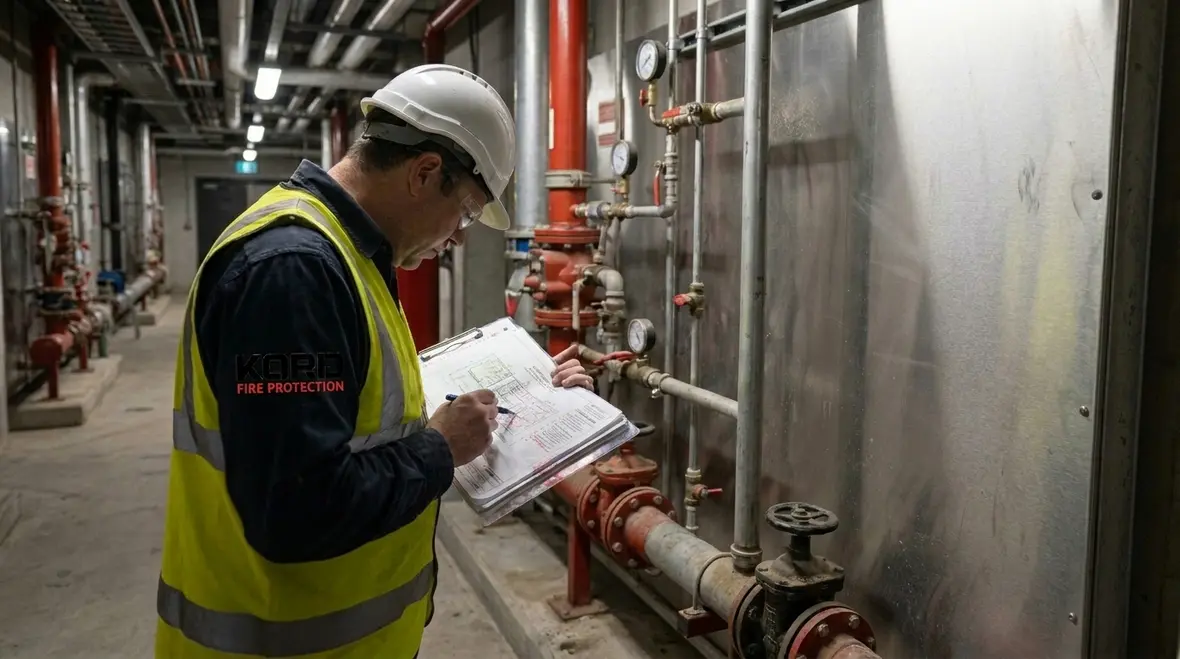
During installation, crews must manage routing, mounting stability, and access for future inspections. After installation, commissioning verifies the system can activate as intended and that devices communicate correctly. Then, the service plan covers periodic checks, replacement cycles, and documentation that leadership can trust.
Kord Fire Protection supports this entire lifecycle. They help facilities set expectations, schedule service at the right times, and maintain compliance readiness. As a result, FE 13 fire suppression becomes a living protection strategy, not a one-time purchase that gets ignored until the alarm does something it was “never supposed to” do.
And for anyone who thinks maintenance is optional, remember this: fire does not care about schedules. It only cares about fuel, heat, and oxygen. The system should care back, consistently.
For facilities with enclosed protected spaces, one detail deserves extra respect: holding the agent in the room long enough for it to work. Kord Fire discusses that in its article on clean agent suppression system and room integrity testing. That kind of testing helps confirm the enclosure supports the suppression plan instead of quietly sabotaging it through leakage or overlooked building changes.
Practical ways to plan a FE-13 fire suppression job
When a facility plans ahead, it reduces disruption and avoids delays that come from missing details. Therefore, a strong project plan includes clear ownership and realistic timelines, plus coordination with operations and building teams.
Habits that usually make these projects run smoother
- Assign a single point of contact to approve access and answer scope questions quickly
- Map shutdown windows so installation and testing do not interrupt critical work
- Verify drawings against the site before equipment sets the final position
- Confirm monitoring and reporting paths so events are logged properly
- Schedule service in advance so the facility does not wait for a future “maybe”
Once this structure is in place, Kord Fire Protection can help teams move from planning to execution with fewer surprises. It is the difference between a smooth job day and the kind of day where everyone asks, “Who changed this room layout?”
Near the end of the process, it also helps to bring every question back to one simple standard: does the protection plan still match the actual hazard today, not just the room drawing from months ago? That is why experienced providers revisit assumptions, confirm field conditions, and keep service records current. A suppression system that matched the site once can slowly become the wrong system if the space, equipment, or operations evolve.
FAQ
Conclusion: choose the right partner and protect the right way
FE-13 fire suppression works best when it is matched to the actual hazard, then maintained with steady service. Facilities that plan carefully, commission properly, and schedule ongoing checks reduce risk and downtime. Kord Fire Protection helps teams do all three, turning a suppression system into a reliable safety tool rather than a future headache.
If a site audit, design review, or service upgrade is on the table, now is the moment to act. Reach out through Kord Fire Protection’s clean agent fire suppression service page to build a protection plan that holds up. For teams comparing options first, Kord Fire’s guide to clean agent suppression for critical assets is also a strong next step.

Join Our Newsletter!
Get the latest fire safety tips delivered straight to your inbox From our Newsletter.