NFPA 52 Section 21.4: Foundations and Supports for LNG Containers
Quick Answer: NFPA 52 Section 21.4 sets enforceable expectations for designing, installing, and maintaining LNG container foundations and supports. The intent is to control settlement, prevent excessive loading on the container, manage environmental effects, and ensure the system remains stable and inspectable over the operating life.
What NFPA 52 Section 21.4 requires for LNG container support systems
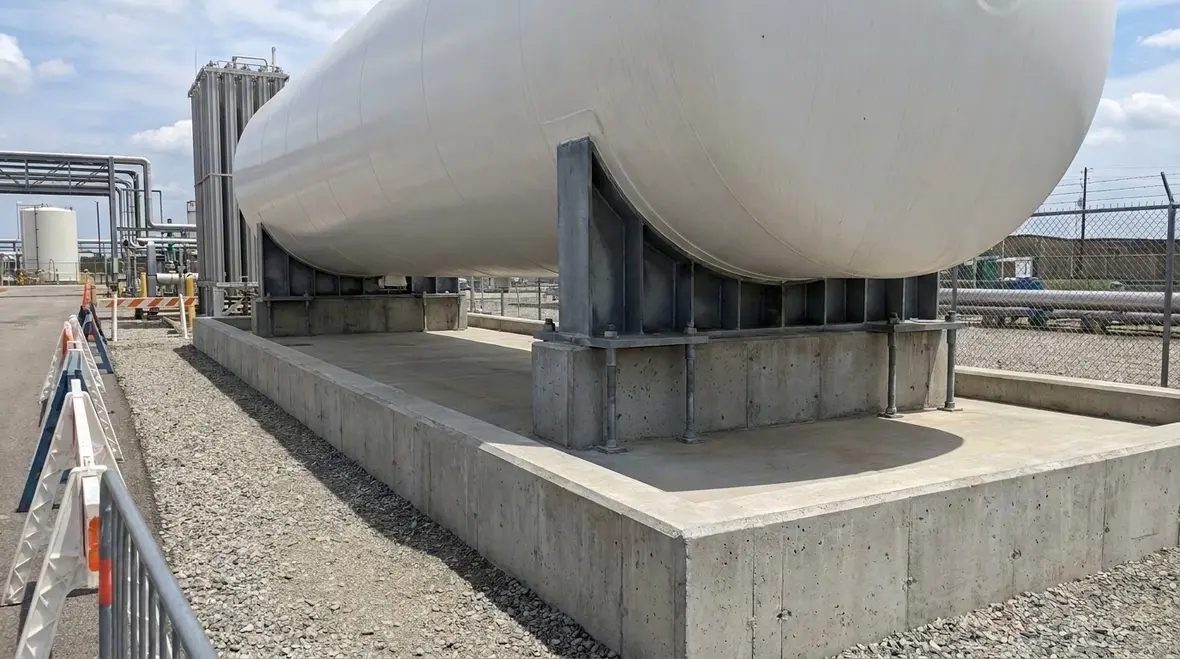
NFPA 52 LNG container foundation support requirements focus on keeping an LNG container positioned safely under normal operations and credible disturbances. Section 21.4 addresses how foundations transfer loads to the ground, how supports accommodate thermal behavior and structural movement, and how installations remain serviceable for inspection and maintenance. For commercial, industrial, and retail facilities, the practical challenge is that these systems must perform reliably while also meeting day to day operational constraints like site access, maintenance access, and ongoing weather and corrosion exposure.
In practice, facilities typically need strong coordination between process engineering, structural engineering, and fire protection to ensure that the foundation and support design matches the container manufacturer requirements and the hazards addressed by NFPA 52. For facilities building out broader inspection programs, Kord Fire Protection’s fire suppression system services provide a useful starting point for coordinating code-compliant inspections, maintenance, and documentation across related protection systems.
Key compliance intent behind foundation and support design
NFPA 52 Section 21.4 supports a risk based intent: reduce the likelihood that movement, differential settlement, or support degradation contributes to unsafe operating conditions. The foundation and support system must be capable of handling vertical and lateral loads, including environmental forces and operational loads associated with the LNG container.
Commercial facilities often see compliance gaps in areas like:
- Foundation settlement or uneven support leading to load redistribution on the container shell or appurtenances.
- Inadequate corrosion protection at anchorage components exposed to moisture, salts, or deicing chemicals.
- Support misalignment that forces stress into flexible connections or creates unintended contact points.
- Loss of design clearance from debris accumulation, grading changes, or later site modifications.
How foundations transfer loads and why structural details matter
The foundation acts as the bridge between the LNG container and the soil or structural base. Section 21.4 expectations typically require that the foundation and supports be designed and installed to maintain safe positioning throughout the service life, including during operating cycles that can drive thermal contraction and expansion.
Load paths, anchorage, and stability
A common failure point in real installations involves a load path that changes over time. That can happen due to:
- Backfill conditions settling or changing moisture content.
- Drainage deficiencies that alter soil conditions under the foundation.
- Anchor system degradation from corrosion or physical damage during construction or future maintenance.
Facilities should treat anchorage inspection as a recurring compliance activity, not a one time acceptance item. Even when the container is not visibly affected, anchorage corrosion can reduce capacity and compromise the stability assumptions behind the design.
Thermal and mechanical movement accommodation
LNG systems can experience temperature related movement. Section 21.4 addresses the need for supports that manage mechanical and thermal effects without creating harmful stresses. In the field, this means supports must not bind or over constrain the container. If the foundation settles or if supports are incorrectly installed during upgrades, thermal cycling can amplify stress and accelerate wear in connected components.
Operational procedures, inspection, and maintenance best practices
Compliance does not stop at construction. The highest risk often appears when the installation changes or maintenance is delayed. For ongoing compliance with NFPA 52 LNG container foundation support requirements, facilities should establish disciplined inspection and maintenance workflows that track both structural condition and functional performance.
What inspectors look for during foundation and support reviews
Inspections should include condition checks that help verify the foundation and supports continue to meet original safety assumptions. Typical focus areas include:
- Evidence of settlement, tilting, or cracking patterns inconsistent with normal tolerances.
- Support and anchorage condition, including corrosion, deformation, or missing fasteners.
- Clearances and interference created by equipment movement, grading changes, or stored materials.
- Drainage and water management around the foundation footprint.
- Base and support contact integrity, including debris that can prevent proper bearing behavior.
Common commercial site challenges
Commercial and retail properties frequently experience foundation related issues indirectly through facility operations. Examples include:
- Modifications to landscaping, sidewalks, or utility routing that change loads or restrict inspection access.
- Cleaning practices or chemical exposure that accelerate corrosion at supports and anchors.
- Vegetation growth and water pooling near the foundation that degrades soil conditions.
To reduce these risks, the facility should control changes near the LNG container foundation and require hazard review for any work that affects grading, drainage, or access routes.
Testing, documentation, and change management for ongoing compliance
Strong documentation improves audit readiness and reduces downtime when regulators or insurance stakeholders request proof of compliance. Facilities should retain construction submittals, inspection records, and maintenance logs tied directly to foundation and support components.
Recommended compliance workflow
- Establish an inspection schedule aligned with site conditions and operating cycles.
- Verify as-built alignment with design assumptions, including anchorage configuration and support placement.
- Record findings with corrective actions that track component level repairs, not generalized statements.
- Manage changes through a permit and review process for grading, drainage, adjacent construction, and equipment modifications.
- Confirm restoration and verification after repairs, ensuring supports remain free of interference and within required clearances.
Where Kord Fire Protection supports facilities
Kord Fire Protection helps commercial operations maintain safe readiness by supporting compliance programs that include inspections, testing coordination, and documentation discipline for LNG related fire safety systems. For facilities seeking a partner that understands how structural and operational changes affect ongoing safety obligations, Kord Fire Protection brings practical field experience to keep compliance current and audit ready.
If you want to align your maintenance program with industry expectations, start by reviewing Kord Fire Protection’s fire protection services or learn more about inspection, testing, and maintenance programs.
Frequently Asked Questions
Take action now
Confirm that your LNG container foundation and support program includes documented inspections, corrosion and clearance checks, and change control for grading or drainage work near the installation. If your records are incomplete or your site has seen recent modifications, contact Kord Fire Protection to strengthen compliance readiness, streamline maintenance tracking, and support ongoing safety verification.

Join Our Newsletter!
Get the latest fire safety tips delivered straight to your inbox From our Newsletter.