
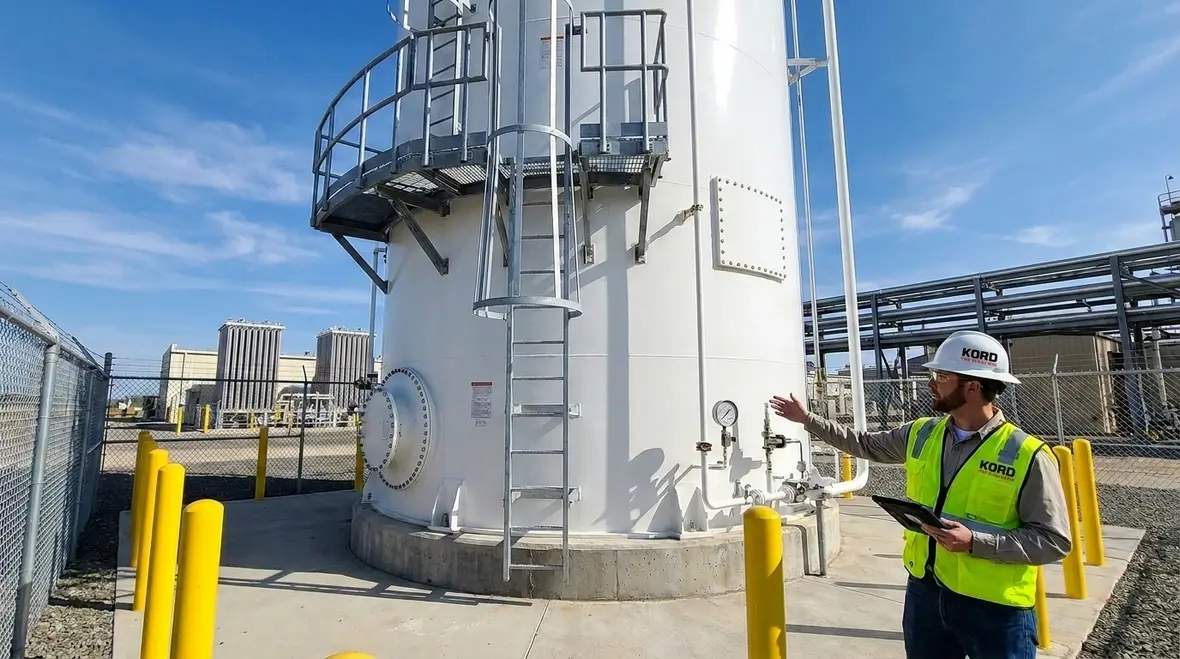
NFPA 52 Section 21.3: Container Requirements for ASME LNG Tanks
Quick Answer
NFPA 52 Section 21.3 sets minimum container and design expectations for ASME LNG tanks to help ensure long term integrity, leak resistance, and safe operation. These requirements address inspection access, protective features, installation controls, and ongoing maintenance practices that commercial operators must follow.
Why NFPA 52 ASME LNG container requirements matter for real facilities
For commercial, industrial, and retail sites that handle LNG, container integrity is the central safety barrier. NFPA 52 ASME LNG container requirements focus on how ASME cryogenic pressure vessels and their installed container systems perform under expected thermal, pressure, and environmental conditions. When owners treat container compliance as a one time procurement step, they often miss the operational gaps that regulators and insurers look for during audits.
In practical terms, the “container” is not just the ASME tank shell. It includes installation arrangements, protection against physical damage, support details, access for inspection and maintenance, and how protective measures stay effective over the life of the installation. Facilities that maintain equipment schedules and inspection records typically pass verification faster and reduce unplanned downtime tied to corrective actions.
For teams building a stronger inspection rhythm, Kord Fire Protection’s fire protection compliance auditing guide offers a useful companion read on what auditors look for and how documentation habits support smoother verification.
What Section 21.3 expects from ASME LNG tank containers
Section 21.3 targets minimum safety performance for container systems used with LNG. The intent centers on maintaining containment, preventing deterioration, and ensuring that critical components remain serviceable. Operators should expect requirements that influence both design and day to day compliance workflows.
1) Container integrity and leakage control
ASME LNG tank containers must maintain tightness across operating cycles. This includes expected thermal contraction and expansion, pressure variations, and exposure to LNG vapor and cryogenic temperatures. The compliance focus extends to ensuring that installed components do not introduce stress points, improper supports, or damage pathways that can lead to leaks.
2) Installation arrangement that protects the container
Even when the ASME vessel is properly built, facility installation can compromise performance. NFPA 52 container expectations typically require that the tank system receives physical protection and correct clearance to support safe operation and inspection. Common compliance gaps include inadequate shielding from vehicle impact, improperly maintained barriers, and blocked access that prevents effective inspection.
3) Access and inspection readiness
Section 21.3 and related operational requirements push operators to design for inspection and to keep the installation in a state that inspection staff can reach, observe, and document. This affects how insulation is maintained, how protective enclosures are kept, and whether access platforms and lighting meet inspection needs.
Common compliance challenges operators face
Commercial facilities often discover container nonconformities during scheduled insurance reviews, AHJ inspections, or post incident assessments. The most frequent problem areas include the following.
Insulation and protective systems drift out of spec
Insulation performance is not static. Settling, moisture ingress, and damage from maintenance activities can degrade thermal performance and expose container surfaces to conditions the original design did not intend. Inspectors look for insulation that remains intact, properly configured, and free from evidence of persistent wetting. If insulation changes are not documented and evaluated, container compliance is difficult to defend.
Corrosion risks introduced by plant conditions
LNG tank containers and their supports can face corrosion from moisture, chemicals, and poor drainage. Operators should confirm that drainage pathways remain unobstructed, that protective coatings remain intact where applicable, and that abnormal rust patterns are addressed quickly. Delayed corrective action frequently turns minor surface degradation into a larger structural concern.
Blocked inspection access and incomplete documentation
After commissioning, operational changes can unintentionally reduce access. Examples include storage placed too close to inspection areas, ladders removed for “temporary” reasons, or maintenance schedules that do not align with inspection intervals. Documentation gaps also create risk because compliance depends on the ability to demonstrate that required checks occurred on time and results were acted on.
Unsupported piping loads and stress transfer
Piping connections can create loads that affect the tank container if supports and anchors are not properly maintained. Operators should verify that expansion provisions, flexible connections, and support spacing remain aligned with original installation intent. Stress transfer issues frequently show up as abnormal wear, repeated leak repairs, or unexpected alarms tied to pressure and temperature behavior.
Operational procedures and inspection expectations
NFPA 52 container requirements work best when paired with disciplined operational procedures. The compliance posture should treat inspection and maintenance as an integrated risk control system.
Inspection mechanics: what to verify
Facility personnel and qualified contractors should verify container condition through planned visual checks and documentation. High value checks typically include:
- Evidence of insulation damage, displacement, or recurring moisture intrusion
- Visual indicators of corrosion on container surfaces and supporting structures
- Integrity of protective barriers, impact shielding, and exclusion zones
- Access readiness including clear pathways to required inspection points
- Signs of abnormal stress transfer near connections and supports
Maintenance controls that protect the containment boundary
Maintenance must avoid creating new hazards. That means controlled work practices around cryogenic components, proper torque and alignment procedures for any disassembly, and tight change management for insulation and protective coverings. When changes are not tracked, operators lose traceability needed for compliance and for root cause analysis after abnormal events.
Common failure points that inspections should catch early
- Localized insulation failures that lead to unexpected thermal gradients
- Support settlement or barrier degradation that increases exposure to physical damage
- Inadequate drainage that accelerates corrosion
- Repeated small leak repairs without corrective action that addresses the cause
How Kord Fire Protection supports NFPA 52 compliance for container integrity
Container compliance does not end with tank delivery. Commercial operators need ongoing testing, maintenance planning, and documentation discipline to demonstrate that safety systems remain effective. Kord Fire Protection works with facilities to build practical compliance support aligned with commercial inspection and maintenance realities.
When a facility standard requires consistent verification, Kord Fire Protection can help coordinate risk focused inspections and maintenance activities that support NFPA 52 compliance expectations. For additional guidance on inspection and protection planning, operators can review fire suppression systems to better align protection design with operational controls at LNG and cryogenic installations.
Step by step compliance workflow for NFPA 52 Section 21.3
Facilities reduce compliance risk when they follow a repeatable workflow that links documentation, inspection results, and corrective actions.
- Confirm the ASME tank configuration and verify it matches the installed container system design assumptions.
- Validate inspection access routes, protective barriers, and clearance requirements remain unchanged over time.
- Implement inspection intervals for container related conditions such as insulation integrity, corrosion indicators, and connection stress signs.
- Maintain change management records for insulation repairs, shielding modifications, piping support adjustments, and work area alterations.
- Track findings to closure with documented corrective actions that address root cause, not only symptoms.
Frequently Asked Questions
Conclusion and call to action
NFPA 52 Section 21.3 container requirements protect the containment boundary through installation integrity, inspection readiness, and disciplined maintenance. Commercial operators should treat compliance as a lifecycle process, not a one time installation check. Kord Fire Protection can help you strengthen ongoing verification and documentation practices so your LNG container system stays compliant and reliable. Contact Kord Fire Protection to plan a practical compliance review aligned with your facility’s risk profile and inspection schedule.

Join Our Newsletter!
Get the latest fire safety tips delivered straight to your inbox From our Newsletter.


